Woern Aubrey L, Byard Dennis J, Oakley Robert B, Fiedler Matthew J, Snabes Samantha L, Pearce Joshua M
Department of Mechanical Engineering⁻Engineering Mechanics, Michigan Technological University, Houghton, MI 49931, USA.
re:3D Inc., 1100 Hercules STE 220, Houston, TX 77058, USA.
Materials (Basel). 2018 Aug 12;11(8):1413. doi: 10.3390/ma11081413.
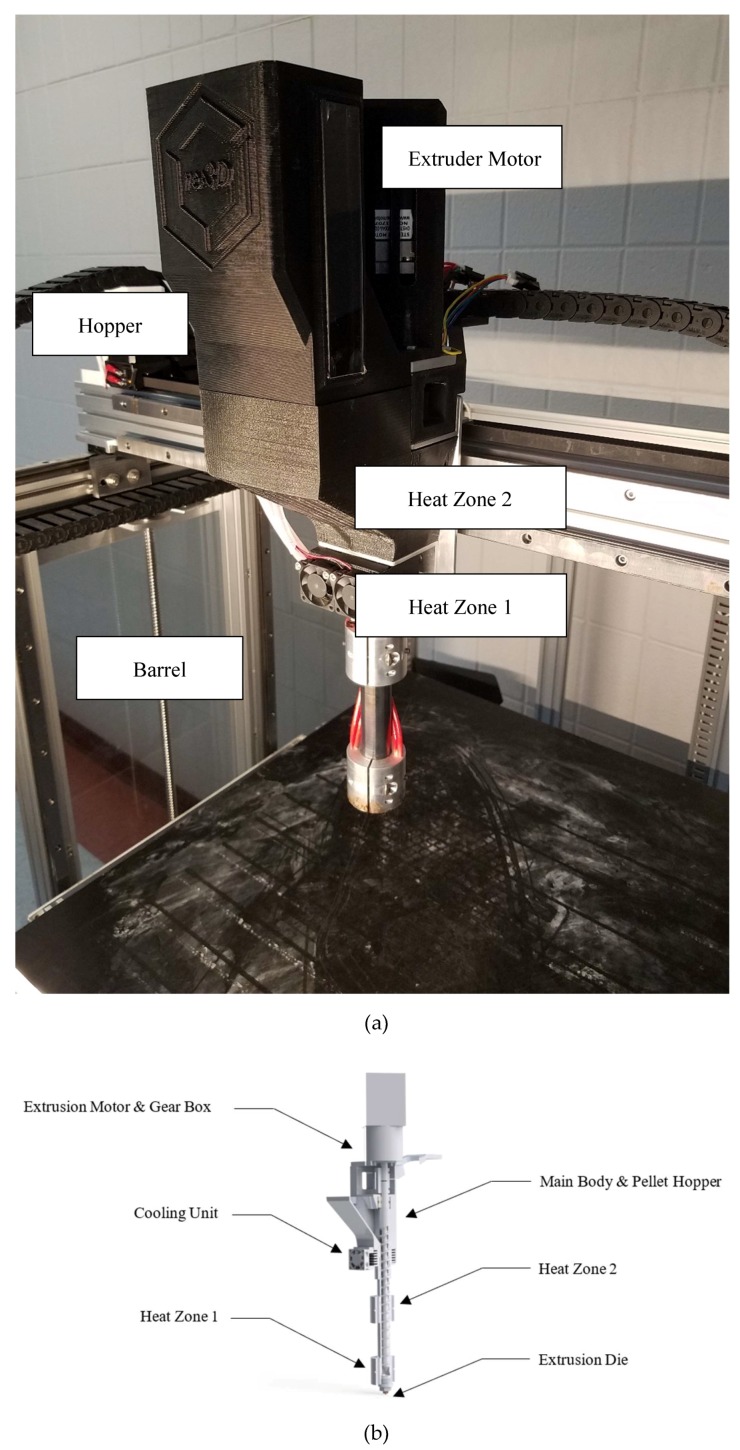
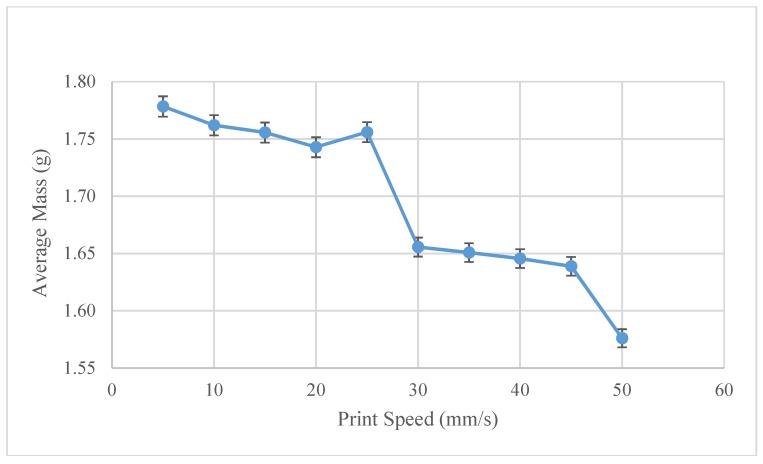
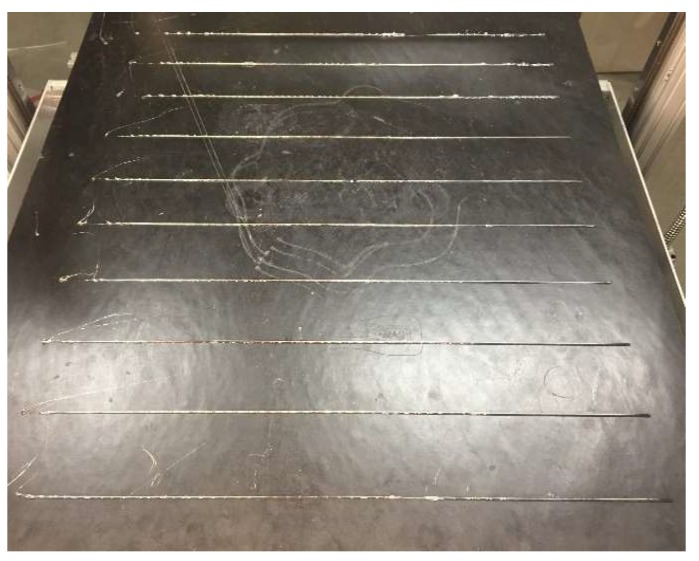
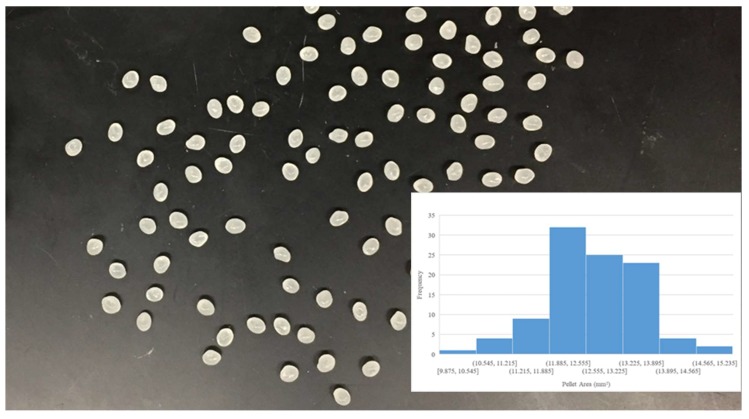
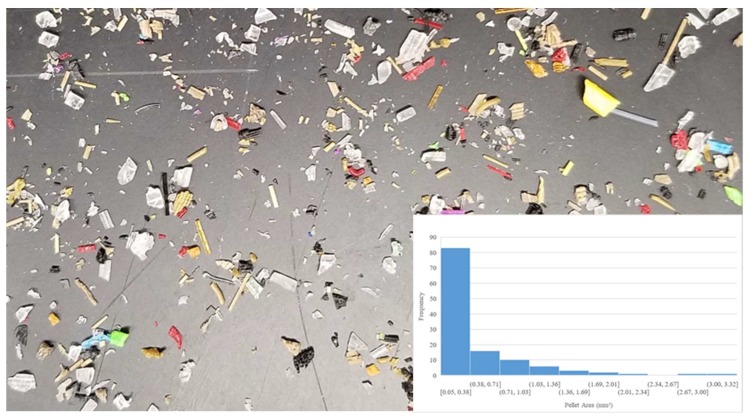
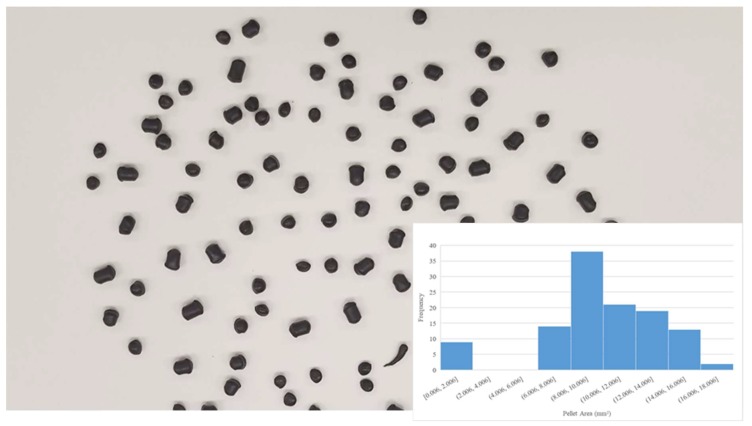
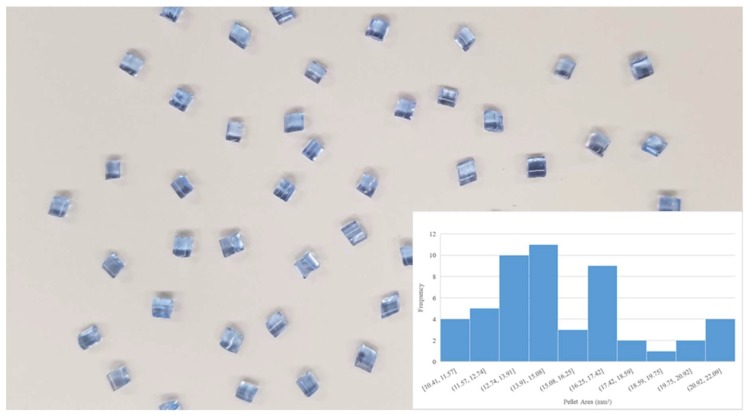
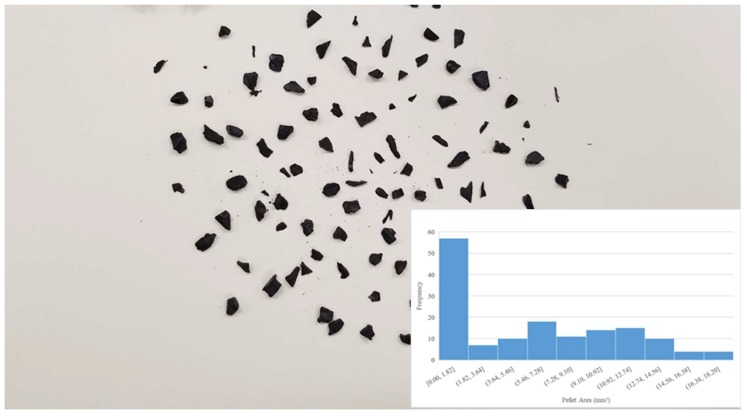
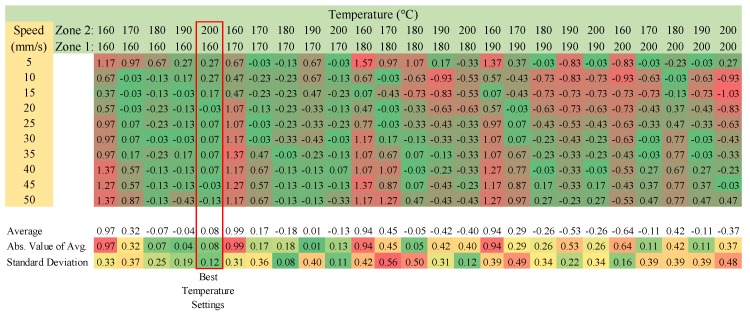
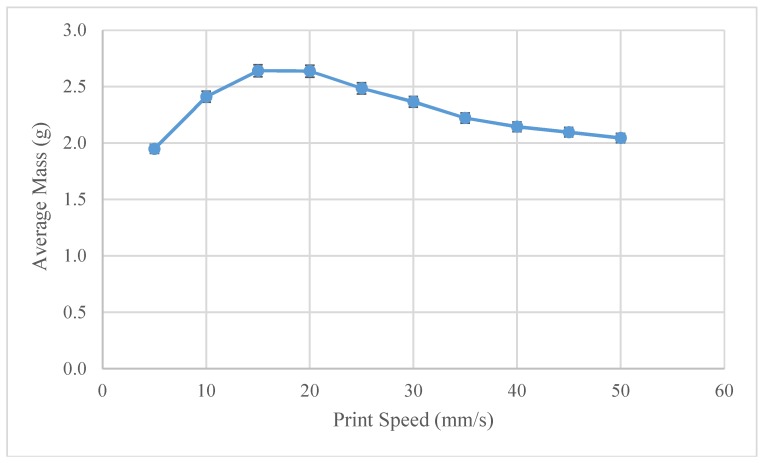
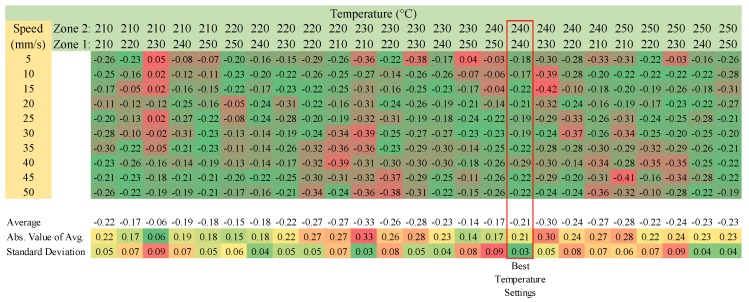
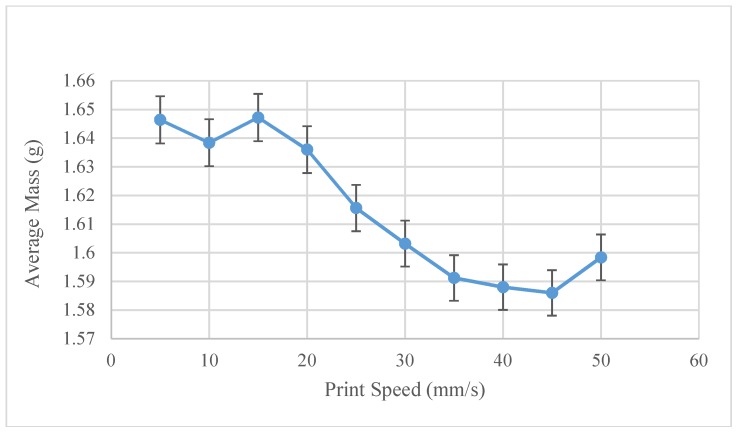
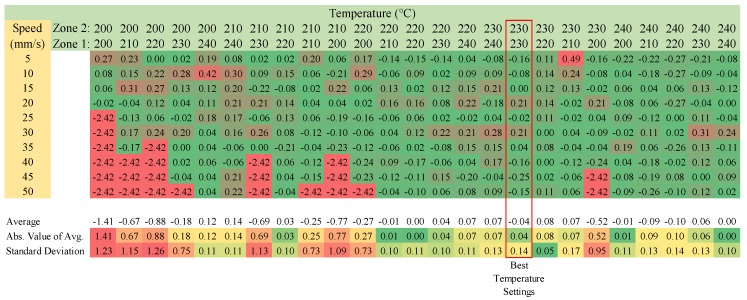
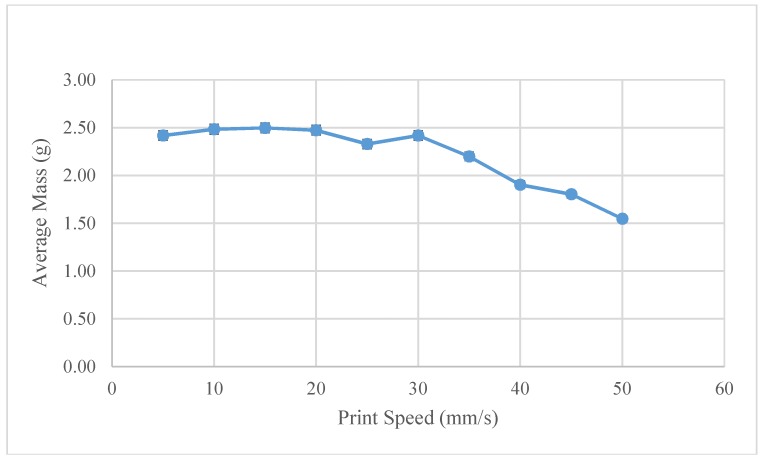
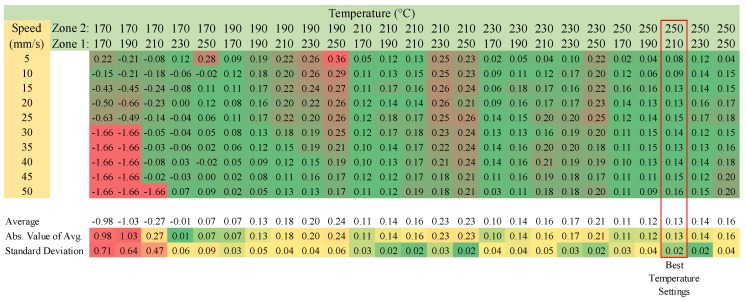
Fused particle fabrication (FPF) (or fused granular fabrication (FGF)) has potential for increasing recycled polymers in 3-D printing. Here, the open source Gigabot X is used to develop a new method to optimize FPF/FGF for recycled materials. Virgin polylactic acid (PLA) pellets and prints were analyzed and were then compared to four recycled polymers including the two most popular printing materials (PLA and acrylonitrile butadiene styrene (ABS)) as well as the two most common waste plastics (polyethylene terephthalate (PET) and polypropylene (PP)). The size characteristics of the various materials were quantified using digital image processing. Then, power and nozzle velocity matrices were used to optimize the print speed, and a print test was used to maximize the output for a two-temperature stage extruder for a given polymer feedstock. ASTM type 4 tensile tests were used to determine the mechanical properties of each plastic when they were printed with a particle drive extruder system and were compared with filament printing. The results showed that the Gigabot X can print materials 6.5× to 13× faster than conventional printers depending on the material, with no significant reduction in the mechanical properties. It was concluded that the Gigabot X and similar FPF/FGF printers can utilize a wide range of recycled polymer materials with minimal post processing.
熔融颗粒制造(FPF)(或熔融粒料制造(FGF))在3D打印中具有增加回收聚合物使用量的潜力。在此,使用开源的Gigabot X开发一种新方法,以优化用于回收材料的FPF/FGF。对纯聚乳酸(PLA)颗粒和打印件进行了分析,然后与四种回收聚合物进行比较,其中包括两种最常用的打印材料(PLA和丙烯腈-丁二烯-苯乙烯共聚物(ABS))以及两种最常见的废塑料(聚对苯二甲酸乙二酯(PET)和聚丙烯(PP))。使用数字图像处理对各种材料的尺寸特性进行了量化。然后,使用功率和喷嘴速度矩阵来优化打印速度,并通过打印测试来最大化给定聚合物原料的双温级挤出机的产量。使用ASTM 4型拉伸试验来确定每种塑料在通过颗粒驱动挤出机系统打印时的机械性能,并与长丝打印进行比较。结果表明,根据材料不同,Gigabot X的打印速度比传统打印机快6.5倍至13倍,且机械性能没有明显下降。得出的结论是,Gigabot X和类似的FPF/FGF打印机可以使用多种回收聚合物材料,且后处理最少。