Wang Jiashi, Wang Guangbin, Li Bin, Qiu Chuang, He Ming
Department of Orthopedic Surgery, Shengjing Hospital of China Medical University, Shenyang, Liaoning, People's Republic of China,
Onco Targets Ther. 2018 Jul 31;11:4461-4478. doi: 10.2147/OTT.S171304. eCollection 2018.
Many studies have used miRNA to modulate osteosarcoma development by regulating protein expression, and these studies showed that the expression of EGFR is increased in osteosarcoma.
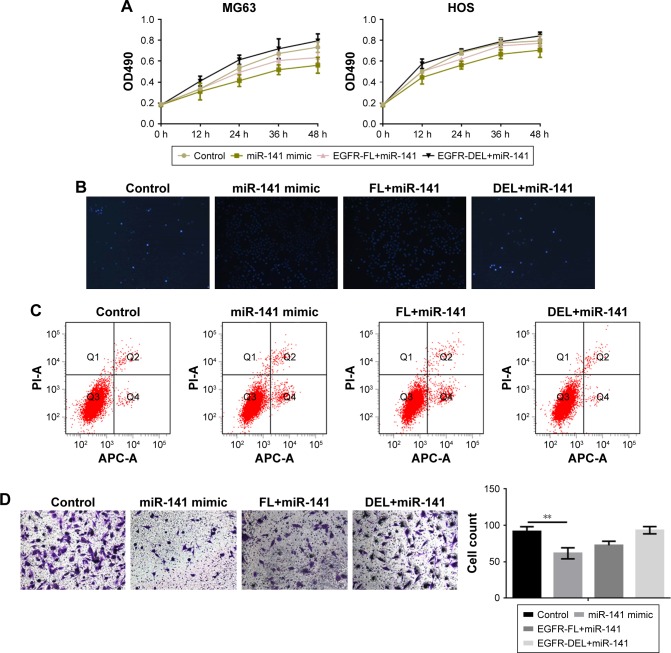
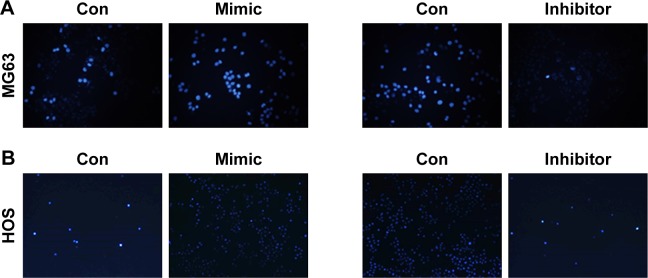
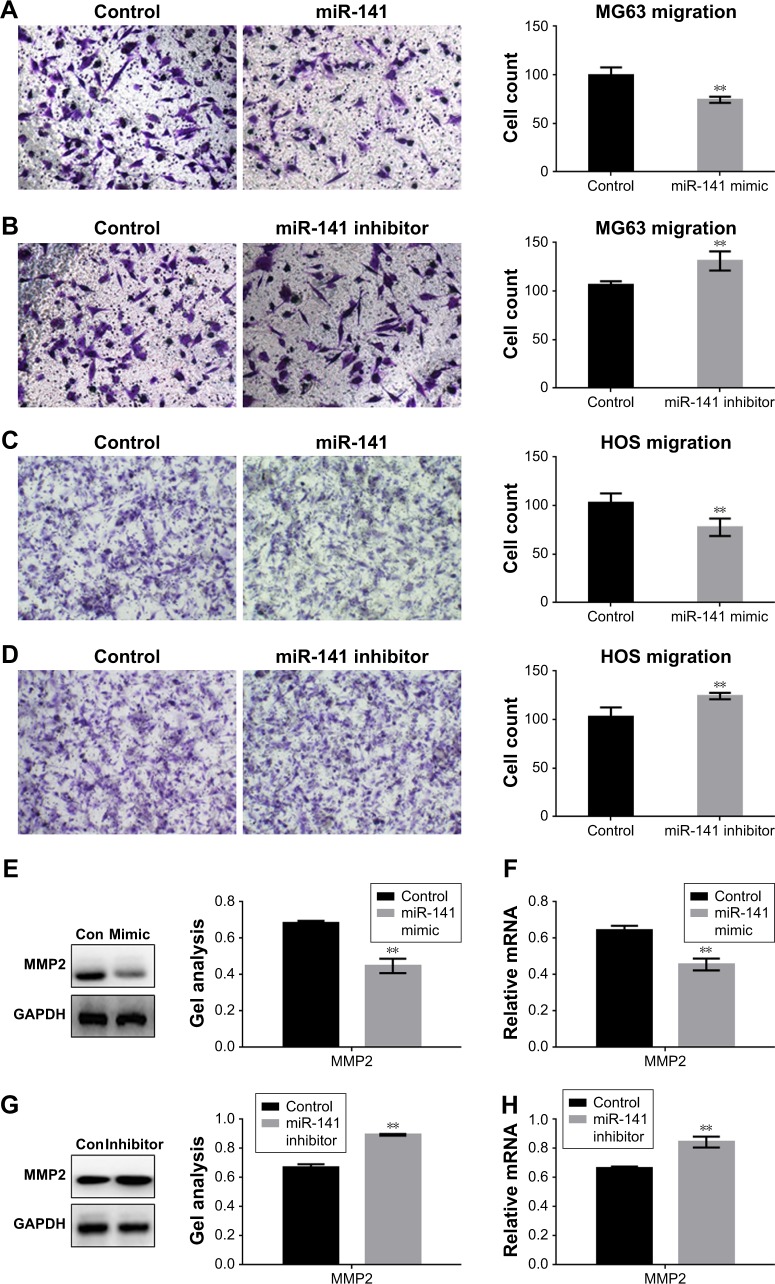
Western blot, real-time PCR and immunohistochemical were used to detect the expression of EGFR and miR-141 in osteosarcoma tissues and cells. The correlation between miR-141 and the grading of osteosarcoma and the correlation with the survival time of the patients were analyzed. After predicting the target effect of miR-141 on EGFR by miRDB, correlation analysis was used to analyze the correlation between miR-141 and EGFR. Luciferase reporter gene, western blot and real-time PCR were used to detect the targeting effect of miR-141 on EGFR. Then we detected the effect of miR-141 on proliferation by MTT and PI staining. The effect of miR-141 on cell apoptosis was detected by Hochest33258 and AV-PI staining, and the effect of miR-141 on cell migration was detected by Transwell. The regulatory effects of miR-141 on related proteins were detected by western blot and real-time PCR. Finally, we transfected EGFR and EGFR DEL (mutation with miR-141 binding site) in osteosarcoma cells, and detected the effects of miR-141 on cell proliferation, apoptosis, migration and related proteins.
The expression of miR-141-3p was negatively correlated with the expression of EGFR in osteosarcoma. The overexpression of miR-141-3p was not only closely related to the classification and size of the osteosarcoma but also had a negative effect on the growth and migration of the osteosarcoma through negative regulation of the expression of EGFR. MiR-141 can inhibit the growth and metastasis of osteosarcoma cells by targeting EGFR and affecting its downstream pathway proteins.
Our study provides miR-141-3p may be a new theoretical basis for the treatment of osteosarcoma.
许多研究利用微小RNA(miRNA)通过调节蛋白质表达来调控骨肉瘤的发展,这些研究表明表皮生长因子受体(EGFR)在骨肉瘤中的表达增加。
采用蛋白质免疫印迹法、实时荧光定量聚合酶链反应(PCR)和免疫组织化学法检测骨肉瘤组织及细胞中EGFR和miR-141的表达。分析miR-141与骨肉瘤分级的相关性以及与患者生存时间的相关性。通过miRDB预测miR-141对EGFR的靶向作用后,采用相关性分析来分析miR-141与EGFR之间的相关性。利用荧光素酶报告基因、蛋白质免疫印迹法和实时荧光定量PCR检测miR-141对EGFR的靶向作用。然后通过MTT法和PI染色检测miR-141对增殖的影响。通过Hochest33258和AV-PI染色检测miR-141对细胞凋亡的影响,通过Transwell检测miR-141对细胞迁移的影响。采用蛋白质免疫印迹法和实时荧光定量PCR检测miR-141对相关蛋白的调控作用。最后,我们在骨肉瘤细胞中转染EGFR和EGFR DEL(具有miR-141结合位点的突变体),并检测miR-141对细胞增殖、凋亡、迁移及相关蛋白的影响。
在骨肉瘤中,miR-141-3p的表达与EGFR的表达呈负相关。miR-141-3p的过表达不仅与骨肉瘤的分级和大小密切相关,而且通过对EGFR表达的负调控对骨肉瘤的生长和迁移产生负面影响。miR-141可通过靶向EGFR并影响其下游通路蛋白来抑制骨肉瘤细胞的生长和转移。
我们的研究为miR-141-3p可能成为骨肉瘤治疗的新理论基础提供了依据。