Department of Molecular Biology and Biophysics, UConn Health, Farmington, CT, USA.
J Appl Microbiol. 2019 Feb;126(2):348-358. doi: 10.1111/jam.14067. Epub 2018 Sep 27.
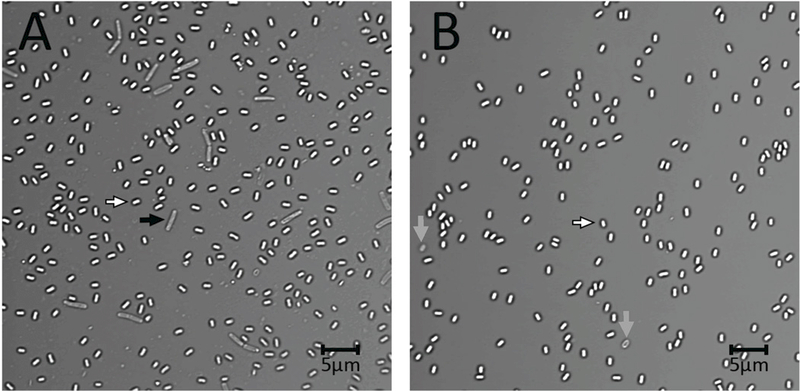
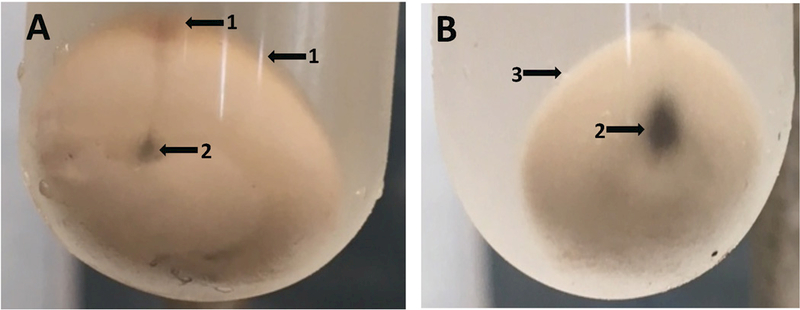
The purpose of this article is to highlight some areas of research with spores of bacteria of Firmicute species in which the methodology too commonly used is not optimal and generates misleading results. As a consequence, conclusions drawn from data obtained are often flawed or not appropriate. Topics covered in the article include the following: (i) the importance of using well-purified bacterial spores in studies on spore resistance, composition, killing, disinfection and germination; (ii) methods for obtaining good purification of spores of various species; (iii) appropriate experimental approaches to determine mechanisms of spore resistance and spore killing by a variety of agents, as well as known mechanisms of spore resistance and killing; (iv) common errors made in drawing conclusions about spore killing by various agents, including failure to neutralize chemical agents before plating for viable spore enumeration, and equating correlations between changes in spore properties accompanying spore killing with causation. It is hoped that a consideration of these topics will improve the quality of spore research going forward.
本文的目的是强调一些研究领域,其中普遍使用的方法并不理想,并且会产生误导性的结果。因此,从获得的数据中得出的结论往往存在缺陷或不恰当。本文涵盖的主题包括:(i)在研究孢子抗性、组成、杀灭、消毒和发芽时使用经过充分纯化的细菌孢子的重要性;(ii)获得各种细菌孢子良好纯化的方法;(iii)确定各种试剂对孢子抗性和杀灭机制的适当实验方法,以及已知的孢子抗性和杀灭机制;(iv)在得出各种试剂对孢子杀灭的结论时常见的错误,包括在进行活菌计数平板前未能中和化学试剂,以及将伴随孢子杀灭的孢子特性变化与因果关系等同起来。希望对这些主题的考虑将提高未来孢子研究的质量。