Yoshida Kaori, Nishizawa Daisuke, Ide Soichiro, Ichinohe Tatsuya, Fukuda Ken-Ichi, Ikeda Kazutaka
Addictive Substance Project, Tokyo Metropolitan Institute of Medical Science, Tokyo, Japan.
Department of Dental Anesthesiology, Tokyo Dental College, Tokyo, Japan.
Neuropsychopharmacol Rep. 2018 Mar;38(1):2-8. doi: 10.1002/npr2.12003. Epub 2018 Feb 6.
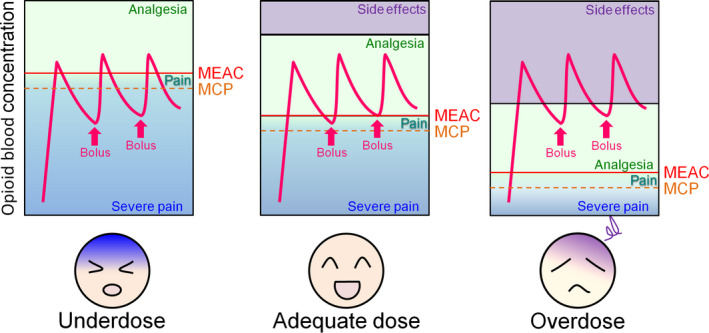
Opioid analgesics are widely used as effective analgesics for the treatment of moderate-to-severe pain. However, the analgesic efficacy of opioids is well known to vary widely among individuals, and effective pain treatment is hampered by vast individual differences. Although these differences in opioid requirements have been attributed to various factors, genetic factors are becoming increasingly relevant to the development of genome science.
This review covers the association between opioid analgesic requirements and particularly gene polymorphisms.
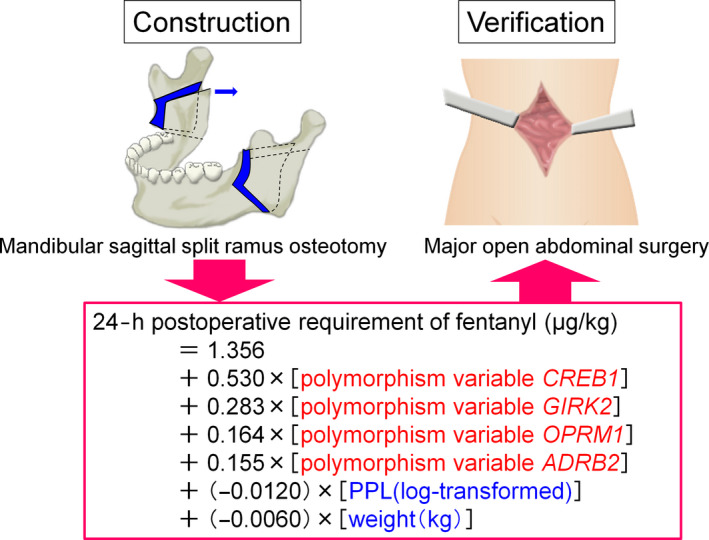
Personalized pain treatment has begun using prediction formulas based on associated gene polymorphisms. Improvements in personalized pain treatment are expected as scientific knowledge further expands in the future.
阿片类镇痛药作为治疗中重度疼痛的有效镇痛药被广泛使用。然而,众所周知,阿片类药物的镇痛效果在个体间差异很大,巨大的个体差异阻碍了有效的疼痛治疗。尽管阿片类药物需求的这些差异归因于多种因素,但随着基因组科学的发展,遗传因素变得越来越重要。
本综述涵盖阿片类镇痛药需求与特定基因多态性之间的关联。
个性化疼痛治疗已开始使用基于相关基因多态性的预测公式。随着未来科学知识的进一步扩展,预计个性化疼痛治疗将得到改善。