Department of Engineering, Aarhus University, Aarhus, 8000, Denmark.
Department of Chemistry, Aarhus University, Aarhus, 8000, Denmark.
Sci Rep. 2018 Aug 16;8(1):12293. doi: 10.1038/s41598-018-29871-z.
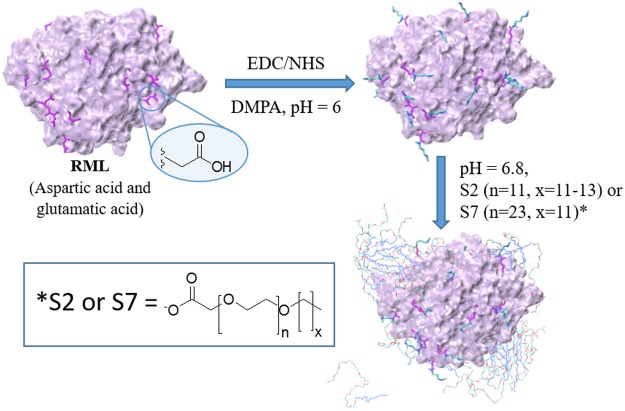
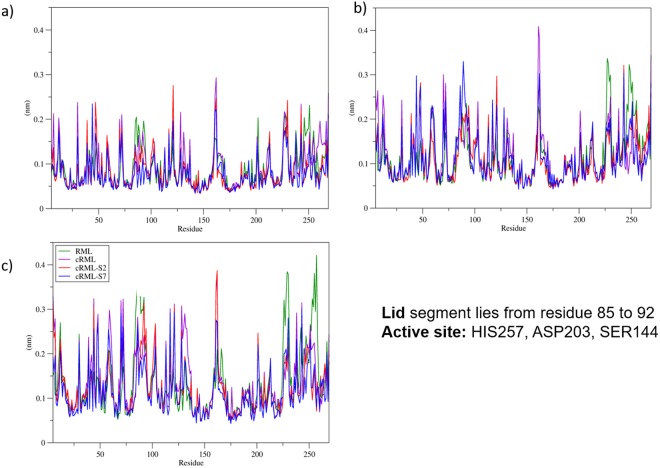
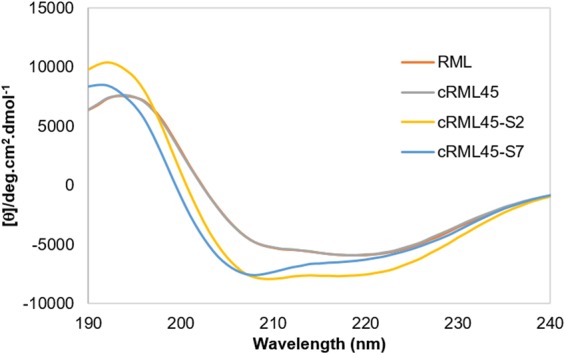
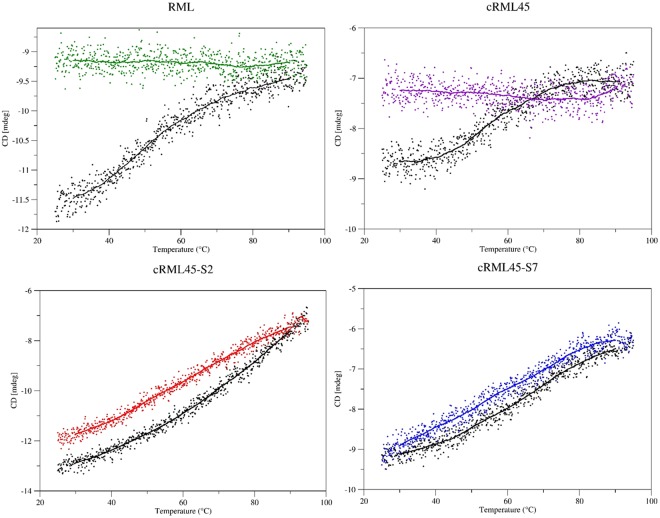
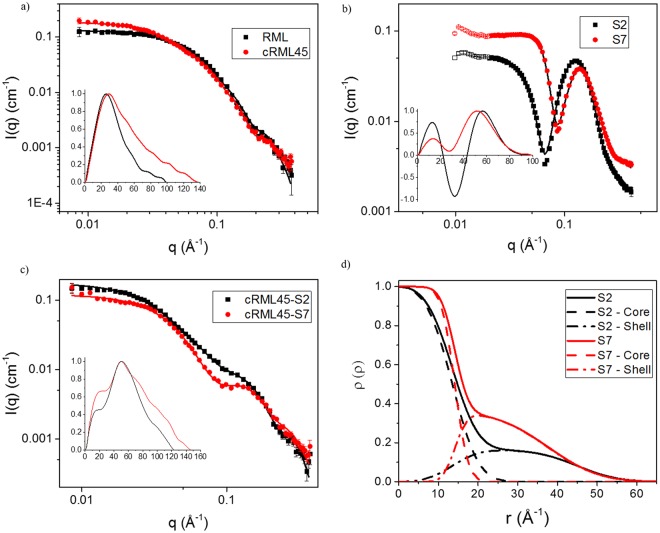
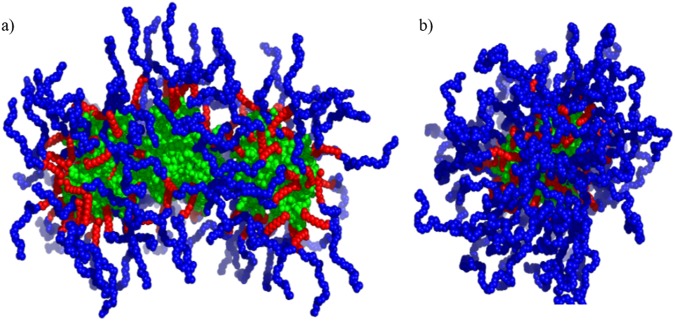
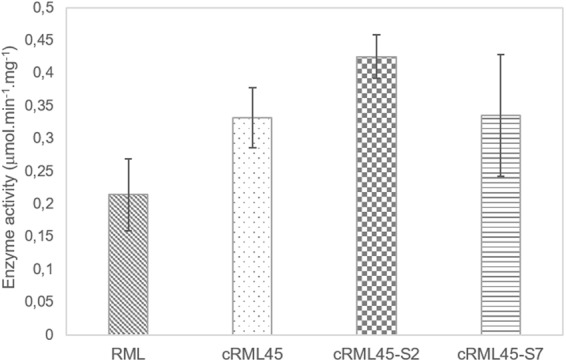
Bioconjugates established between anionic polyethylene glycol (PEG) based polymers and cationic proteins have proven to be a promising strategy to engineer thermostable biocatalysts. However, the enzyme activity of these bioconjugates is very low and the mechanism of non-covalent PEG-stabilization is yet to be understood. This work presents experimental and molecular dynamics simulation studies, using lipase-polymer surfactant nanoconjugates from mesophile Rhizomucor miehei (RML), performed to evaluate the effect of PEG on enzyme stability and activity. Results demonstrated that the number of hydrogen bonds between the cationized RML and PEG chain correlates with enzyme thermostability. In addition, an increase of both the number of PEG-polymers units and cationization degree of the enzyme leads to a decrease of enzyme activity. Modelling with SAXS data of aqueous solutions of the biofluid lipases agrees with previous hypothesis that these enzymes contain a core constituted of folded protein confined by a shell of surfactants. Together results provide valuable insight into the mechanism of non-covalent PEG mediated protein stabilization relevant for engineering active and thermostable biofluids. Furthermore, the first biofluids RML with activity comparable to their cationized counterpart are presented.
阴离子聚乙二醇(PEG)基聚合物与阳离子蛋白之间形成的生物缀合物已被证明是一种很有前途的工程热稳定生物催化剂的策略。然而,这些生物缀合物的酶活性非常低,非共价 PEG 稳定化的机制仍有待理解。本工作使用中温菌米根霉(RML)的脂肪酶-聚合物表面活性剂纳米缀合物进行了实验和分子动力学模拟研究,以评估 PEG 对酶稳定性和活性的影响。结果表明,阳离子化 RML 与 PEG 链之间氢键的数量与酶的热稳定性相关。此外,PEG-聚合物单元数量和酶的阳离子化程度的增加都会导致酶活性的降低。对生物流体脂肪酶水溶液的 SAXS 数据进行建模与之前的假设一致,即这些酶包含一个由折叠蛋白质构成的核心,被表面活性剂外壳所限制。这些结果为非共价 PEG 介导的蛋白质稳定化的机制提供了有价值的见解,这对于工程活性和热稳定的生物流体具有重要意义。此外,还提出了具有与阳离子化对应物相当活性的第一个生物流体 RML。