Department of Clinical Laboratory, The central hospital of Wenzhou, The Dingli Clinical College of Wenzhou Medical University, Wenzhou, China.
Department of Infectious Disease, The Second Affiliated Hospital and Yuying Childrens Hospital of Wenzhou Medical University, Wenzhou, China.
Cell Commun Signal. 2018 Aug 17;16(1):47. doi: 10.1186/s12964-018-0260-z.
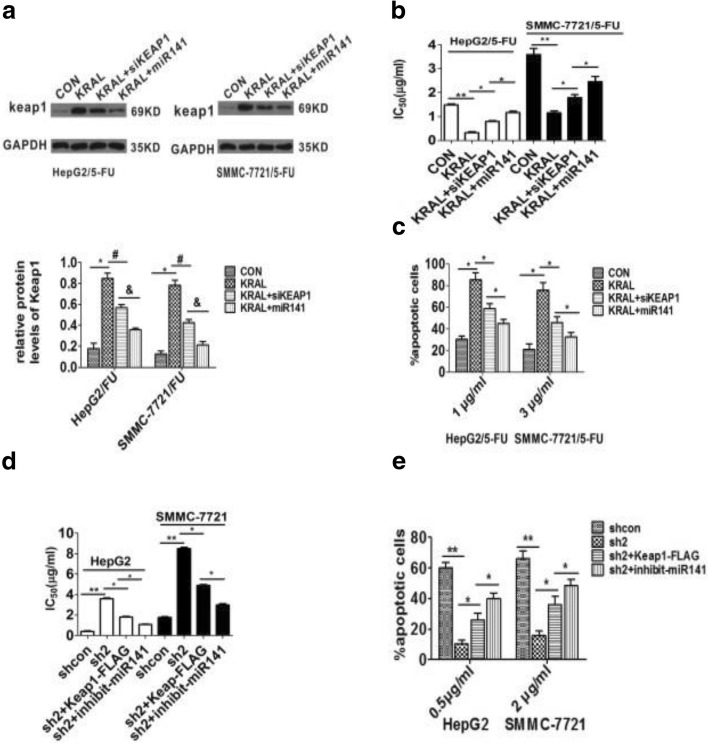
5-Fluorouracil (5-FU) has been widely applied to treat various types of cancers, including hepatocellular carcinoma (HCC). However, primary or acquired 5-FU resistance prevents the clinical application of this drug in cancer therapy. Herein, our study is the first to demonstrate that lower expression of KRAL, a long non-coding RNA (lncRNA), mediates 5-FU resistance in HCC via the miR-141/Keap1 axis.
Cell proliferation assays, western blot analysis, qRT-PCR, the dual-luciferase reporter assay and RNA immunoprecipitation were performed to investigate the mechanisms by which KRAL mediates 5-fluorouracil resistance in HCC cell lines.
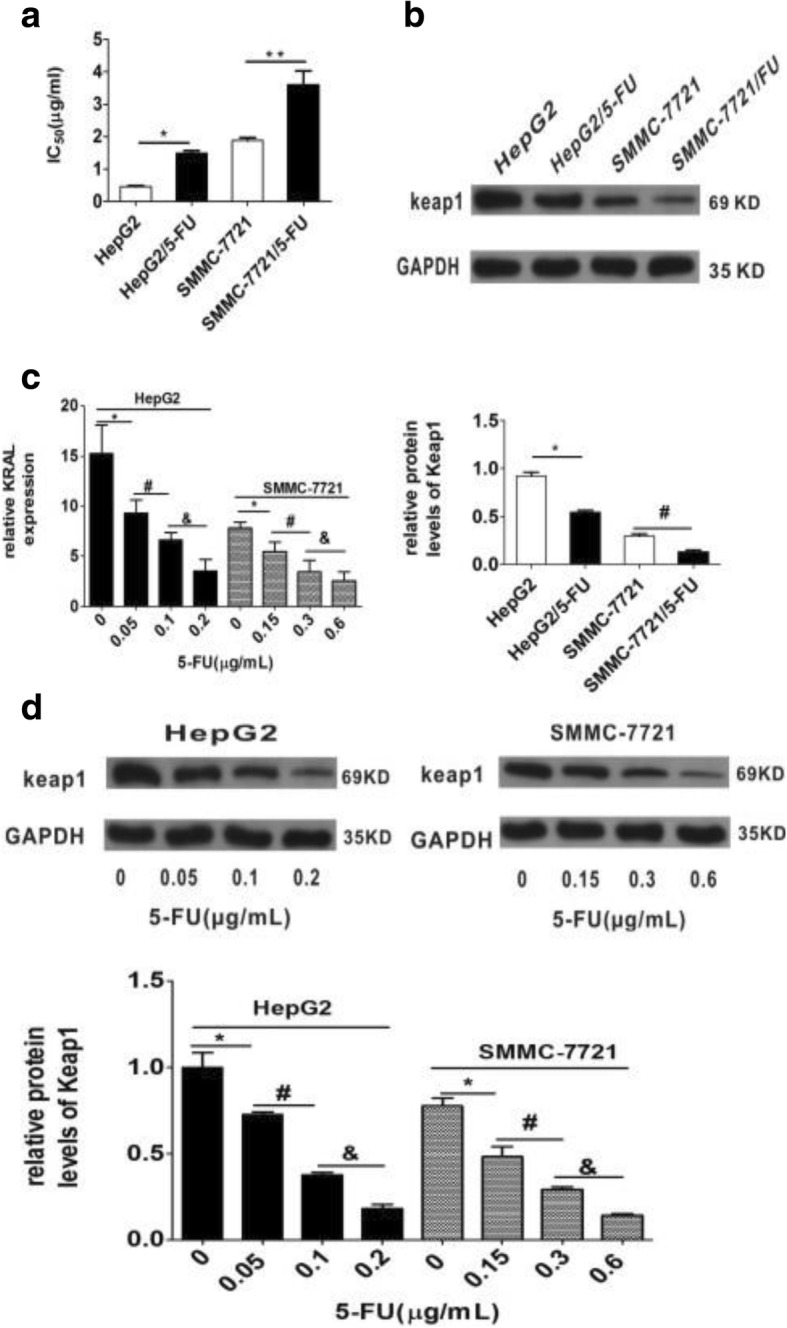
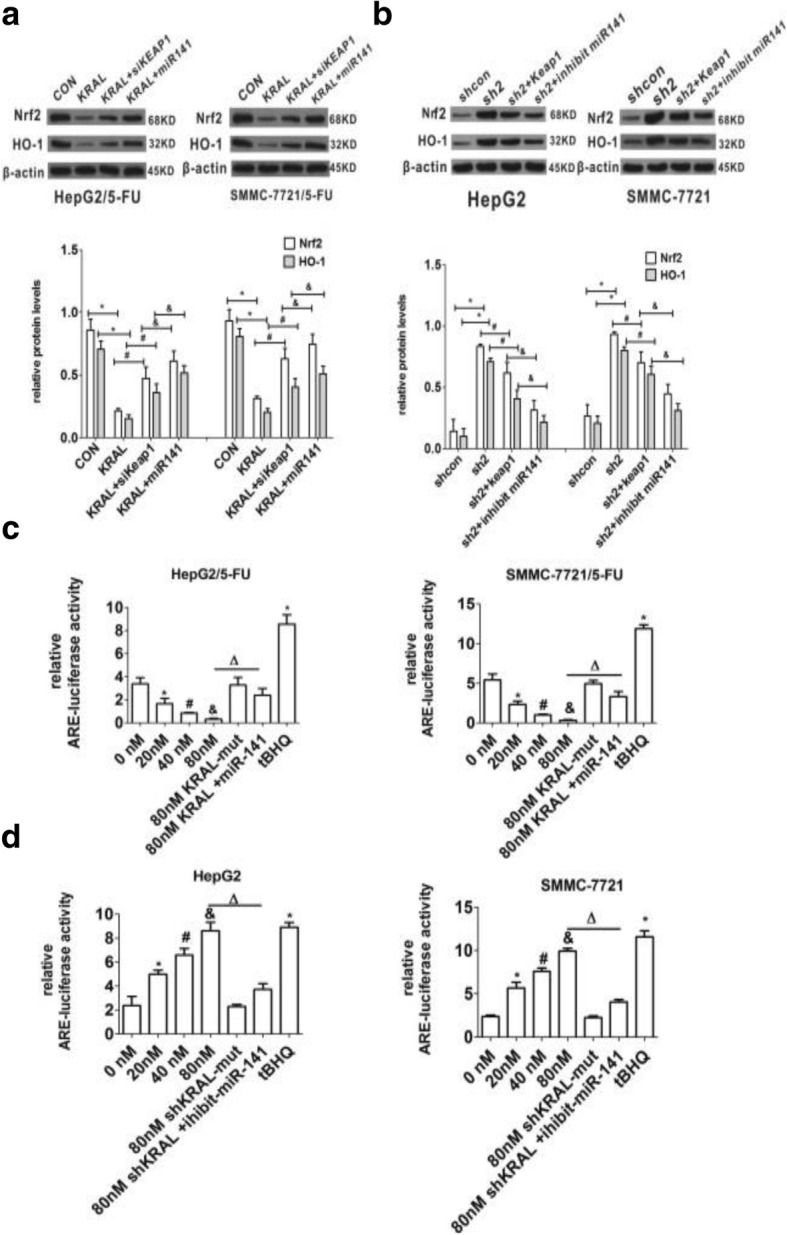
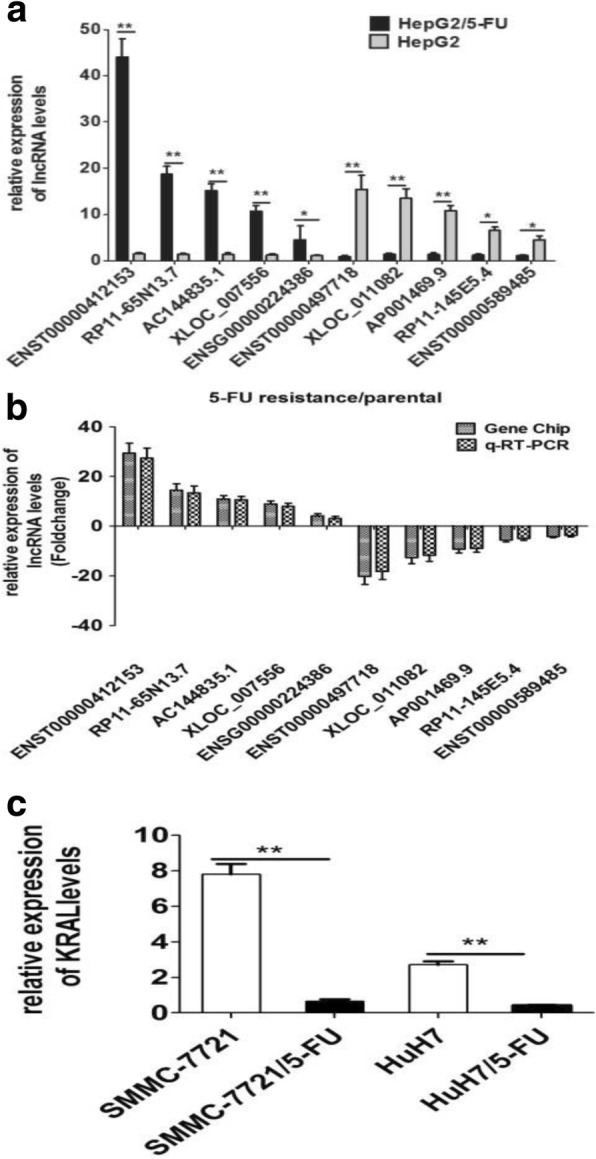
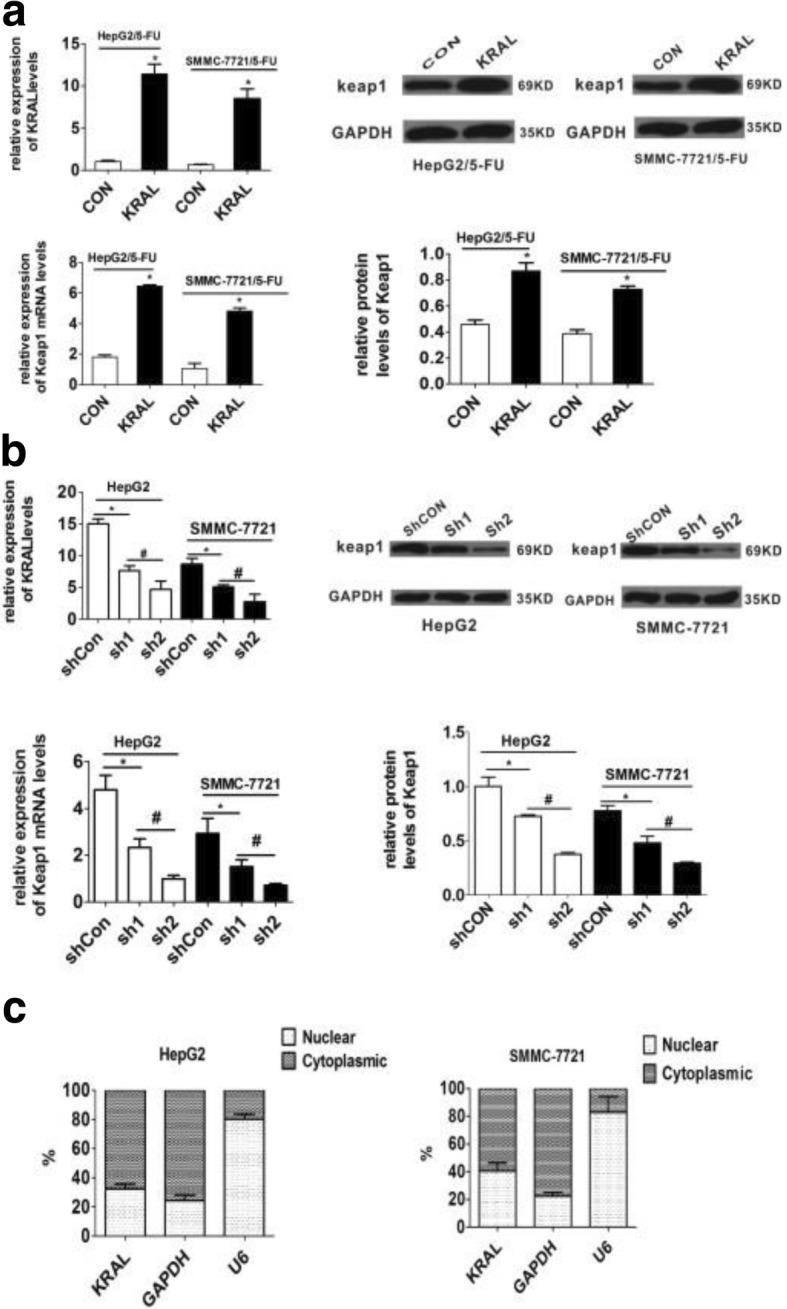
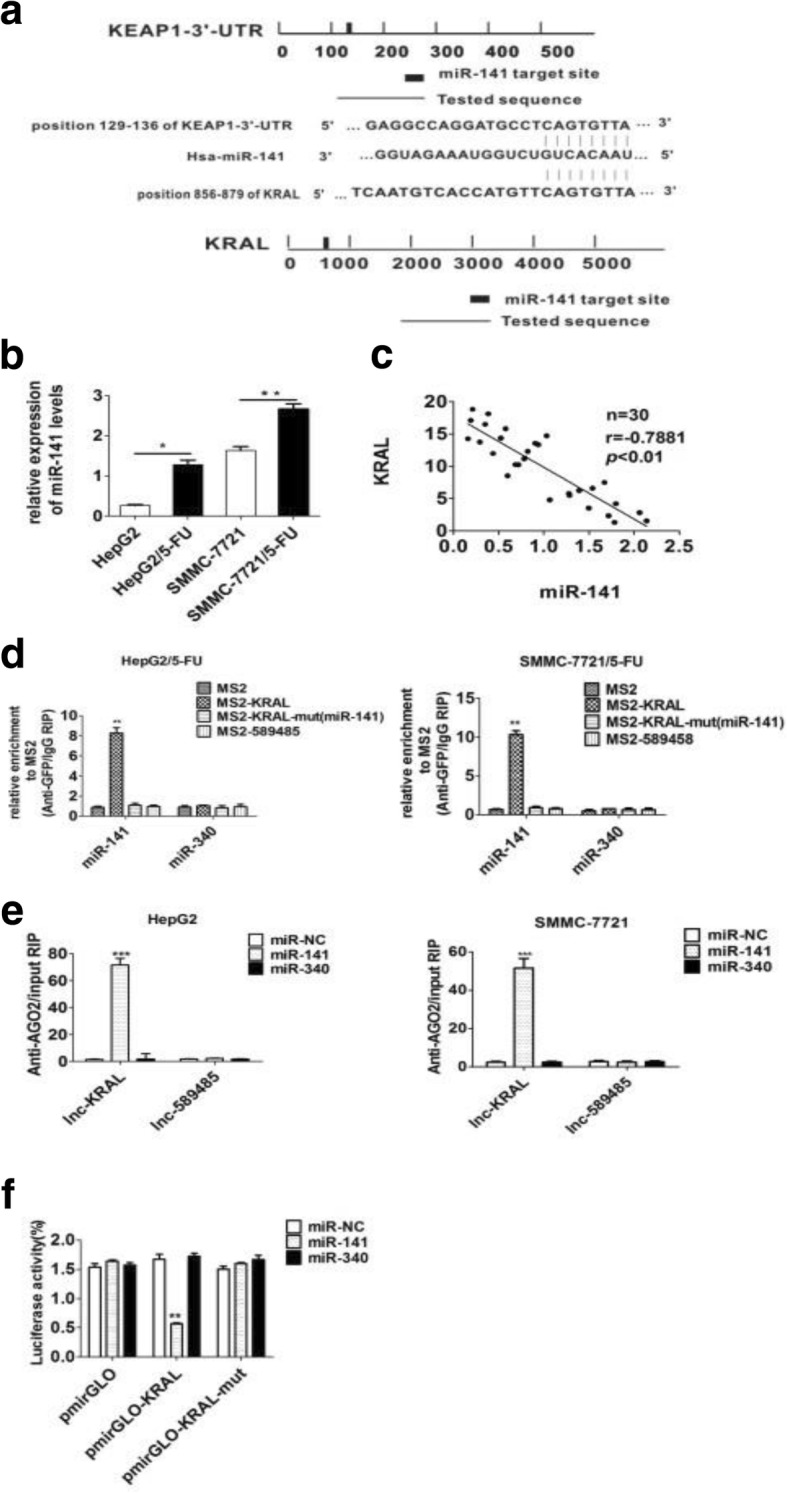
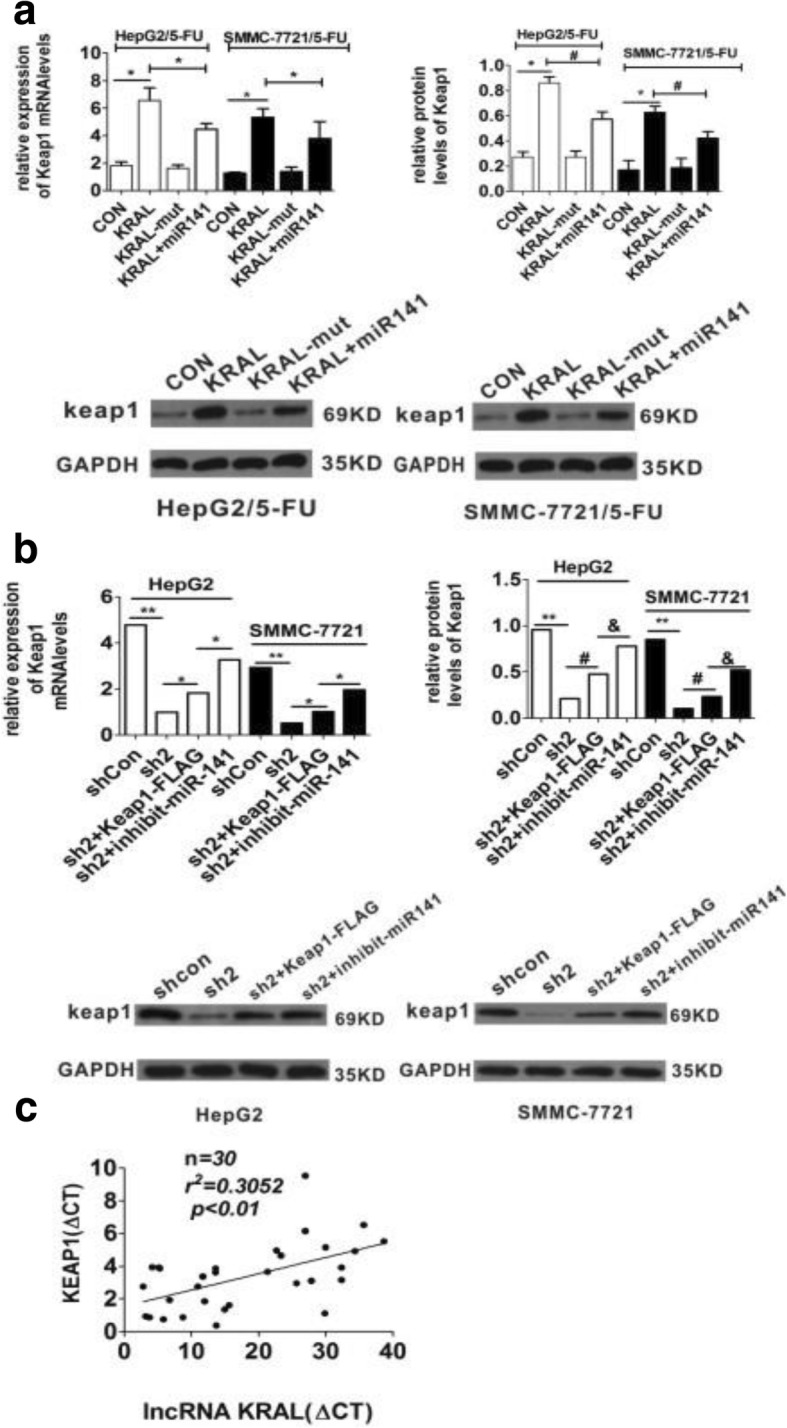
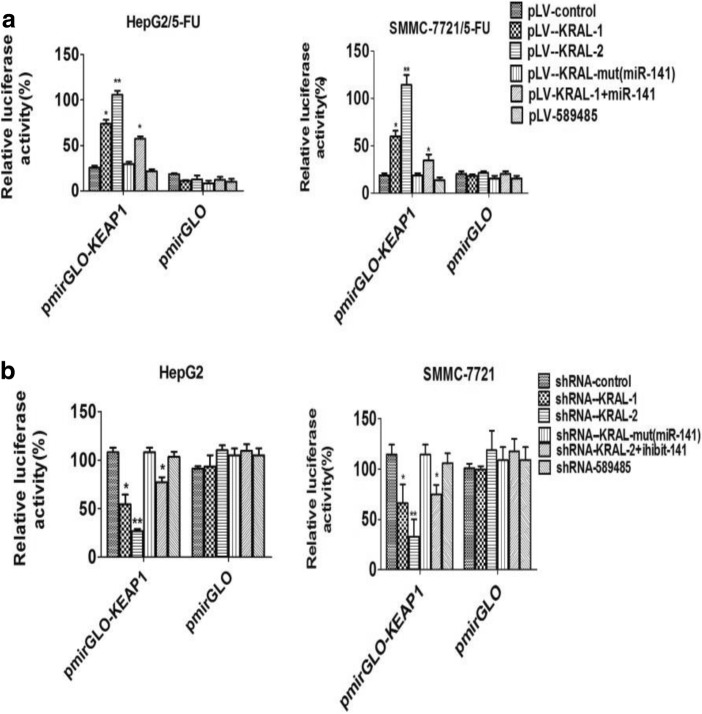
The quantitative analysis indicated that KRAL and Keap1 were significantly decreased and that Nrf2 was increased in HepG2/5-FU and SMMC-7721/5-FU cells compared with the corresponding expression levels in the respective parental cells. Overexpression of KRAL increased Keap1 expression, and inactivating the Nrf2-dependent antioxidant pathway could reverse the resistance of HepG2/5-FU and SMMC-7721/5-FU cells to 5-FU. Moreover, KRAL functioned as a competitive endogenous RNA (ceRNA) by effectively binding to the common miR-141 and then restoring Keap1 expression. These findings demonstrated that KRAL is an important regulator of Keap1; furthermore, the ceRNA network involving KRAL may serve as a treatment strategy against 5-FU resistance in hepatocellular carcinoma cells.
KRAL/miR-141/Keap1 axis mediates 5-fluorouracil resistance in HCC cell lines.
5-氟尿嘧啶(5-FU)已被广泛应用于治疗各种类型的癌症,包括肝细胞癌(HCC)。然而,原发性或获得性 5-FU 耐药性阻止了该药物在癌症治疗中的临床应用。在此,我们的研究首次表明,长链非编码 RNA(lncRNA)KRAL 的低表达通过 miR-141/Keap1 轴介导 HCC 中的 5-FU 耐药性。
通过细胞增殖实验、western blot 分析、qRT-PCR、双荧光素酶报告基因检测和 RNA 免疫沉淀实验来研究 KRAL 通过何种机制在 HCC 细胞系中介导 5-氟尿嘧啶耐药性。
定量分析表明,与相应的亲本细胞相比,HepG2/5-FU 和 SMMC-7721/5-FU 细胞中 KRAL 和 Keap1 显著降低,而 Nrf2 增加。KRAL 的过表达增加了 Keap1 的表达,而抑制 Nrf2 依赖性抗氧化途径可以逆转 HepG2/5-FU 和 SMMC-7721/5-FU 细胞对 5-FU 的耐药性。此外,KRAL 通过有效结合共同的 miR-141 作为竞争性内源 RNA(ceRNA),从而恢复 Keap1 的表达。这些发现表明 KRAL 是 Keap1 的重要调节剂;此外,涉及 KRAL 的 ceRNA 网络可能成为治疗肝细胞癌细胞中 5-FU 耐药性的策略。
KRAL/miR-141/Keap1 轴介导 HCC 细胞系中的 5-氟尿嘧啶耐药性。