Neuroscience Institute, New York University Langone Medical Center, New York, United States.
Department of Civil, Environmental and Architectural Engineering, University of Colorado Boulder, Boulder, United States.
Elife. 2018 Aug 21;7:e37815. doi: 10.7554/eLife.37815.
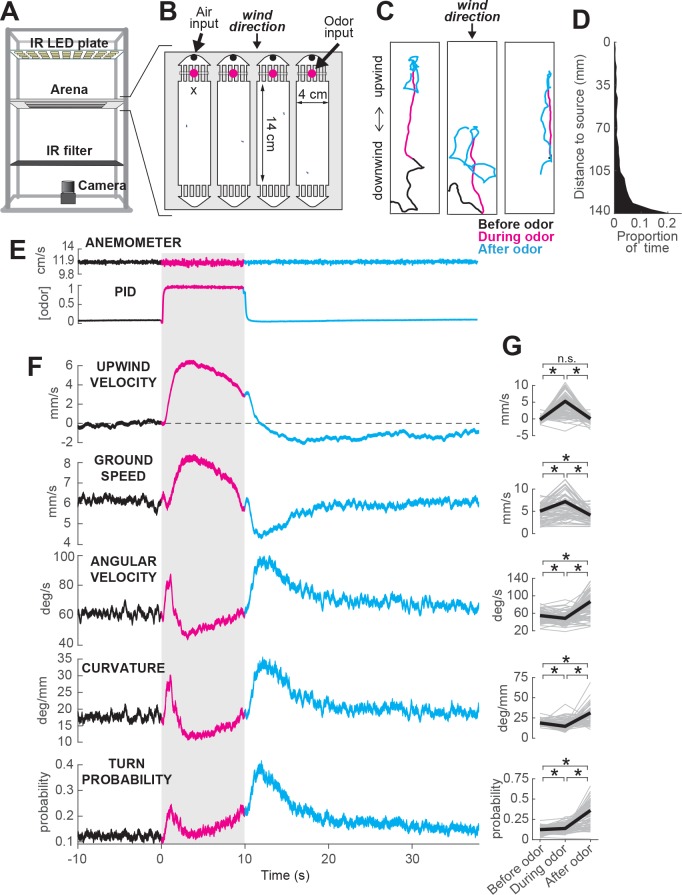
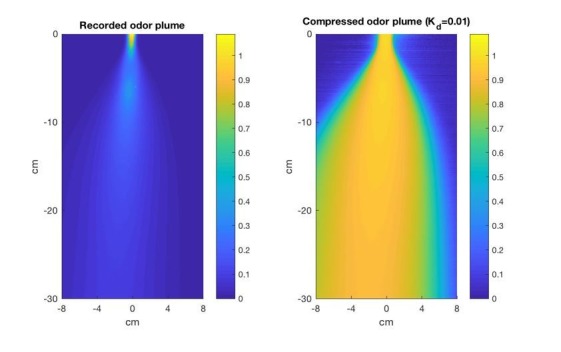
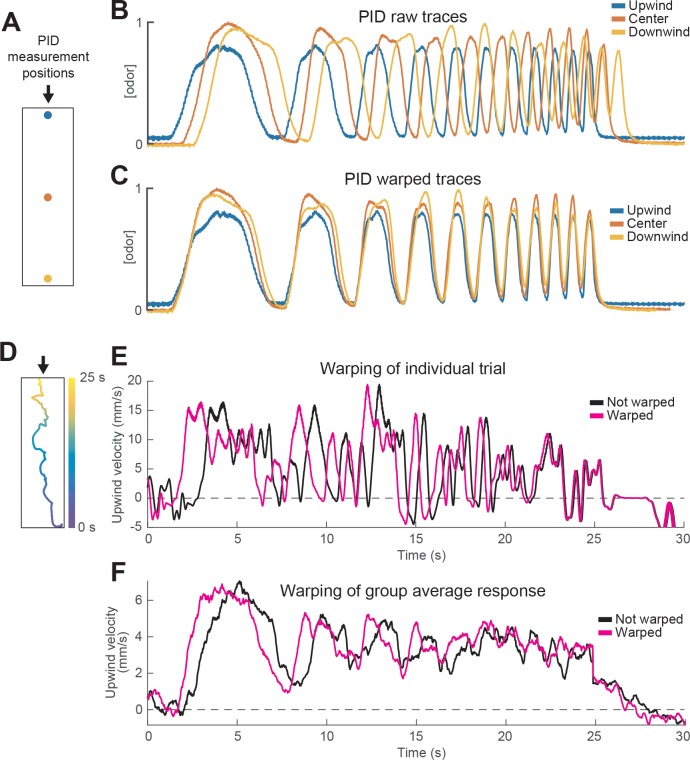
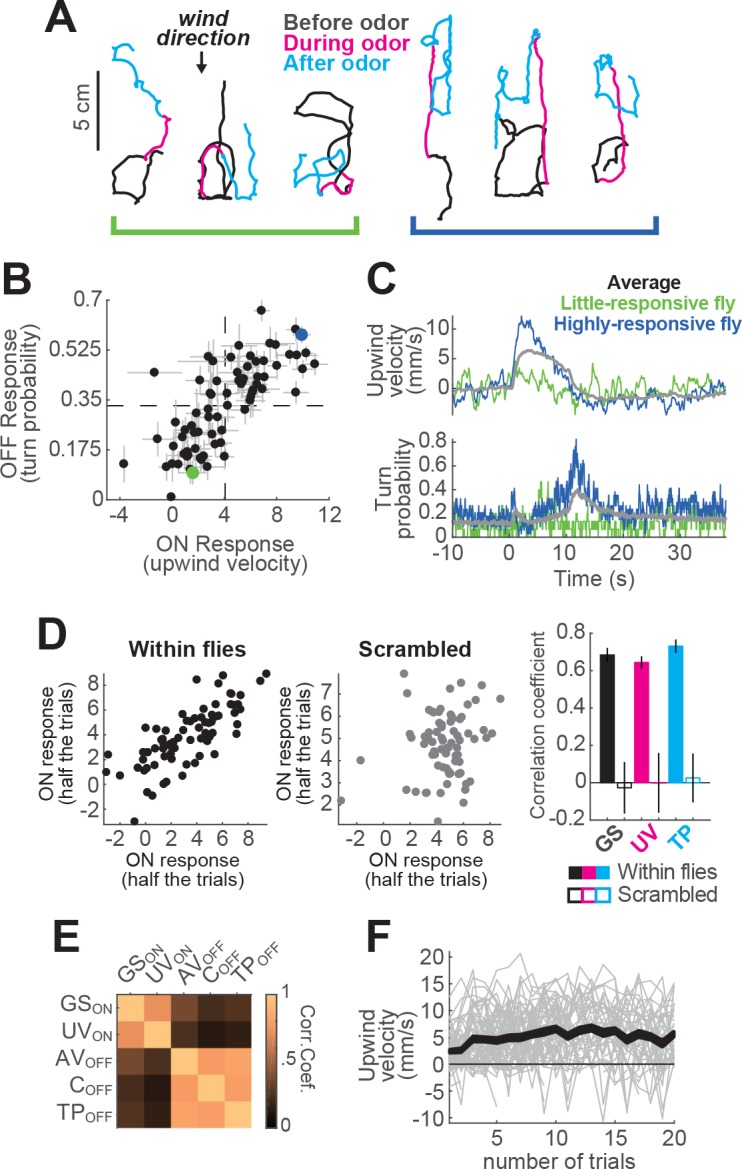
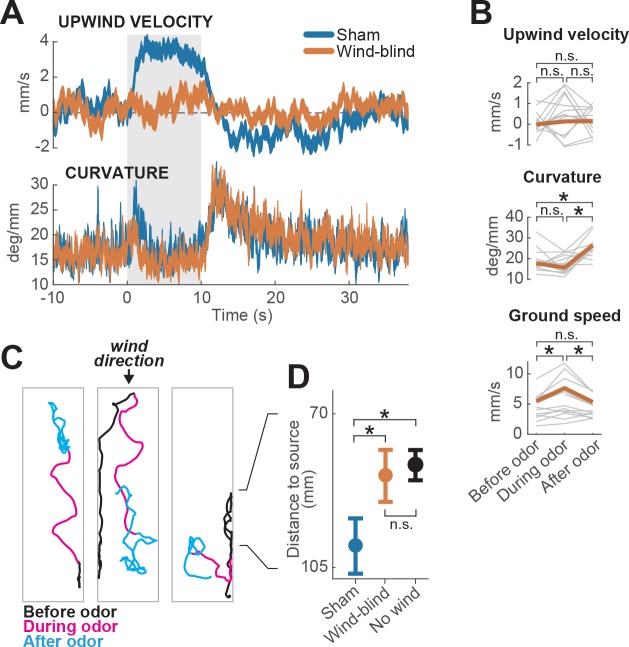
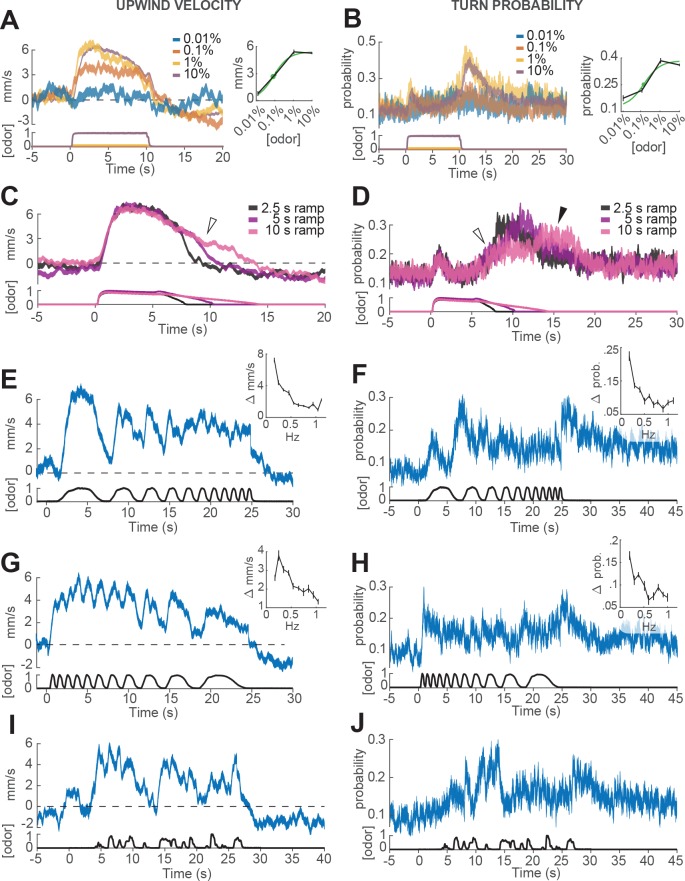
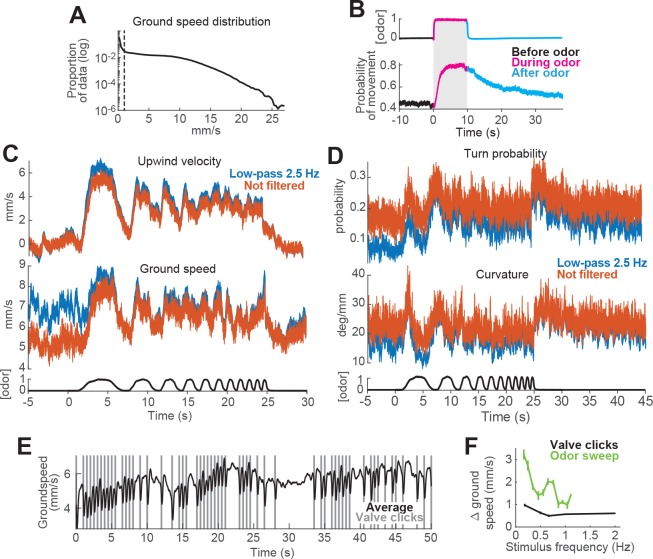
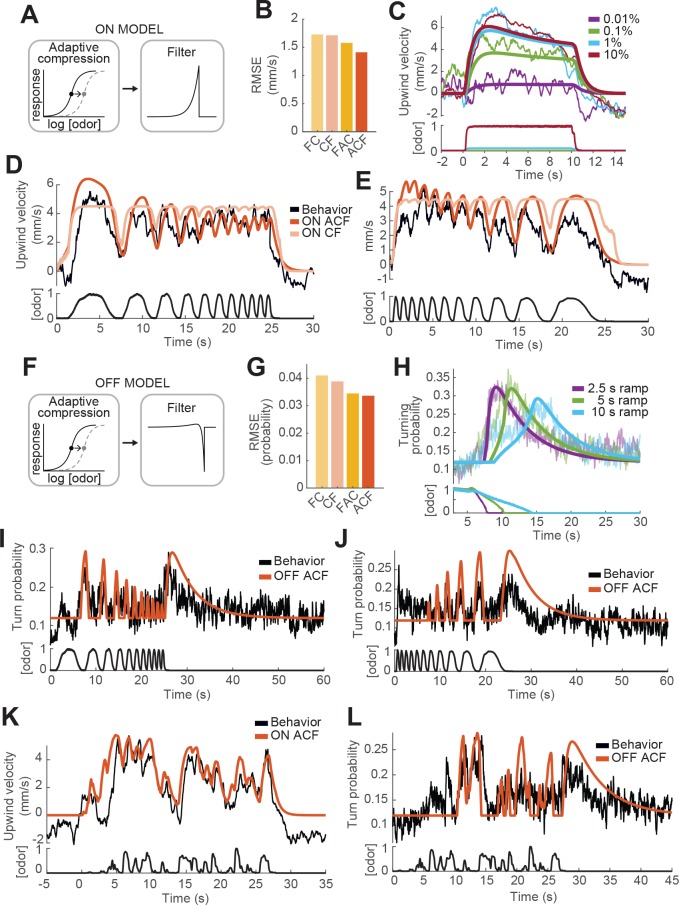
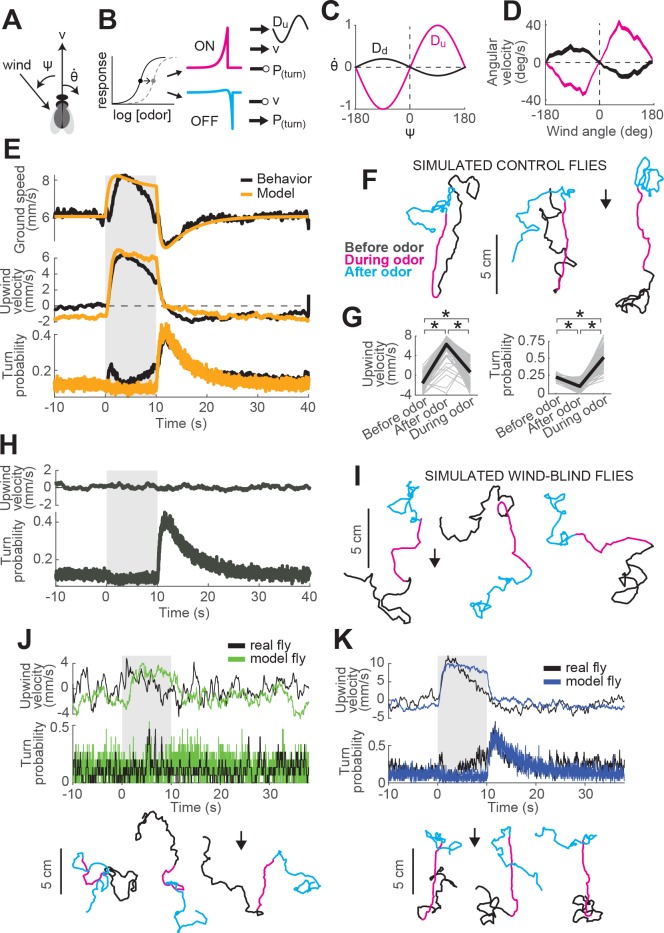
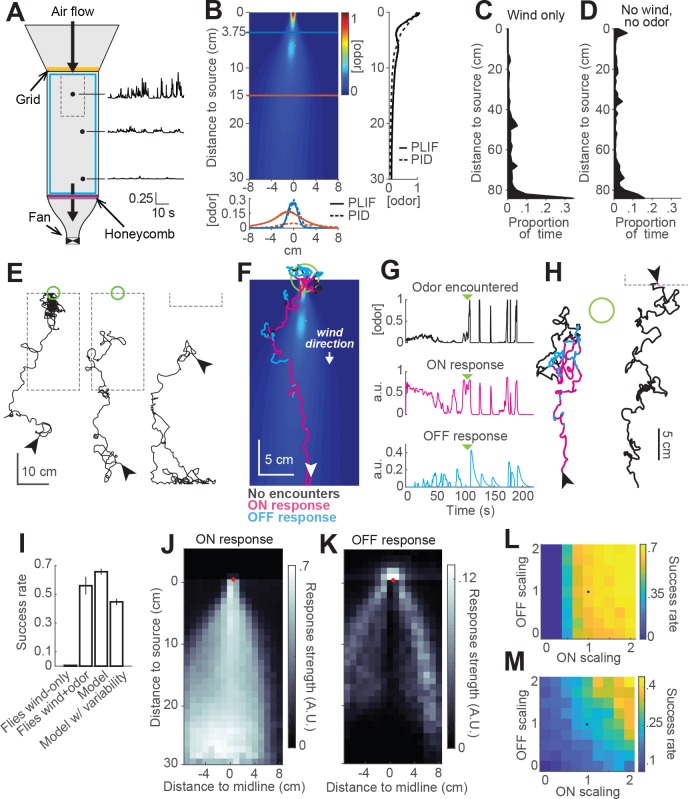
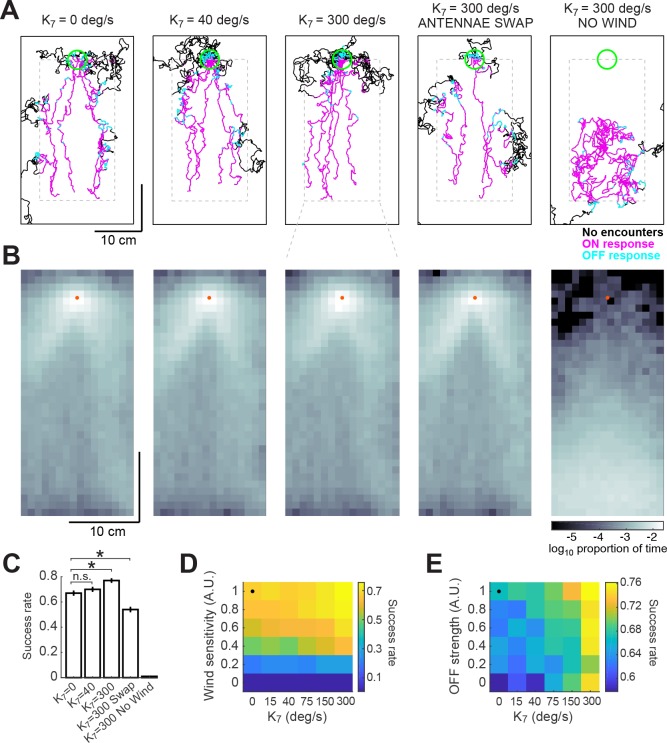
Odor attraction in walking is commonly used to relate neural function to behavior, but the algorithms underlying attraction are unclear. Here, we develop a high-throughput assay to measure olfactory behavior in response to well-controlled sensory stimuli. We show that odor evokes two behaviors: an upwind run during odor (ON response), and a local search at odor offset (OFF response). Wind orientation requires antennal mechanoreceptors, but search is driven solely by odor. Using dynamic odor stimuli, we measure the dependence of these two behaviors on odor intensity and history. Based on these data, we develop a navigation model that recapitulates the behavior of flies in our apparatus, and generates realistic trajectories when run in a turbulent boundary layer plume. The ability to parse olfactory navigation into quantifiable elementary sensori-motor transformations provides a foundation for dissecting neural circuits that govern olfactory behavior.
行走中的气味吸引通常被用于将神经功能与行为联系起来,但吸引的算法尚不清楚。在这里,我们开发了一种高通量测定法来测量对精心控制的感官刺激的嗅觉行为。我们表明,气味会引发两种行为:在气味时的顺风跑(ON 反应),以及在气味结束时的局部搜索(OFF 反应)。风向定位需要触角机械感受器,但搜索仅由气味驱动。使用动态气味刺激,我们测量了这两种行为对气味强度和历史的依赖性。基于这些数据,我们开发了一个导航模型,该模型再现了我们仪器中苍蝇的行为,并在湍流边界层羽流中运行时生成了现实的轨迹。将嗅觉导航分解为可量化的基本感觉-运动转换的能力为剖析控制嗅觉行为的神经回路提供了基础。