College of Biomedical Engineering, Rangsit University, Pathum Thani 12000, Thailand.
Sensors (Basel). 2018 Aug 22;18(9):2757. doi: 10.3390/s18092757.
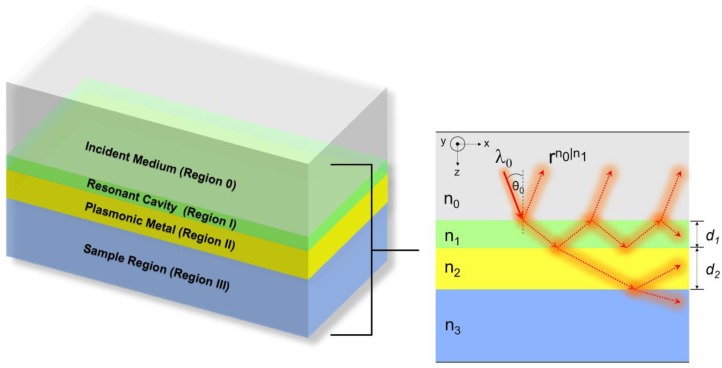
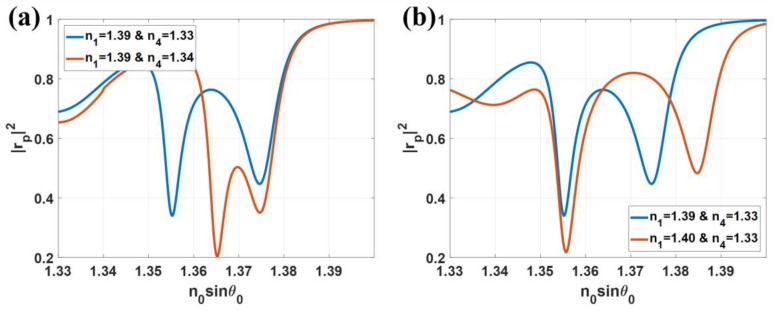
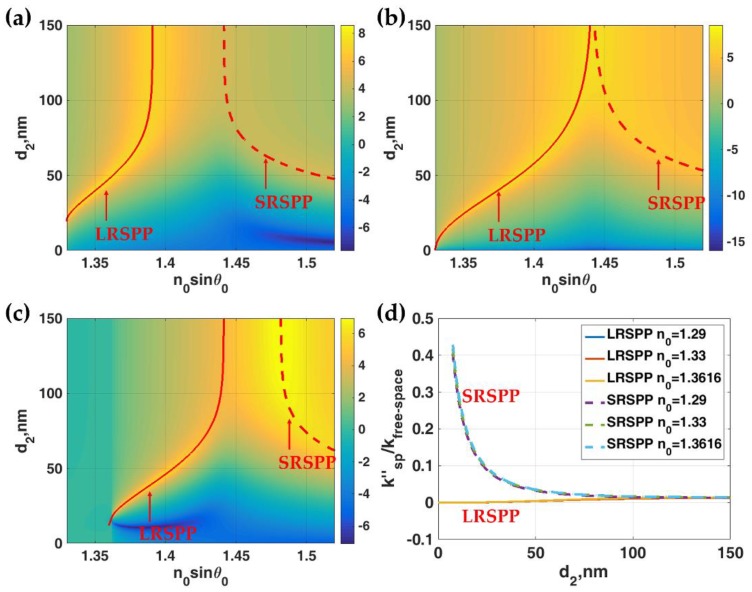
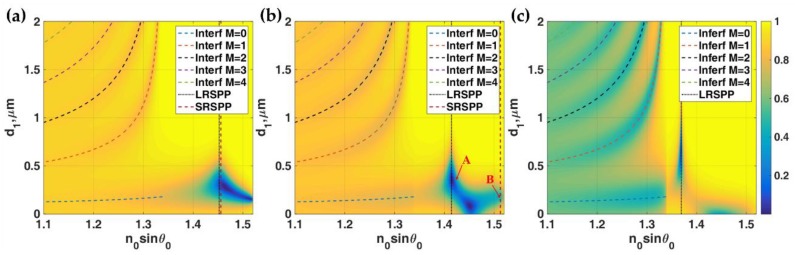
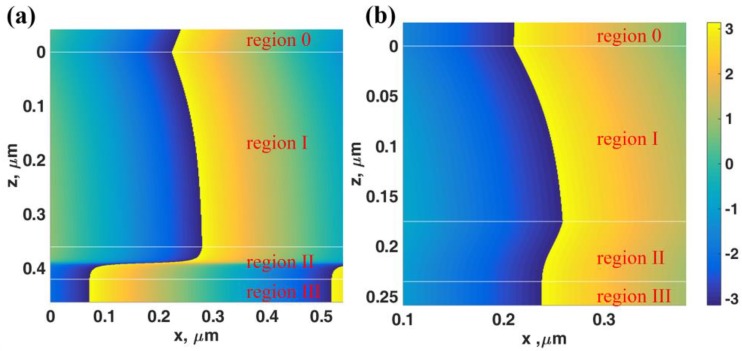
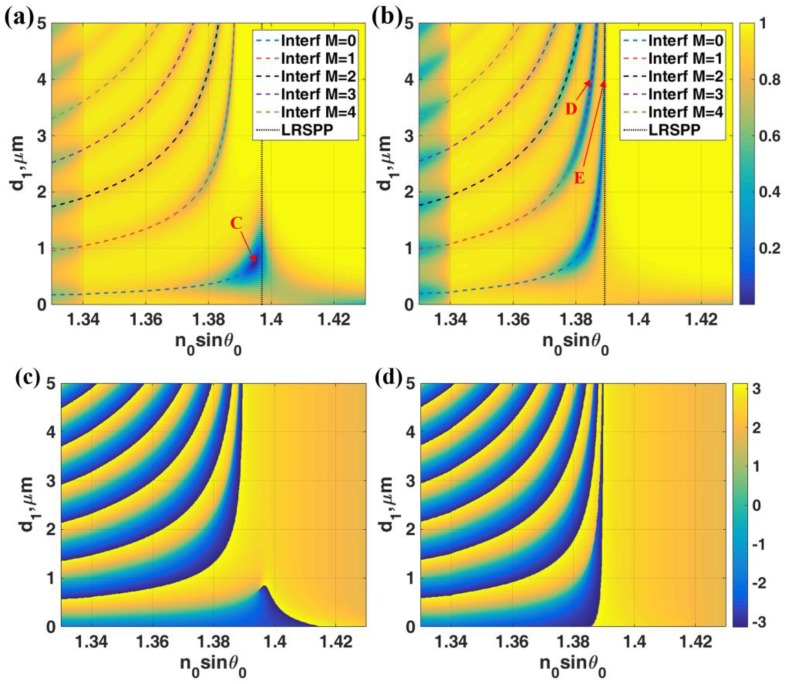
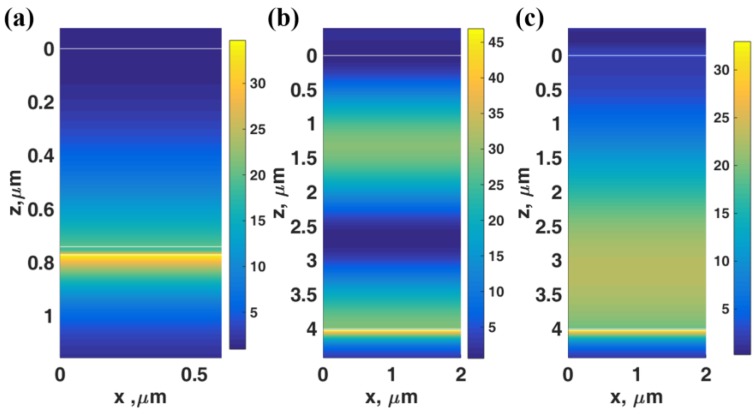
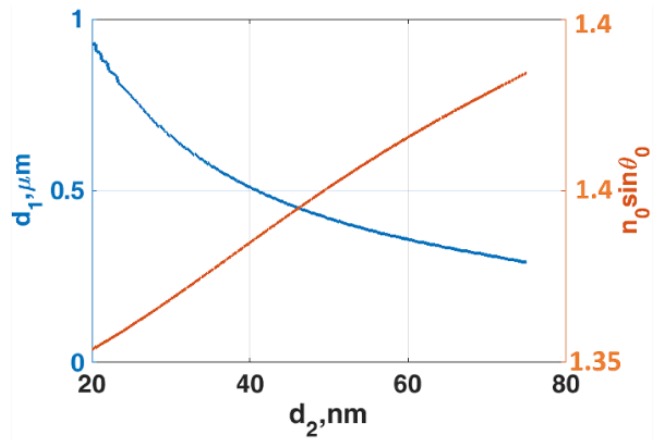
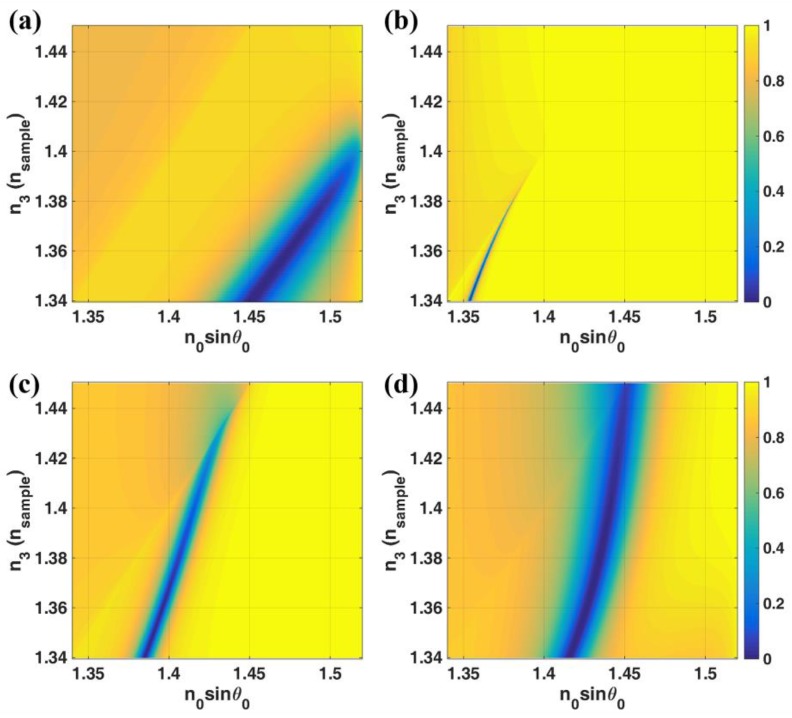
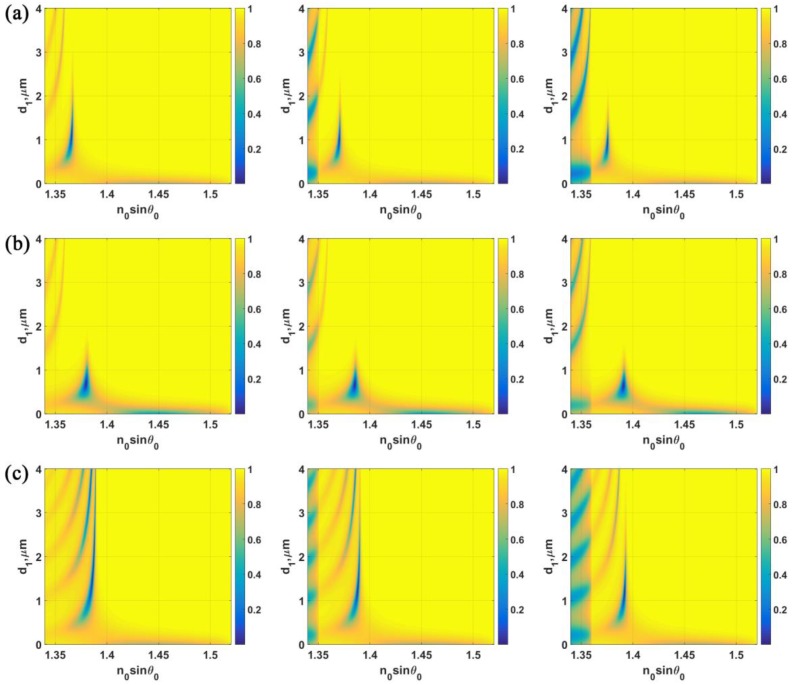
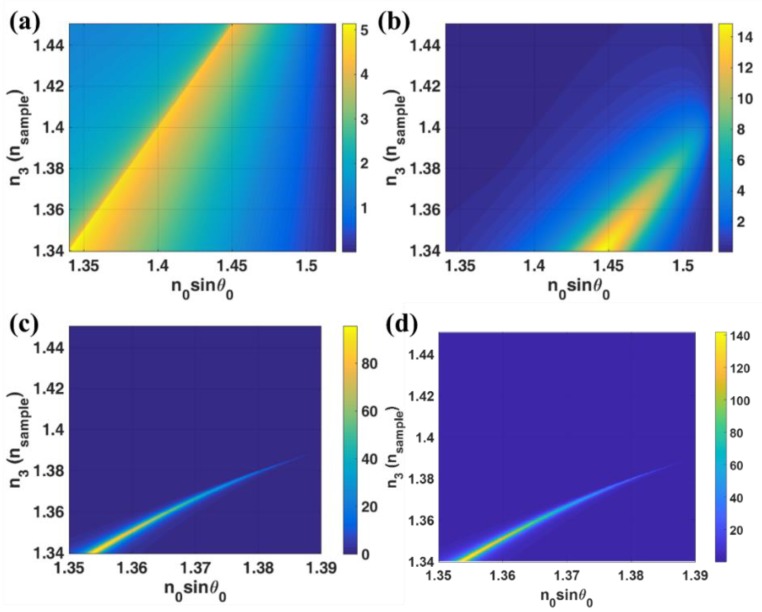
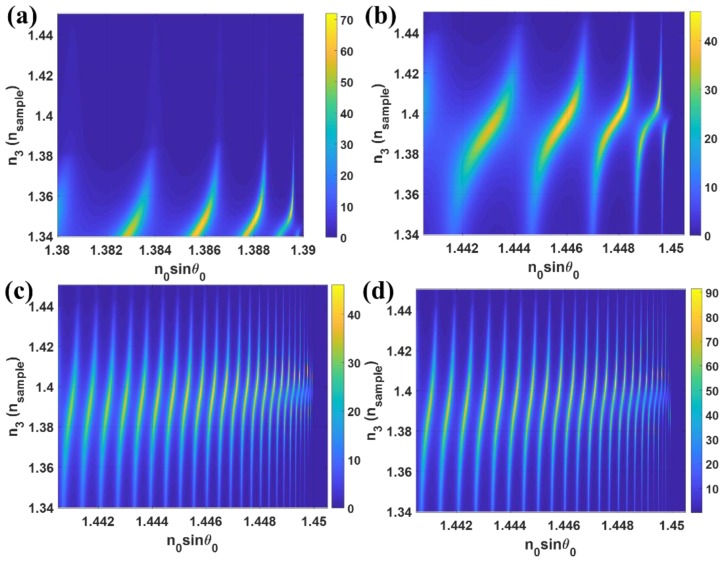
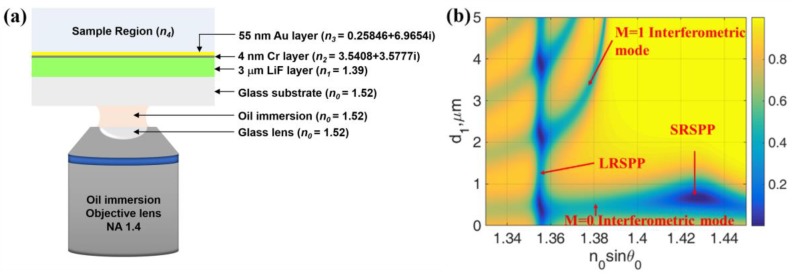
In this paper, we report a theoretical framework on the effect of multiple resonances inside the dielectric cavity of insulator-insulator-metal-insulator (IIMI)-based surface plasmon sensors. It has been very well established that the structure can support both long-range surface plasmon polaritons (LRSPP) and short-range surface plasmon polaritons (SRSPP). We found that the dielectric resonant cavity under certain conditions can be employed as a resonator to enhance the LRSPP properties. These conditions are: (1) the refractive index of the resonant cavity was greater than the refractive index of the sample layer and (2) when light propagated in the resonant cavity and was evanescent in the sample layer. We showed through the analytical calculation using Fresnel equations and rigorous coupled wave theory that the proposed structure with the mentioned conditions can extend the dynamic range of LRSPP excitation and enhance at least five times more plasmon intensity on the surface of the metal compared to the surface plasmon excited by the conventional Kretschmann configuration. It can enhance the dip sensitivity and the dynamic range in refractive index sensing without losing the sharpness of the LRSPP dip. We also showed that the interferometric modes in the cavity can be insensitive to the surface plasmon modes. This allowed a self-referenced surface plasmon resonance structure, in which the interferometric mode measured changes in the sensor structure and the enhanced LRSPP measured changes in the sample channel.
在本文中,我们报告了一个关于基于绝缘体-绝缘体-金属-绝缘体(IIMI)的表面等离激元传感器介电腔内多共振影响的理论框架。已经非常清楚的是,该结构可以支持远程表面等离激元激子(LRSPP)和短程表面等离激元激子(SRSPP)。我们发现,在某些条件下,介电谐振腔可以用作增强 LRSPP 特性的谐振器。这些条件是:(1)谐振腔的折射率大于样品层的折射率;(2)当光在谐振腔内传播且在样品层中渐逝时。我们通过使用菲涅耳方程和严格耦合波理论进行的分析计算表明,在所提到的条件下,具有这种结构的可以扩展 LRSPP 激发的动态范围,并使金属表面的等离子体强度增强至少五倍,与传统的克来斯提配置激发的表面等离子体相比。它可以增强折射率传感中的差分灵敏度和动态范围,而不会损失 LRSPP 峰的锐度。我们还表明,腔内的干涉模式对表面等离子体模式不敏感。这允许使用自参考表面等离子体共振结构,其中干涉模式测量传感器结构的变化,而增强的 LRSPP 测量样品通道的变化。