Division of Life Science, Applied Genomics Centre and Centre for Statistical Science, Hong Kong University of Science and Technology, Clear Water Bay, Kowloon, Hong Kong, China.
Department of General Surgery, The Second Xiangya Hospital, Central South University, Changsha, Hunan, China.
Hum Genomics. 2018 Aug 22;12(1):40. doi: 10.1186/s40246-018-0170-6.
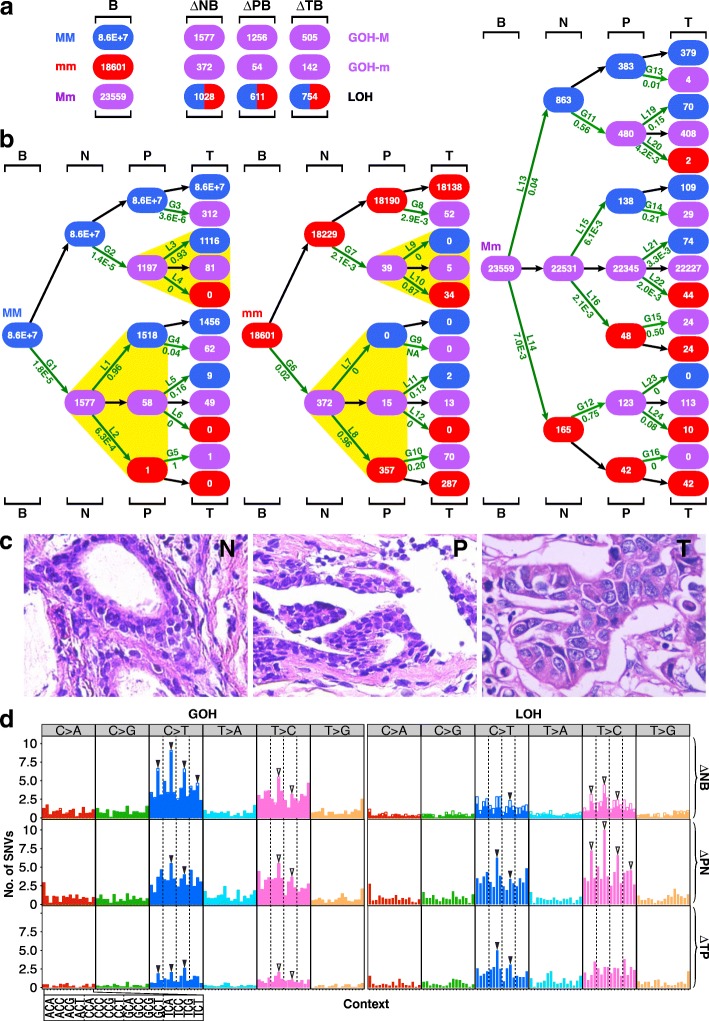
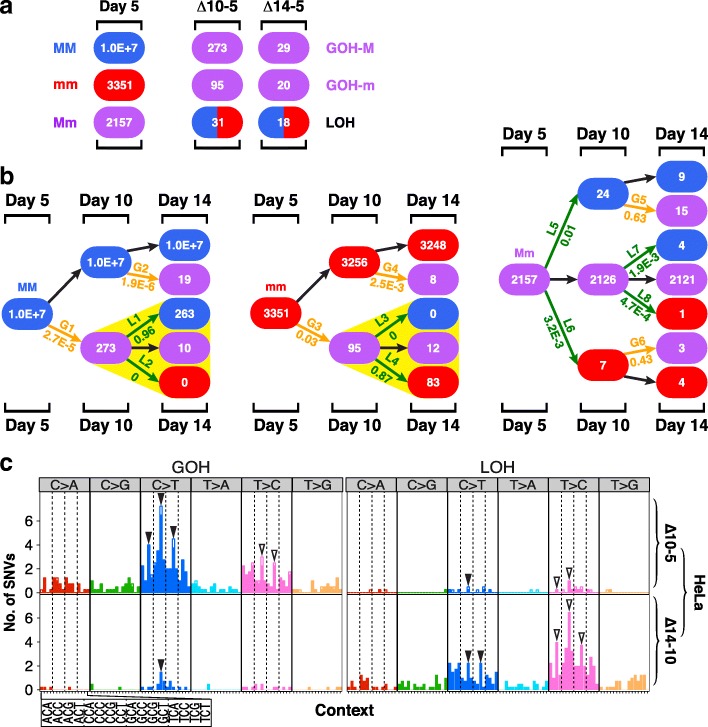
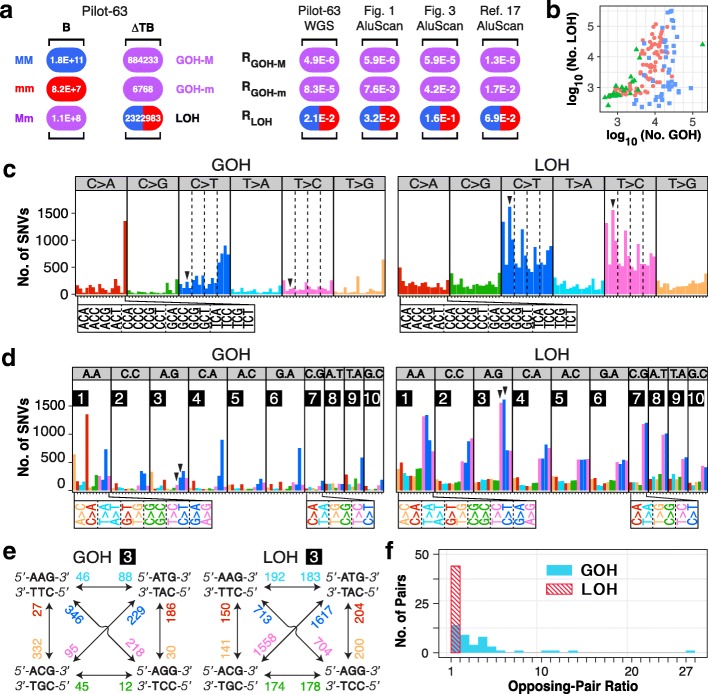
Massive occurrences of interstitial loss of heterozygosity (LOH) likely resulting from gene conversions were found by us in different cancers as a type of single-nucleotide variations (SNVs), comparable in abundance to the commonly investigated gain of heterozygosity (GOH) type of SNVs, raising the question of the relationships between these two opposing types of cancer mutations.
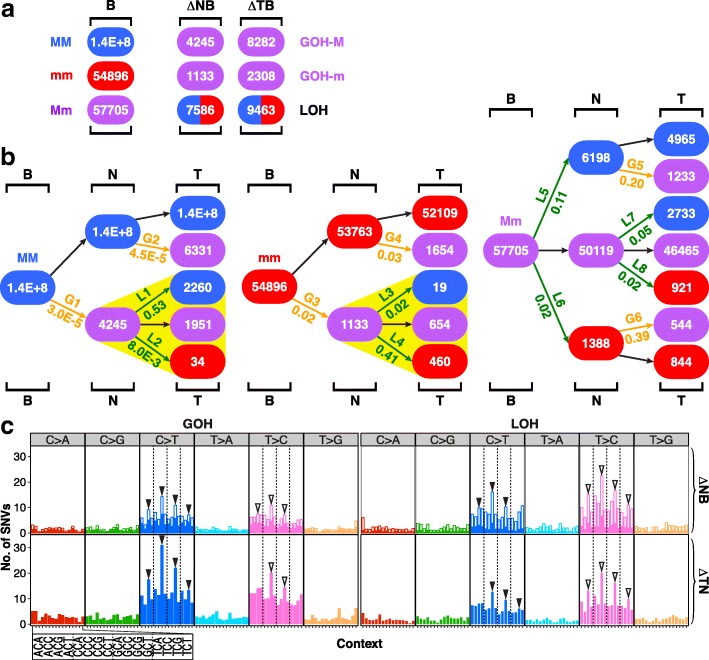
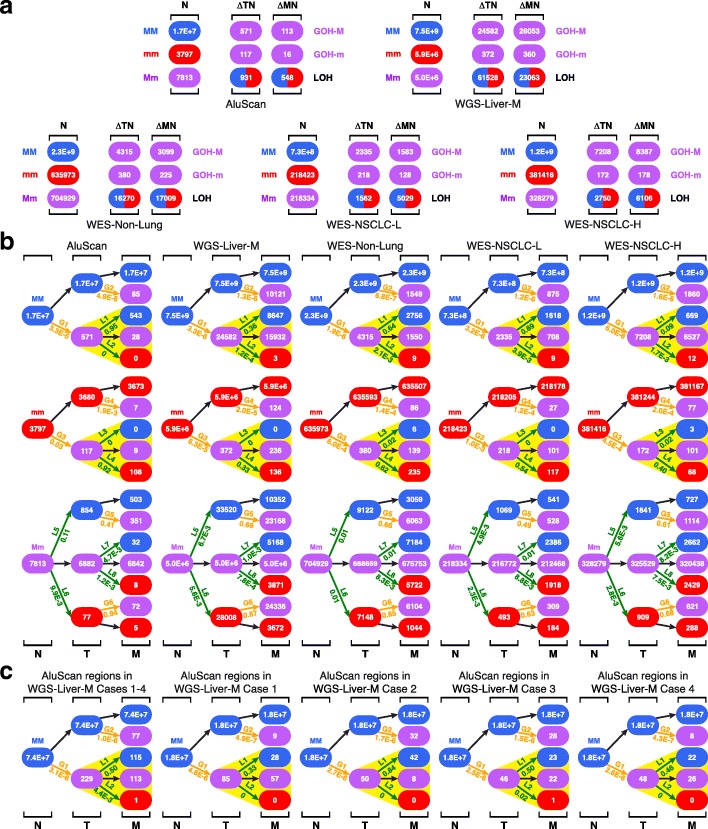
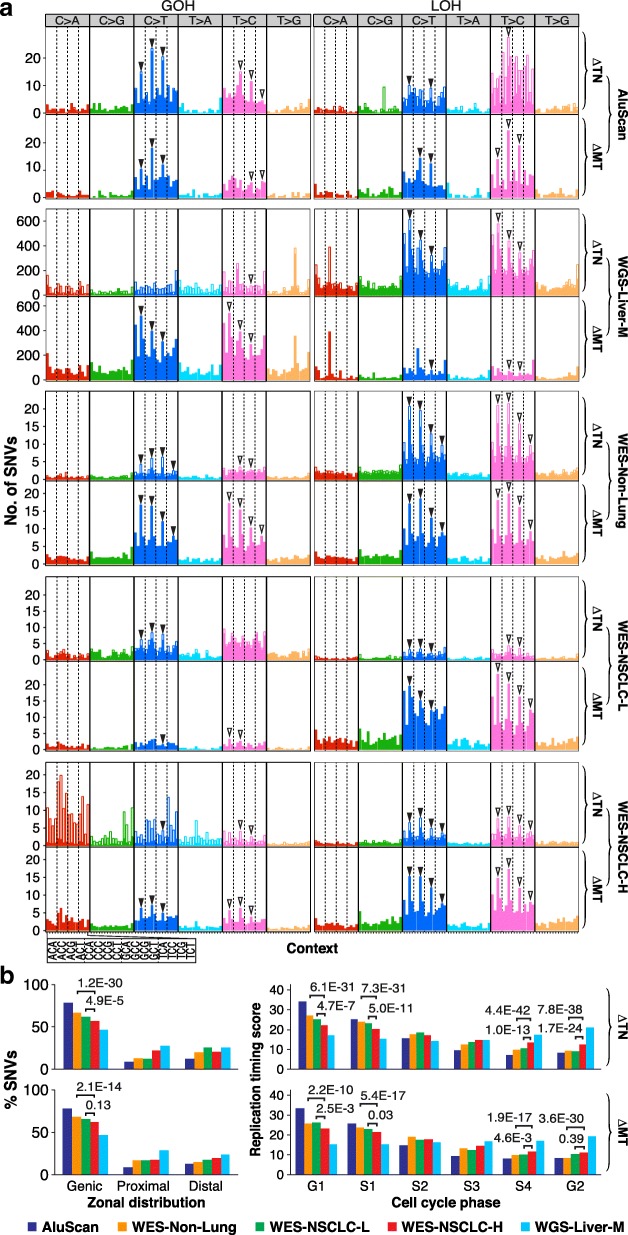
In the present study, SNVs in 12 tetra sample and 17 trio sample sets from four cancer types along with copy number variations (CNVs) were analyzed by AluScan sequencing, comparing tumor with white blood cells as well as tissues vicinal to the tumor. Four published "nontumor"-tumor metastasis trios and 246 pan-cancer pairs analyzed by whole-genome sequencing (WGS) and 67 trios by whole-exome sequencing (WES) were also examined.
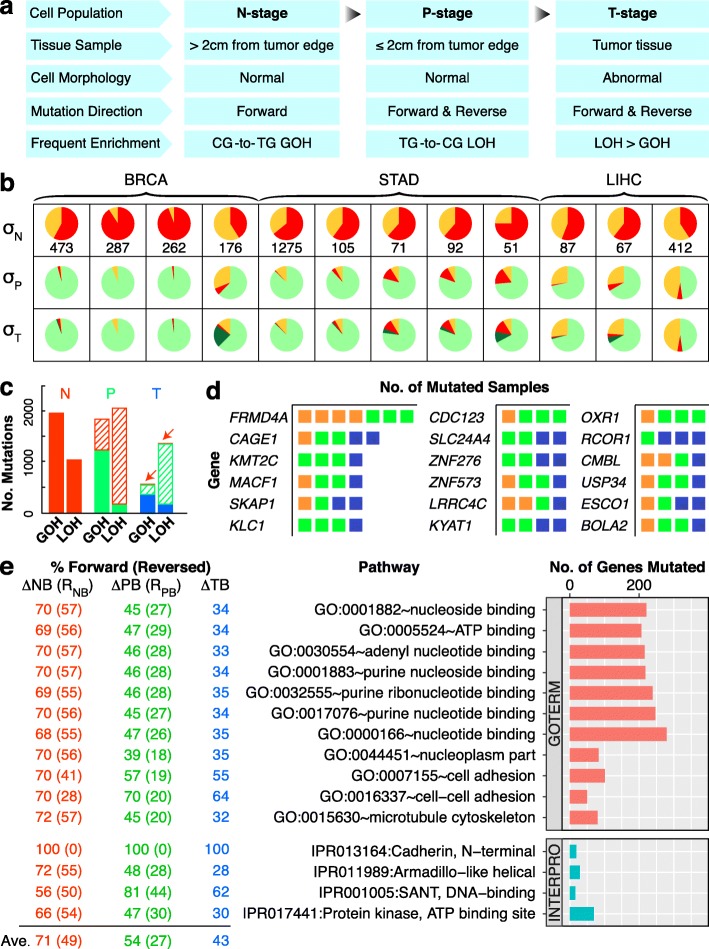
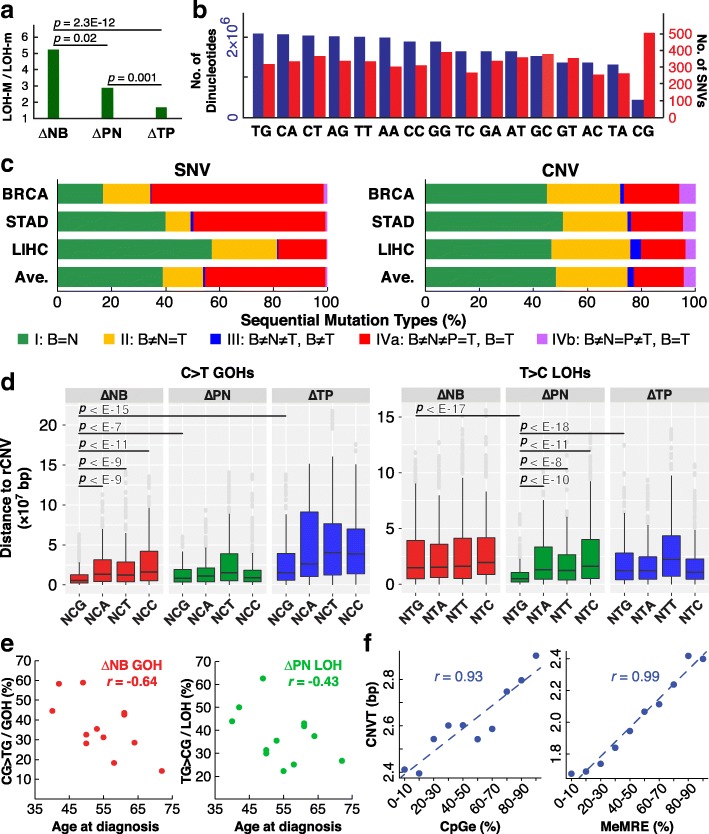
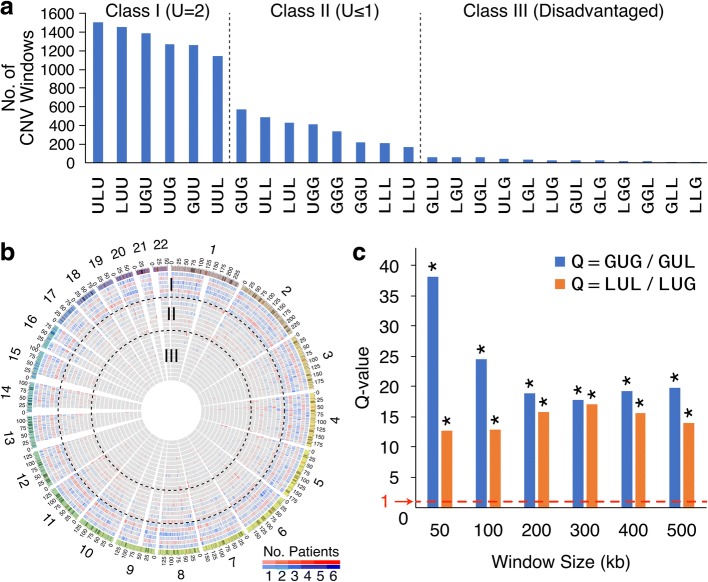
Widespread GOHs enriched with CG-to-TG changes and associated with nearby CNVs and LOHs enriched with TG-to-CG changes were observed. Occurrences of GOH were 1.9-fold higher than LOH in "nontumor" tissues more than 2 cm away from the tumors, and a majority of these GOHs and LOHs were reversed in "paratumor" tissues within 2 cm of the tumors, forming forward-reverse mutation cycles where the revertant LOHs displayed strong lineage effects that pointed to a sequential instead of parallel development from "nontumor" to "paratumor" and onto tumor cells, which was also supported by the relative frequencies of 26 distinct classes of CNVs between these three types of cell populations.
These findings suggest that developing cancer cells undergo sequential changes that enable the "nontumor" cells to acquire a wide range of forward mutations including ones that are essential for oncogenicity, followed by revertant mutations in the "paratumor" cells to avoid growth retardation by excessive mutation load. Such utilization of forward-reverse mutation cycles as an adaptive mechanism was also observed in cultured HeLa cells upon successive replatings. An understanding of forward-reverse mutation cycles in cancer development could provide a genomic basis for improved early diagnosis, staging, and treatment of cancers.
我们在不同癌症中发现大量的杂合性丢失(LOH),这可能是由基因转换引起的,这种 LOEH 是一种单核苷酸变异(SNV),其丰度与通常研究的杂合性增益(GOH)类型的 SNV 相当,这引发了关于这两种相反类型的癌症突变之间关系的问题。
在本研究中,我们通过 AluScan 测序分析了来自四种癌症类型的 12 个四联体样本和 17 个三联体样本的 SNVs,以及拷贝数变异(CNVs),比较了肿瘤与白细胞以及肿瘤附近组织之间的差异。我们还分析了四个已发表的“非肿瘤”-肿瘤转移三联体和 246 个全基因组测序(WGS)和 67 个全外显子组测序(WES)的癌症三联体的 SNVs。
我们观察到广泛的 GOH 富集 CG 到 TG 变化,并与附近的 CNVs 和 LOH 富集 TG 到 CG 变化相关。在距离肿瘤超过 2cm 的“非肿瘤”组织中,GOH 的发生率比 LOH 高 1.9 倍,而在距离肿瘤 2cm 以内的“旁肿瘤”组织中,大多数 GOH 和 LOH 发生逆转,形成正向-反向突变循环,其中回复 LOH 显示出强烈的谱系效应,表明从“非肿瘤”到“旁肿瘤”再到肿瘤细胞的发展是顺序而不是平行的,这也得到了这三种细胞群体之间 26 种不同类型的 CNV 相对频率的支持。
这些发现表明,发生癌变的细胞经历了一系列的变化,使“非肿瘤”细胞获得了广泛的正向突变,包括对致癌性至关重要的突变,然后在“旁肿瘤”细胞中发生回复突变,以避免因过度突变负荷而生长迟缓。在连续传代的 HeLa 细胞中,我们也观察到这种正向-反向突变循环作为一种适应机制的利用。对癌症发展中的正向-反向突变循环的理解可以为提高癌症的早期诊断、分期和治疗提供基因组基础。