Institute of Clinical and Biomedical Sciences, University of Exeter, United Kingdom.
Wellcome Trust/ MRC Institute of Metabolic Science and Department of Medicine, University of Cambridge, United Kingdom.
Mol Metab. 2018 Nov;17:17-27. doi: 10.1016/j.molmet.2018.08.001. Epub 2018 Aug 13.
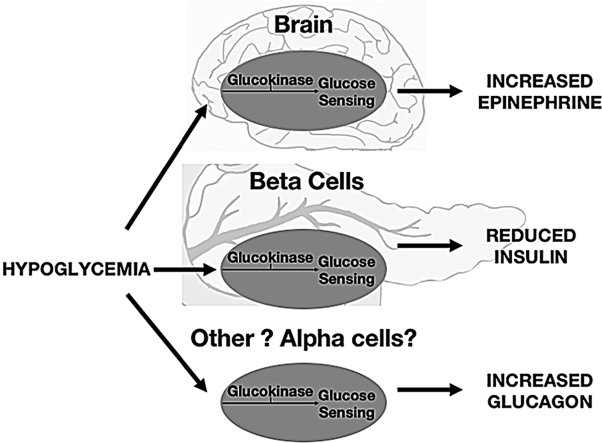
Appropriate glucose levels are essential for survival; thus, the detection and correction of low blood glucose is of paramount importance. Hypoglycemia prompts an integrated response involving reduction in insulin release and secretion of key counter-regulatory hormones glucagon and epinephrine that together promote endogenous glucose production to restore normoglycemia. However, specifically how this response is orchestrated remains to be fully clarified. The low affinity hexokinase glucokinase is found in glucose-sensing cells involved in glucose homeostasis including pancreatic β-cells and in certain brain areas. Here, we aimed to examine the role of glucokinase in triggering counter-regulatory hormonal responses to hypoglycemia, hypothesizing that reduced glucokinase activity would lead to increased and/or earlier triggering of responses.
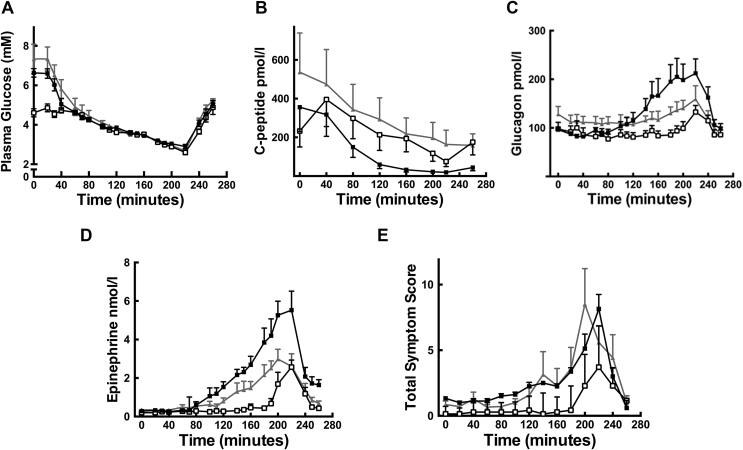
Hyperinsulinemic glucose clamps were performed to examine counter-regulatory responses to controlled hypoglycemic challenges created in humans with monogenic diabetes resulting from heterozygous glucokinase mutations (GCK-MODY). To examine the relative importance of glucokinase in different sensing areas, we then examined responses to clamped hypoglycemia in mice with molecularly defined disruption of whole body and/or brain glucokinase.
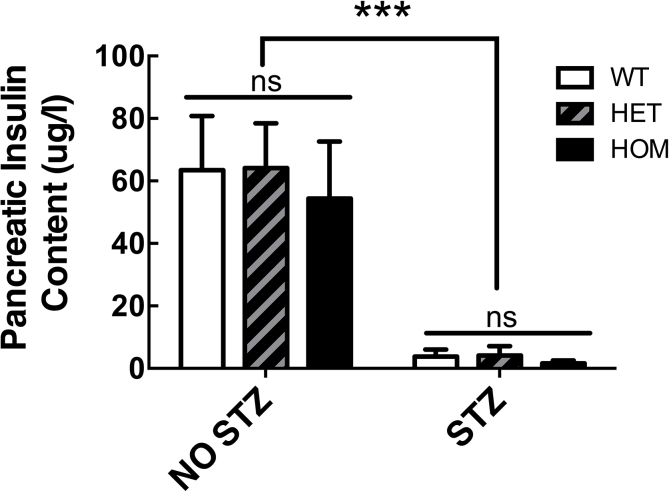
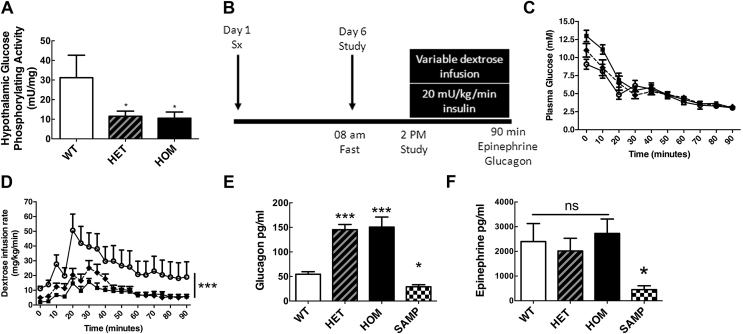
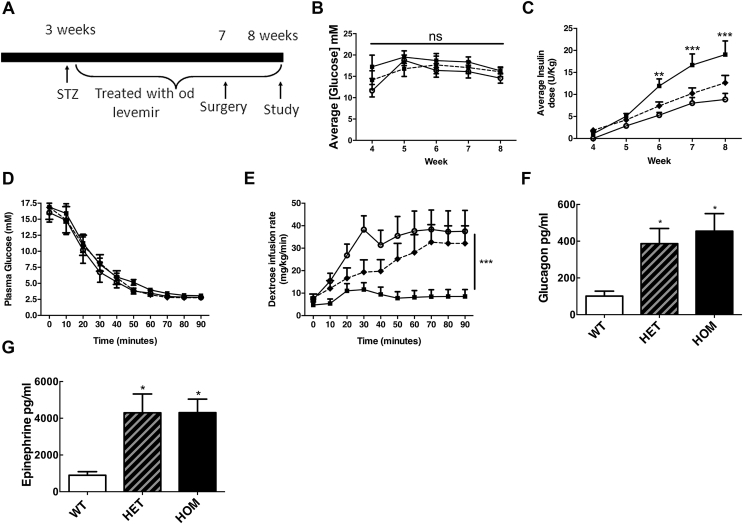
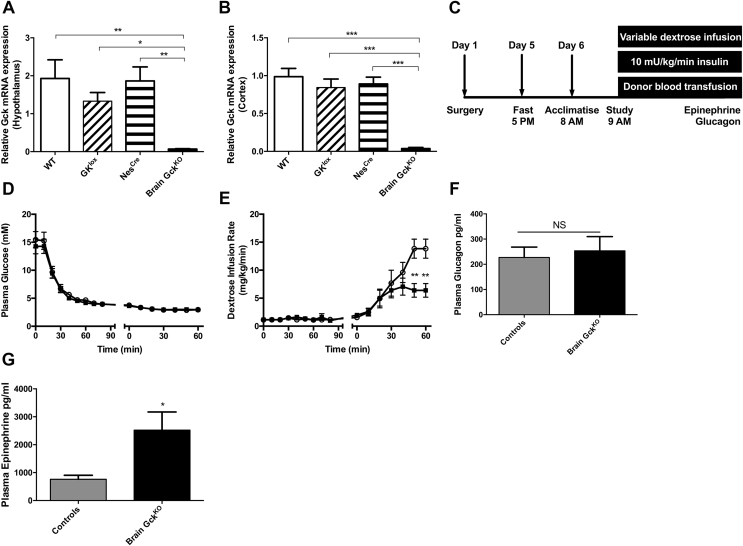
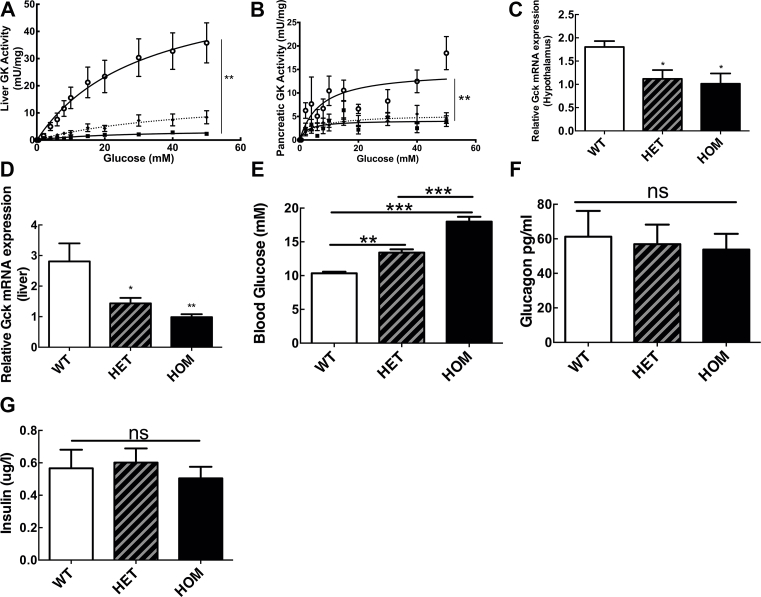
GCK-MODY patients displayed increased and earlier glucagon responses during hypoglycemia compared with a group of glycemia-matched patients with type 2 diabetes. Consistent with this, glucagon responses to hypoglycemia were also increased in I366F mice with mutated glucokinase and in streptozotocin-treated β-cell ablated diabetic I366F mice. Glucagon responses were normal in conditional brain glucokinase-knockout mice, suggesting that glucagon release during hypoglycemia is controlled by glucokinase-mediated glucose sensing outside the brain but not in β-cells. For epinephrine, we found increased responses in GCK-MODY patients, in β-cell ablated diabetic I366F mice and in conditional (nestin lineage) brain glucokinase-knockout mice, supporting a role for brain glucokinase in triggering epinephrine release.
Our data suggest that glucokinase in brain and other non β-cell peripheral hypoglycemia sensors is important in glucose homeostasis, allowing the body to detect and respond to a falling blood glucose.
适当的血糖水平对生存至关重要;因此,检测和纠正低血糖至关重要。低血糖会引发一系列综合反应,包括胰岛素释放减少和关键的代偿性激素胰高血糖素和肾上腺素分泌增加,这些激素共同促进内源性葡萄糖产生以恢复正常血糖水平。然而,这种反应是如何协调的仍有待充分阐明。低亲和力己糖激酶葡萄糖激酶存在于参与葡萄糖稳态的葡萄糖感应细胞中,包括胰岛β细胞和某些脑区。在这里,我们旨在研究葡萄糖激酶在触发低血糖时的代偿性激素反应中的作用,假设葡萄糖激酶活性降低会导致反应的增加和/或更早触发。
在患有单基因突变糖尿病(由葡萄糖激酶突变引起的 GCK-MODY)的人群中,通过高胰岛素葡萄糖钳夹试验来检测对控制的低血糖挑战的代偿性反应。为了研究葡萄糖激酶在不同感应区域的相对重要性,我们随后在全身和/或脑葡萄糖激酶分子缺陷的小鼠中检查了对钳夹性低血糖的反应。
与一组血糖匹配的 2 型糖尿病患者相比,GCK-MODY 患者在低血糖期间表现出更高和更早的胰高血糖素反应。与此一致的是,突变葡萄糖激酶的 I366F 小鼠和链脲佐菌素处理的胰岛细胞消融糖尿病 I366F 小鼠的胰高血糖素对低血糖的反应也增加了。条件性脑葡萄糖激酶敲除小鼠的胰高血糖素反应正常,提示低血糖期间的胰高血糖素释放由脑外葡萄糖激酶介导的葡萄糖感应控制,但不在β细胞中。对于肾上腺素,我们发现 GCK-MODY 患者、胰岛细胞消融糖尿病 I366F 小鼠和条件性(巢蛋白谱系)脑葡萄糖激酶敲除小鼠的反应增加,支持脑葡萄糖激酶在触发肾上腺素释放中的作用。
我们的数据表明,大脑和其他非β细胞外周低血糖传感器中的葡萄糖激酶在葡萄糖稳态中很重要,使身体能够检测和响应血糖下降。