Chaudhury Abrar S, Thornton Thomas F, Helfgott Ariella, Sova Chase
1Environmental Change Institute, University of Oxford, Oxford, UK.
CGIAR Research Program on Climate Change, Agriculture and Food Security (CCAFS), Wageningen, The Netherlands.
Sustain Sci. 2017;12(5):657-676. doi: 10.1007/s11625-017-0462-0. Epub 2017 Aug 19.
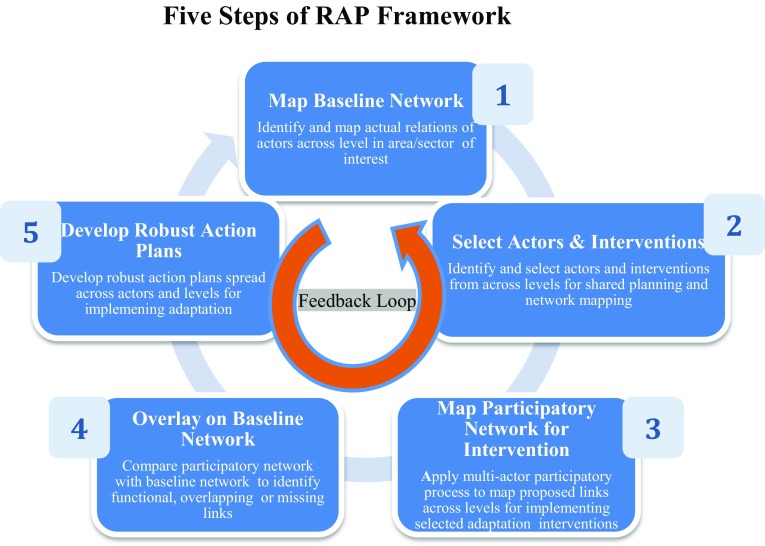
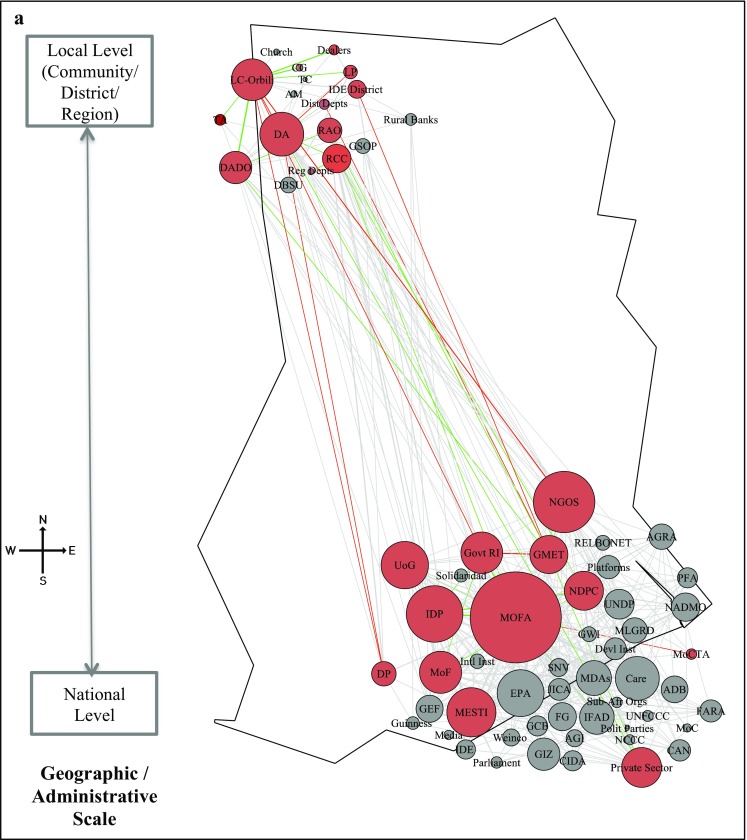
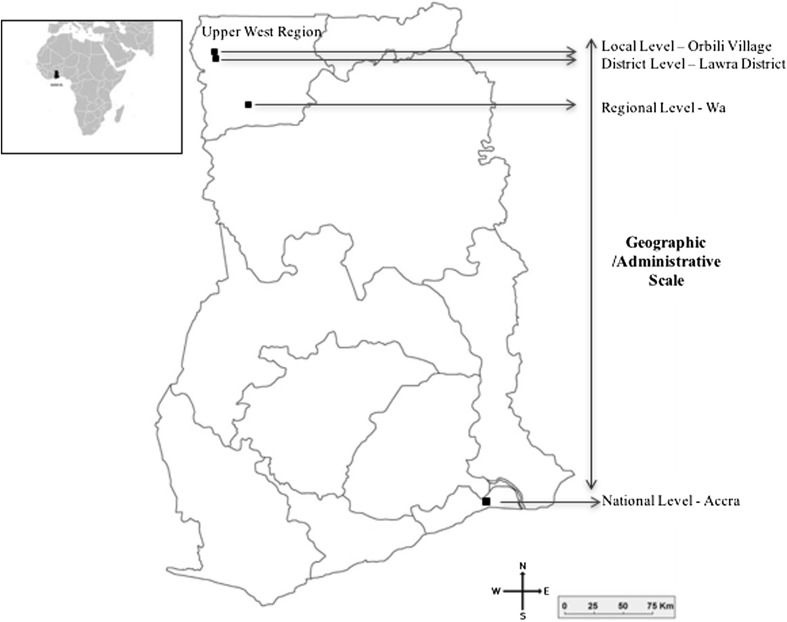
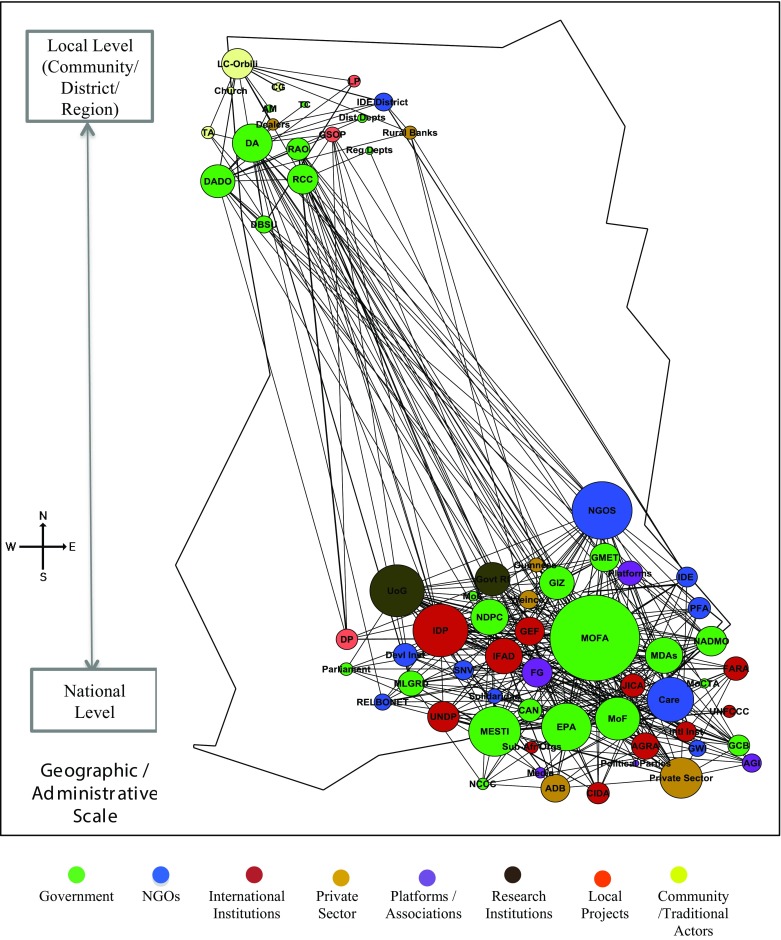
This paper introduces a five-step framework, namely the Robust Adaptation Planning (RAP) framework, to plan and respond to the 'grand challenge' of climate change. RAP combines, under a unified framework, elements from robust action, participatory planning and network theory to capture the different motives, perception, and roles of actors that are important for climate change adaptation. RAP leverages existing structures and networks and involves diverse actors to plan, sequence and time strategies across multiple levels (i.e. from local to national). Actors identify adaptation interventions and important actor relations to develop wide networks, highlighting potential pathways for connecting action from central policy to local implementation (and vice versa). Comparing these proposed participatory structures with existing structures reveals actors deemed important for delivering adaptation, as well as gaps and overlaps in their relations. The end result is a robust plan covering many perspectives and local realities for both relieving immediate and adapting to longer-term consequences of climate change. We applied the RAP framework in Ghana's agricultural climate change adaptation regime to demonstrate its usefulness as a means of planning adaptation interventions in a climate-vulnerable, multi-actor and multi-level setting. The application of the RAP framework in this paper highlights how it can: (1) visualise the adaptation space (and its different components), and reduce the complexity of implementing adaptation responses; (2) offer a shared space to actors from all administrative levels to think and create collective narratives for adaptation without demanding explicit consensus and; (3) identify key actors and actions through a collaborative planning process, and allocate responsibility for the smooth delivery of adaptation interventions.
本文介绍了一个五步框架,即稳健适应规划(RAP)框架,用于规划和应对气候变化的“重大挑战”。RAP在一个统一的框架下,将稳健行动、参与式规划和网络理论的要素结合起来,以把握对气候变化适应至关重要的不同行为体的动机、认知和角色。RAP利用现有的结构和网络,并让不同行为体参与进来,以规划、安排和确定跨多个层面(即从地方到国家)的战略时机。行为体确定适应干预措施和重要的行为体关系,以建立广泛的网络,突出从中央政策到地方实施(反之亦然)的行动联系的潜在途径。将这些提议的参与式结构与现有结构进行比较,揭示了对实现适应至关重要的行为体,以及它们关系中的差距和重叠之处。最终结果是一个涵盖许多观点和地方实际情况的稳健计划,用于缓解气候变化的直接影响并适应其长期后果。我们在加纳的农业气候变化适应体系中应用了RAP框架,以证明其作为在气候脆弱、多行为体和多层次环境中规划适应干预措施的一种手段的有用性。本文中RAP框架的应用突出了它如何能够:(1)可视化适应空间(及其不同组成部分),并降低实施适应应对措施的复杂性;(2)为各级行政层面的行为体提供一个共享空间,以便他们思考并创建关于适应的集体叙述,而无需要求明确的共识;以及(3)通过协作规划过程确定关键行为体和行动,并为适应干预措施的顺利实施分配责任。