Department of Global Health, College of Public Health, University of South Florida, Tampa, FL United States of America.
Nwoya District Local Government, Nwoya, Uganda.
PLoS Negl Trop Dis. 2018 Aug 27;12(8):e0006702. doi: 10.1371/journal.pntd.0006702. eCollection 2018 Aug.
Onchocerciasis a neglected tropical disease that historically has been a major cause of morbidity and an obstacle to economic development in the developing world. It is caused by infection with Onchocerca volvulus, which is transmitted by black flies of the genus Simulium. The discovery of the potent effect of Mectizan (ivermectin) on O. volvulus microfilariae and the decision by its manufacturer to donate the drug for onchocerciasis spurred the implementation of international programs to control and, more recently, eliminate this scourge. These programs rely primarily on mass distribution of ivermectin (MDA) to the afflicted populations. However, MDA alone will not be sufficient to eliminate onchocerciasis where transmission is intense and where ivermectin MDA is precluded by co-endemicity with Loa loa. Vector control will likely be required as a supplemental intervention in these situations.
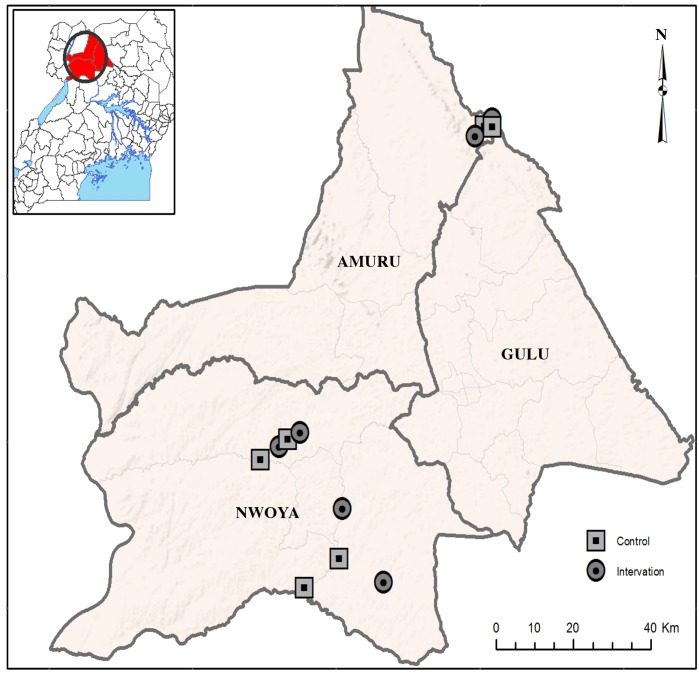
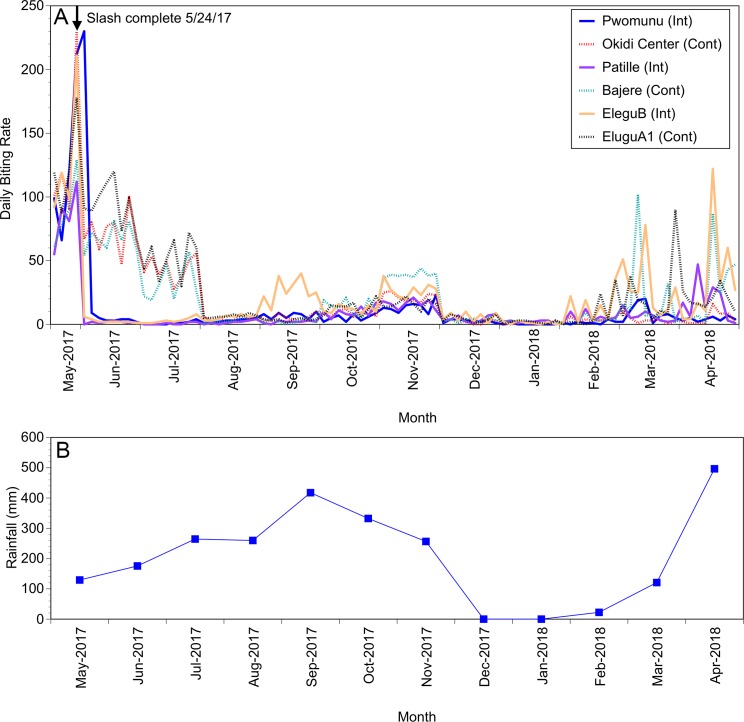
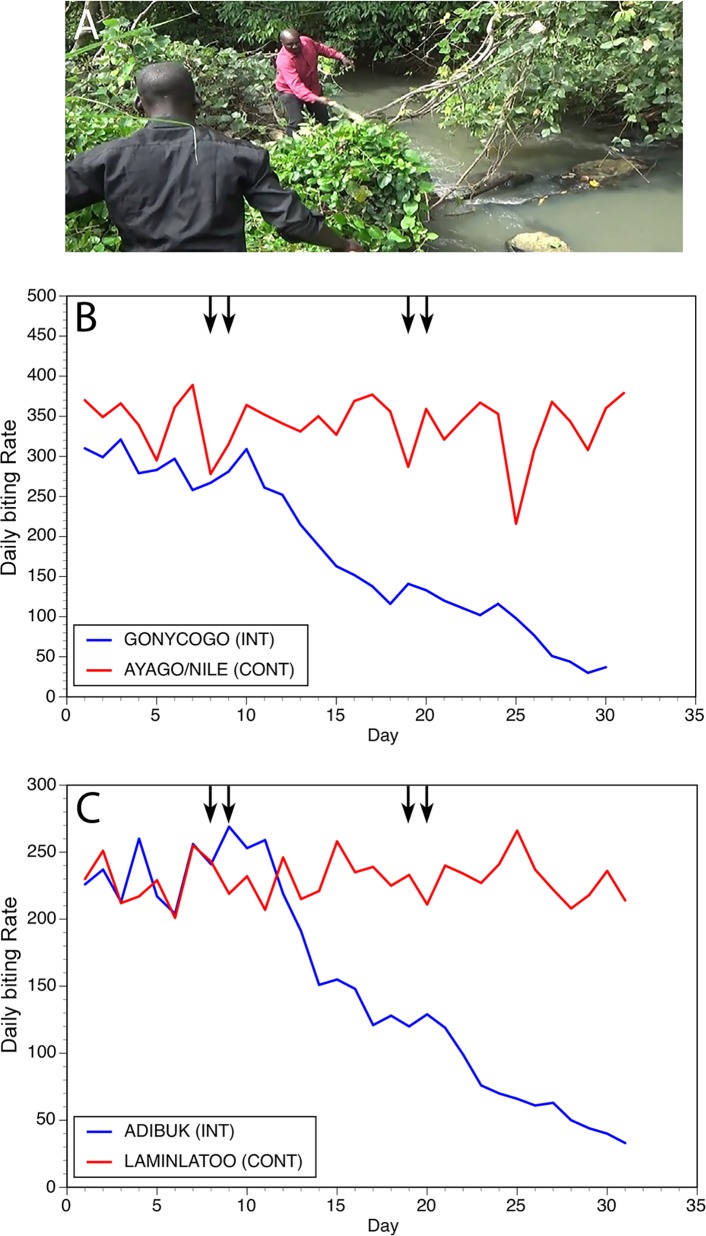
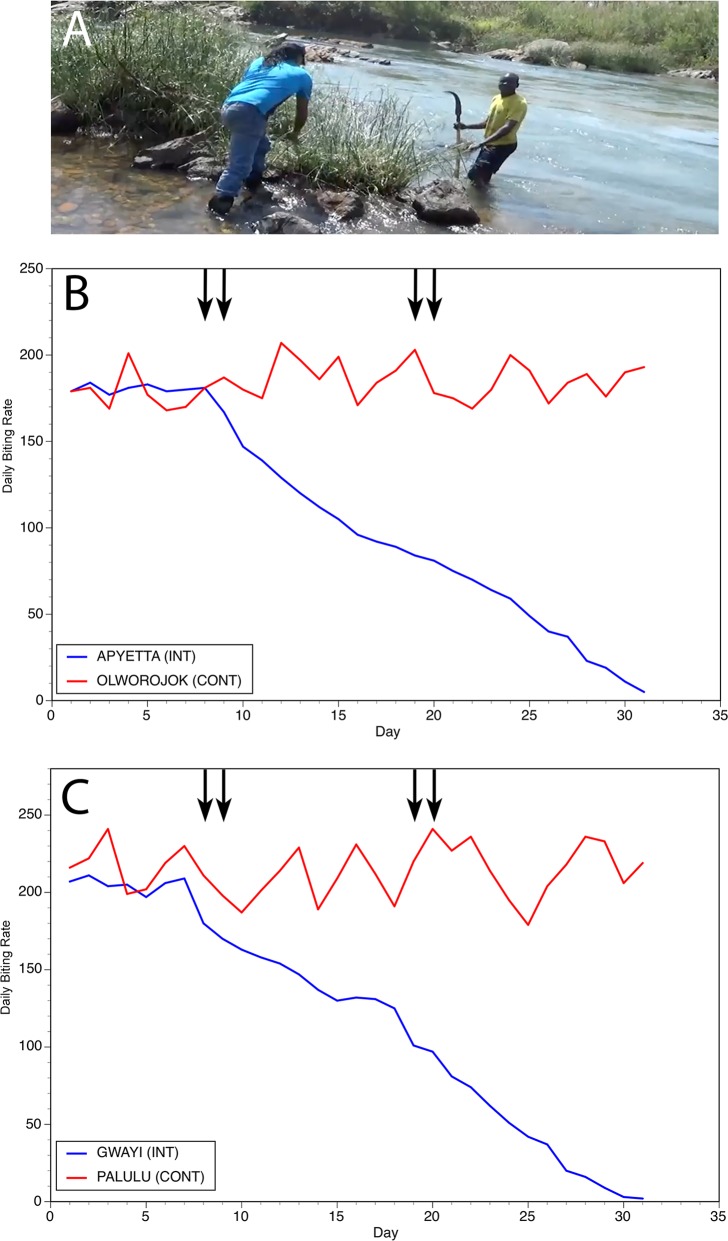
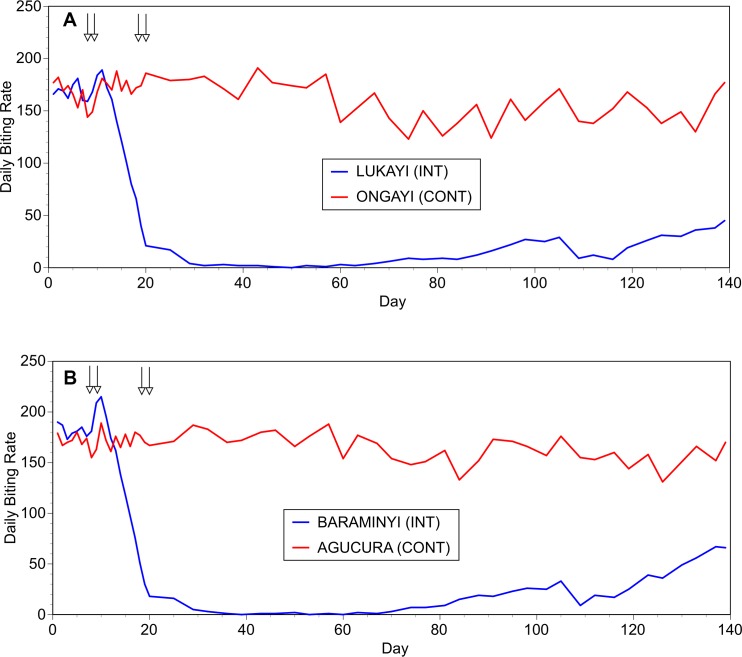
METHODOLOGY/PRINCIPAL FINDINGS: Because biting by the black fly vectors is often a major nuisance in onchocerciasis afflicted communities, we hypothesized that community members might be mobilized to clear the breeding sites of the vegetation that represents the primary black fly larvae attachment point. We evaluated the effect of such a community based "slash and clear" intervention in multiple communities in Northern Uganda. Slash and Clear resulted in 89-99% declines in vector biting rates. The effect lasted up to 120 days post intervention.
CONCLUSIONS/SIGNIFICANCE: Slash and clear might represent an effective, inexpensive, community- based tool to supplement ivermectin distribution as a contributory method to eliminate onchocerciasis and prevent recrudescence.
盘尾丝虫病是一种被忽视的热带病,历史上一直是发展中国家发病率和经济发展的主要障碍。它是由感染旋盘尾丝虫引起的,旋盘尾丝虫通过类蚋属的黑蝇传播。发现米尔贝肟(伊维菌素)对盘尾丝虫微丝蚴有很强的作用,以及其制造商决定捐赠该药物用于盘尾丝虫病的控制,并在最近消除这种祸害,这一发现促使实施了控制和最近消除这种疾病的国际方案。这些方案主要依赖于向受影响人群大规模分发伊维菌素(MDA)。然而,仅 MDA 不足以消除在传播强烈且伊维菌素 MDA 因与罗阿罗阿共流行而被排除的地方的盘尾丝虫病。在这些情况下,可能需要通过病媒控制作为补充干预措施。
方法/主要发现:由于类蚋属黑蝇的叮咬通常是受盘尾丝虫病影响的社区的一个主要问题,我们假设社区成员可能会被动员起来清除代表黑蝇幼虫主要附着点的植被的滋生地。我们在乌干达北部的多个社区评估了这种基于社区的“砍伐和清理”干预的效果。砍伐和清理导致蚊虫叮咬率下降 89-99%。这种效果持续了长达 120 天。
结论/意义:砍伐和清理可能是一种有效的、廉价的、基于社区的工具,可以补充伊维菌素的分发,作为消除盘尾丝虫病和防止复发的一种辅助方法。