Maxwell Tyler, Blair Richard G, Wang Yuemin, Kettring Andrew H, Moore Sean D, Rex Matthew, Harper James K
Department of Chemistry, University of Central Florida, 4111 Libra Drive, Orlando, FL 32816, USA.
Florida Space Institute, University of Central Florida, 12354 Research Parkway, Suite 214, Orlando, FL 32826, USA.
J Fungi (Basel). 2018 Aug 26;4(3):102. doi: 10.3390/jof4030102.
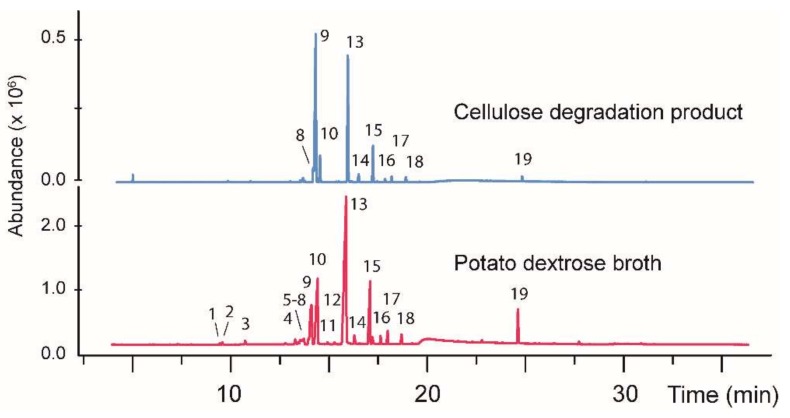
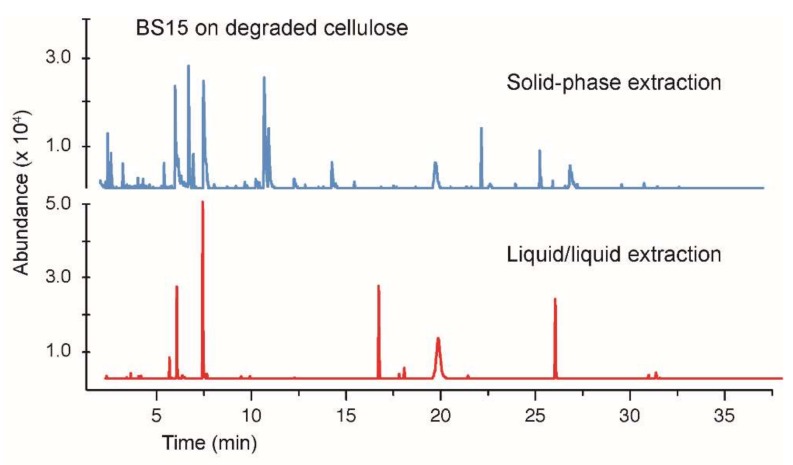
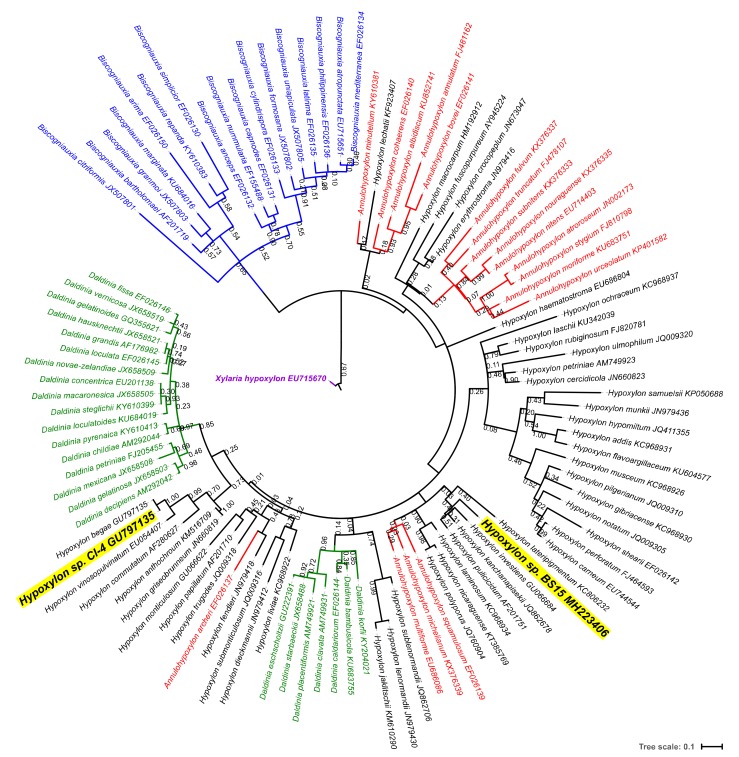
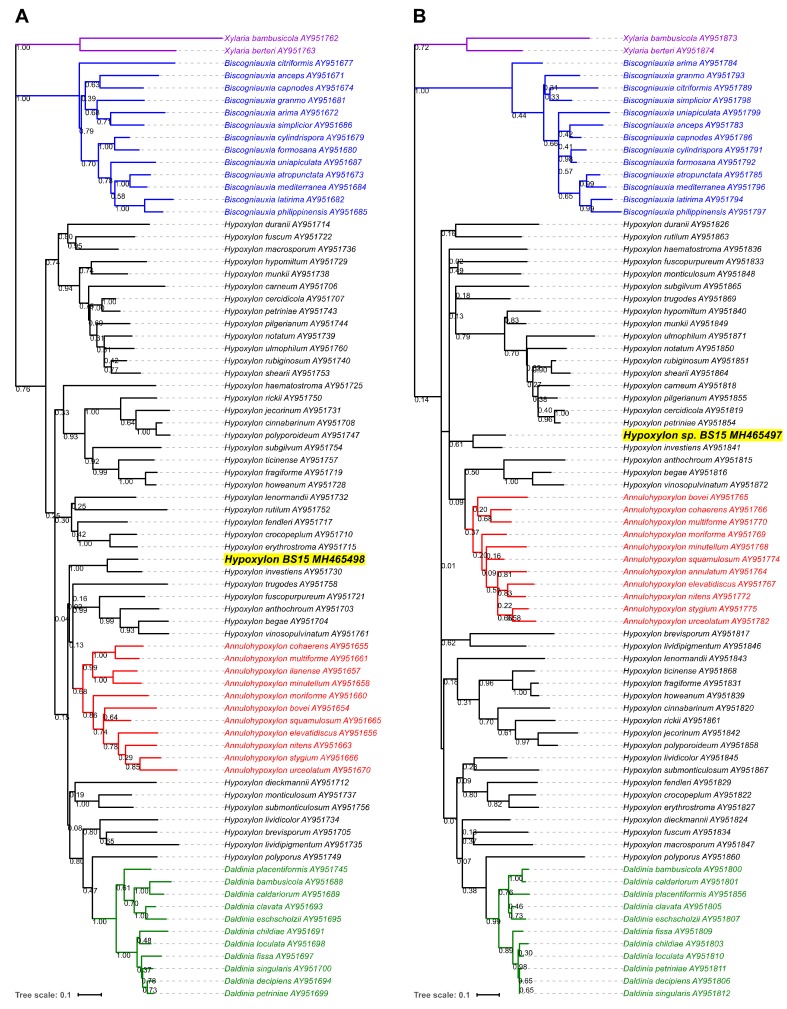
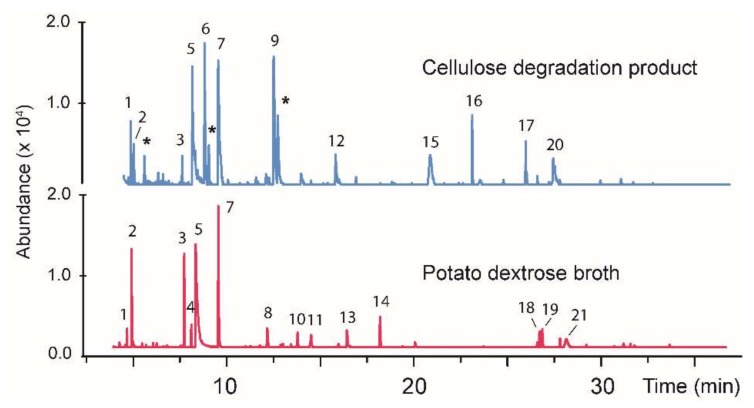
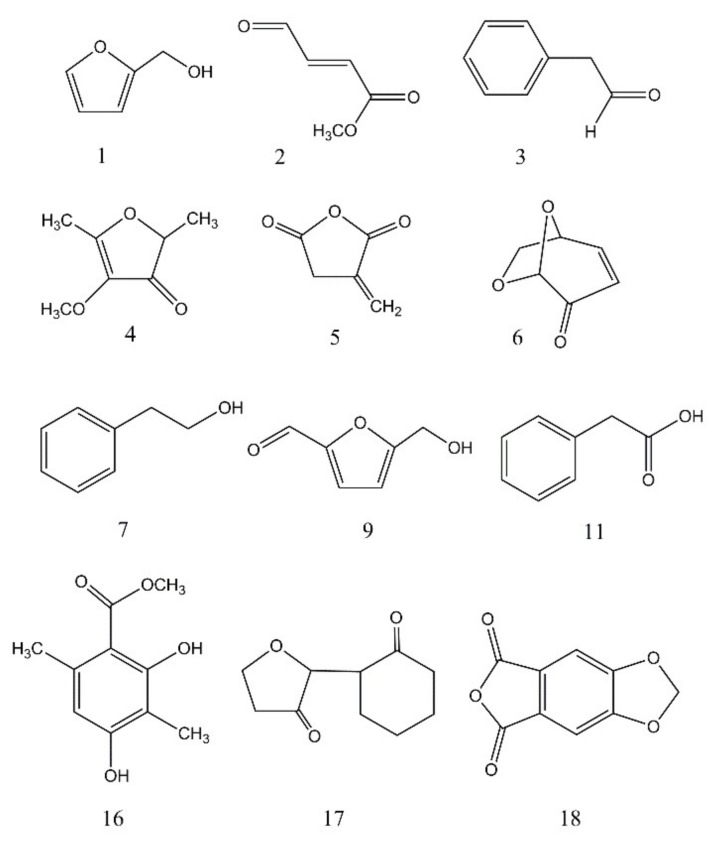
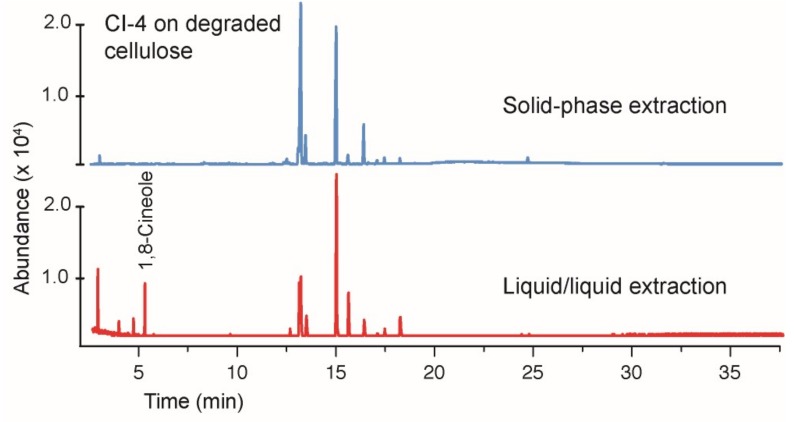
Simple sugars produced from a solvent-free mechanocatalytic degradation of cellulose were evaluated for suitability as a growth medium carbon source for fungi that produce volatile organic compounds. An endophytic sp. (CI-4) known to produce volatiles having potential value as fuels was initially evaluated. The growth was obtained on a medium containing the degraded cellulose as the sole carbon source, and the volatile compounds produced were largely the same as those produced from a conventional dextrose/starch diet. A second sp. (BS15) was also characterized and shown to be phylogenetically divergent from any other named species. The degraded cellulose medium supported the growth of BS15, and approximately the same quantity of the volatile compounds was produced as from conventional diets. Although the major products from BS15 grown on the degraded cellulose were identical to those from dextrose, the minor products differed. Neither CI-4 or BS15 exhibited growth on cellulose that had not been degraded. The extraction of volatiles from the growth media was achieved using solid-phase extraction in order to reduce the solvent waste and more efficiently retain compounds having low vapor pressures. A comparison to more conventional liquid⁻liquid extraction demonstrated that, for CI-4, both methods gave similar results. The solid-phase extraction of BS15 retained a significantly larger variety of the volatile compounds than did the liquid⁻liquid extraction. These advances position the coupling of solvent-free cellulose conversion and endophyte metabolism as a viable strategy for the production of important hydrocarbons.
对通过无溶剂机械催化降解纤维素产生的单糖作为生产挥发性有机化合物的真菌生长培养基碳源的适用性进行了评估。最初评估了一种已知能产生具有潜在燃料价值挥发物的内生菌(CI-4)。在以降解纤维素作为唯一碳源的培养基上实现了生长,并且产生的挥发性化合物与传统葡萄糖/淀粉培养基产生的基本相同。还对另一种菌株(BS15)进行了表征,结果表明它在系统发育上与任何其他已命名的物种都不同。降解纤维素培养基支持BS15的生长,并且产生的挥发性化合物数量与传统培养基大致相同。尽管在降解纤维素上生长的BS15的主要产物与在葡萄糖上生长的相同,但次要产物不同。CI-4和BS15在未降解的纤维素上均未表现出生长。为了减少溶剂浪费并更有效地保留低蒸气压化合物,使用固相萃取从生长培养基中提取挥发物。与更传统的液液萃取相比表明,对于CI-4,两种方法得到的结果相似。BS15的固相萃取保留的挥发性化合物种类比液液萃取显著更多。这些进展将无溶剂纤维素转化与内生菌代谢的结合定位为生产重要碳氢化合物的可行策略。