Karolinska Institutet, Karolinska University Hospital, Stockholm, Sweden.
KTH Royal Institute of Technology, Stockholm, Sweden.
Arthritis Rheumatol. 2019 Feb;71(2):196-209. doi: 10.1002/art.40699.
Antibodies against posttranslationally modified proteins are a hallmark of rheumatoid arthritis (RA), but the emergence and pathogenicity of these autoantibodies are still incompletely understood. The aim of this study was to analyze the antigen specificities and mutation patterns of monoclonal antibodies (mAb) derived from RA synovial plasma cells and address the question of antigen cross-reactivity.
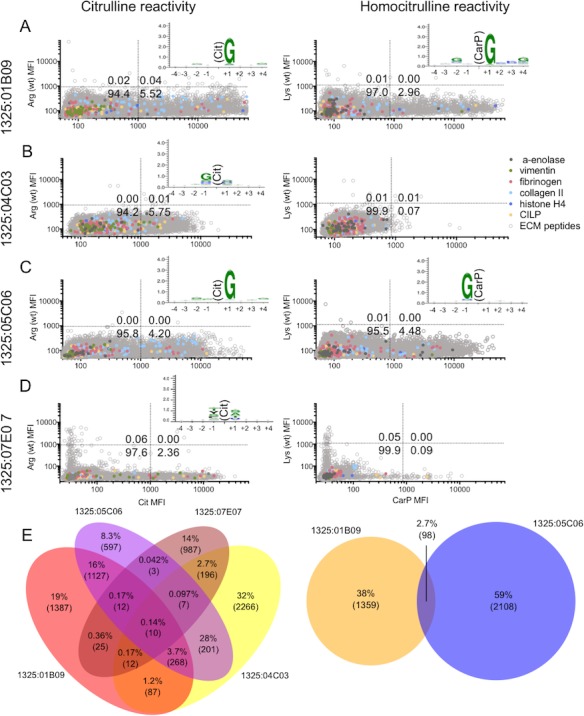
IgG-secreting cells were isolated from RA synovial fluid, and the variable regions of the immunoglobulins were sequenced (n = 182) and expressed in full-length mAb (n = 93) and also as germline-reverted versions. The patterns of reactivity with 53,019 citrullinated peptides and 49,211 carbamylated peptides and the potential of the mAb to promote osteoclastogenesis were investigated.
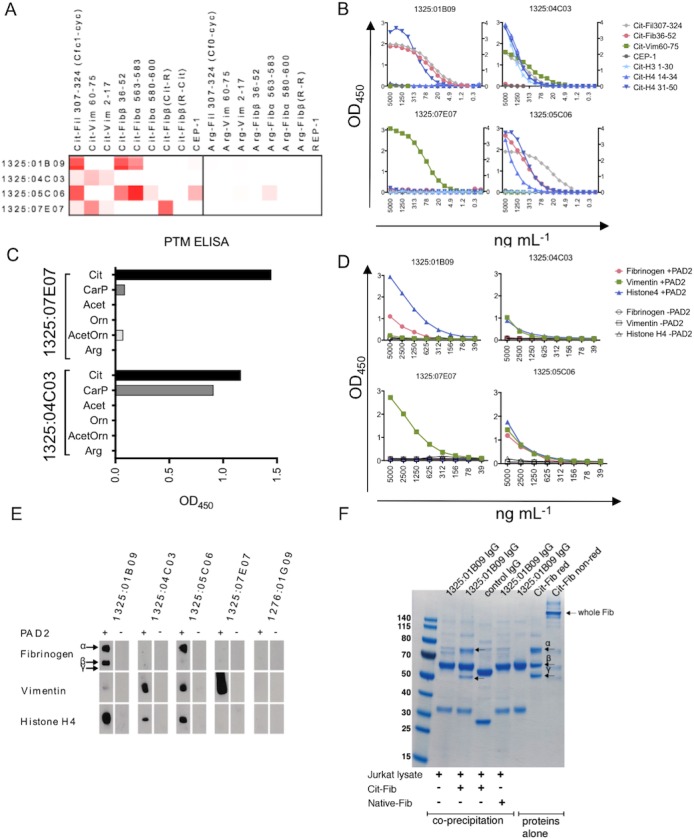
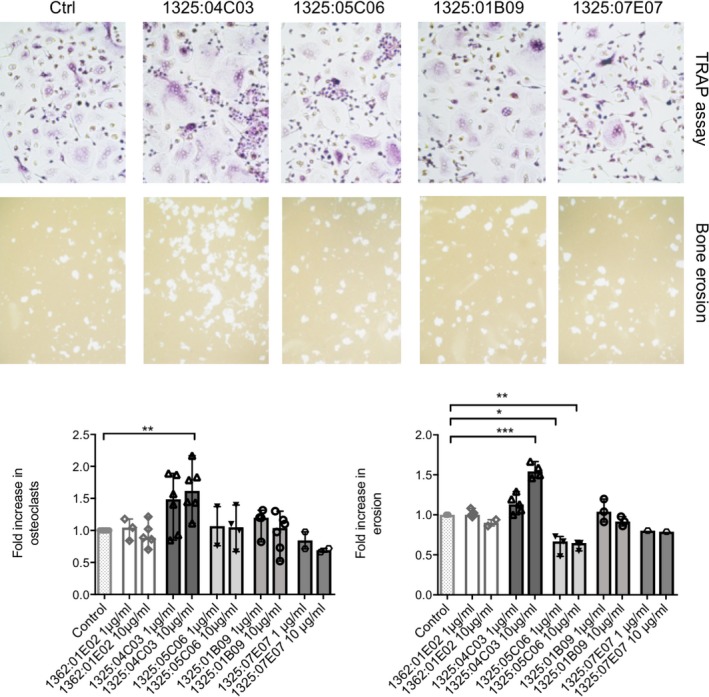
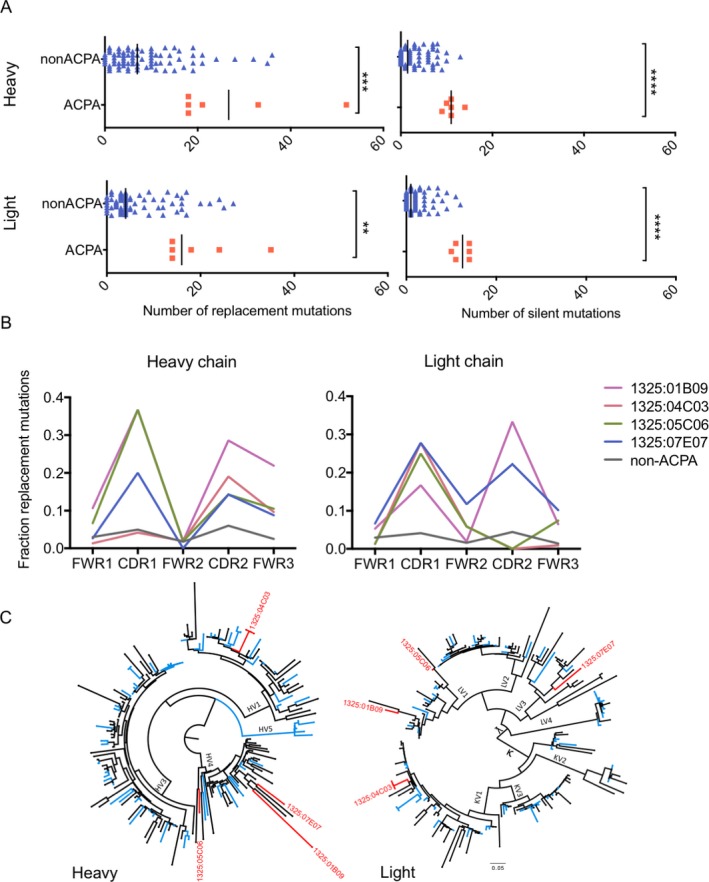
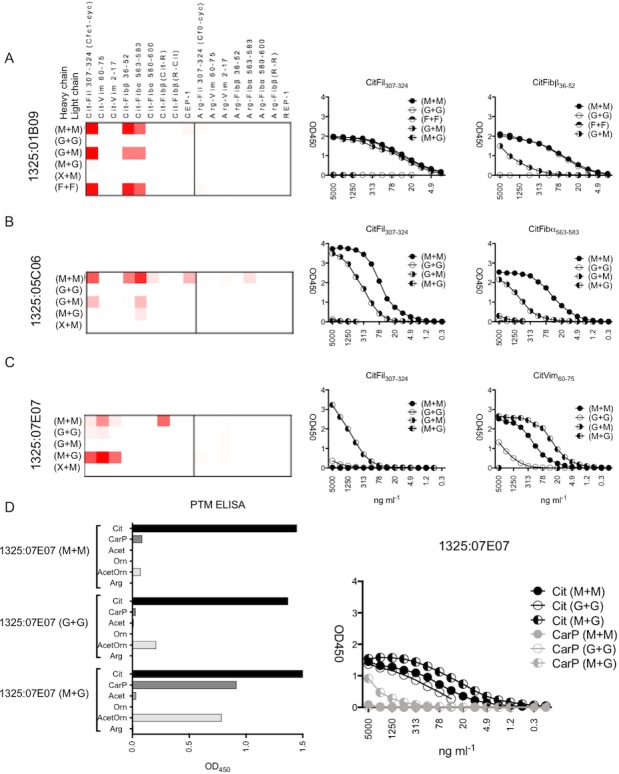
Four unrelated anti-citrullinated protein autoantibodies (ACPAs), of which one was clonally expanded, were identified and found to be highly somatically mutated in the synovial fluid of a patient with RA. The ACPAs recognized >3,000 unique peptides modified by either citrullination or carbamylation. This highly multireactive autoantibody feature was replicated for Ig sequences derived from B cells from the peripheral blood of other RA patients. The plasma cell-derived mAb were found to target distinct amino acid motifs and partially overlapping protein targets. They also conveyed different effector functions as revealed in an osteoclast activation assay.
These findings suggest that the high level of cross-reactivity among RA autoreactive B cells is the result of different antigen encounters, possibly at different sites and at different time points. This is consistent with the notion that RA is initiated in one context, such as in the mucosal organs, and thereafter targets other sites, such as the joints.
针对翻译后修饰蛋白的抗体是类风湿关节炎(RA)的一个标志,但这些自身抗体的出现和致病性仍不完全清楚。本研究旨在分析 RA 滑膜浆细胞来源的单克隆抗体(mAb)的抗原特异性和突变模式,并探讨抗原交叉反应性的问题。
从 RA 滑膜液中分离 IgG 分泌细胞,对免疫球蛋白的可变区进行测序(n=182),并在全长 mAb(n=93)和返祖版本中进行表达。检测了与 53019 个瓜氨酸化肽和 49211 个氨甲酰化肽的反应模式,以及 mAb 促进破骨细胞形成的潜力。
鉴定出 4 种不相关的抗瓜氨酸化蛋白自身抗体(ACPAs),其中一种在 RA 患者的滑膜液中发生克隆扩增,发现其在滑膜液中高度体细胞突变。ACPAs 识别>3000 个独特的肽段,这些肽段被瓜氨酸化或氨甲酰化修饰。从其他 RA 患者外周血 B 细胞中获得的 Ig 序列也复制了这种高度多反应性的自身抗体特征。浆细胞来源的 mAb 被发现针对不同的氨基酸基序和部分重叠的蛋白靶标。在破骨细胞激活测定中,它们还表现出不同的效应功能。
这些发现表明,RA 自身反应性 B 细胞之间的高度交叉反应性是不同抗原相互作用的结果,可能发生在不同的部位和不同的时间点。这与 RA 是在一个环境中启动,如在黏膜器官中,然后靶向其他部位,如关节的观点是一致的。