De Felice Bruna, Manfellotto Francesco, Fiorentino Giuseppe, Annunziata Anna, Biffali Elio, Pannone Raimondo, Federico Antonio
Department of Environmental, Biological and Pharmaceutical Sciences and Technologies, University of Campania "Luigi Vanvitelli", Caserta, Italy.
Division of Physiopathology, Monaldi Hospital, Naples, Italy.
Front Genet. 2018 Aug 14;9:310. doi: 10.3389/fgene.2018.00310. eCollection 2018.
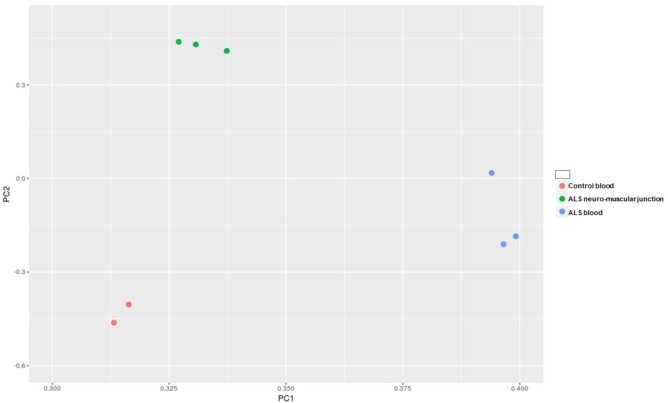
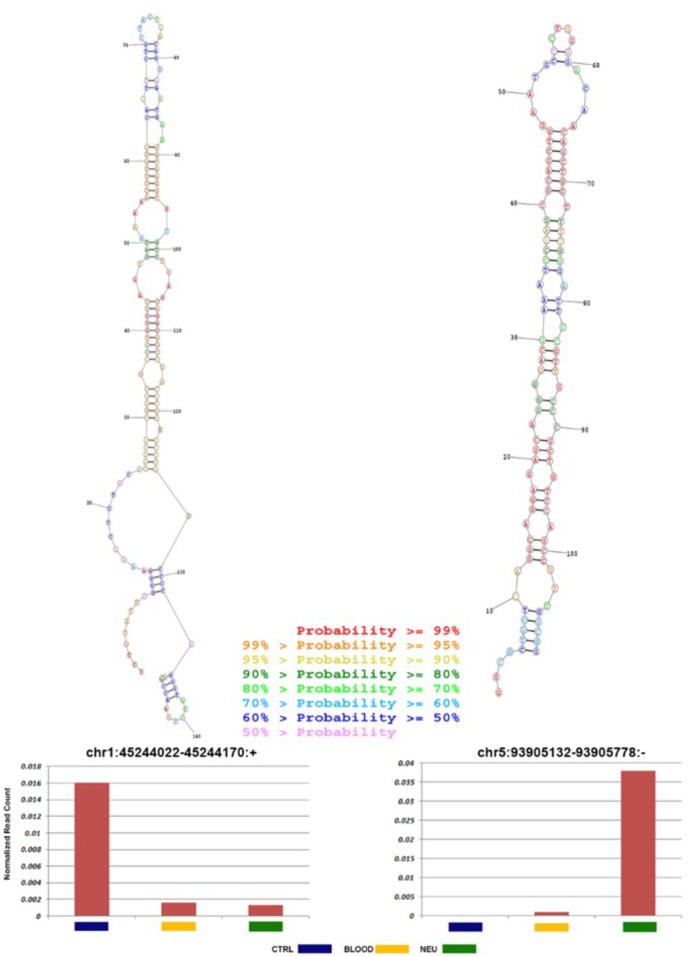
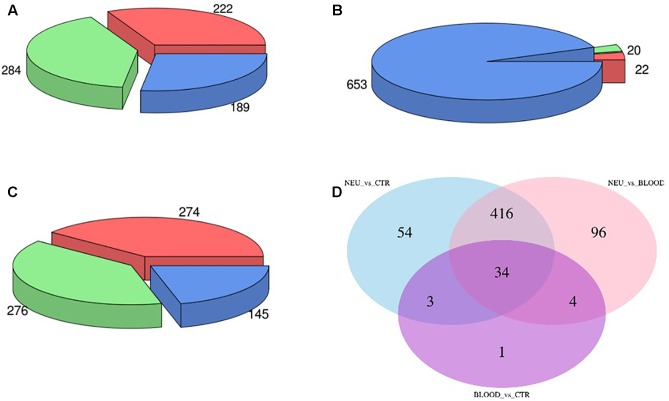
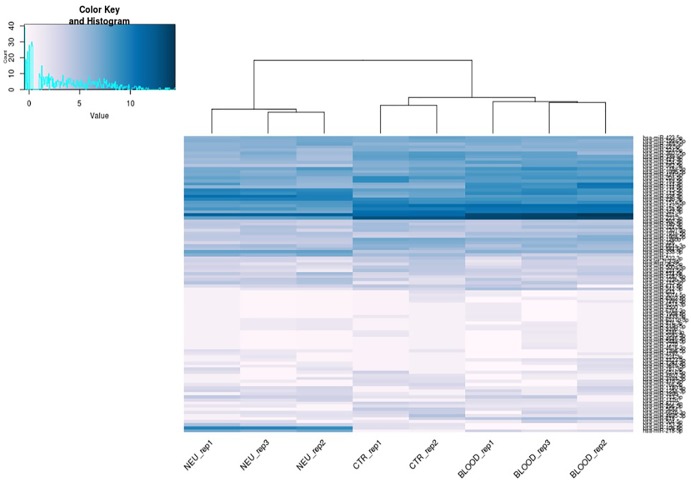
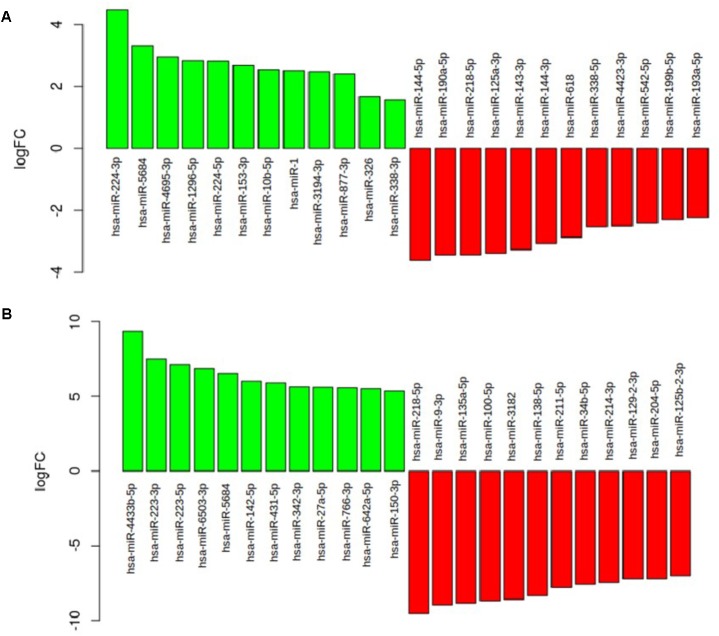
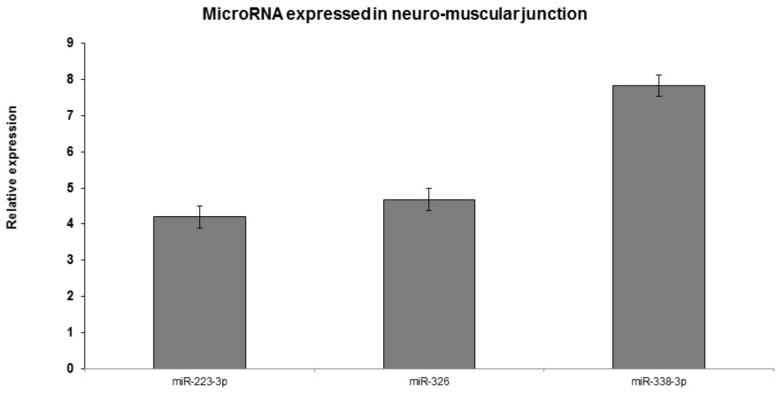
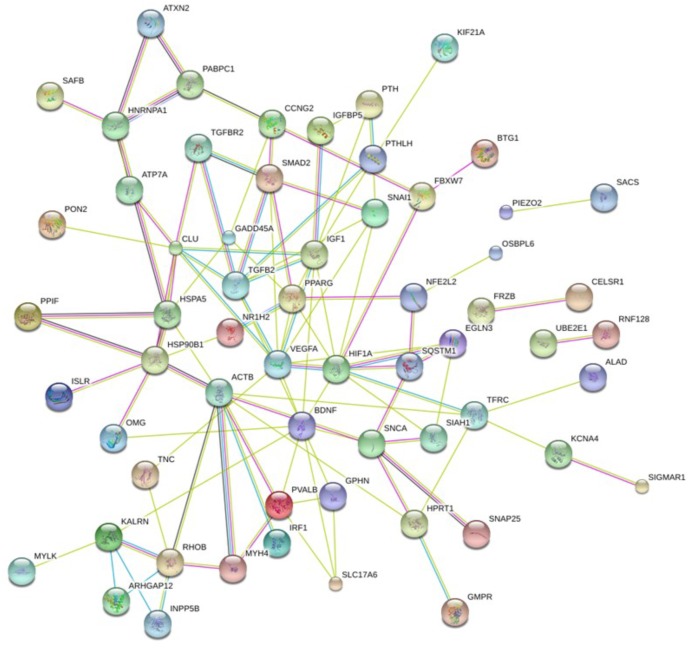
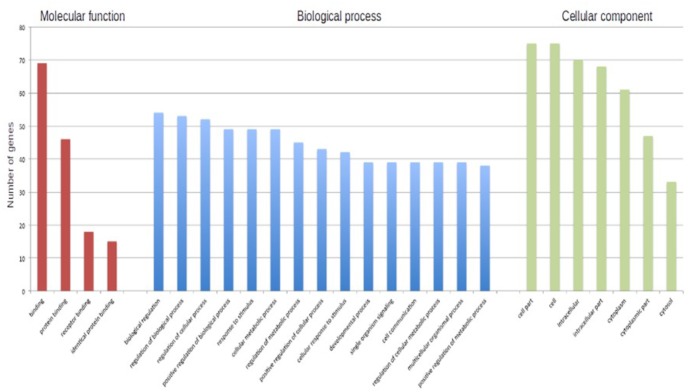
MicroRNA (miRNA) has emerged as an important regulator of gene expression in neurodegenerative disease as amyotrophic lateral sclerosis (ALS). In the nervous system, dysregulation in miRNA-related pathways is subordinated to neuronal damage and cell death, which contributes to the expansion of neurodegenerative disorders, such as ALS. In the present research, we aimed to profile dysregulation of miRNAs in ALS blood and neuromuscular junction as well as healthy blood control by next-generation sequencing (NGS). The expression of three upregulated miRNAs, as miR-338-3p, miR-223-3p, and miR-326, in the ALS samples compared to healthy controls, has been validated by qRT-PCR in a cohort of 45 samples collected previously. Bioinformatics tools were used to perform ALS miRNAs target analysis and to predict novel miRNAs secondary structure. The analysis of the NGS data identified 696 and 49 novel miRNAs which were differentially expressed in ALS tissues. In particular, in neuromuscular junction the differential expression of miR-338-3p, which we previously found upregulated in different types of ASL tissues, miR-223-3p, and miR-326 was elevated compared to normal control. ALS miRNAs gene target were significantly involved in neuronal related pathway as BDFN1 and HIF-1genes. This study presents the direct experimental evidence that, overall, miR-338-3p is highly expressed in ALS tissues including neuromuscular junction characterizing ALS from normal tissues. Beside, our analysis identified, for the first time, novel miRNAs highly expressed in ALS tissues. In conclusion, the results indicate that miRNAs has an important role in the diagnosis and treatment of ALS.
微小RNA(miRNA)已成为神经退行性疾病如肌萎缩侧索硬化症(ALS)中基因表达的重要调节因子。在神经系统中,miRNA相关途径的失调从属于神经元损伤和细胞死亡,这导致了神经退行性疾病如ALS的扩展。在本研究中,我们旨在通过下一代测序(NGS)分析ALS患者血液和神经肌肉接头以及健康血液对照中miRNA的失调情况。与健康对照相比,ALS样本中三个上调的miRNA,即miR-338-3p、miR-223-3p和miR-326的表达,已通过qRT-PCR在先前收集的45个样本队列中得到验证。使用生物信息学工具进行ALS miRNA靶标分析并预测新型miRNA的二级结构。对NGS数据的分析鉴定出696个和49个在ALS组织中差异表达的新型miRNA。特别是,在神经肌肉接头中,我们先前发现其在不同类型的ASL组织中上调的miR-338-3p、miR-223-3p和miR-326的差异表达与正常对照相比有所升高。ALS miRNA基因靶标显著参与了与神经元相关的途径,如BDFN1和HIF-1基因。本研究提供了直接的实验证据,总体而言,miR-338-3p在包括神经肌肉接头在内的ALS组织中高度表达,这将ALS与正常组织区分开来。此外,我们的分析首次鉴定出在ALS组织中高度表达的新型miRNA。总之,结果表明miRNA在ALS的诊断和治疗中具有重要作用。