Sutanto Henry, van Sloun Bart, Schönleitner Patrick, van Zandvoort Marc A M J, Antoons Gudrun, Heijman Jordi
Department of Cardiology, CARIM School for Cardiovascular Diseases, Maastricht University, Maastricht, Netherlands.
Department of Physiology, CARIM School for Cardiovascular Diseases, Maastricht University, Maastricht, Netherlands.
Front Physiol. 2018 Aug 14;9:1108. doi: 10.3389/fphys.2018.01108. eCollection 2018.
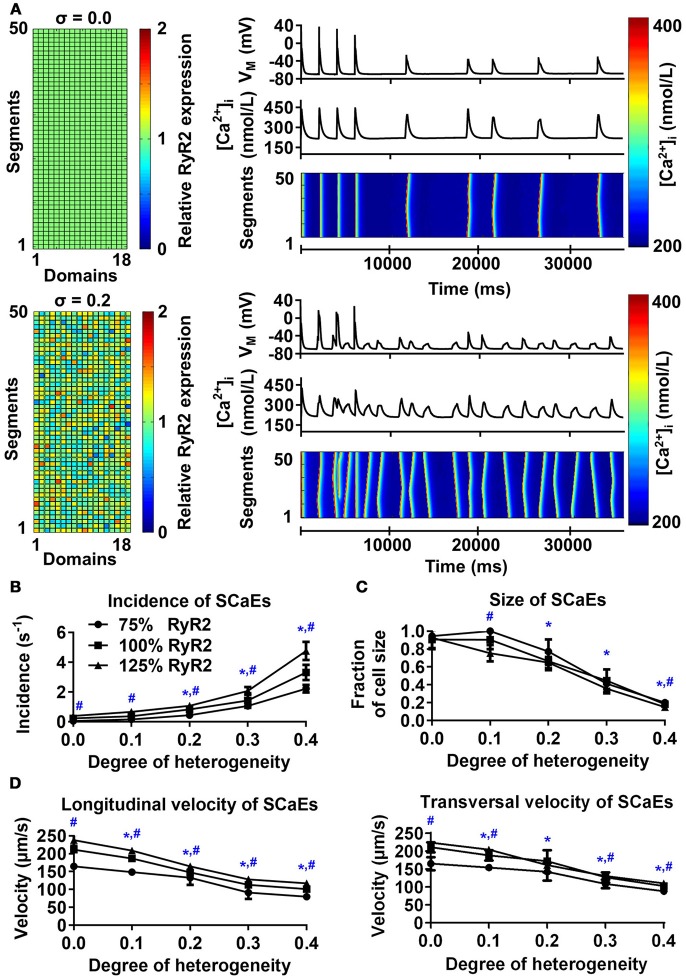
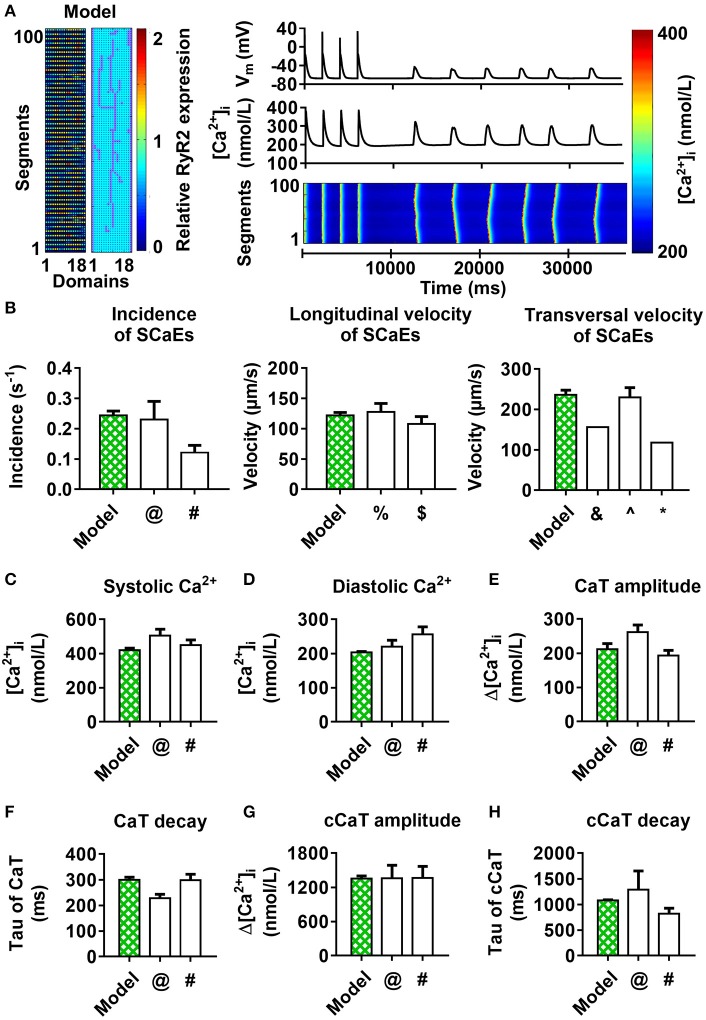
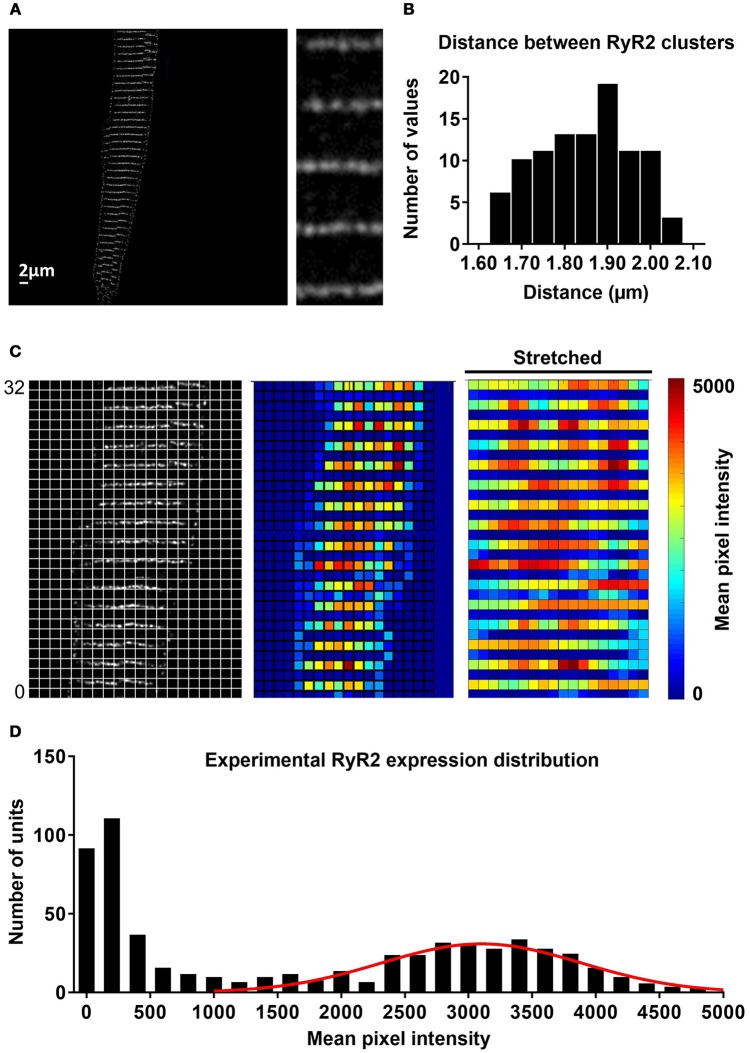
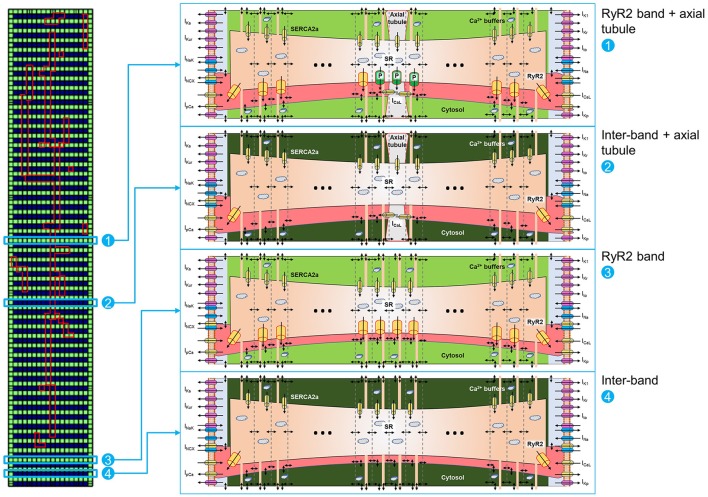
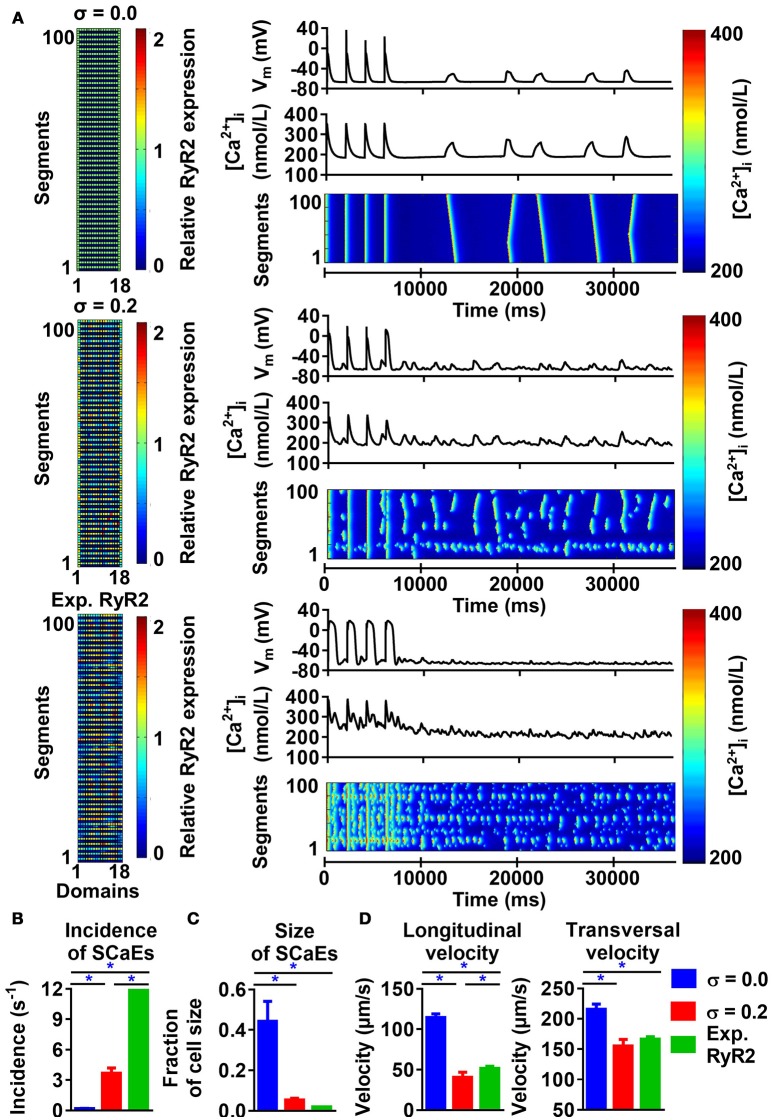
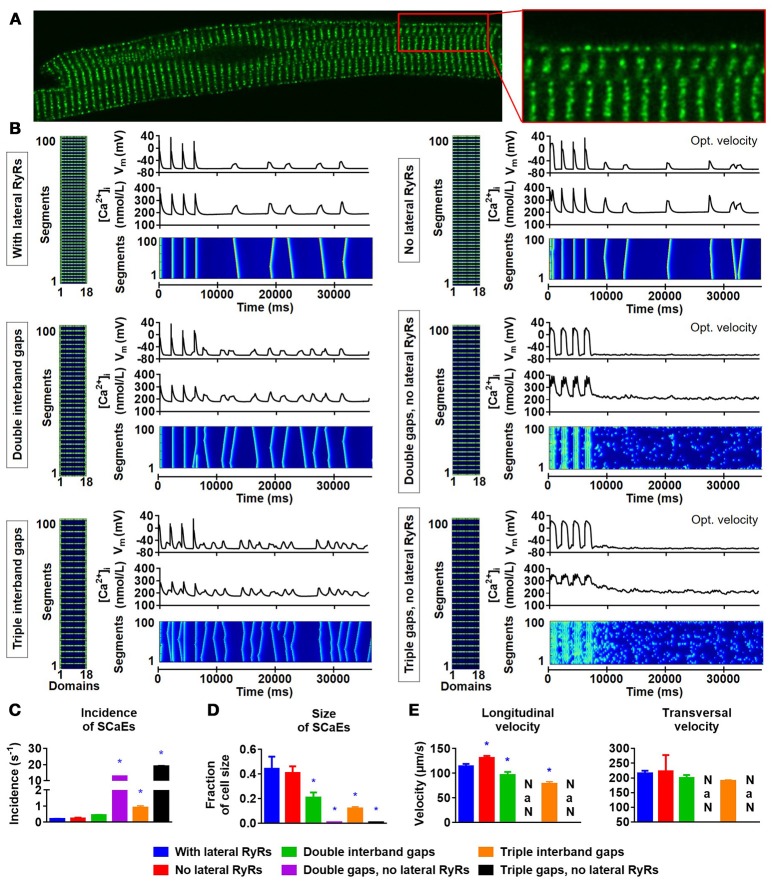
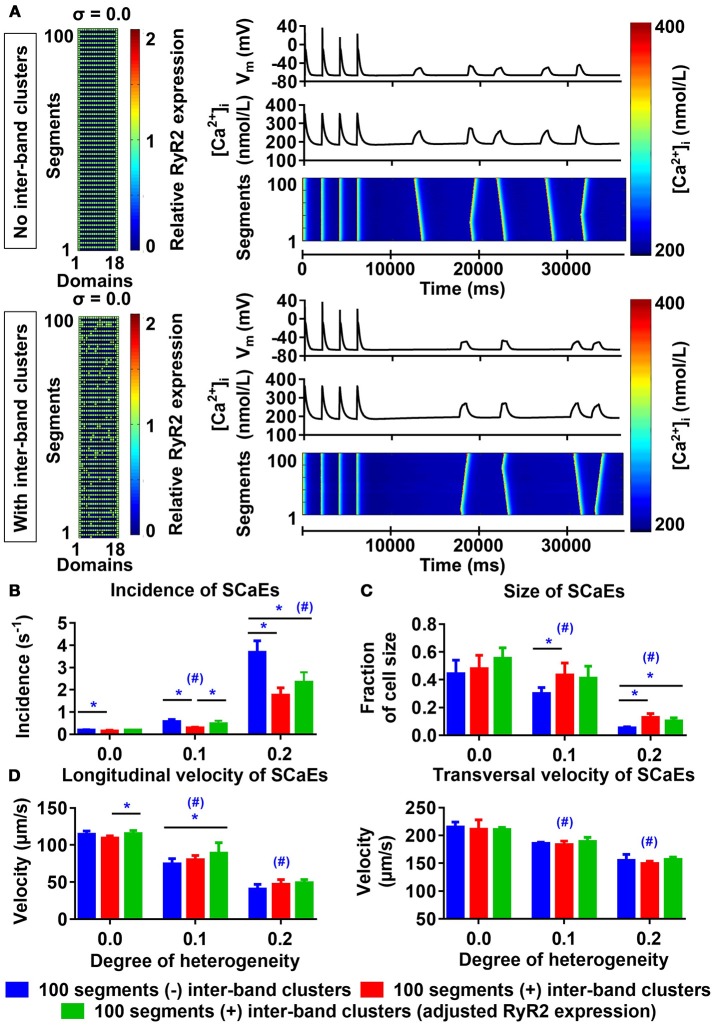
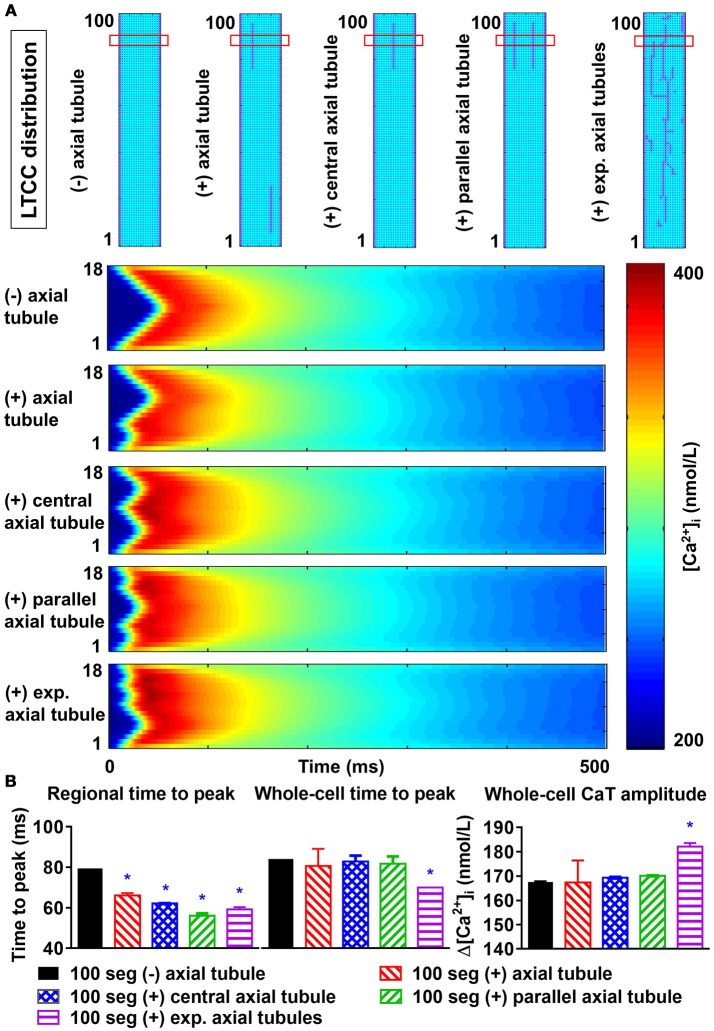
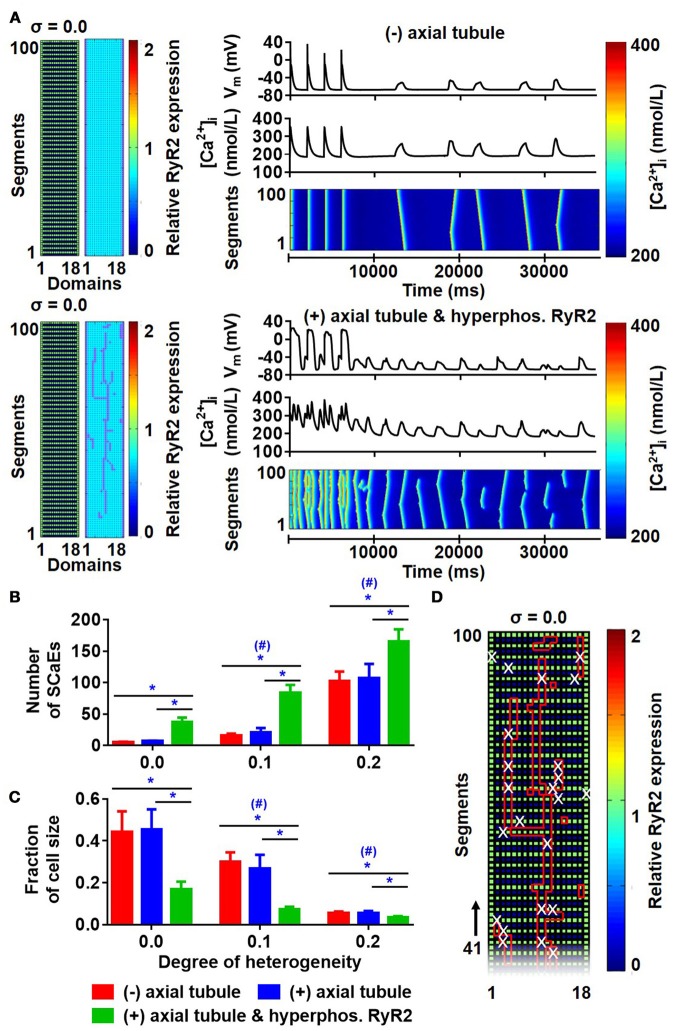
Spontaneous Ca-release events (SCaEs) from the sarcoplasmic reticulum play crucial roles in the initiation of cardiac arrhythmias by promoting triggered activity. However, the subcellular determinants of these SCaEs remain incompletely understood. Structural differences between atrial and ventricular cardiomyocytes, e.g., regarding the density of T-tubular membrane invaginations, may influence cardiomyocyte Ca-handling and the distribution of cardiac ryanodine receptors (RyR2) has recently been shown to undergo remodeling in atrial fibrillation. These data suggest that the subcellular distribution of Ca-handling proteins influences proarrhythmic Ca-handling abnormalities. Here, we employ computational modeling to provide an in-depth analysis of the impact of variations in subcellular RyR2 and L-type Ca-channel distributions on Ca-transient properties and SCaEs in a human atrial cardiomyocyte model. We incorporate experimentally observed RyR2 expression patterns and various configurations of axial tubules in a previously published model of the human atrial cardiomyocyte. We identify an increased SCaE incidence for larger heterogeneity in RyR2 expression, in which SCaEs preferentially arise from regions of high local RyR2 expression. Furthermore, we show that the propagation of Ca waves is modulated by the distance between RyR2 bands, as well as the presence of experimentally observed RyR2 clusters between bands near the lateral membranes. We also show that incorporation of axial tubules in various amounts and locations reduces Ca-transient time to peak. Furthermore, selective hyperphosphorylation of RyR2 around axial tubules increases the number of spontaneous waves. Finally, we present a novel model of the human atrial cardiomyocyte with physiological RyR2 and L-type Ca-channel distributions that reproduces experimentally observed Ca-handling properties. Taken together, these results significantly enhance our understanding of the structure-function relationship in cardiomyocytes, identifying that RyR2 and L-type Ca-channel distributions have a major impact on systolic Ca transients and SCaEs.
肌浆网的自发性钙释放事件(SCaEs)通过促进触发活动在心律失常的起始过程中起关键作用。然而,这些SCaEs的亚细胞决定因素仍未完全明确。心房和心室心肌细胞之间的结构差异,例如关于T小管膜内陷的密度,可能影响心肌细胞的钙处理,并且最近已表明心脏雷诺丁受体(RyR2)的分布在心房颤动中会发生重塑。这些数据表明钙处理蛋白的亚细胞分布会影响促心律失常的钙处理异常。在此,我们采用计算模型对人房性心肌细胞模型中亚细胞RyR2和L型钙通道分布的变化对钙瞬变特性和SCaEs的影响进行深入分析。我们将实验观察到的RyR2表达模式和轴向小管的各种构型纳入先前发表的人房性心肌细胞模型中。我们发现RyR2表达的更大异质性会增加SCaE发生率,其中SCaEs优先出现在局部RyR2高表达区域。此外,我们表明钙波的传播受RyR2条带之间距离以及外侧膜附近条带之间实验观察到的RyR2簇的存在的调节。我们还表明,不同数量和位置的轴向小管的纳入会减少钙瞬变达到峰值的时间。此外,轴向小管周围RyR2的选择性过度磷酸化会增加自发波的数量。最后,我们提出了一种具有生理性RyR2和L型钙通道分布的人房性心肌细胞新模型,该模型再现了实验观察到的钙处理特性。综上所述,这些结果显著增强了我们对心肌细胞结构 - 功能关系的理解,确定RyR2和L型钙通道分布对收缩期钙瞬变和SCaEs有重大影响。