Yevick Hannah G, Martin Adam C
Department of Biology, Massachusetts Institute of Technology, Cambridge, Massachusetts.
Wiley Interdiscip Rev Dev Biol. 2018 Nov;7(6):e333. doi: 10.1002/wdev.333. Epub 2018 Aug 31.
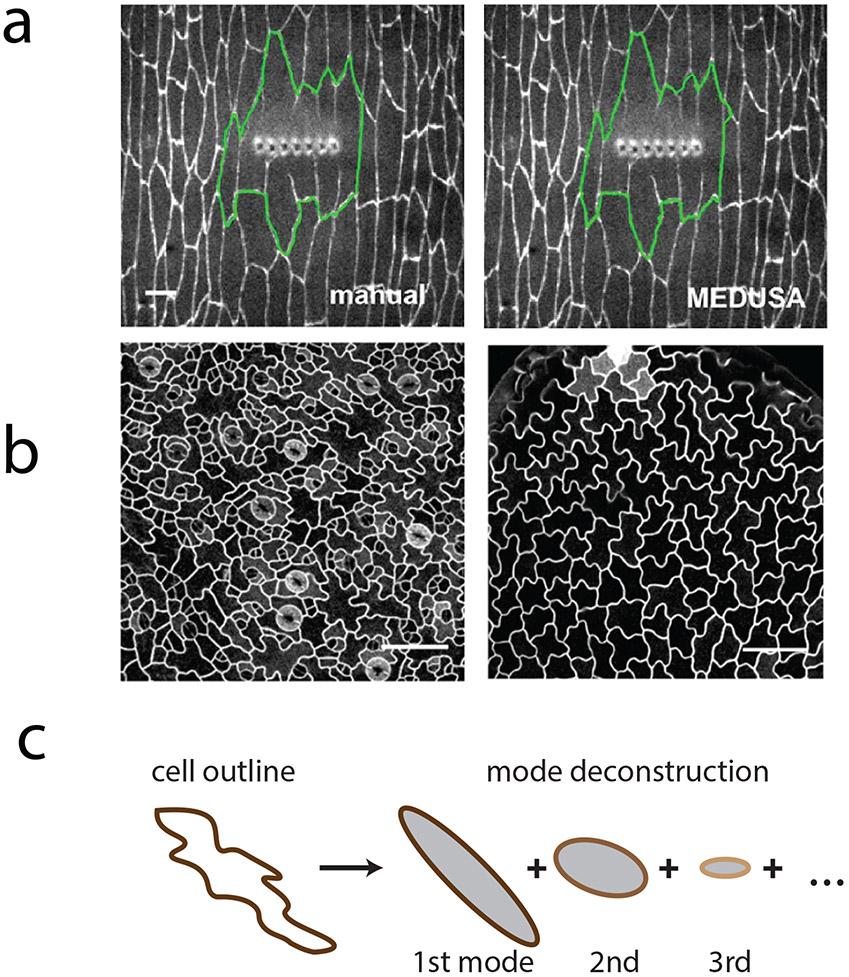
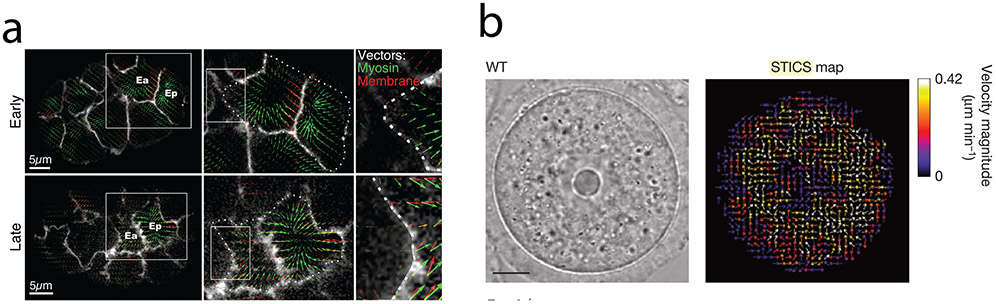
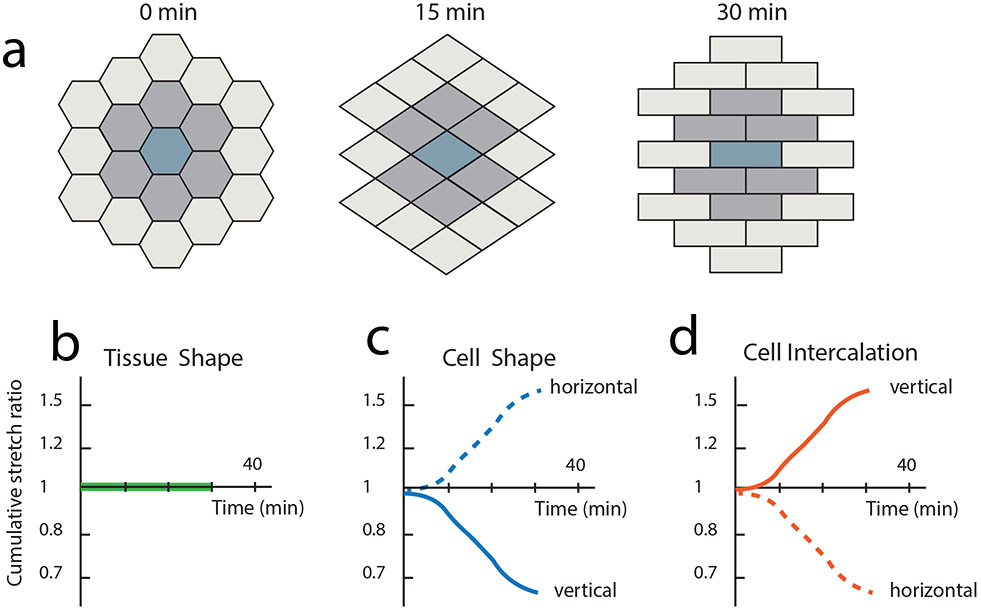
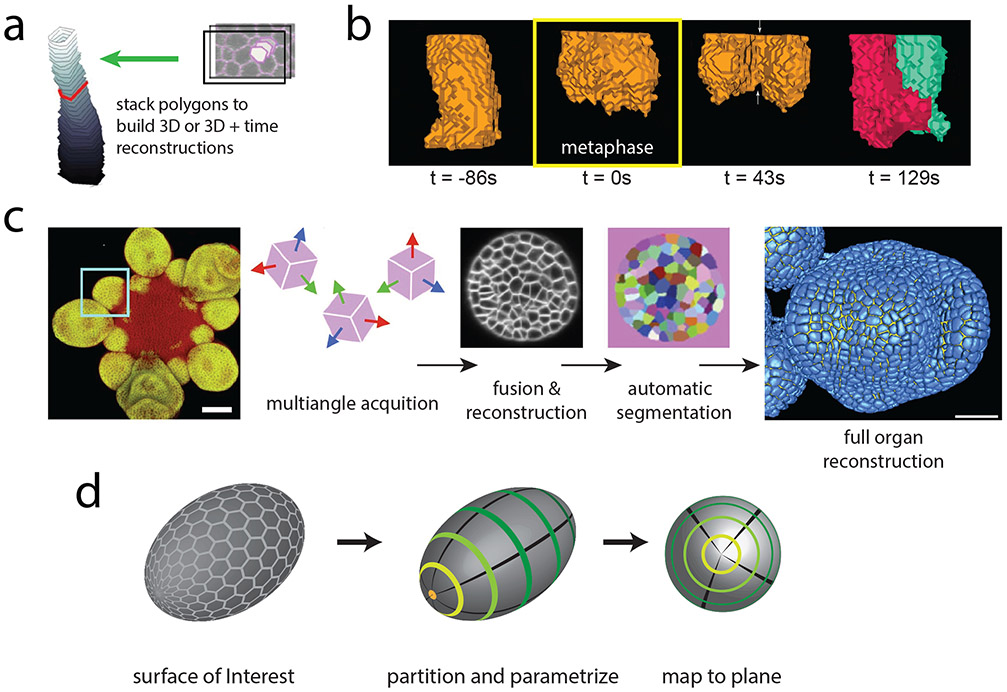
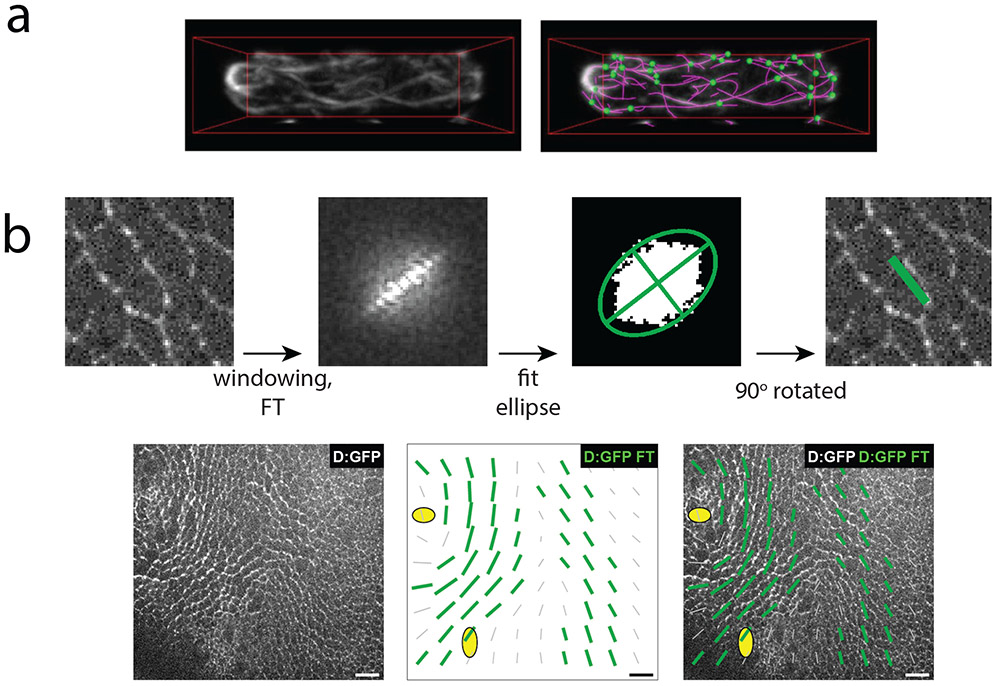
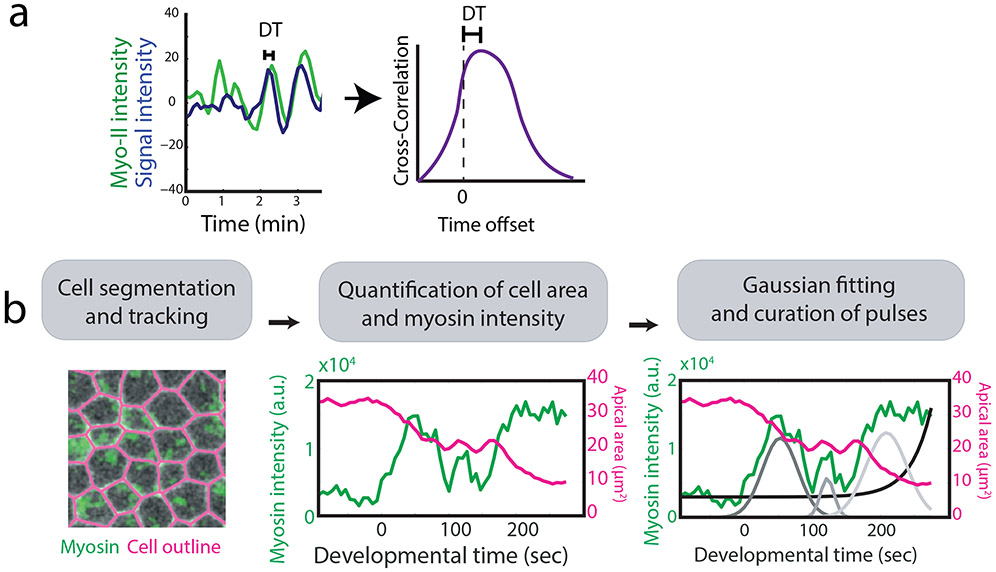
Computational approaches that enable quantification of microscopy data have revolutionized the field of developmental biology. Due to its inherent complexity, elucidating mechanisms of development requires sophisticated analysis of the structure, shape, and kinetics of cellular processes. This need has prompted the creation of numerous techniques to visualize, quantify, and merge microscopy data. These approaches have defined the order and structure of developmental events, thus, providing insight into the mechanisms that drive them. This review describes current computational approaches that are being used to answer developmental questions related to morphogenesis and describe how these approaches have impacted the field. Our intent is not to comprehensively review techniques, but to highlight examples of how different approaches have impacted our understanding of development. Specifically, we focus on methods to quantify cell shape and cytoskeleton structure and dynamics in developing tissues. Finally, we speculate on where the future of computational analysis in developmental biology might be headed. This article is categorized under: Technologies > Analysis of Cell, Tissue, and Animal Phenotypes Early Embryonic Development > Gastrulation and Neurulation Early Embryonic Development > Development to the Basic Body Plan.
能够对显微镜数据进行量化的计算方法彻底改变了发育生物学领域。由于发育过程固有的复杂性,阐明发育机制需要对细胞过程的结构、形状和动力学进行复杂的分析。这种需求促使人们创建了众多技术来可视化、量化和整合显微镜数据。这些方法确定了发育事件的顺序和结构,从而为驱动这些事件的机制提供了深入了解。本综述描述了当前用于回答与形态发生相关的发育问题的计算方法,并阐述了这些方法如何影响该领域。我们的目的不是全面回顾技术,而是突出不同方法如何影响我们对发育的理解的实例。具体而言,我们重点关注量化发育组织中细胞形状、细胞骨架结构和动力学的方法。最后,我们推测发育生物学中计算分析的未来发展方向。本文分类如下:技术>细胞、组织和动物表型分析;早期胚胎发育>原肠胚形成和神经胚形成;早期胚胎发育>基本身体计划的发育。