School of Pharmaceutical Sciences, Nanjing Tech University, Nanjing, 210009, People's Republic of China.
Institute of Advanced Materials (IAM), Nanjing Tech University, Nanjing, 210009, People's Republic of China.
J Exp Clin Cancer Res. 2018 Sep 3;37(1):210. doi: 10.1186/s13046-018-0889-x.
The development of potent non-toxic chemotherapeutic drugs against castration resistant prostate cancer (CRPC) remains a major challenge. Corosolic acid (CA), a natural triterpenoid, has anti-cancer activity with limited side effects. However, CA anti-prostate cancer activities and mechanisms, particularly in CRPC, are not clearly understood. In this study, we investigated CA anti-tumor ability against human CRPC and its mechanism of action.
The cell apoptosis and proliferation effects were evaluated via MTT detection, colony formation assay and flow cytometry. Western blot, gene transfection and immunofluorescence assay were applied to investigate related protein expression of Endoplasmic reticulum stress. A xenograft tumor model was established to investigate the inhibitory effect of CA on castration resistant prostate cancer in vivo.
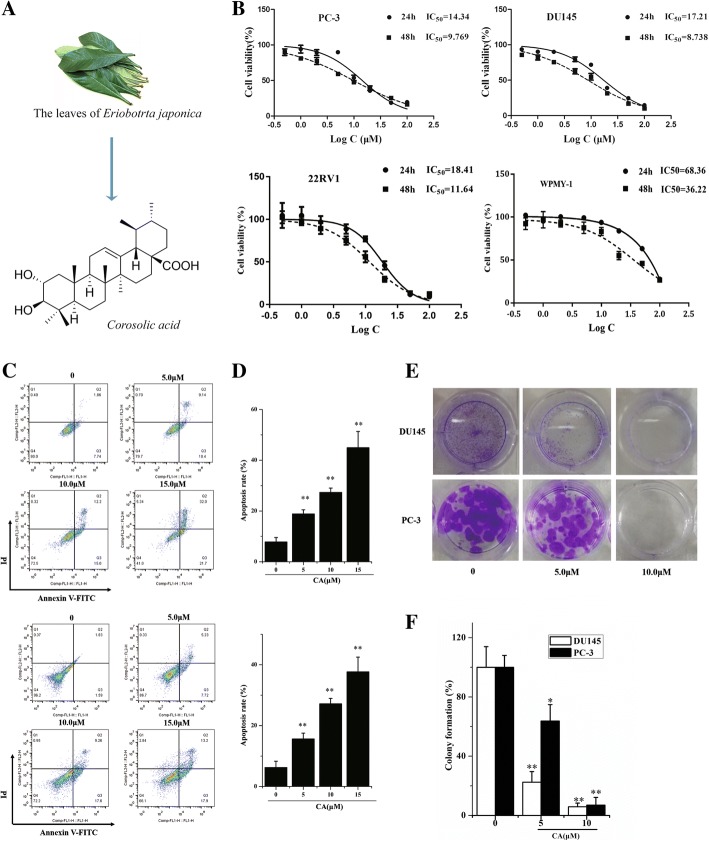
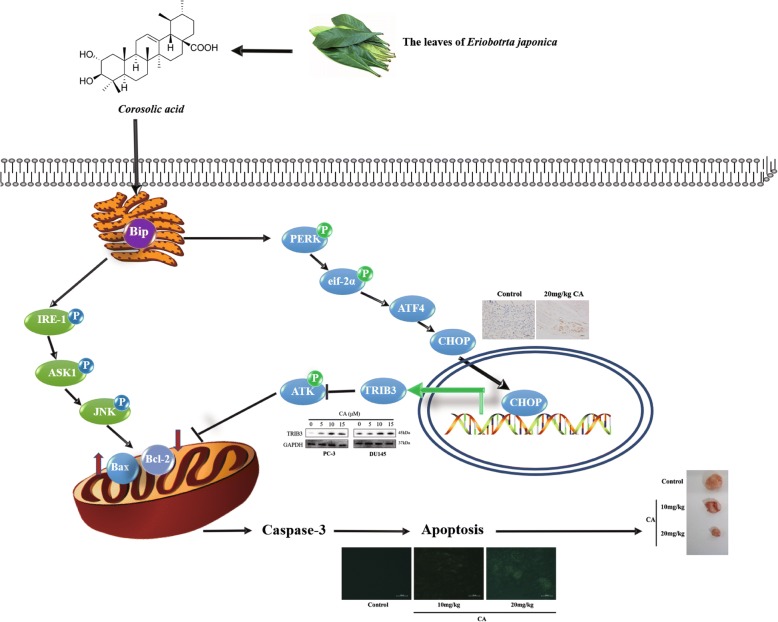
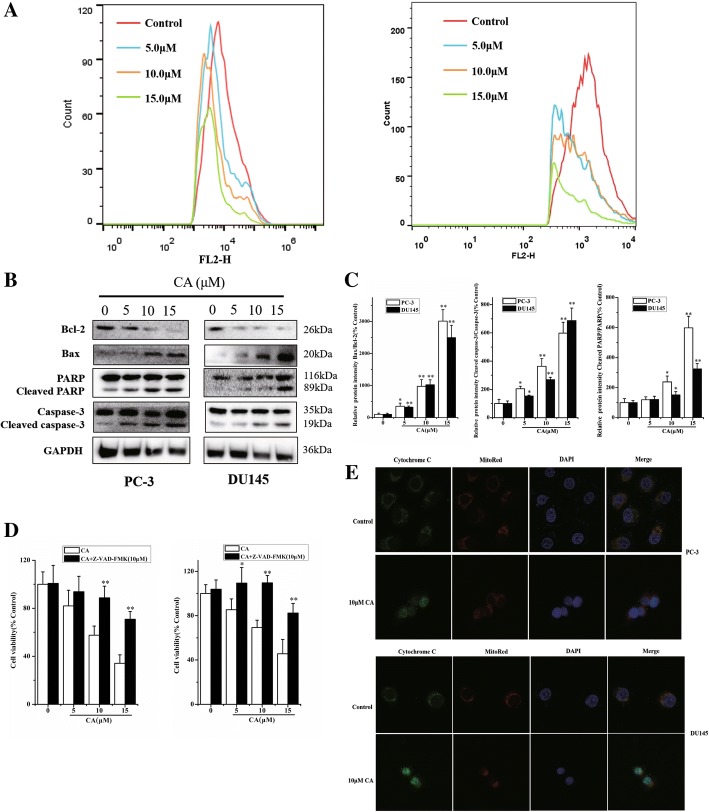
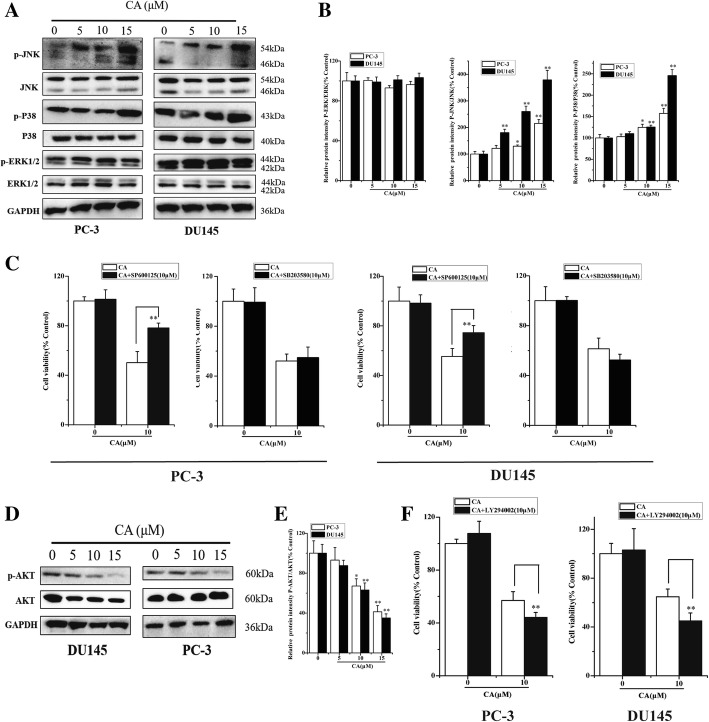
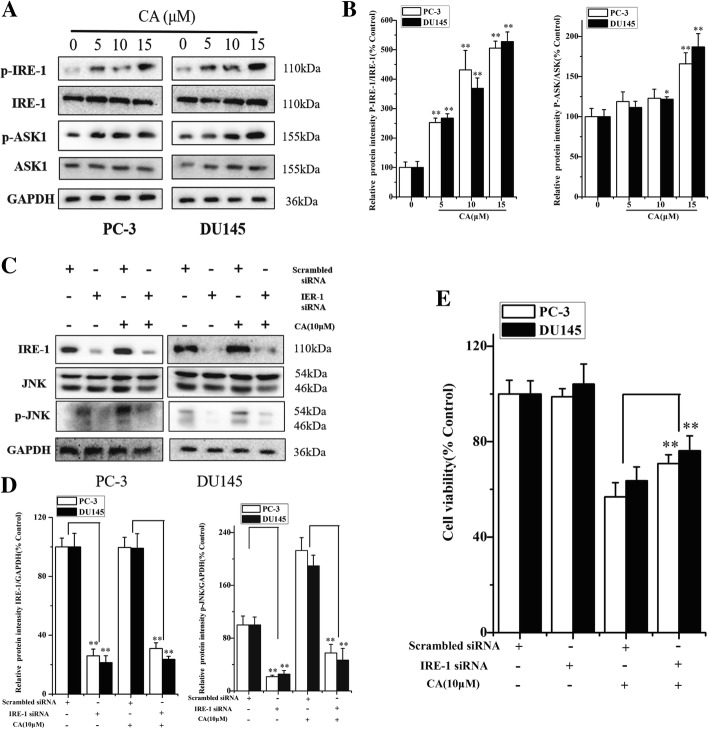
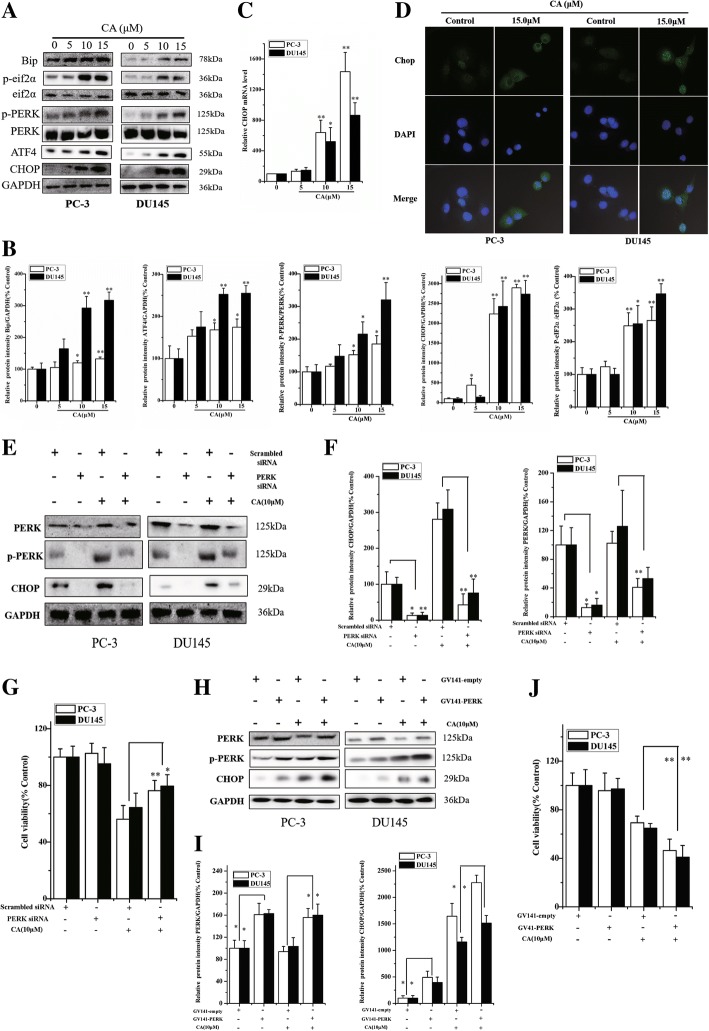
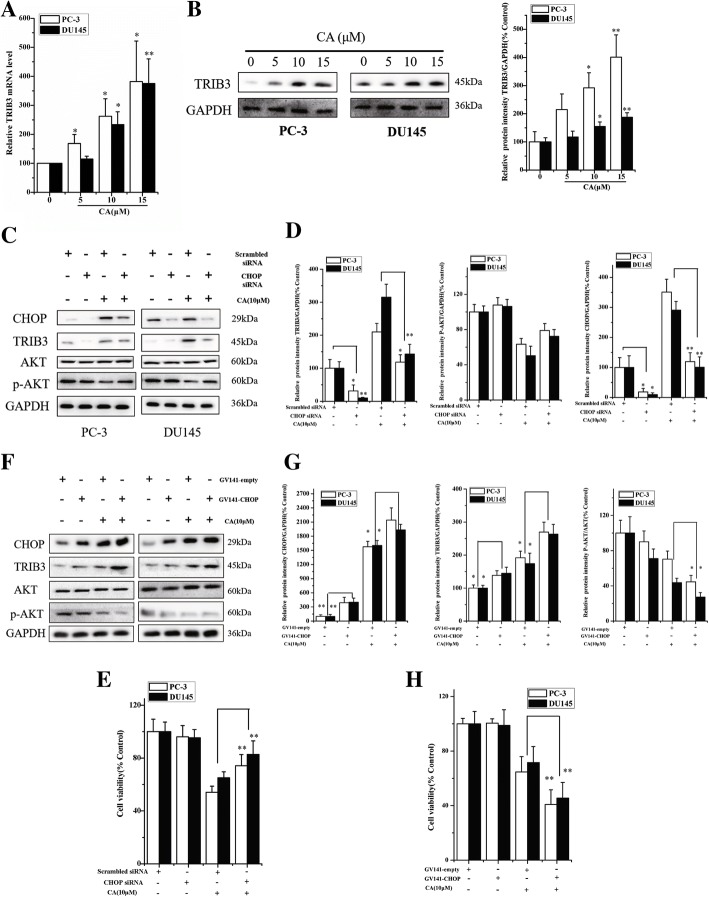
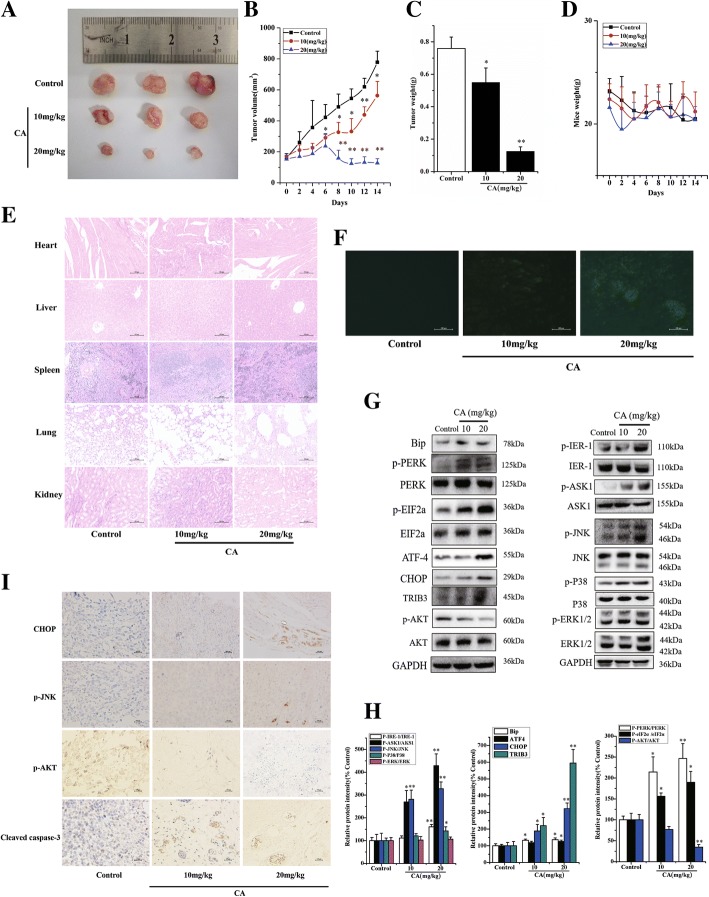
The results showed that CA inhibited cell growth and induced apoptosis in human prostate cancer cell (PCa) line PC-3 and DU145, as well as retarded tumor growth in a xenograft model, exerting a limited toxicity to normal cells and tissues. Importantly, CA activated endoplasmic reticulum (ER) stress-associated two pro-apoptotic signaling pathways, as evidenced by increased protein levels of typical ER stress markers including IRE-1/ASK1/JNK and PERK/eIF2α/ATF4/CHOP. IRE-1, PERK or CHOP knockdown partially attenuated CA cytotoxicity against PCa cells. Meanwhile, CHOP induced expression increased Tribbles 3 (TRIB3) level, which lead to AKT inactivation and PCa cell death. CHOP silencing resulted in PCa cells sensitive to CA-induced apoptosis.
Our data demonstrated, for the first time, that CA might represent a novel drug candidate for the development of an anti-CRPC therapy.
开发针对去势抵抗性前列腺癌(CRPC)的有效、低毒化疗药物仍然是一个主要挑战。熊果酸(CA)是一种天然三萜类化合物,具有抗癌活性,副作用有限。然而,CA 对前列腺癌的抗癌活性及其机制,特别是在 CRPC 中的作用机制尚不清楚。在这项研究中,我们研究了 CA 对人 CRPC 的抗肿瘤能力及其作用机制。
通过 MTT 检测、集落形成实验和流式细胞术评估细胞凋亡和增殖作用。Western blot、基因转染和免疫荧光实验用于研究内质网应激相关蛋白的表达。建立异种移植肿瘤模型,研究 CA 对体内 CRPC 的抑制作用。
结果表明,CA 抑制人前列腺癌细胞(PCa)系 PC-3 和 DU145 的细胞生长并诱导其凋亡,并在异种移植模型中抑制肿瘤生长,对正常细胞和组织的毒性有限。重要的是,CA 激活了内质网(ER)应激相关的两条促凋亡信号通路,这表现在典型 ER 应激标志物的蛋白水平增加,包括 IRE-1/ASK1/JNK 和 PERK/eIF2α/ATF4/CHOP。IRE-1、PERK 或 CHOP 的敲低部分减弱了 CA 对 PCa 细胞的细胞毒性。同时,CHOP 诱导 Tribbles 3(TRIB3)水平增加,导致 AKT 失活和 PCa 细胞死亡。CHOP 沉默导致 PCa 细胞对 CA 诱导的凋亡敏感。
我们的数据首次表明,CA 可能代表一种新型药物候选物,可用于开发抗 CRPC 治疗方法。