Du Haiwei, Wang Linyue, Liu Bo, Wang Jinying, Su Haoxiang, Zhang Ting, Huang Zhongxia
MOH Key Laboratory of Systems Biology of Pathogen, Institute of Pathogen Biology, Chinese Academy of Medical Sciences & Peking Union Medical College, Beijing, China.
Department of Hematology, Multiple Myeloma Medical Center of Beijing, Beijing Chao-yang Hospital, Capital Medical University, Beijing, China.
Front Pharmacol. 2018 Aug 22;9:884. doi: 10.3389/fphar.2018.00884. eCollection 2018.
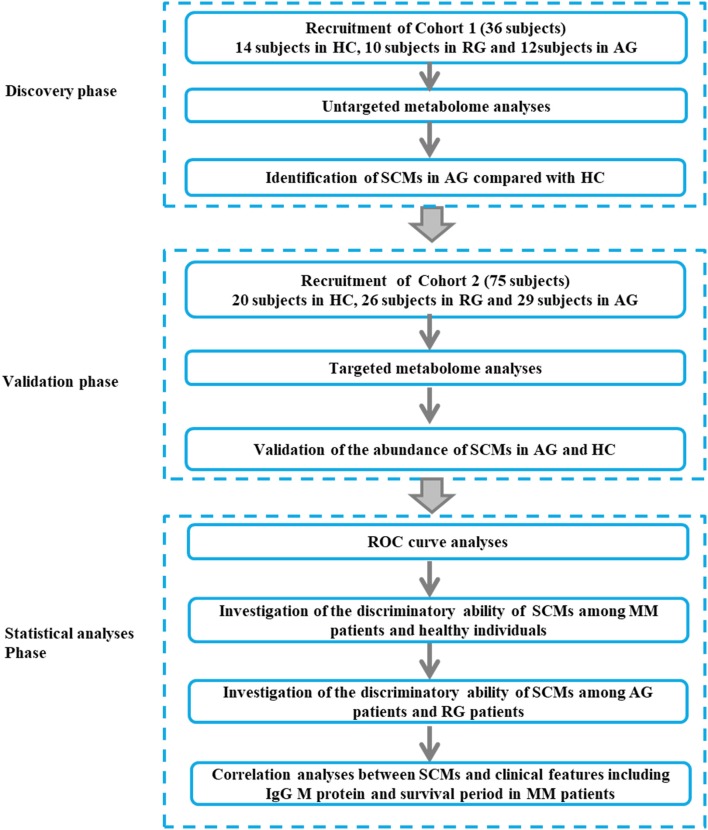
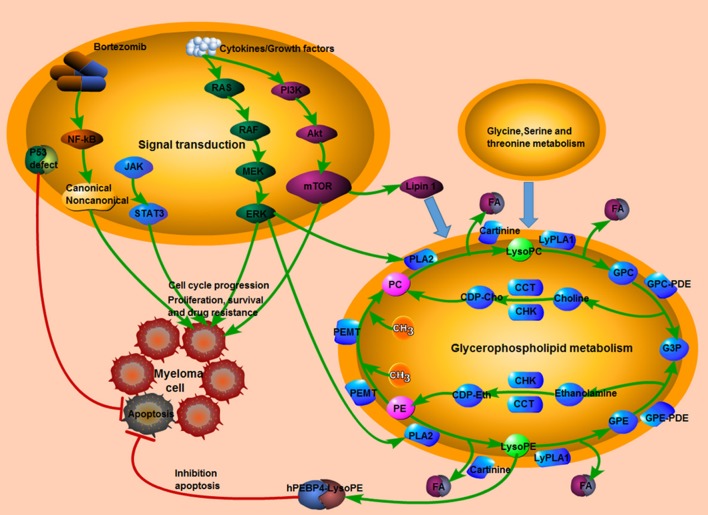
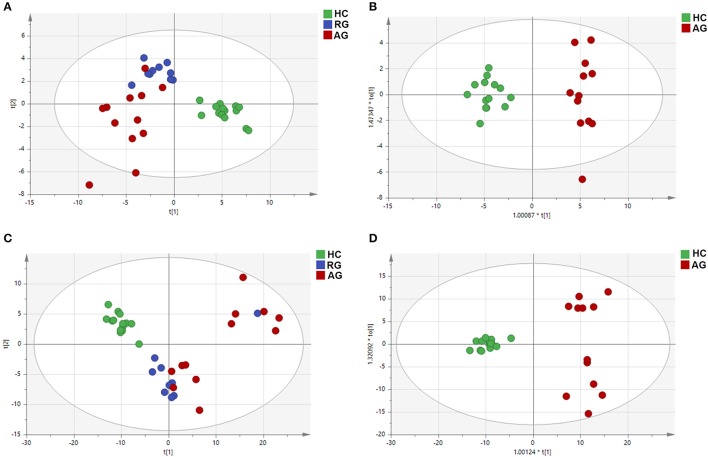
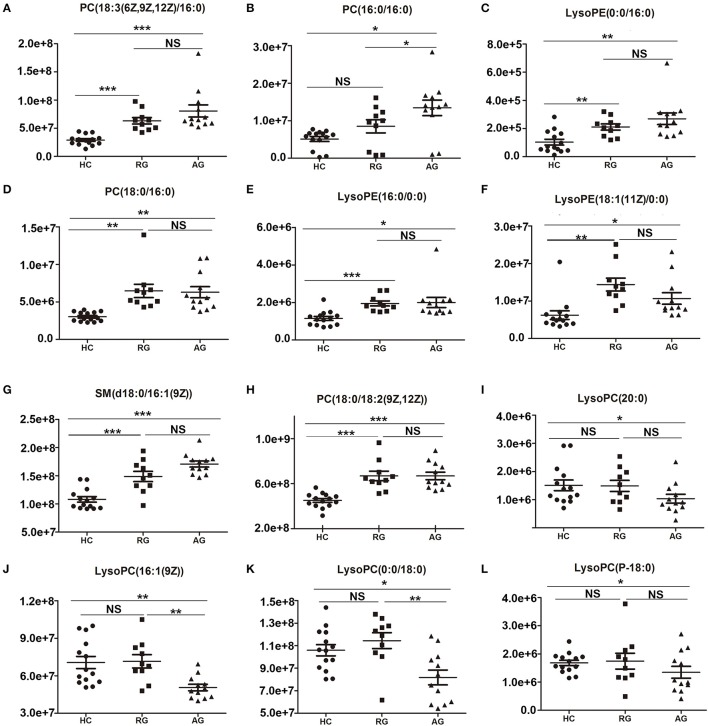
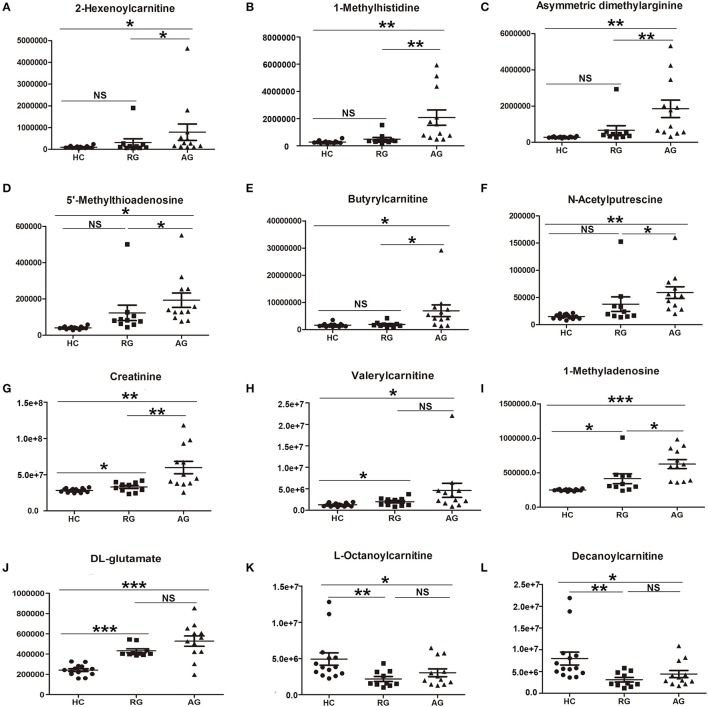
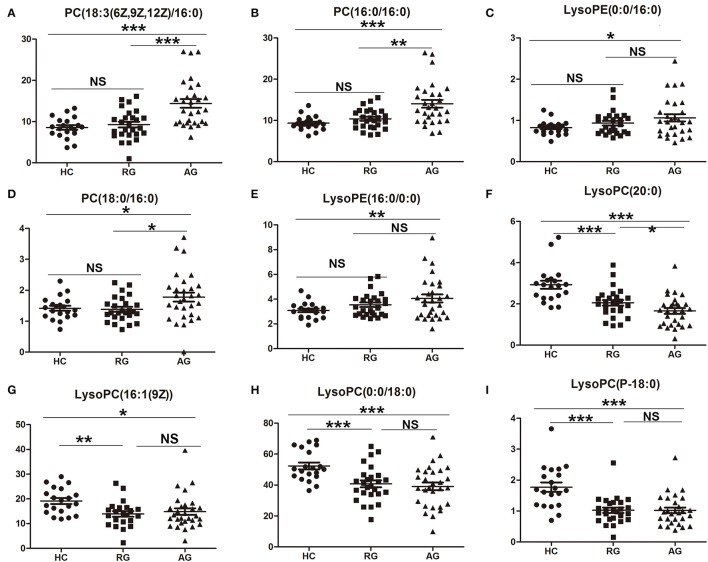
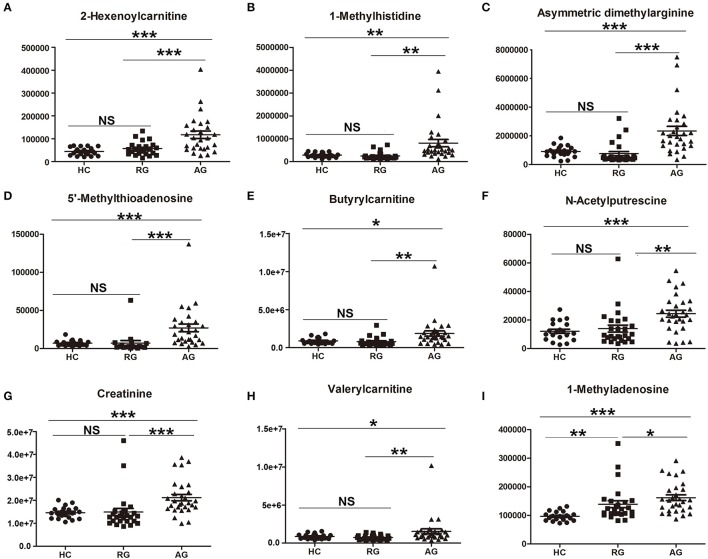
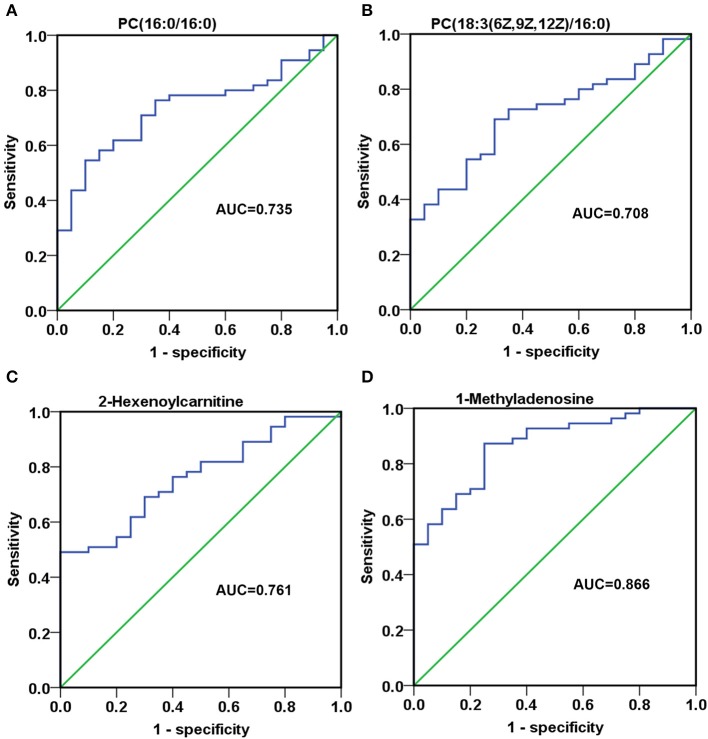
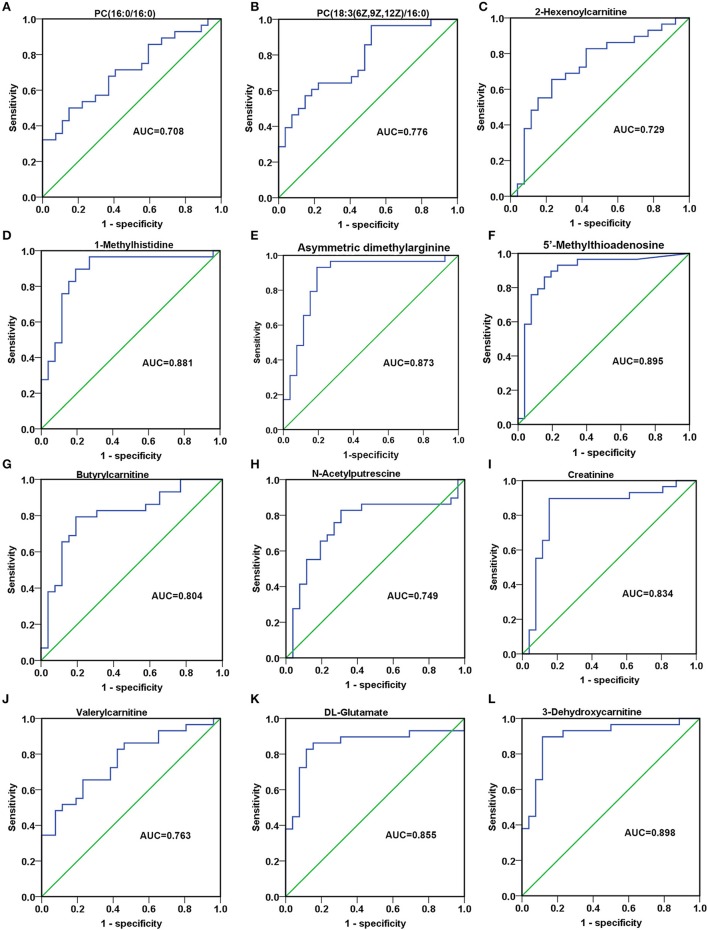
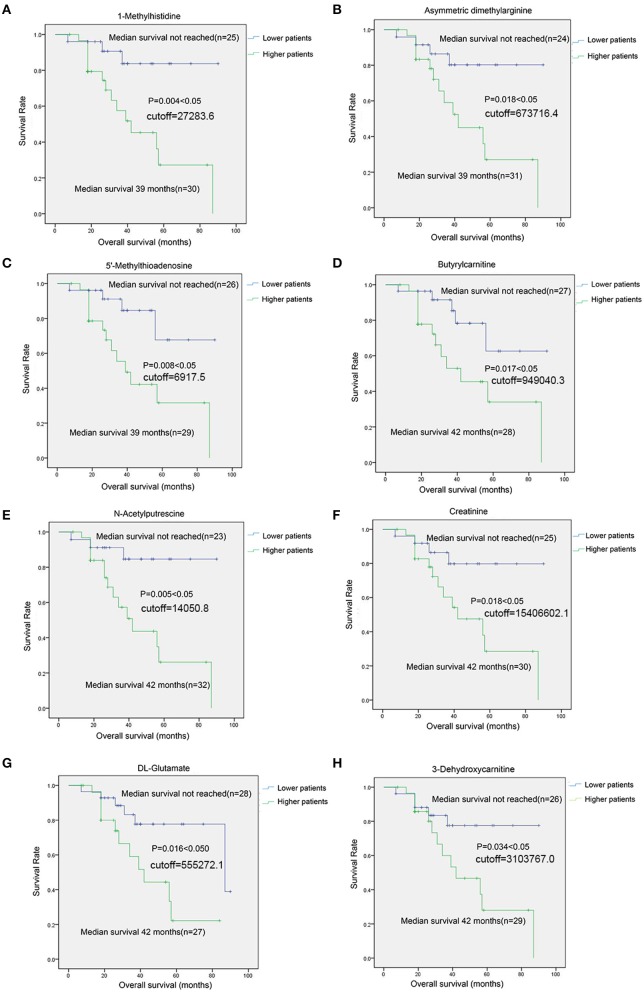
This study aimed to identify potential, non-invasive biomarkers for diagnosis and monitoring of the progress in multiple myeloma (MM) patients. MM patients and age-matched healthy controls (HC) were recruited in Discovery phase and Validation phase, respectively. MM patients were segregated into active group (AG) and responding group (RG). Serum samples were collected were conducted to non-targeted metabolomics analyses. Metabolites which were significantly changed (SCMs) among groups were identified in Discovery phase and was validated in Validation phase. The signaling pathways of these SCMs were enriched. The ability of SCMs to discriminate among groups in Validation phase was analyzed through receiver operating characteristic curve. The correlations between SCMs and clinical features, between SCMs and survival period of MM patients were analyzed. Total of 23 SCMs were identified in AG compared with HC both in Discovery phase and Validation phase. Those SCMs were significantly enriched in arginine and proline metabolism and glycerophospholipid metabolism. 4 SCMs had the discriminatory ability between MM patients and healthy controls in Validation phase. Moreover, 12 SCMs had the ability to discriminate between the AG patients and RG patients in Validation phase. 10 out of 12 SCMs correlated with advanced features of MM. Moreover, 8 out of 12 SCMs had the negative impact on the survival of MM. 5'-Methylthioadenosine may be the only independent prognostic factor in survival period of MM. 10 SCMs identified in our study, which correlated with advanced features of MM, could be potential, novel, non-invasive biomarkers for active disease in MM.
本研究旨在识别用于诊断和监测多发性骨髓瘤(MM)患者病情进展的潜在非侵入性生物标志物。在发现阶段和验证阶段分别招募了MM患者和年龄匹配的健康对照(HC)。MM患者被分为活动组(AG)和缓解组(RG)。收集血清样本进行非靶向代谢组学分析。在发现阶段识别出组间有显著变化的代谢物(SCMs),并在验证阶段进行验证。对这些SCMs的信号通路进行富集分析。通过受试者工作特征曲线分析验证阶段SCMs区分不同组别的能力。分析SCMs与临床特征之间、SCMs与MM患者生存期之间的相关性。在发现阶段和验证阶段,与HC相比,AG组共鉴定出23种SCMs。这些SCMs在精氨酸和脯氨酸代谢以及甘油磷脂代谢中显著富集。在验证阶段,4种SCMs具有区分MM患者和健康对照的能力。此外,在验证阶段,12种SCMs具有区分AG组患者和RG组患者的能力。12种SCMs中有10种与MM的晚期特征相关。此外,12种SCMs中有8种对MM患者的生存有负面影响。5'-甲硫腺苷可能是MM生存期唯一的独立预后因素。本研究中鉴定出的10种与MM晚期特征相关的SCMs,可能是MM活动性疾病潜在的新型非侵入性生物标志物。