Sullivan Gavin B
Centre for Trust, Peace and Social Relations, Coventry University, Coventry, United Kingdom.
Front Psychol. 2018 Aug 21;9:1252. doi: 10.3389/fpsyg.2018.01252. eCollection 2018.
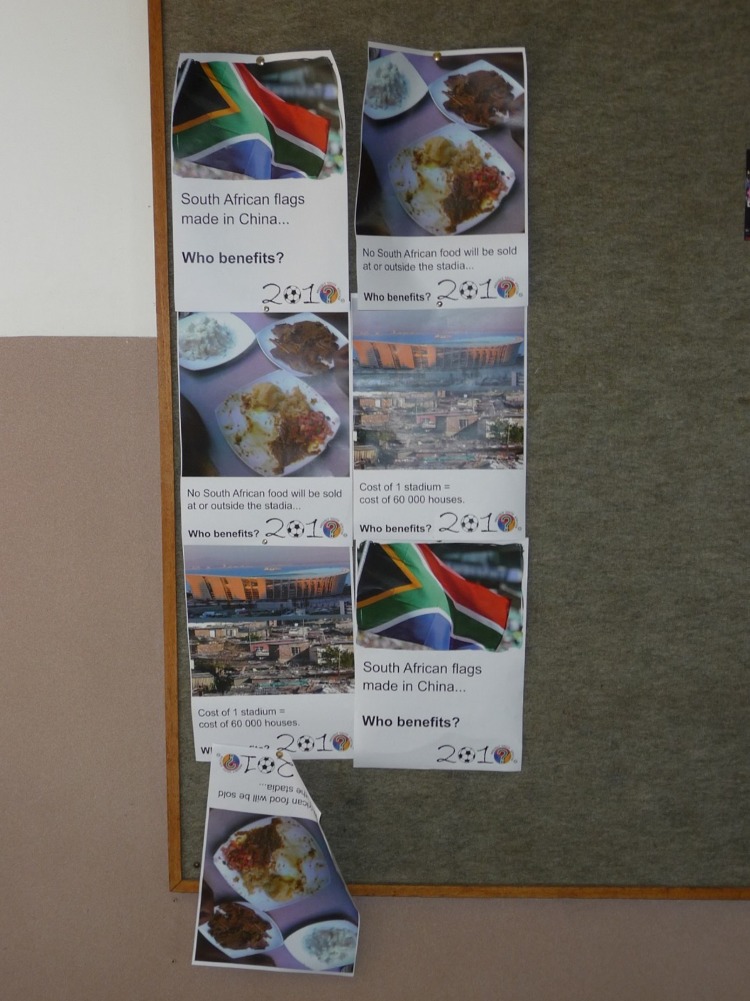
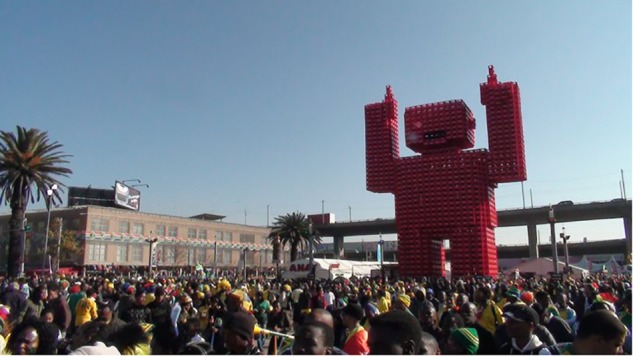
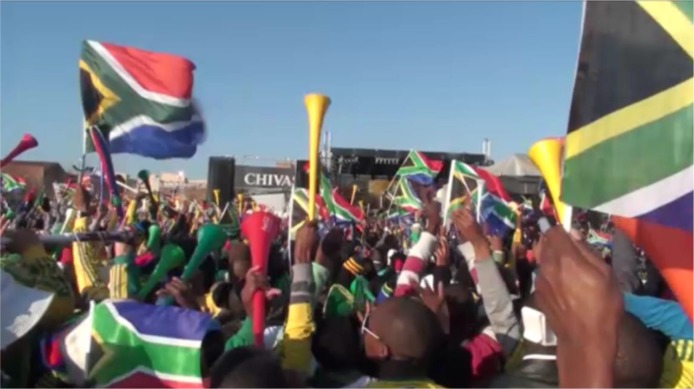
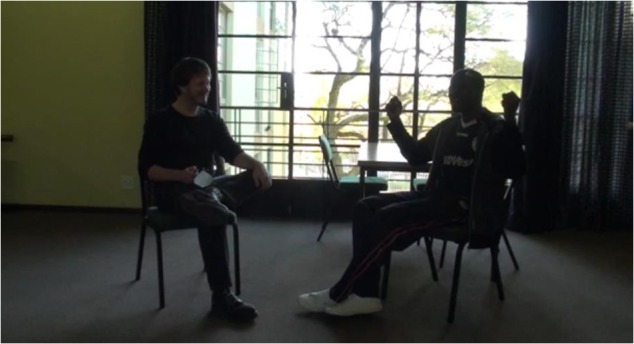
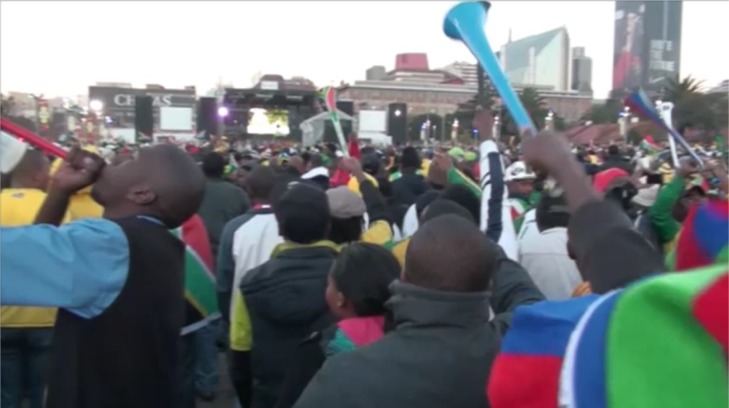
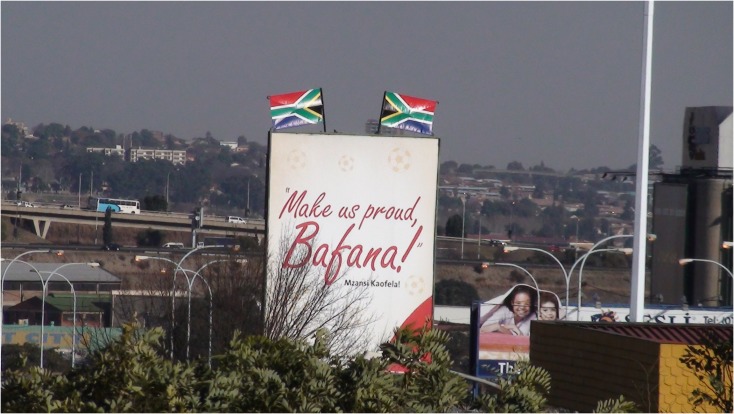
Collective emotions experienced as existing objectively and widely shared challenge traditional views of emotions based on personal or private interests. This paper extends theories of group and crowd emotions focusing on social appraisal, social identity, emotional contagion, and ecstatic nationalism, and adds an interdisciplinary approach to research on international mega-sporting event impacts and legacies by examining the national-level collective emotions produced by a mega-sport event-the 2010 World Cup in South Africa. The novel case study approach triangulates ethnographic observations of life in downtown Johannesburg before and during the World Cup with a critical thematic analysis of qualitative interviews of 10 South Africans and the author's and publicly posted videorecordings of individual and collective behavior. I explore how citizen support for efforts to pursue national projects combined with international attention to generate widespread and genuinely coordinated collective emotions of euphoria and pride. The social ontology-based analysis considers bottom-up and top-down mechanisms of emotional spread and influence along with important expressive-performative contributions of culture-specific forms of group-based and collective action tendencies. Moreover, the study shows how group agency in the form of coordinated ritualistic bases realized group affects spontaneously and normatively as South Africans desired, accepted and celebrated achieving team and host-related group goals. These results provide new insights into the emotions that occur in public events in two phases, (1) creation of collective normative commitment in practice related to group ethos and national interests and goals prior to the tournament start, and (2) during the tournament when dynamic relations between group-based and collective emotions also generated feelings of unity and solidarity. Together they highlight unique predisposing cultural and historical features of the emotional and affective-discursive practices associated with the World Cup for South Africans, limits to the spread of emotions of enthusiasm from urban cities to rural areas, forms of excitement and celebration in public spaces, instances of ambivalence about efforts to enact support for the nation's World Cup team and host role, and indicate how collective emotional experiences are internalized, embodied and reproduced in accounts of national transformation, concerns about fragile intergroup solidarity, and instances of group-based hubristic pride.
集体情绪被体验为客观存在且广泛共享,这对基于个人或私人利益的传统情绪观提出了挑战。本文扩展了群体和人群情绪理论,这些理论关注社会评价、社会认同、情绪感染和狂喜民族主义,并通过研究一项大型体育赛事——2010年南非世界杯所产生的国家级集体情绪,为国际大型体育赛事影响及遗产的研究增添了一种跨学科方法。新颖的案例研究方法将世界杯前后约翰内斯堡市中心生活的民族志观察与对10名南非人的定性访谈的批判性主题分析以及作者和公开发布的个人与集体行为视频记录相结合。我探讨了公民对追求国家项目努力的支持如何与国际关注相结合,从而产生广泛且真正协调一致的欣快和自豪的集体情绪。基于社会本体论的分析考虑了情绪传播和影响的自下而上和自上而下机制,以及特定文化形式的基于群体和集体行动倾向的重要表达性表演贡献。此外,该研究展示了以协调的仪式基础形式存在的群体能动性如何自发且规范地实现群体影响,正如南非人所期望、接受和庆祝的那样,实现与球队及主办相关的群体目标。这些结果为公共事件中出现的情绪提供了新的见解,分为两个阶段:(1)在赛事开始前,在与群体精神以及国家利益和目标相关的实践中创造集体规范承诺;(2)在赛事期间,基于群体和集体情绪之间的动态关系也产生团结和凝聚感的时候。它们共同突出了与世界杯相关的情绪及情感话语实践对南非人而言独特的先在文化和历史特征、热情情绪从城市向农村传播的局限性、公共场所的兴奋和庆祝形式、对为国家世界杯球队和主办角色提供支持的努力存在矛盾情绪的实例,并指出集体情感体验如何在国家转型的叙述、对脆弱的群体间团结的担忧以及基于群体的傲慢自豪的实例中被内化、体现和再现。