Kahler Charlene M, Nawrocki K L, Anandan A, Vrielink Alice, Shafer William M
The Marshall Center for Infectious Diseases Research and Training, School of Biomedical Sciences, University of Western Australia, Crawley, WA, Australia.
Perth Children's Hospital, Telethon Kids Institute, Subiaco, WA, Australia.
Front Microbiol. 2018 Aug 21;9:1922. doi: 10.3389/fmicb.2018.01922. eCollection 2018.
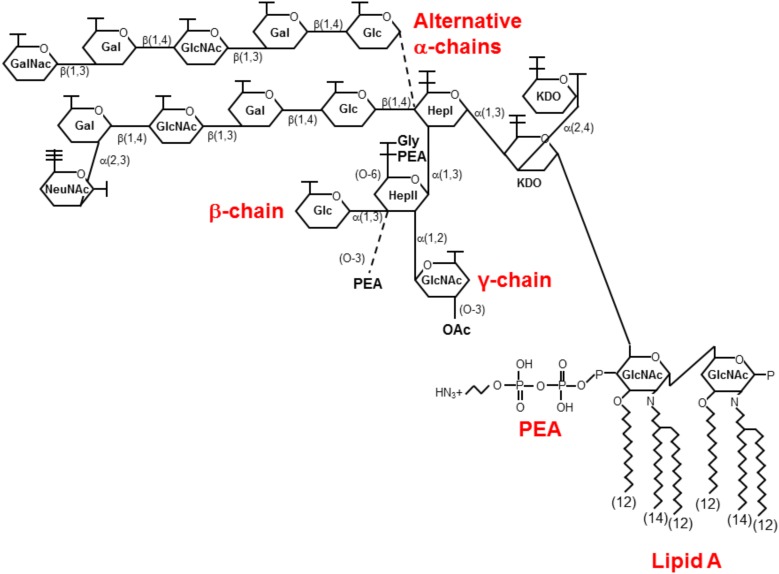
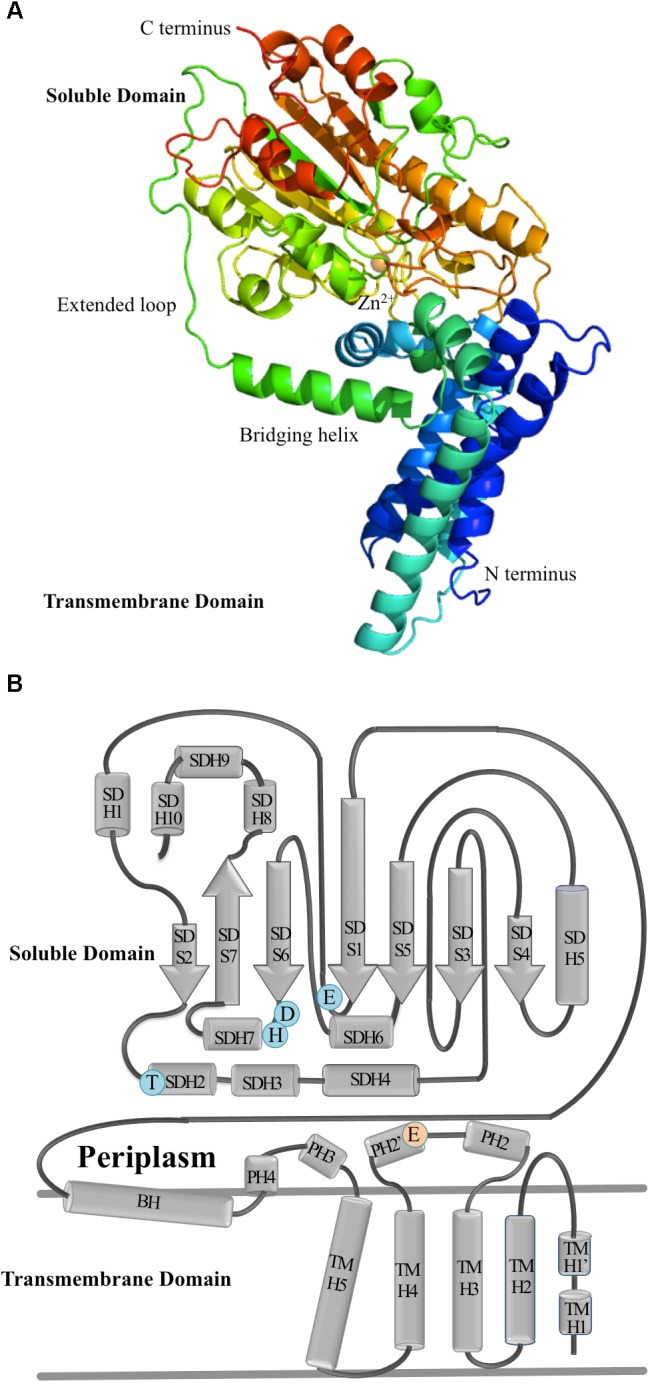
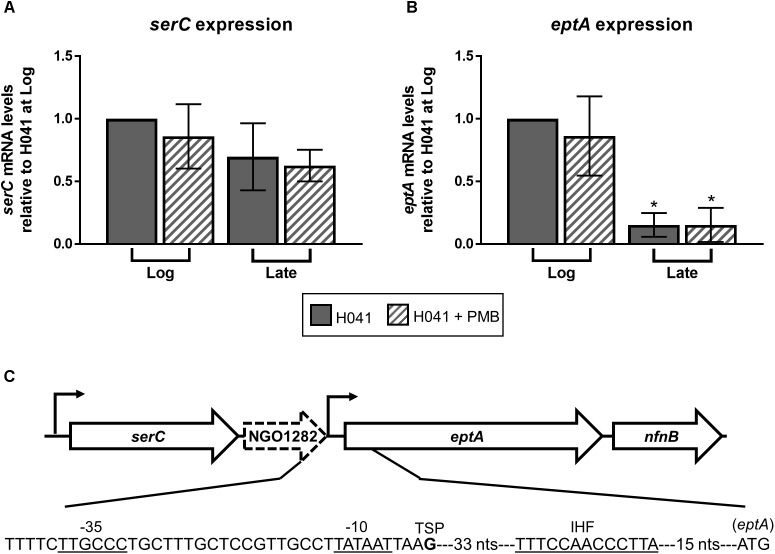
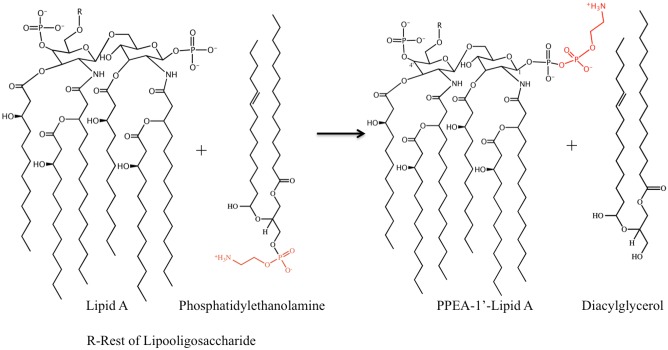
Bacteria cause disease by two general mechanisms: the action of their toxins on host cells and induction of a pro-inflammatory response that can lead to a deleterious cytokine/chemokine response (e.g., the so-called cytokine storm) often seen in bacteremia/septicemia. These major mechanisms may overlap due to the action of surface structures that can have direct and indirect actions on phagocytic or non-phagocytic cells. In this respect, the lipid A (endotoxin) component of lipopolysaccharide (LPS) possessed by Gram-negative bacteria has been the subject of literally thousands of studies over the past century that clearly identified it as a key virulence factor in endotoxic shock. In addition to its capacity to modulate inflammatory responses, endotoxin can also modulate bacterial susceptibility to host antimicrobials, such as the host defense peptides termed cationic antimicrobial peptides. This review concentrates on the phosphoethanolamine (PEA) decoration of lipid A in the pathogenic species of the genus [ and ]. PEA decoration of lipid A is mediated by the enzyme EptA (formerly termed LptA) and promotes resistance to innate defense systems, induces the pro-inflammatory response and can influence the fitness of bacteria during infection. These important biological properties have driven efforts dealing with the biochemistry and structural biology of EptA that will facilitate the development of potential inhibitors that block PEA addition to lipid A.
其毒素对宿主细胞的作用以及诱导促炎反应,这种反应可导致在菌血症/败血症中常见的有害细胞因子/趋化因子反应(例如所谓的细胞因子风暴)。由于表面结构的作用,这些主要机制可能会重叠,这些表面结构可对吞噬细胞或非吞噬细胞产生直接和间接作用。在这方面,革兰氏阴性菌所具有的脂多糖(LPS)的脂质A(内毒素)成分在过去一个世纪中一直是数千项研究的主题,这些研究明确将其确定为内毒素休克中的关键毒力因子。除了调节炎症反应的能力外,内毒素还可以调节细菌对宿主抗菌物质的敏感性,例如被称为阳离子抗菌肽的宿主防御肽。本综述集中于[属]和[属]致病物种中脂质A的磷酸乙醇胺(PEA)修饰。脂质A的PEA修饰由EptA酶(以前称为LptA)介导,并促进对先天防御系统的抗性,诱导促炎反应,并可影响感染期间细菌的适应性。这些重要的生物学特性推动了对EptA生物化学和结构生物学的研究,这将有助于开发阻断PEA添加到脂质A的潜在抑制剂。