Department of Human Genetics, University of Chicago, Chicago, Illinois, United States of America.
Oxford University Clinical Research Unit, Patan Hospital, Kathmandu, Nepal.
PLoS Genet. 2018 Sep 6;14(9):e1007650. doi: 10.1371/journal.pgen.1007650. eCollection 2018 Sep.
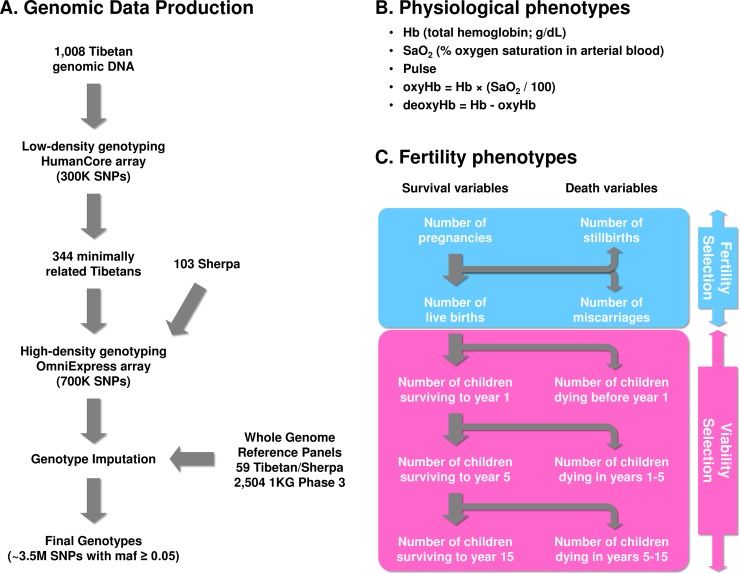
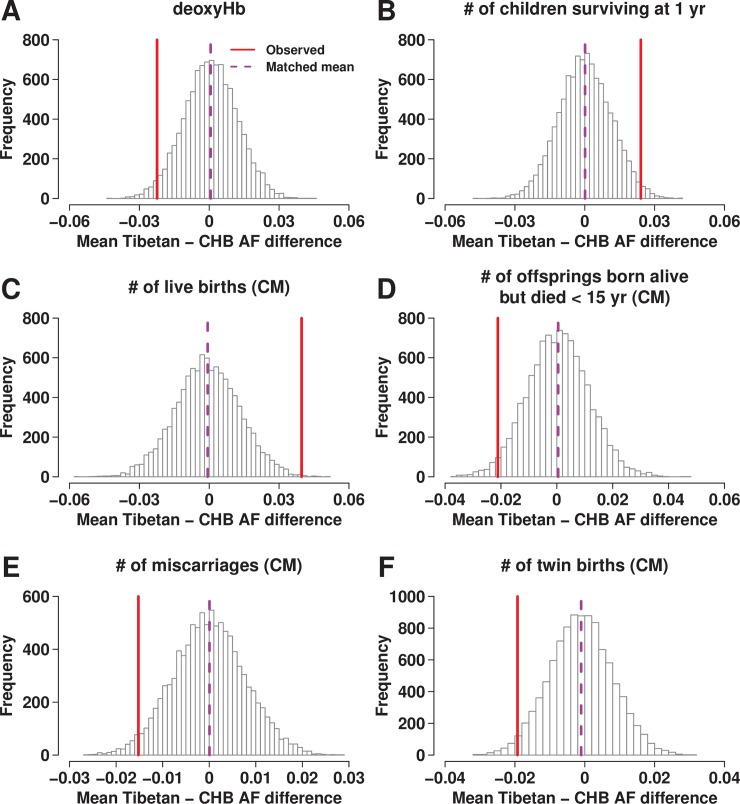
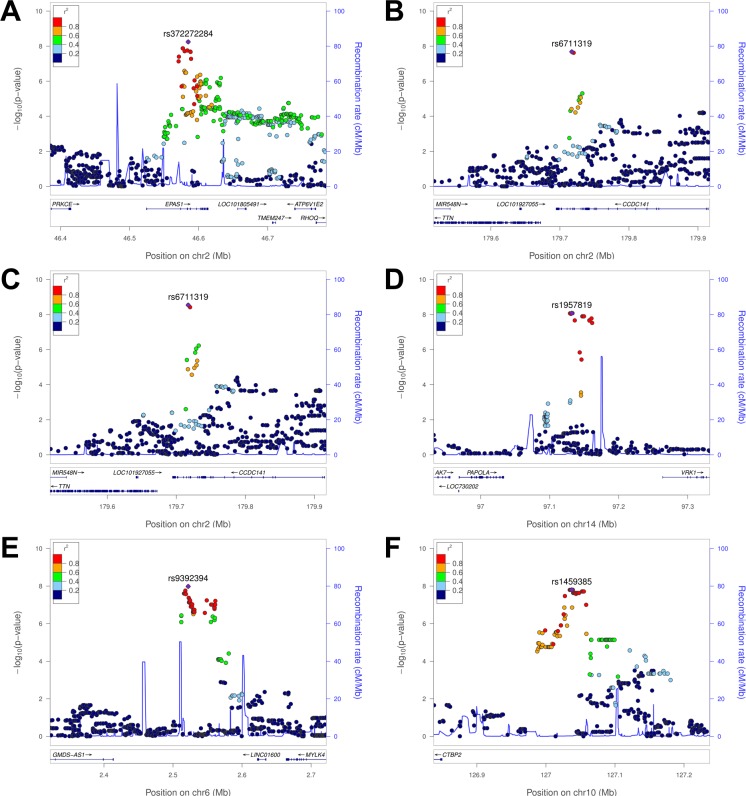
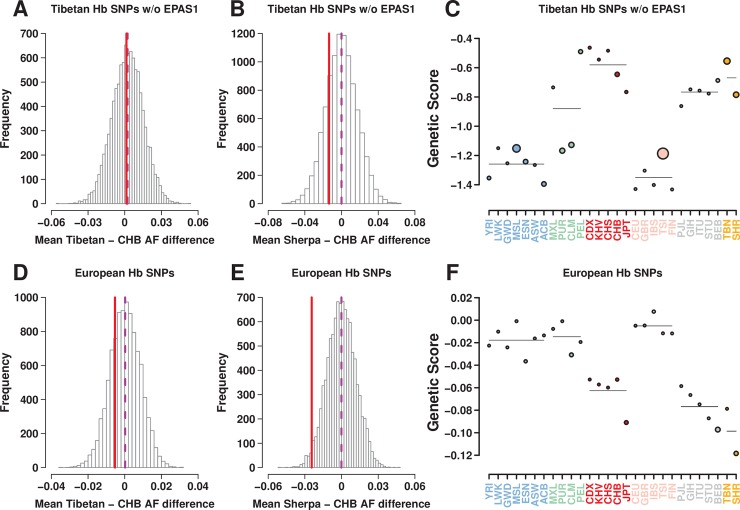
Adaptive evolution in humans has rarely been characterized for its whole set of components, i.e. selective pressure, adaptive phenotype, beneficial alleles and realized fitness differential. We combined approaches for detecting polygenic adaptations and for mapping the genetic bases of physiological and fertility phenotypes in approximately 1000 indigenous ethnically Tibetan women from Nepal, adapted to high altitude. The results of genome-wide association analyses and tests for polygenic adaptations showed evidence of positive selection for alleles associated with more pregnancies and live births and evidence of negative selection for those associated with higher offspring mortality. Lower hemoglobin level did not show clear evidence for polygenic adaptation, despite its strong association with an EPAS1 haplotype carrying selective sweep signals.
人类的适应性进化很少被描述为其全部组成部分,即选择压力、适应性表型、有益等位基因和实现的适应度差异。我们结合了检测多基因适应的方法,并对尼泊尔约 1000 名适应高海拔的藏族女性的生理和生育表型的遗传基础进行了作图。全基因组关联分析和多基因适应检测的结果表明,与更多妊娠和活产相关的等位基因存在正选择的证据,而与更高后代死亡率相关的等位基因存在负选择的证据。尽管血红蛋白水平与携带选择信号的 EPAS1 单倍型强烈相关,但它没有明显的多基因适应证据。