National Key Laboratory of Crop Genetic Improvement, College of Plant Science and Technology, Huazhong Agricultural University, Wuhan, China.
Egyptian Deserts Gene Bank, North Sinai Research Station, Department of Plant Genetic Resources, Desert Research Center, Egypt.
DNA Res. 2018 Dec 1;25(6):597-617. doi: 10.1093/dnares/dsy028.
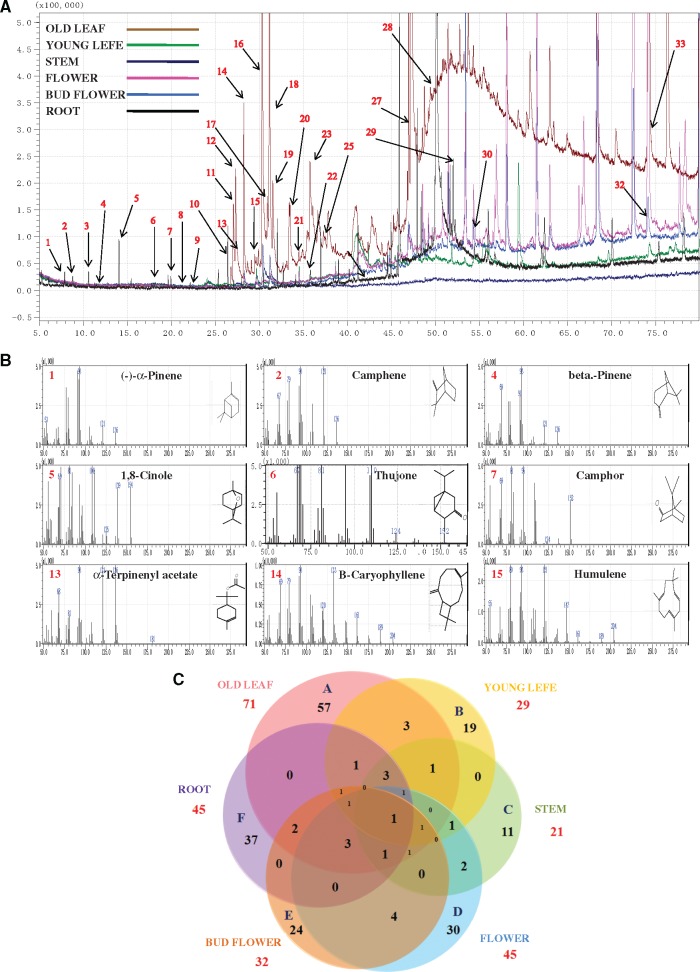
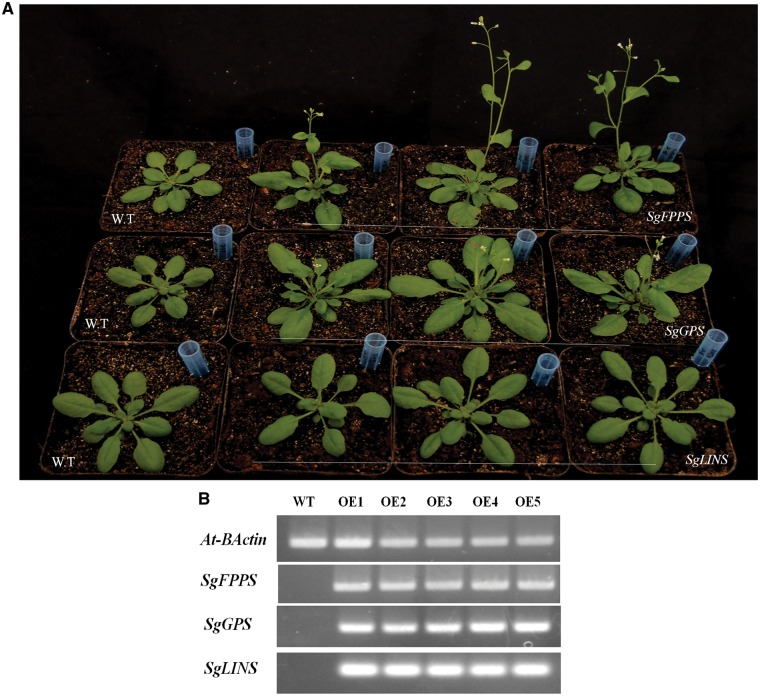
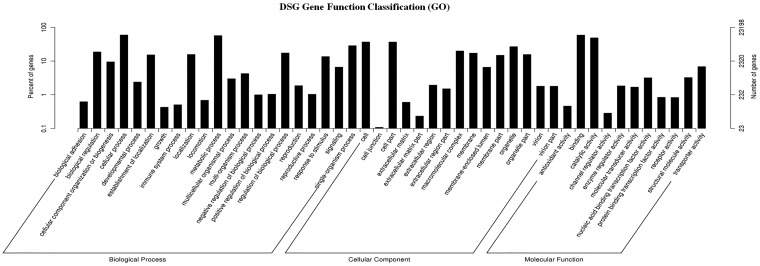
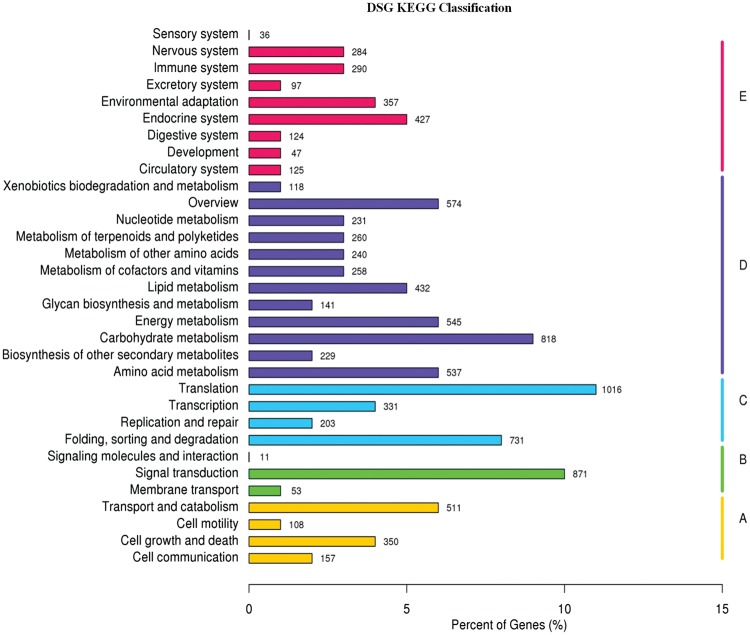
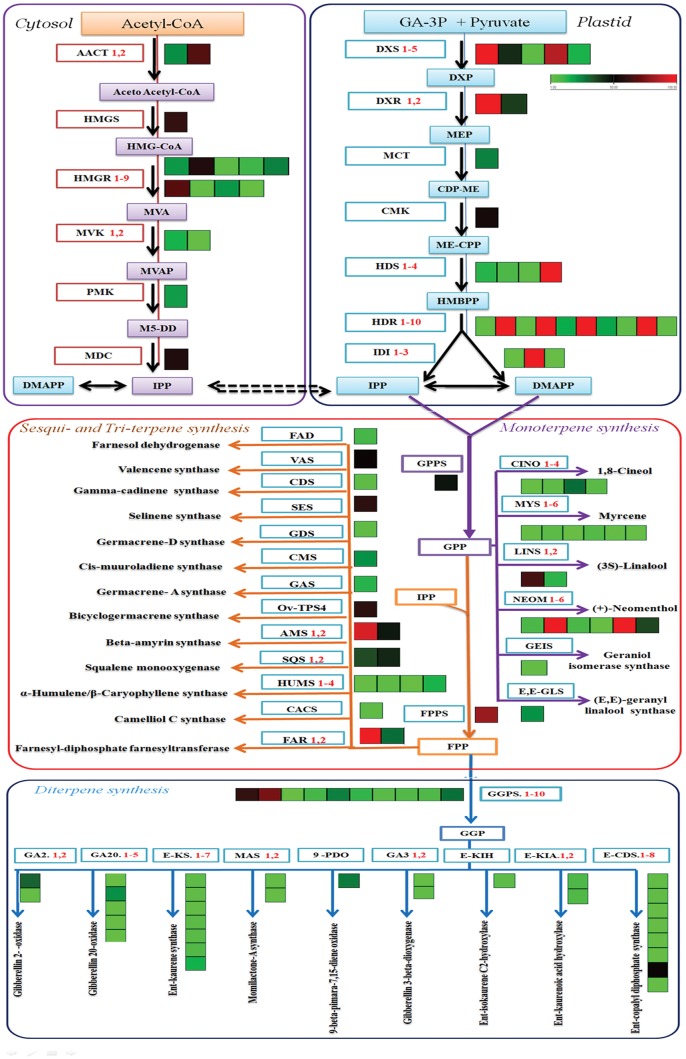
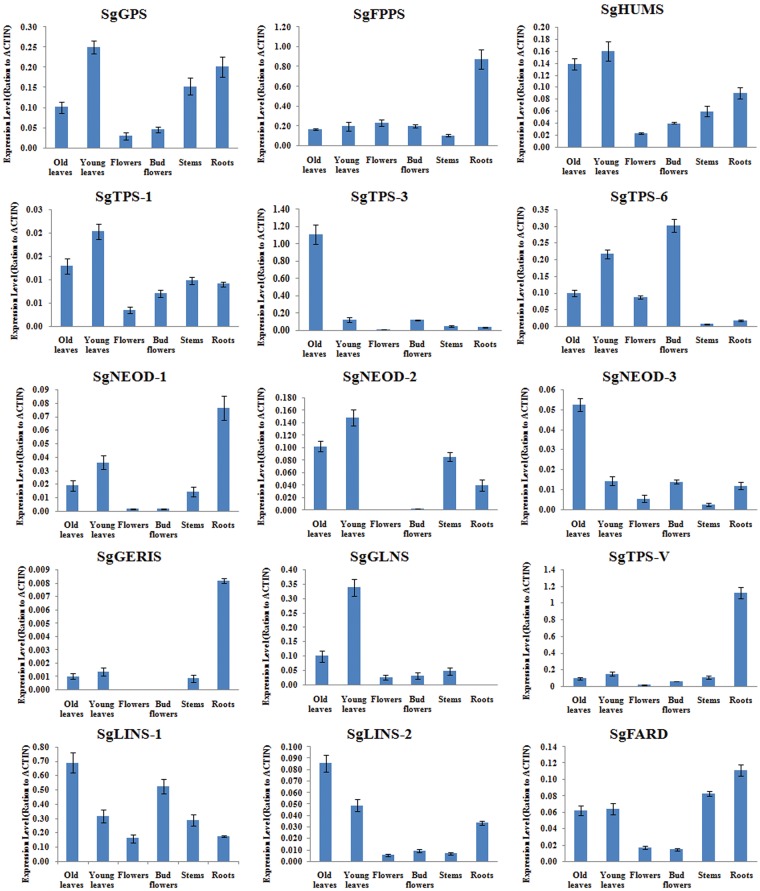
Many terpenoid compounds have been extracted from different tissues of Salvia guaranitica. However, the molecular genetic basis of terpene biosynthesis pathways is virtually unknown. In this study, approximately 4 Gb of raw data were generated from the transcriptome of S. guaranitica leaves using Illumina HiSeq 2000 sequencing. After filtering and removing the adapter sequences from the raw data, the number of reads reached 32 million, comprising 186 million of high-quality nucleotide bases. A total of 61,400 unigenes were assembled de novo and annotated for establishing a valid database for studying terpenoid biosynthesis. We identified 267 unigenes that are putatively involved in terpenoid metabolism (including, 198 mevalonate and methyl-erythritol phosphate (MEP) pathways, terpenoid backbone biosynthesis genes and 69 terpene synthases genes). Moreover, three terpene synthase genes were studied for their functions in terpenoid biosynthesis by using transgenic Arabidopsis; most transgenic Arabidopsis plants expressing these terpene synthetic genes produced increased amounts of terpenoids compared with wild-type control. The combined data analyses from the transcriptome and metabolome provide new insights into our understanding of the complex metabolic genes in terpenoid-rich blue anise sage, and our study paves the way for the future metabolic engineering of the biosynthesis of useful terpene compounds in S. guaranitica.
从天蓝鼠尾草的不同组织中提取了许多萜类化合物。然而,萜类生物合成途径的分子遗传基础实际上是未知的。在这项研究中,使用 Illumina HiSeq 2000 测序从天蓝鼠尾草叶片的转录组中生成了大约 4GB 的原始数据。在从原始数据中过滤和去除接头序列后,读取次数达到 3200 万次,包含 1.86 亿个高质量核苷酸碱基。总共组装了 61400 个新的非编码 RNA,并对其进行了注释,以建立一个有效的数据库,用于研究萜类生物合成。我们鉴定了 267 个可能参与萜类代谢的非编码 RNA(包括 198 个甲羟戊酸和甲基赤藓醇磷酸(MEP)途径、萜类骨架生物合成基因和 69 个萜烯合酶基因)。此外,通过使用转基因拟南芥研究了三个萜烯合酶基因在萜类生物合成中的功能;与野生型对照相比,表达这些萜类合成基因的大多数转基因拟南芥植物产生了更多的萜类化合物。转录组和代谢组的综合数据分析为我们理解富含萜类的天蓝鼠尾草中复杂的代谢基因提供了新的见解,我们的研究为天蓝鼠尾草中有用萜类化合物生物合成的未来代谢工程铺平了道路。