Trezona Anita, Dodson Sarity, Osborne Richard H
Deakin University, Waurn Ponds, Geelong, Victoria, 3216, Australia.
The Fred Hollows Foundation, Melbourne, Australia.
BMC Health Serv Res. 2018 Sep 6;18(1):694. doi: 10.1186/s12913-018-3499-6.
The World Health Organization describes health literacy as a critical determinant of health and driver of citizen empowerment and health equity. Several studies have shown that health literacy is associated with a range of socioeconomic factors including educational attainment, financial position and ethnicity. The complexity of the health system influences how well a person is able to engage with information and services. Health organisations can empower the populations they serve and address inequity by ensuring they are health literacy responsive. The aim of this study was to develop the Organisational Health Literacy Responsiveness self-assessment tool (Org-HLR Tool), and an assessment process to support organisations with application of the tool.
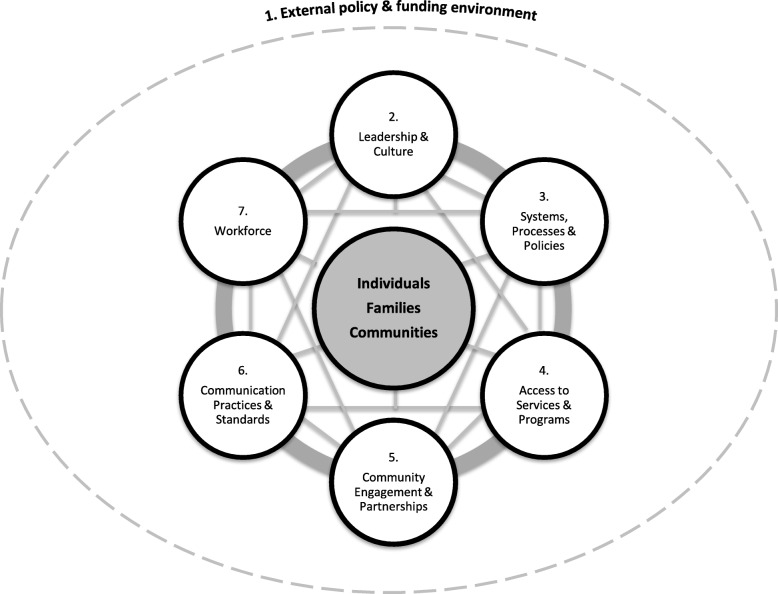
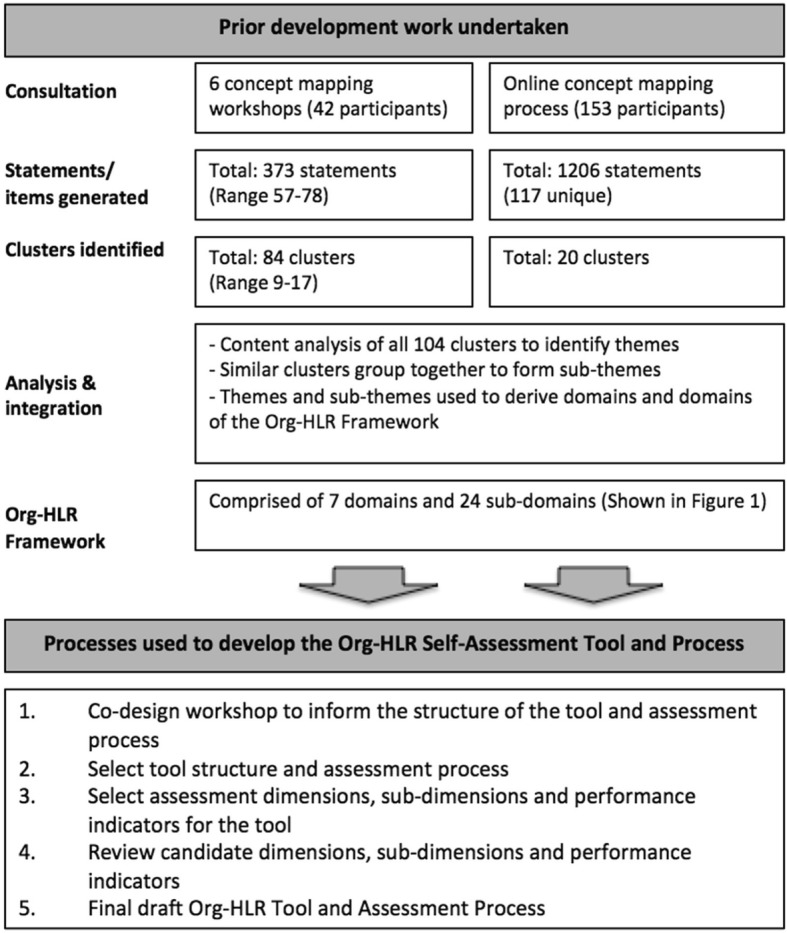
A co-design workshop with health and social service professionals was undertaken to inform the structure of the tool and assessment process. Participants critiqued existing self-assessment tools and discussed the likely utility of the data they generate. A review of widely used organisational performance assessment tools informed the structure and self-assessment process. The Organisational Health Literacy Responsiveness (Org-HLR) Framework (with seven domains/24 sub-domains) provided the structure for the assessment dimensions of the tool. The performance indicators were drawn from raw data collected during development of the Org-HLR Framework.
Twenty-two professionals participated in the workshop. Based on the feedback provided and a review of existing tools, a multi-stage, group-based assessment process for implementing the Org-HLR Tool was developed. The assessment process was divided into three parts; i) reflection; ii) self-rating; and iii) priority setting, each supported by a corresponding tool. The self-rating tool, consistent with the Org-HLR Framework, was divided into: External policy and funding environment; Leadership and culture; Systems, processes and policies; Access to services and programs; Community engagement and partnerships; Communication practices and standards; Workforce. Each of these had 1 to 5 sub-dimensions (24 in total), and 135 performance indicators.
The Org-HLR Tool and assessment process were developed to address a gap in available tools to support organisations to assess their health literacy responsiveness, and prioritise and plan their quality improvement activities. The tool is currently in the field for further utility and acceptability testing.
世界卫生组织将健康素养描述为健康的关键决定因素以及公民赋权和健康公平的驱动力。多项研究表明,健康素养与一系列社会经济因素相关,包括教育程度、经济状况和种族。卫生系统的复杂性会影响人们获取信息和服务的能力。卫生组织可通过确保对健康素养做出响应,增强其服务人群的权能并解决不平等问题。本研究的目的是开发组织健康素养响应能力自我评估工具(Org-HLR工具)以及一个评估流程,以支持各组织应用该工具。
与卫生和社会服务专业人员举办了一次联合设计研讨会,为工具的结构和评估流程提供信息。参与者对现有的自我评估工具进行了评判,并讨论了这些工具所生成数据的可能用途。对广泛使用的组织绩效评估工具的审查为该工具的结构和自我评估流程提供了参考。组织健康素养响应能力(Org-HLR)框架(包含七个领域/24个子领域)为该工具的评估维度提供了结构。绩效指标取自Org-HLR框架开发过程中收集的原始数据。
22名专业人员参加了研讨会。根据提供的反馈意见以及对现有工具的审查,开发了一个用于实施Org-HLR工具的多阶段、基于小组的评估流程。该评估流程分为三个部分:i)反思;ii)自我评分;iii)确定优先事项,每个部分都有相应的工具支持。与Org-HLR框架一致的自我评分工具分为:外部政策和资金环境;领导力和文化;系统、流程和政策;服务和项目的获取;社区参与和伙伴关系;沟通实践和标准;员工队伍。这些部分各有1至5个子维度(共24个)以及135个绩效指标。
开发Org-HLR工具和评估流程是为了填补现有工具的空白,以支持各组织评估其健康素养响应能力,并确定其质量改进活动的优先顺序并进行规划。该工具目前正在实地进行进一步的实用性和可接受性测试。