L'Oréal Research and Innovation, 1 avenue Eugène Schueller, 93601 Aulnay-sous-Bois, France.
Int J Mol Sci. 2018 Sep 8;19(9):2668. doi: 10.3390/ijms19092668.
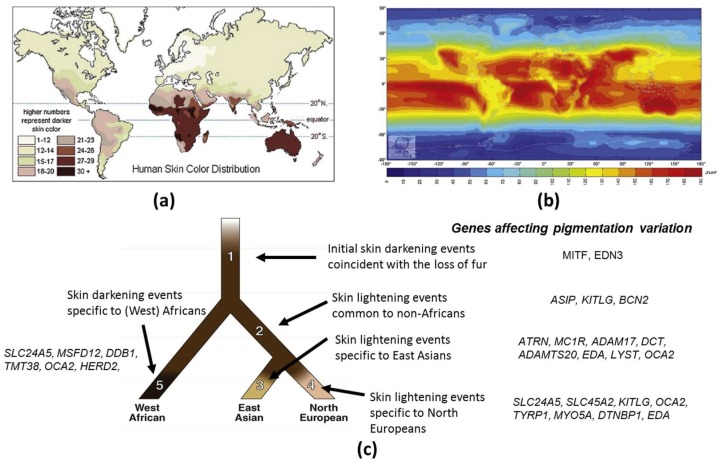
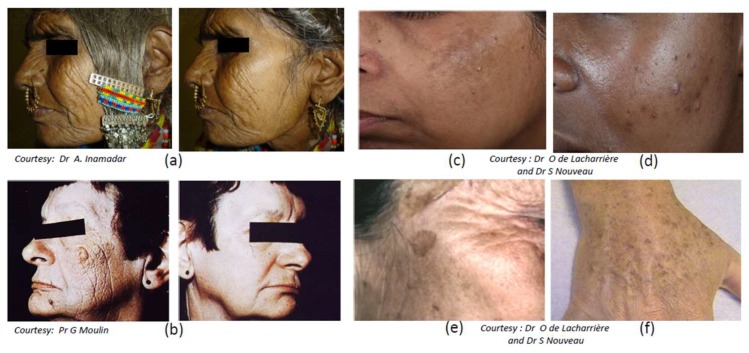
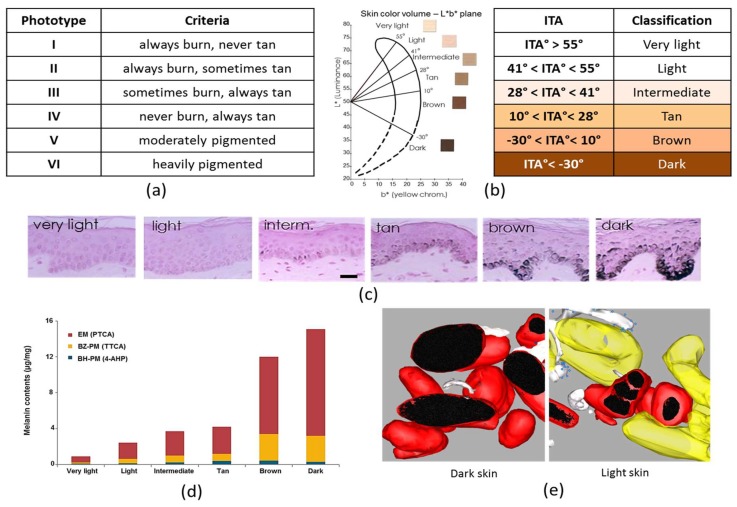
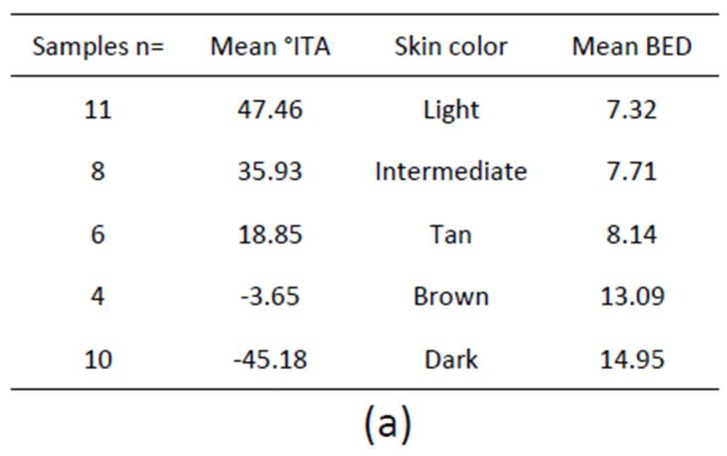
Skin color diversity is the most variable and noticeable phenotypic trait in humans resulting from constitutive pigmentation variability. This paper will review the characterization of skin pigmentation diversity with a focus on the most recent data on the genetic basis of skin pigmentation, and the various methodologies for skin color assessment. Then, melanocyte activity and amount, type and distribution of melanins, which are the main drivers for skin pigmentation, are described. Paracrine regulators of melanocyte microenvironment are also discussed. Skin response to sun exposure is also highly dependent on color diversity. Thus, sensitivity to solar wavelengths is examined in terms of acute effects such as sunburn/erythema or induced-pigmentation but also long-term consequences such as skin cancers, photoageing and pigmentary disorders. More pronounced sun-sensitivity in lighter or darker skin types depending on the detrimental effects and involved wavelengths is reviewed.
肤色多样性是人类最具可变性和最显著的表型特征,是由固有色素变异引起的。本文将综述皮肤色素多样性的特征,重点介绍皮肤色素沉着遗传基础的最新数据,以及皮肤颜色评估的各种方法。然后,描述了黑素细胞活性和数量、黑素的类型和分布,它们是皮肤色素沉着的主要驱动因素。还讨论了黑素细胞微环境的旁分泌调节剂。皮肤对阳光照射的反应也高度依赖于颜色多样性。因此,从急性效应(如晒伤/红斑)或诱导色素沉着等方面,以及皮肤癌、光老化和色素障碍等长期后果方面,检查对太阳波长的敏感性。根据有害影响和涉及的波长,综述了不同肤色类型(较浅或较深肤色)对阳光的敏感性差异。