Laboratório de Virologia, Instituto de Ciências Biológicas Universidade Federal do Pará, Belém, Brazil.
Faculdade de Medicina, Instituto de Ciências da Saúde, Universidade Federal do Pará, Belém, Brazil.
Front Immunol. 2018 Sep 4;9:2014. doi: 10.3389/fimmu.2018.02014. eCollection 2018.
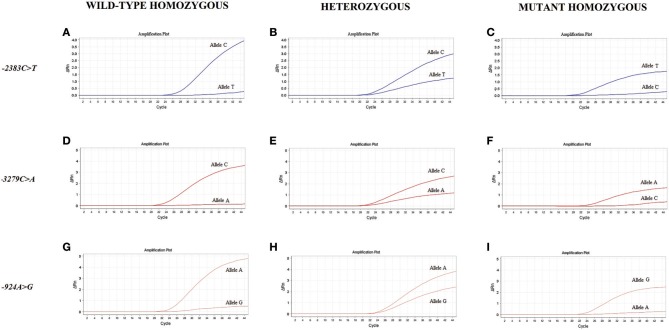
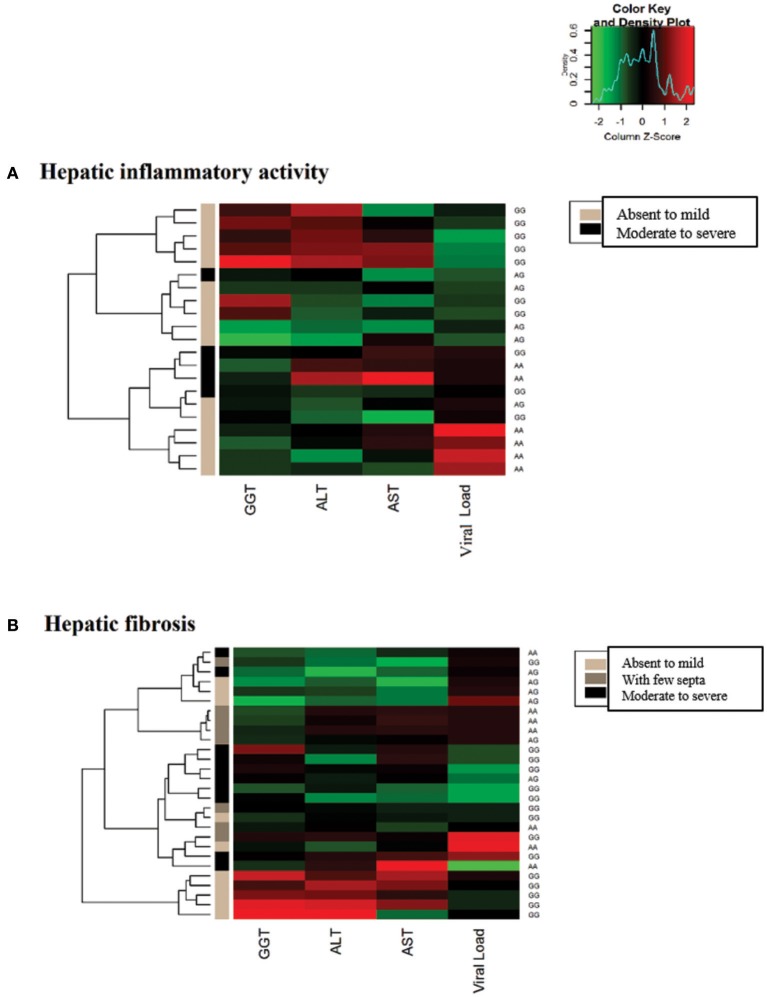
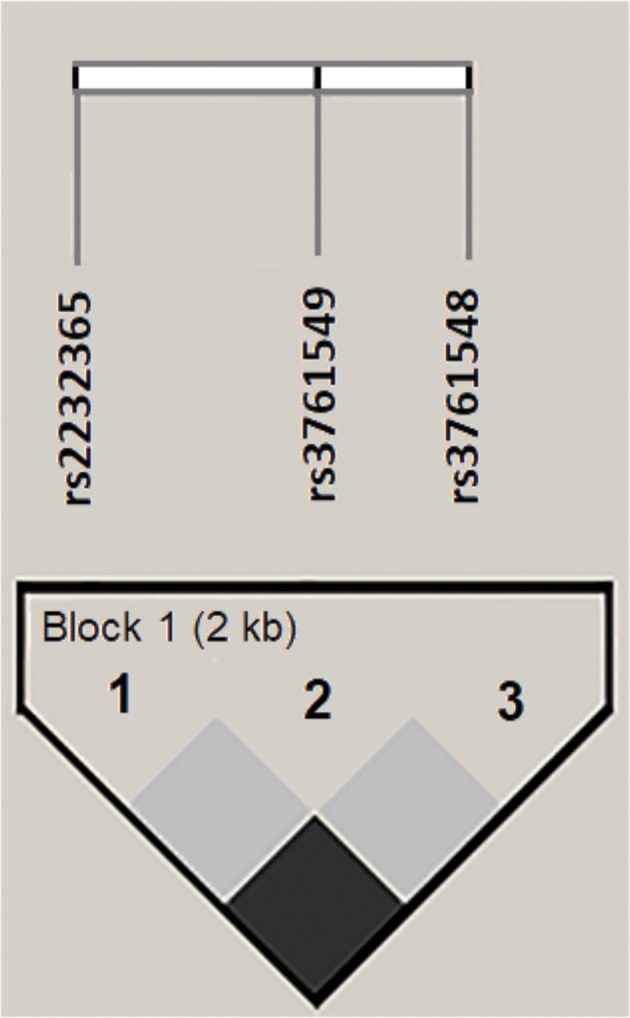
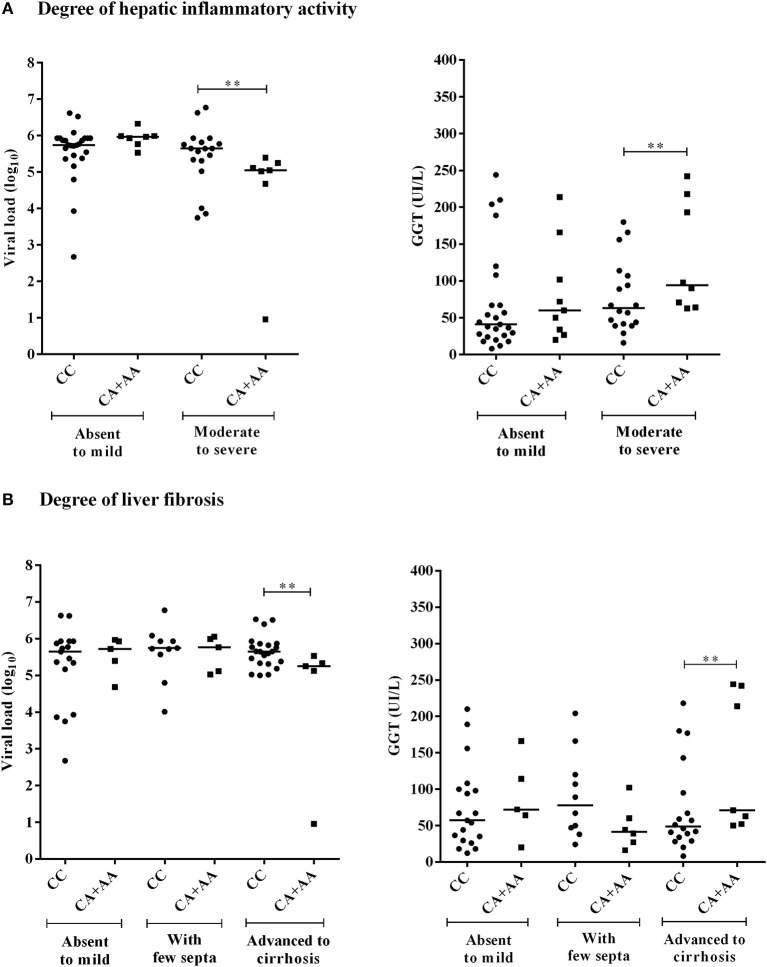
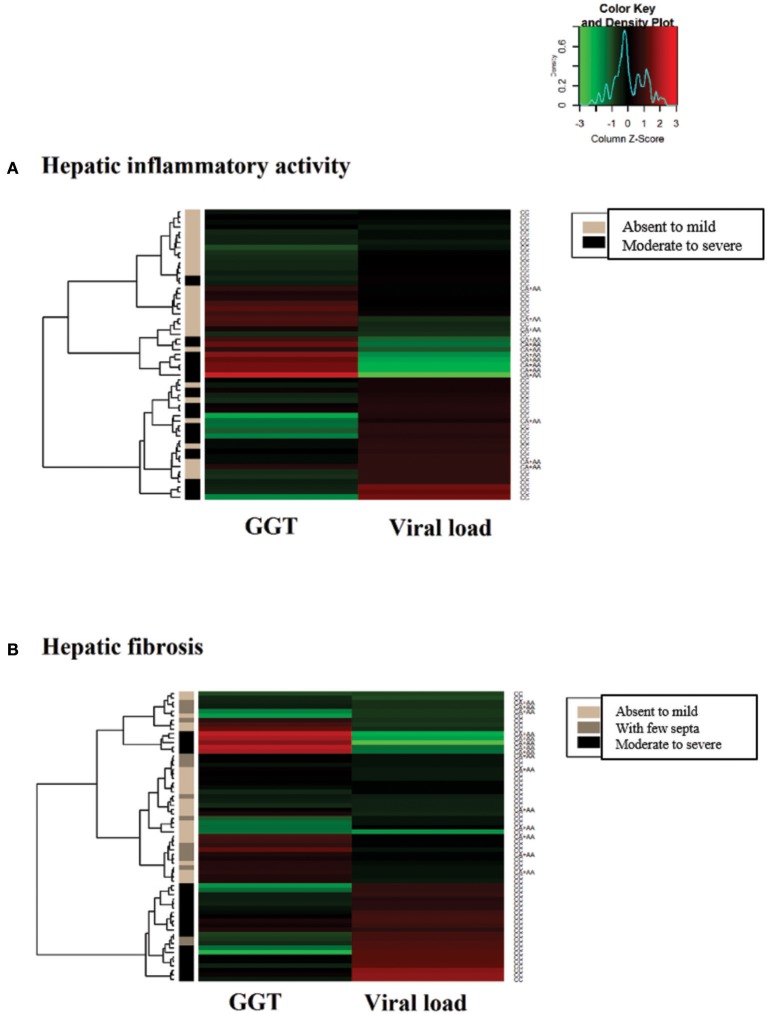
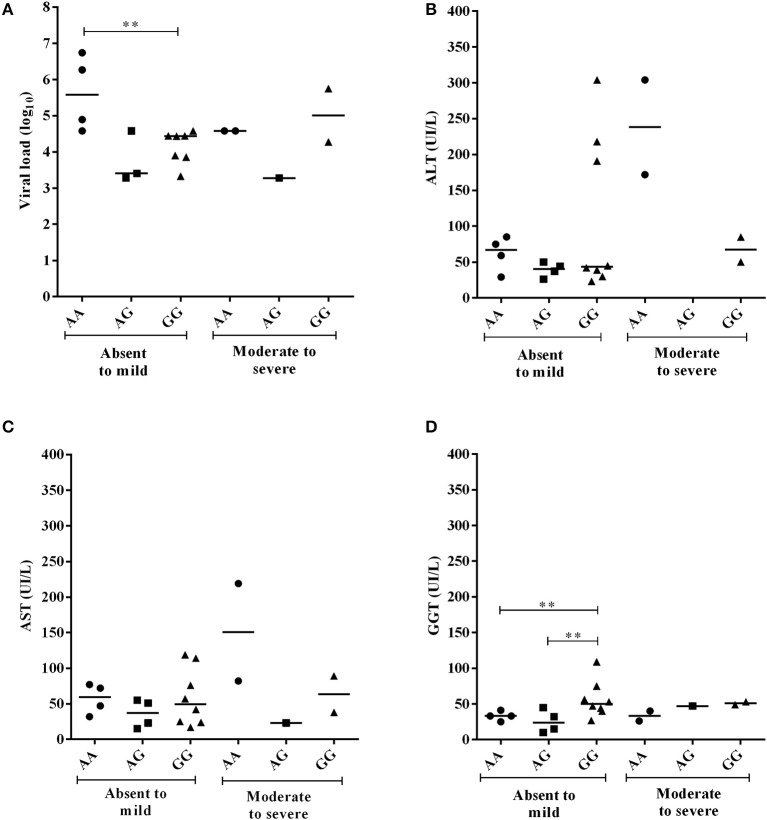
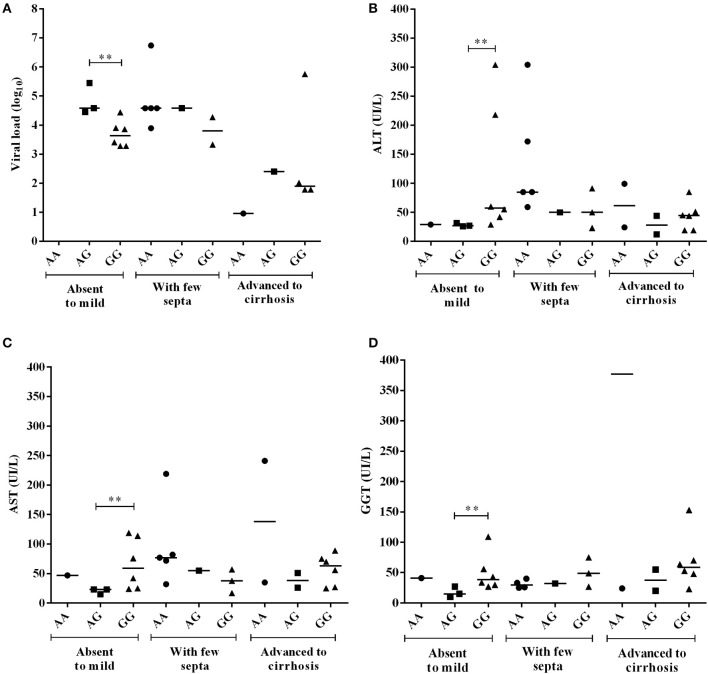
The transcription factor FOXP3 is an essential marker of the development and activation of regulatory T cells (Tregs), which are cells specialized in the regulation and normal tolerance of the immune response. In the context of chronic viral liver diseases, Tregs participate in the maintenance of infections by promoting histopathological control and favor the immune escape of viral agents by suppressing the antiviral response. Single nucleotide polymorphisms (SNPs) may influence the function of FOXP3 in a number of pathological conditions. The present study sought to evaluate the influence of SNPs in the gene promoter region in patients with chronic viral liver diseases. Three SNPs (->, ->, and ->) were analyzed in groups of patients with chronic hepatitis C (CHC), active chronic hepatitis B (CHB-A), inactive chronic hepatitis B (CHB-I), and a healthy control group (CG) using real-time PCR. The frequencies of the polymorphic variants were compared between groups and correlated with liver histopathological characteristics and enzyme levels [i.e., alanine aminotransferase (ALT), aspartate aminotransferase (AST) and gamma-glutamyl transpeptidase (GGT)] obtained via biopsy and from the clinical records of the participating patients, respectively. For the -> SNP, no significant differences were found in the frequencies of variants between groups or in the histological findings. Significant associations between the polymorphisms and the CHB-I group were not established. The -> SNP was associated with altered viral loads (log) and GGT levels in CHC patients with advanced stages of inflammatory activity and liver fibrosis. The -> SNP was associated with altered viral loads (log) and liver enzyme levels among CHB-A patients with milder inflammation and fibrosis. However, the frequencies of the -> and -> polymorphisms were not directly associated with the histopathological profiles of the analyzed patients. These polymorphic variants may influence hepatic function in patients with chronic viral liver diseases but are not directly associated with the establishment of the degree of inflammatory activity and liver fibrosis.
转录因子 FOXP3 是调节性 T 细胞(Treg)发育和激活的重要标志物,Treg 细胞专门参与免疫反应的调节和正常耐受。在慢性病毒性肝病的背景下,Treg 通过促进组织病理学控制来参与感染的维持,并通过抑制抗病毒反应来促进病毒剂的免疫逃逸。单核苷酸多态性(SNP)可能会影响 FOXP3 在许多病理条件下的功能。本研究旨在评估慢性病毒性肝病患者中基因启动子区域 SNP 的影响。使用实时 PCR 分析了慢性丙型肝炎(CHC)、慢性乙型肝炎活动期(CHB-A)、慢性乙型肝炎非活动期(CHB-I)和健康对照组(CG)患者中三个 SNP(->、-> 和 ->)。比较了各组之间多态变体的频率,并与通过活检获得的肝组织病理学特征和酶水平(即丙氨酸氨基转移酶(ALT)、天冬氨酸氨基转移酶(AST)和γ-谷氨酰转肽酶(GGT))以及参与患者的临床记录进行了相关分析。对于-> SNP,各组之间变体的频率或组织学发现均无显着差异。未建立与 CHB-I 组的多态性之间的显着关联。-> SNP 与 CHC 患者炎症活动和纤维化进展阶段的病毒载量(log)和 GGT 水平改变相关。-> SNP 与 CHB-A 患者炎症和纤维化较轻时的病毒载量(log)和肝酶水平改变相关。然而,-> 和 -> 多态性的频率与分析患者的组织病理学特征没有直接关系。这些多态性变体可能会影响慢性病毒性肝病患者的肝功能,但与炎症活动和肝纤维化程度的建立没有直接关系。