Xiyuan Hospital, China Academy of Chinese Medical Sciences, Beijing, China.
Institute of Crop Science, Chinese Academy of Agricultural Science, Beijing, China.
PLoS One. 2018 Sep 20;13(9):e0199237. doi: 10.1371/journal.pone.0199237. eCollection 2018.
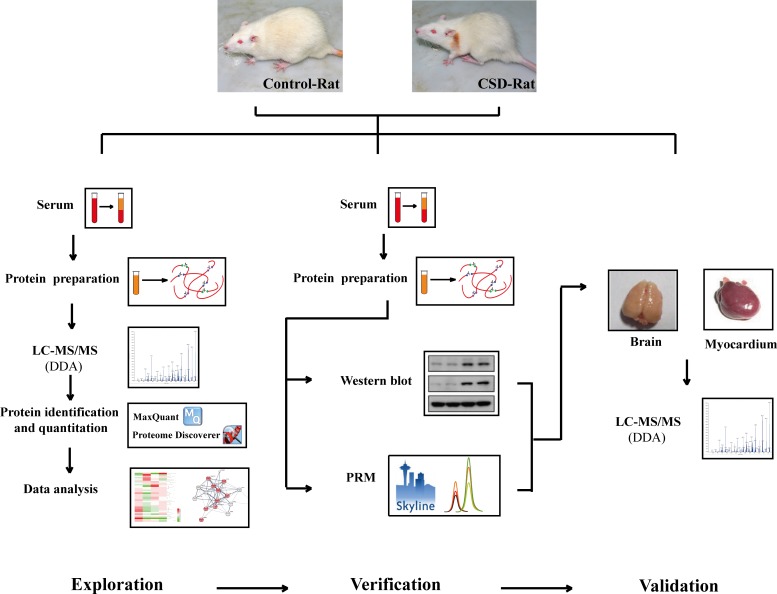
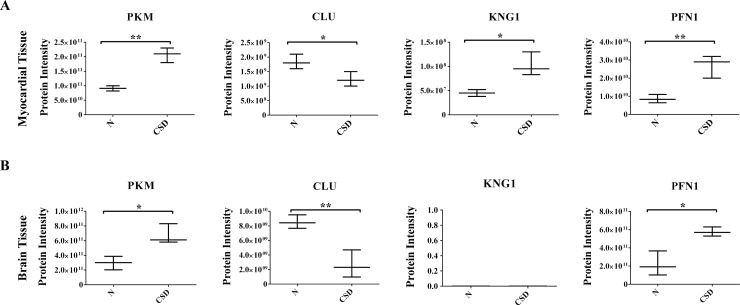
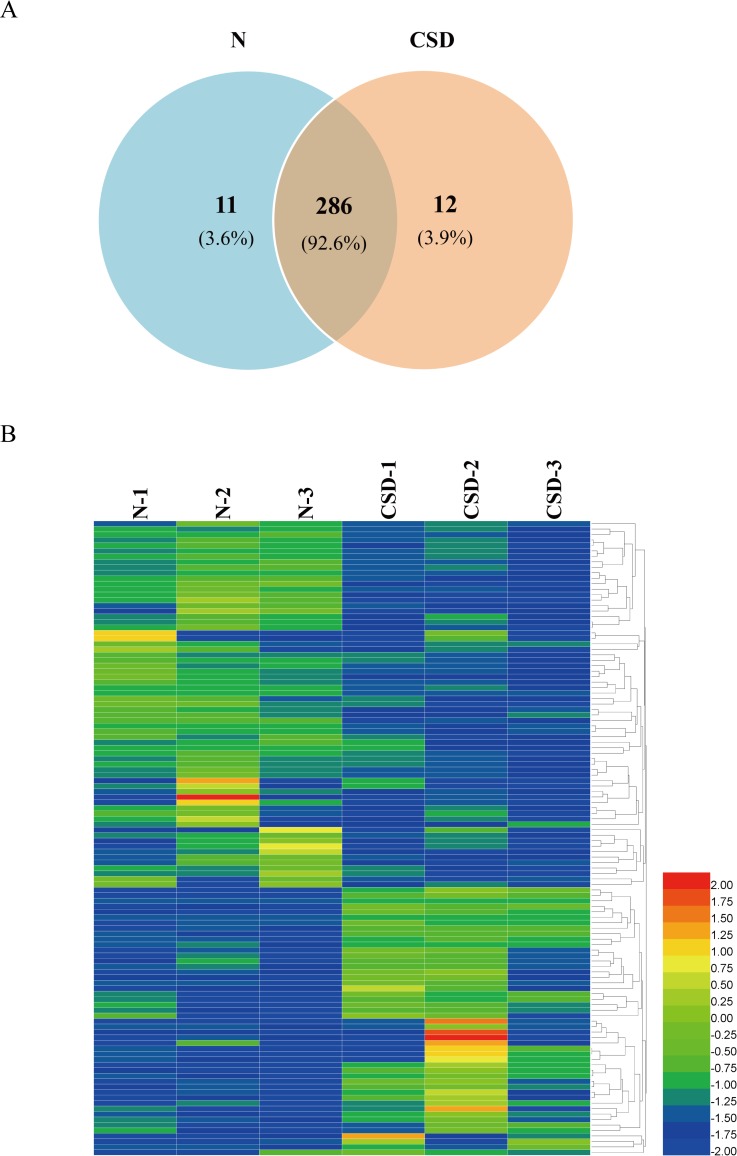
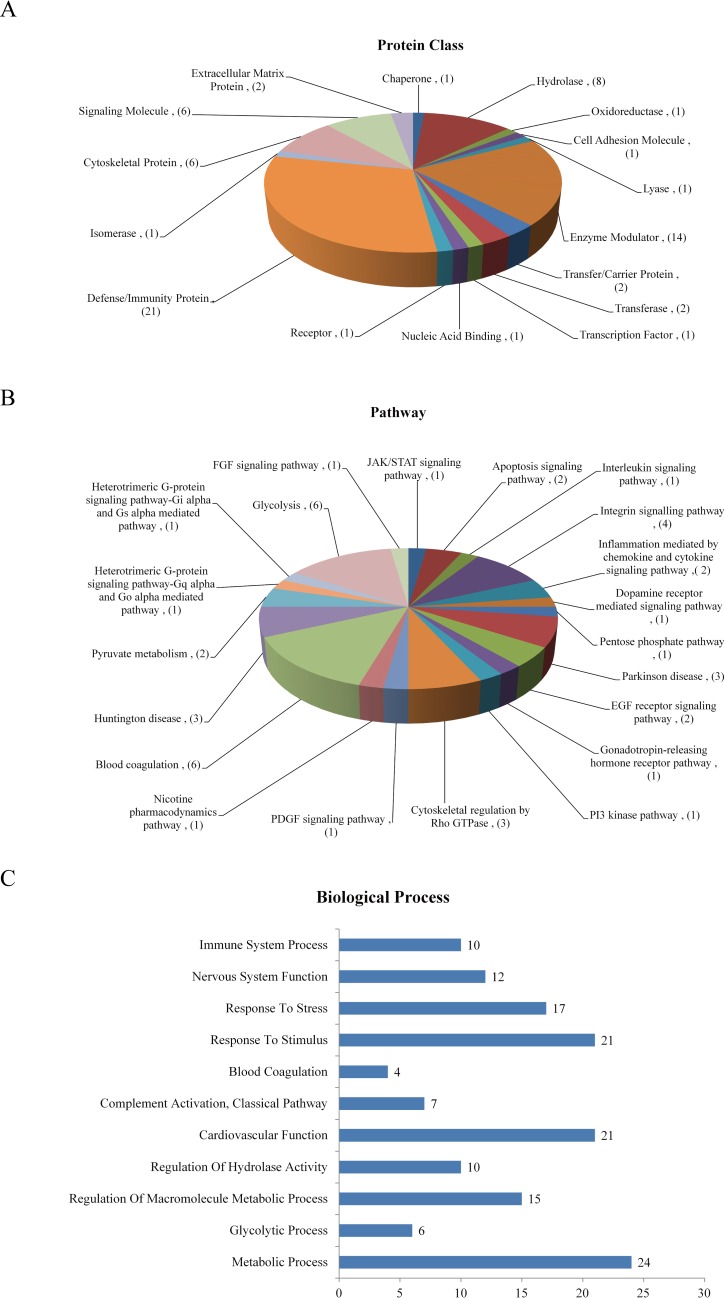
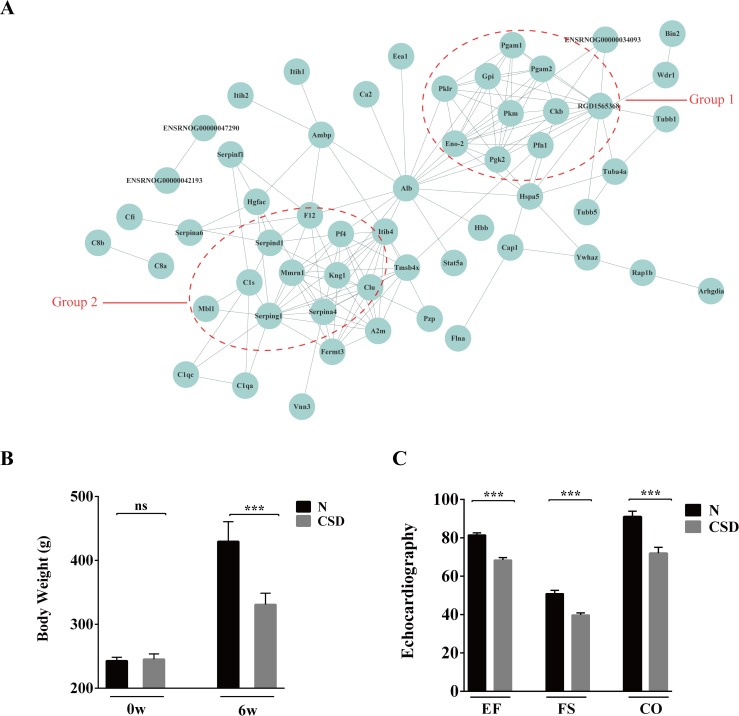
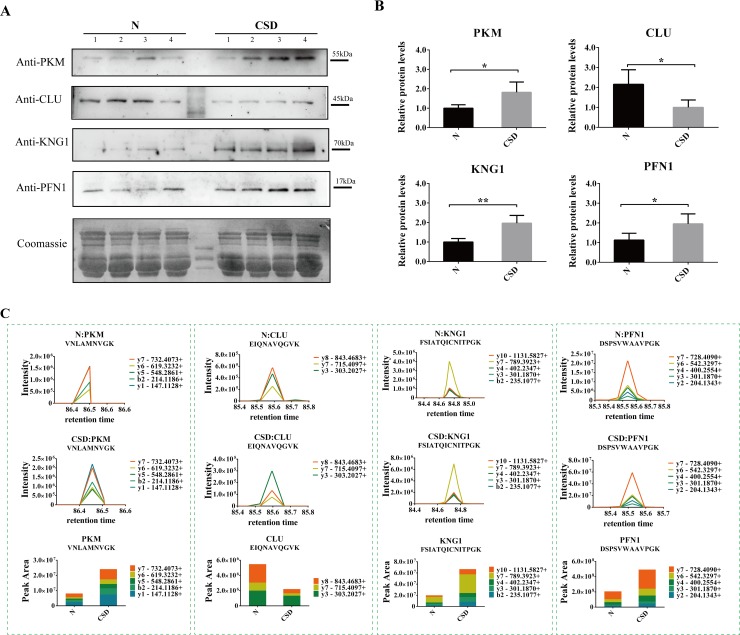
Sleep is an essential and fundamental physiological process that plays crucial roles in the balance of psychological and physical health. Sleep disorder may lead to adverse health outcomes. The effects of sleep deprivation were extensively studied, but its mechanism is still not fully understood. The present study aimed to identify the alterations of serum proteins associated with chronic sleep deprivation, and to seek for potential biomarkers of sleep disorder mediated diseases. A label-free quantitative proteomics technology was used to survey the global changes of serum proteins between normal rats and chronic sleep deprivation rats. A total of 309 proteins were detected in the serum samples and among them, 117 proteins showed more than 1.8-folds abundance alterations between the two groups. Functional enrichment and network analyses of the differential proteins revealed a close relationship between chronic sleep deprivation and several biological processes including energy metabolism, cardiovascular function and nervous function. And four proteins including pyruvate kinase M1, clusterin, kininogen1 and profilin-1were identified as potential biomarkers for chronic sleep deprivation. The four candidates were validated via parallel reaction monitoring (PRM) based targeted proteomics. In addition, protein expression alteration of the four proteins was confirmed in myocardium and brain of rat model. In summary, the comprehensive proteomic study revealed the biological impacts of chronic sleep deprivation and discovered several potential biomarkers. This study provides further insight into the pathological and molecular mechanisms underlying sleep disorders at protein level.
睡眠是一种基本的生理过程,对心理和身体健康的平衡起着至关重要的作用。睡眠障碍可能导致不良的健康后果。睡眠剥夺的影响已经得到了广泛的研究,但它的机制仍未完全被理解。本研究旨在确定与慢性睡眠剥夺相关的血清蛋白的变化,并寻找睡眠障碍介导的疾病的潜在生物标志物。本研究采用无标记定量蛋白质组学技术检测正常大鼠和慢性睡眠剥夺大鼠血清蛋白的整体变化。在血清样本中检测到 309 种蛋白质,其中 117 种蛋白质在两组之间的丰度变化超过 1.8 倍。差异蛋白的功能富集和网络分析表明,慢性睡眠剥夺与包括能量代谢、心血管功能和神经功能在内的几个生物学过程密切相关。鉴定出丙酮酸激酶 M1、载脂蛋白 J、激肽原 1 和前纤维蛋白 1 等 4 种蛋白作为慢性睡眠剥夺的潜在生物标志物。通过基于平行反应监测(PRM)的靶向蛋白质组学对这 4 个候选蛋白进行了验证。此外,还在大鼠模型的心肌和脑组织中验证了这 4 种蛋白的表达变化。综上所述,全面的蛋白质组学研究揭示了慢性睡眠剥夺的生物学影响,并发现了几个潜在的生物标志物。该研究为睡眠障碍的病理和分子机制提供了在蛋白质水平上的进一步深入了解。