MRC Toxicology Unit, Hodgkin Building, Lancaster Road, Leicester, LE1 9HN, UK.
Sir William Dunn School of Pathology, South Parks Road, University of Oxford, Oxford, UK.
Nat Commun. 2018 Sep 24;9(1):3877. doi: 10.1038/s41467-018-06127-y.
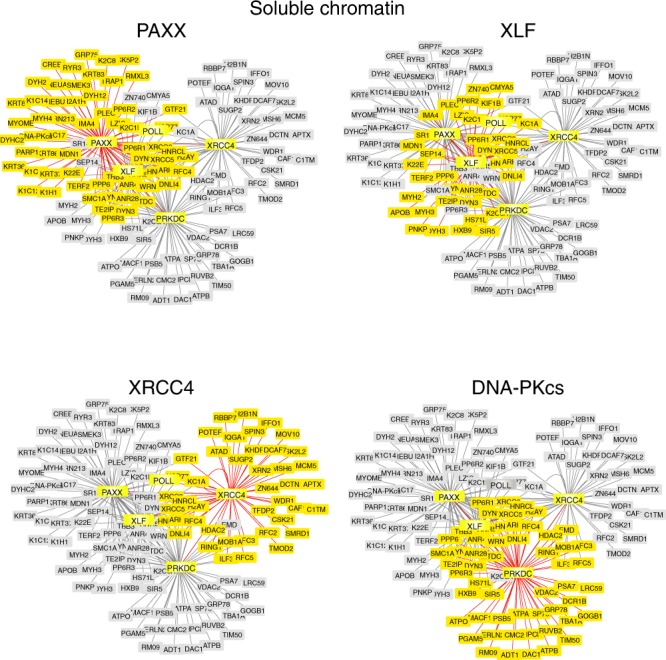
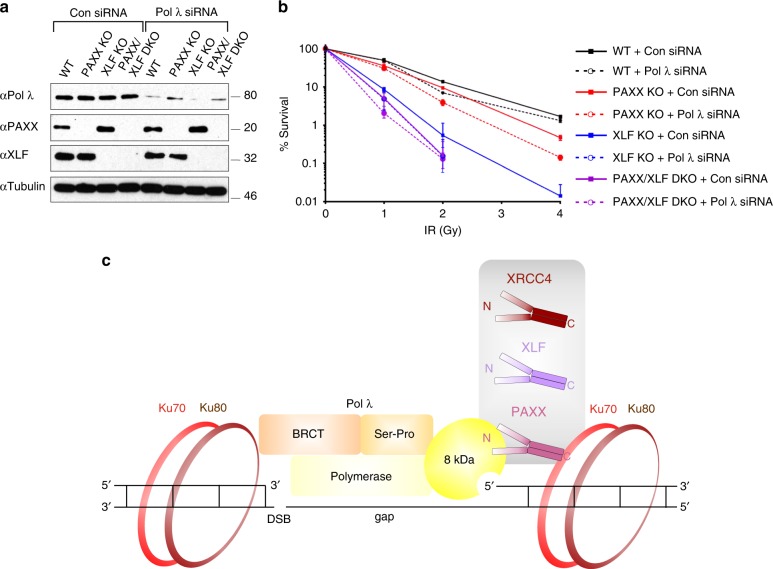
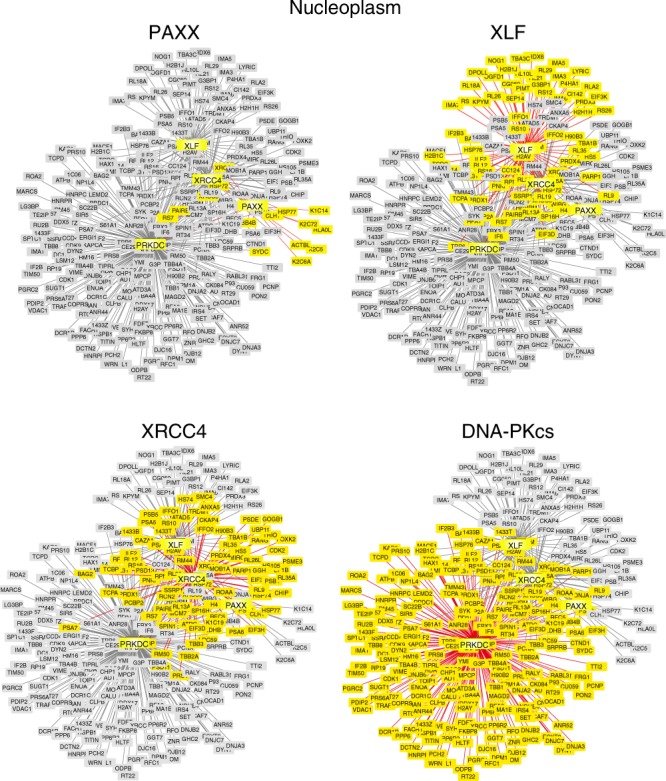
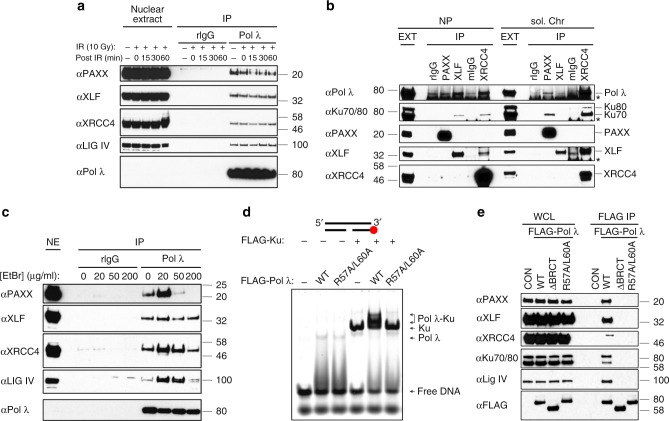
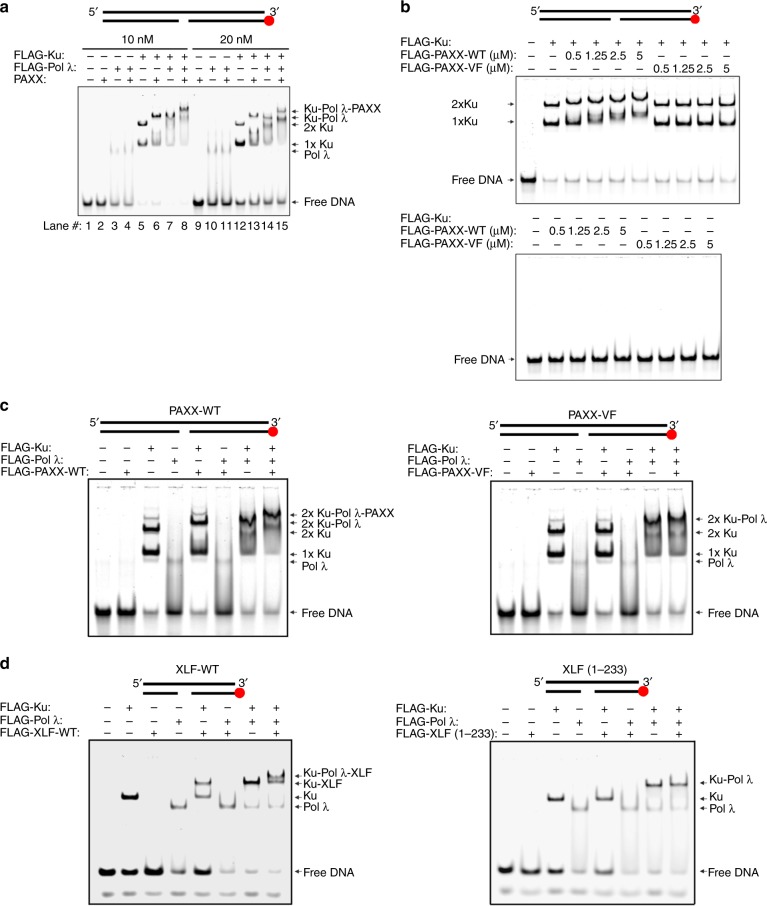
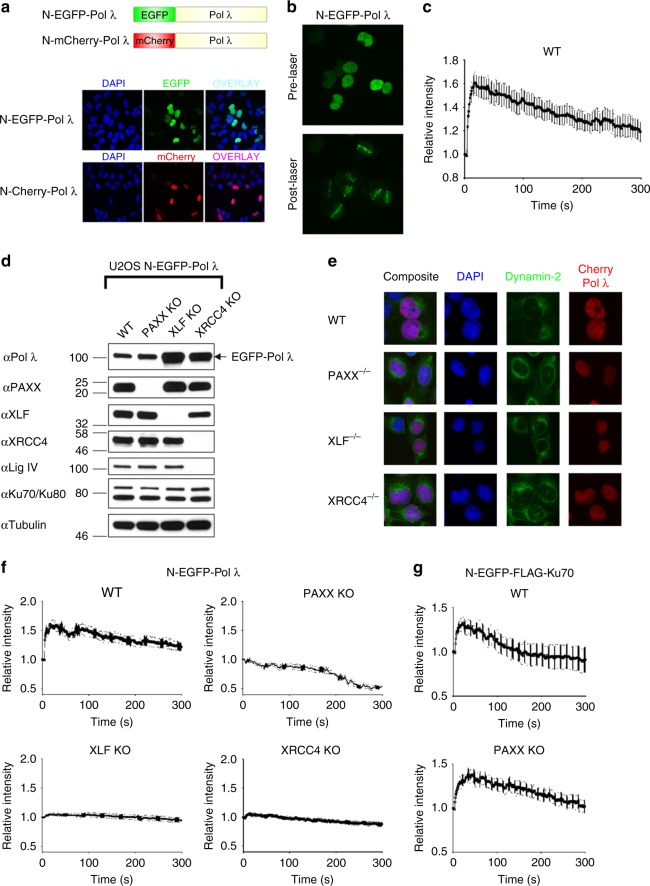
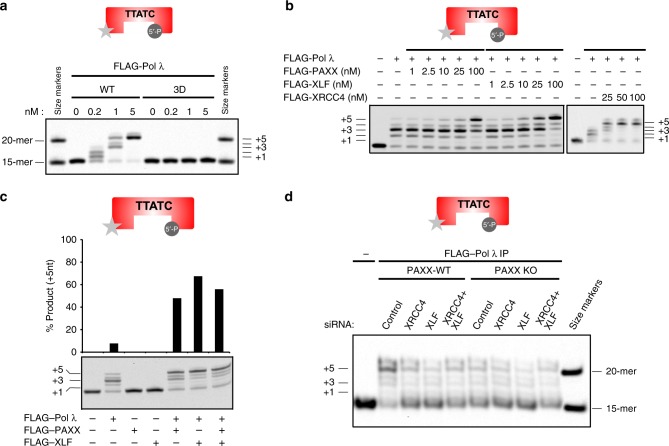
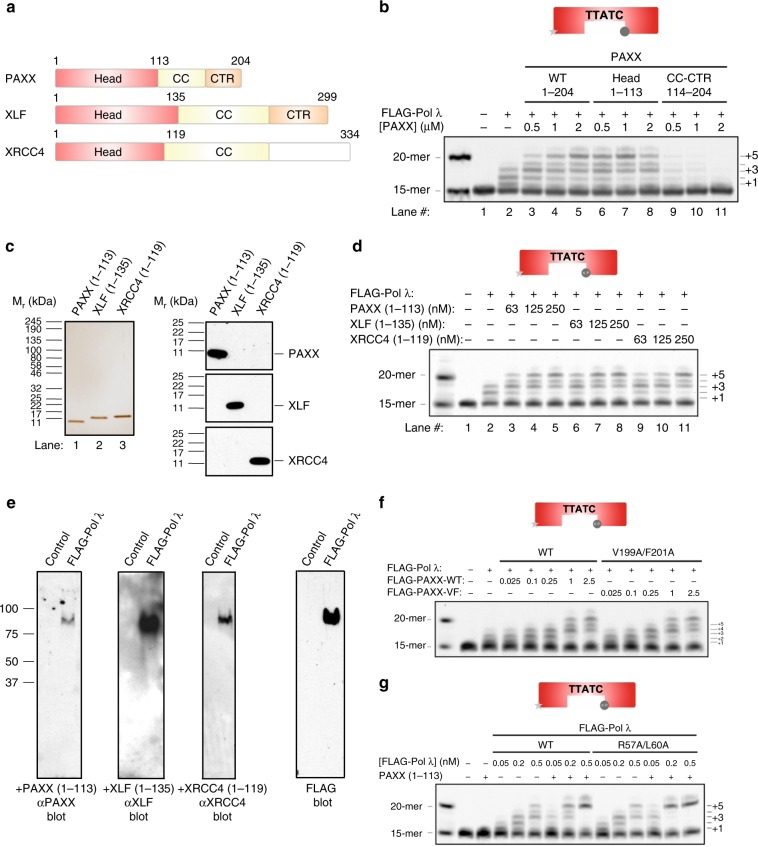
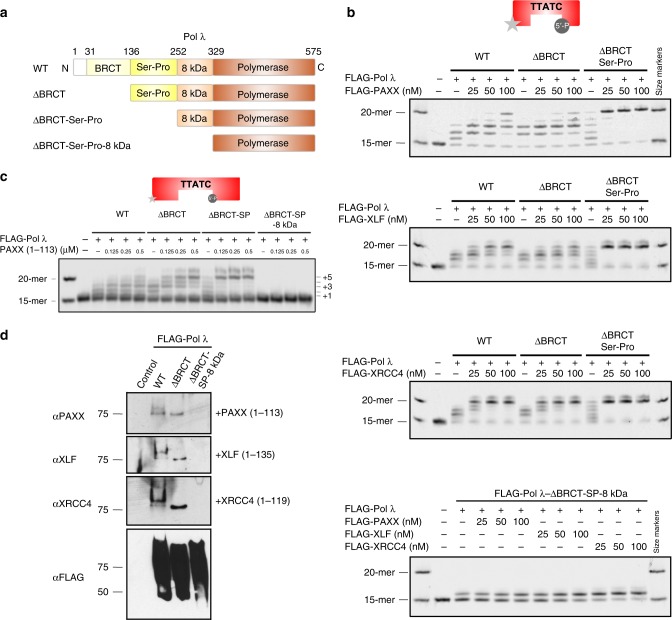
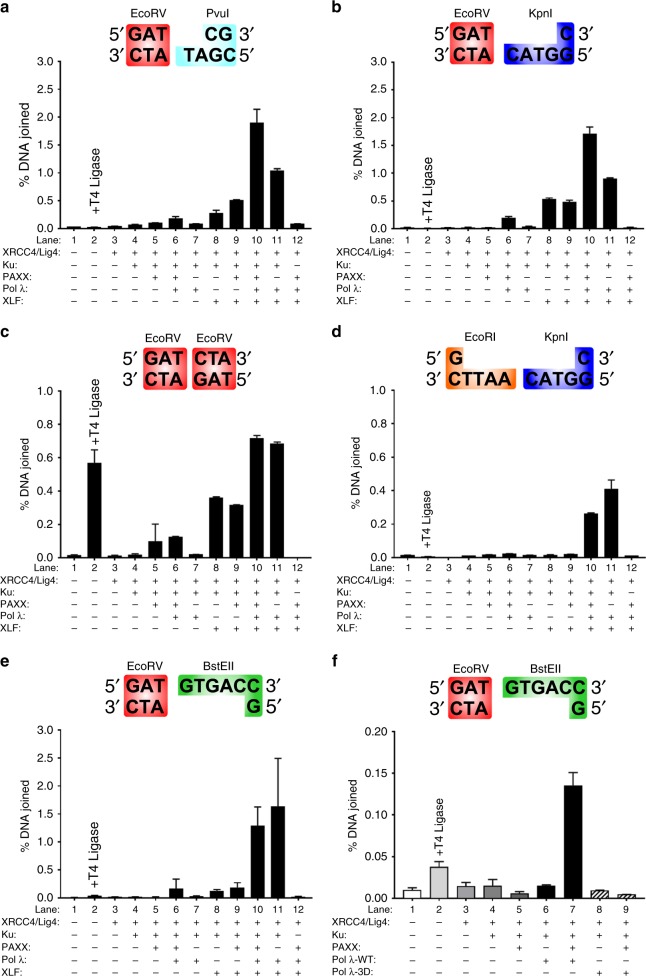
PAXX is a recently identified component of the nonhomologous end joining (NHEJ) DNA repair pathway. The molecular mechanisms of PAXX action remain largely unclear. Here we characterise the interactomes of PAXX and its paralogs, XLF and XRCC4, to show that these factors share the ability to interact with DNA polymerase λ (Pol λ), stimulate its activity and are required for recruitment of Pol λ to laser-induced DNA damage sites. Stimulation of Pol λ activity by XRCC4 paralogs requires a direct interaction between the SP/8 kDa domain of Pol λ and their N-terminal head domains to facilitate recognition of the 5' end of substrate gaps. Furthermore, PAXX and XLF collaborate with Pol λ to promote joining of incompatible DNA ends and are redundant in supporting Pol λ function in vivo. Our findings identify Pol λ as a novel downstream effector of PAXX function and show XRCC4 paralogs act in synergy to regulate polymerase activity in NHEJ.
PAXX 是最近发现的非同源末端连接(NHEJ)DNA 修复途径的一个组成部分。PAXX 作用的分子机制在很大程度上仍不清楚。在这里,我们描述了 PAXX 及其同源物 XLF 和 XRCC4 的相互作用组,表明这些因子具有相互作用的能力与 DNA 聚合酶 λ(Pol λ)、刺激其活性,并被招募到激光诱导的 DNA 损伤位点。XRCC4 同源物对 Pol λ 活性的刺激需要 Pol λ 的 SP/8 kDa 结构域和它们的 N 端头部结构域之间的直接相互作用,以促进对底物缺口 5'端的识别。此外,PAXX 和 XLF 与 Pol λ 合作促进不兼容 DNA 末端的连接,并且在体内支持 Pol λ 功能上是冗余的。我们的研究结果确定了 Pol λ 作为 PAXX 功能的一个新的下游效应物,并表明 XRCC4 同源物协同作用以调节 NHEJ 中的聚合酶活性。