Centre d'Investigation Clinique CIC INSERM 1424, Centre Hospitalier de Cayenne, Cayenne, Guyane Française.
Service de Psychiatrie, Centre Hospitalier de Cayenne, Cayenne, Guyane Française.
PLoS One. 2018 Sep 27;13(9):e0204808. doi: 10.1371/journal.pone.0204808. eCollection 2018.
Penile implants or nodules are objects inserted beneath the skin of the penis mostly for erotic purposes. The procedure is painful and there may be complications. It is often associated with prison. Our objectives were to describe the prevalence of penile nodules among inmates in French Guiana, and to study factors associated with this practice, notably psychiatric diagnoses.
The study was cross-sectional. All consenting new adult prisoners incarcerated between 01/01/2014 and 31/12/2014 at the penitentiary centre of French Guiana were included. The Mini International Neuropsychiatric Interview (MINI) was used to screen for psychiatric diagnoses.
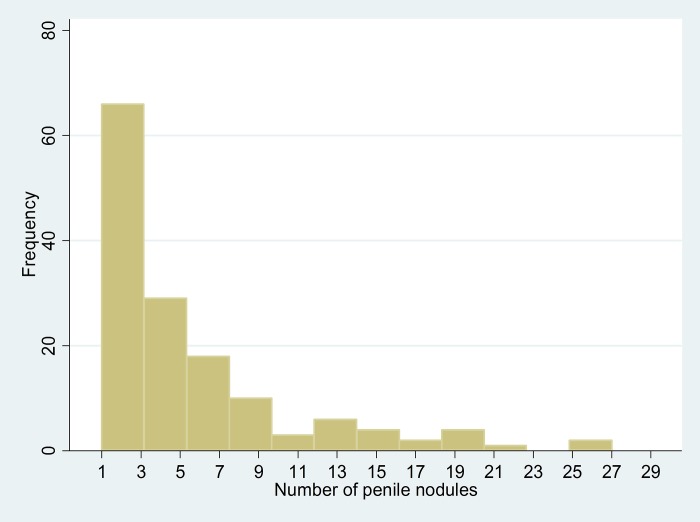
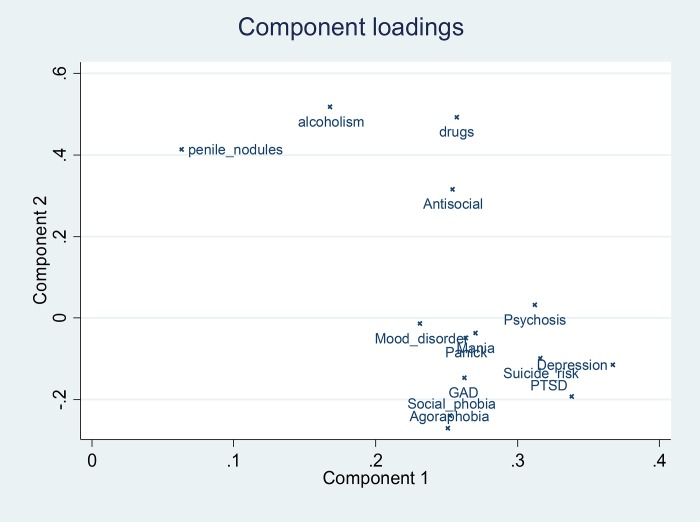
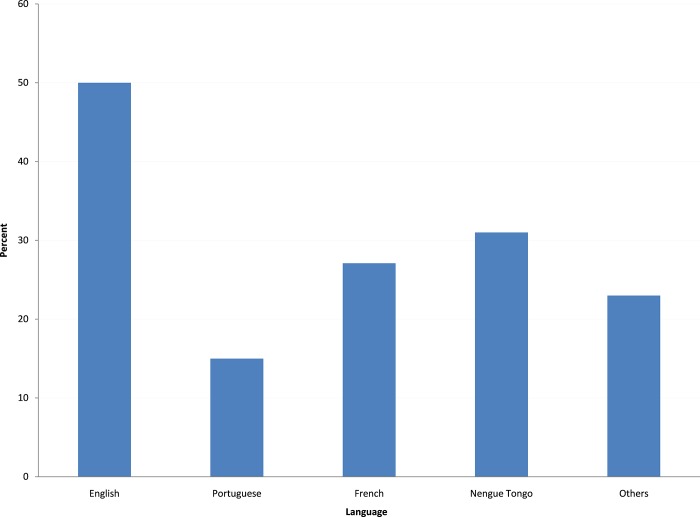
Of 492, 29.6% declared having penile nodules. The median number was 4 (IQR = 2-7). The number of nodules correlated with age. There was no statistical link between the presence of penile nodules and the reasonforincarceration. Multivariate analysis showed that persons <45years with prior incarcerations, with substance addiction, and those with a history of death in the family were more likely to have penile nodules. Those with psychosis and those with suicidal risk were less likely to have penile nodules. Prisoners speaking English or Maroon languages seemed more likely to have penile implants in the multivariate model.
Overall, 29.6% of arriving inmates had penile nodules. The practice was linked to drug addiction and was less frequent among those with psychosis and suicidal risk. Given the high HIV prevalence in prison, penile nodule may be an obstacle to condom-based prevention.
阴茎植入物或结节是一种被植入阴茎皮下的物体,主要用于性行为。该过程会带来疼痛,并可能产生并发症。这种行为通常与监狱有关。我们的目的是描述法国圭亚那监狱囚犯中阴茎结节的流行情况,并研究与这种行为相关的因素,尤其是精神科诊断。
这是一项横断面研究。所有在 2014 年 1 月 1 日至 12 月 31 日期间被关押在法属圭亚那监狱中心的新成年囚犯,在同意参与研究后,均被纳入研究。使用迷你国际神经精神访谈(MINI)对精神科诊断进行筛查。
492 名囚犯中,29.6%报告有阴茎结节。中位数为 4 个(IQR=2-7)。结节数量与年龄相关。阴茎结节的存在与入狱原因之间没有统计学关联。多变量分析显示,年龄<45 岁、有入狱史、有药物滥用史以及有家庭成员死亡史的人更有可能有阴茎结节。有精神病和自杀风险的人不太可能有阴茎结节。在多变量模型中,讲英语或马里语的囚犯似乎更有可能有阴茎植入物。
总体而言,29.6%的新入狱囚犯有阴茎结节。这种行为与药物滥用有关,在精神病和有自杀风险的人中较少见。鉴于监狱中艾滋病毒感染率较高,阴茎结节可能成为基于避孕套的预防措施的障碍。