Leal Rita, Tsapepas Demetra, Crew Russell J, Dube Geoffrey K, Ratner Lloyd, Batal Ibrahim
Department of Nephrology, Centro Hospitalar e Universitário de Coimbra, Coimbra, Portugal.
Department of Pathology and Cell Biology, Columbia University, College of Physicians and Surgeons, New York, New York, USA.
Kidney Int Rep. 2017 Oct 27;3(2):281-290. doi: 10.1016/j.ekir.2017.10.010. eCollection 2018 Mar.
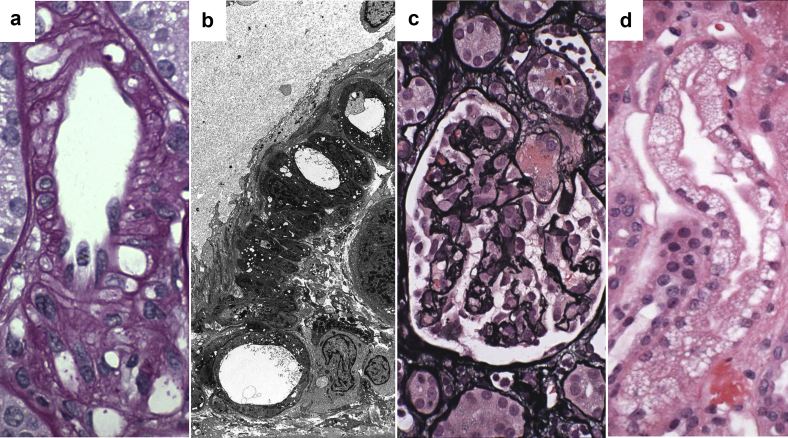
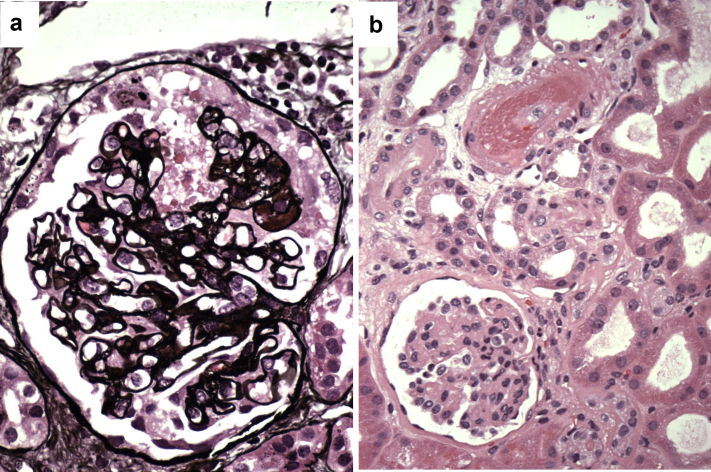
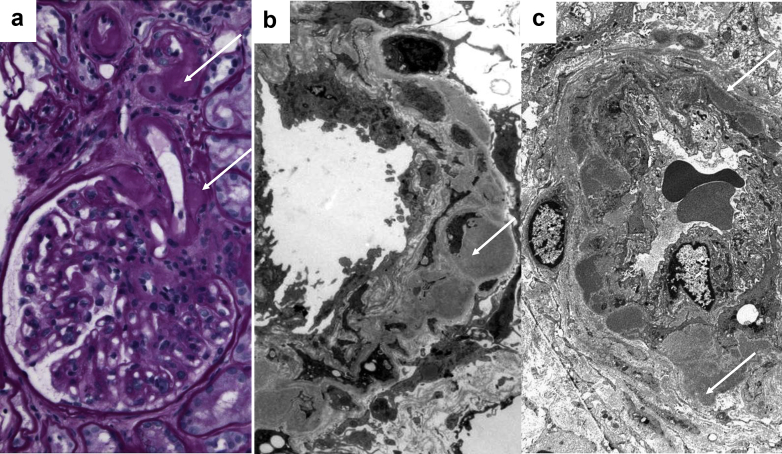
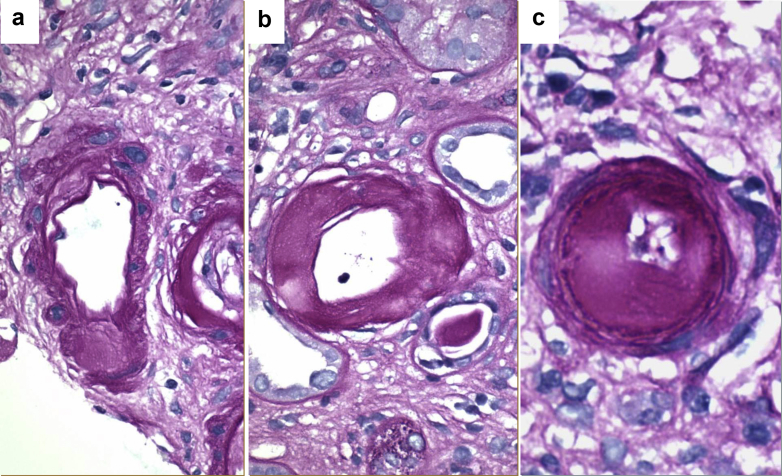
The recent evolution in immunosuppression therapy has led to significant improvement in short-term kidney allograft outcomes; however, this progress did not translate into similar improvement in long-term graft survival. The latter, at least in part, is likely to be attributed to immunosuppressant side effects. In this review, we focus on the histologic manifestations of calcineurin inhibitor and mammalian target of rapamycin inhibitor toxicity. We discuss the pathologic features attributed to such toxicity and allude to the lack of highly specific pathognomonic lesions. Finally, we highlight the importance of clinicopathologic correlation to achieve a meaningful pathologic interpretation.
免疫抑制疗法的最新进展已使短期肾移植结果有了显著改善;然而,这一进展并未转化为长期移植肾存活的类似改善。长期移植肾存活至少部分可能归因于免疫抑制剂的副作用。在本综述中,我们重点关注钙调神经磷酸酶抑制剂和雷帕霉素靶蛋白抑制剂毒性的组织学表现。我们讨论了归因于此类毒性的病理特征,并提及缺乏高度特异性的特征性病变。最后,我们强调临床病理相关性对于获得有意义的病理解释的重要性。