Department of Radiology, University College London Hospital NHS Foundation Trust, London, UK.
Division of Surgery and Interventional Science, Faculty of Medical Sciences, University College London, 3rd Floor, Charles Bell House, 43-45 Foley St, London, W1W 7TS, UK.
Eur Radiol. 2019 Apr;29(4):1743-1753. doi: 10.1007/s00330-018-5732-4. Epub 2018 Oct 2.
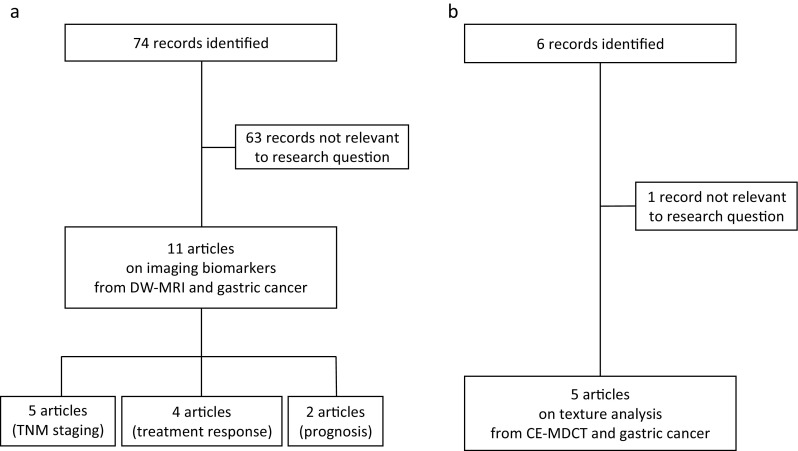
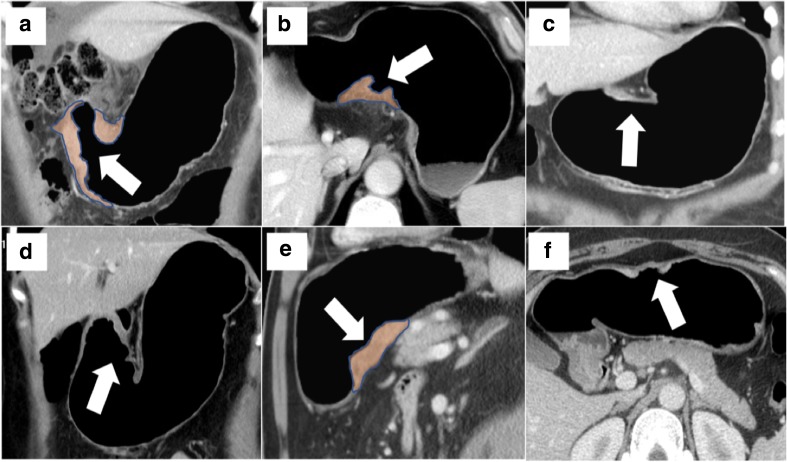
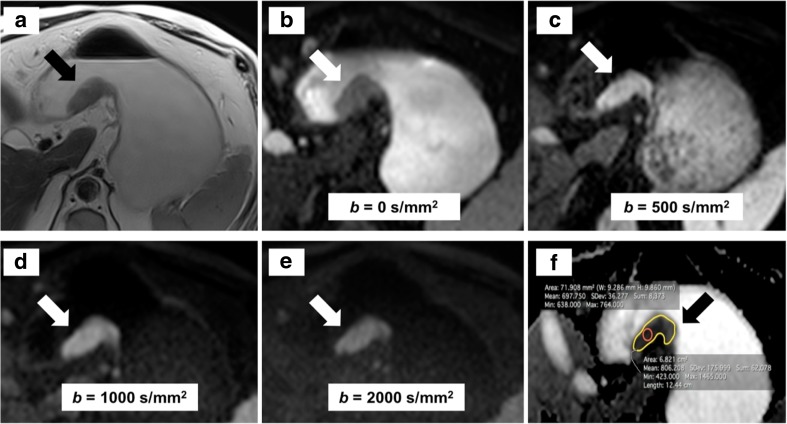
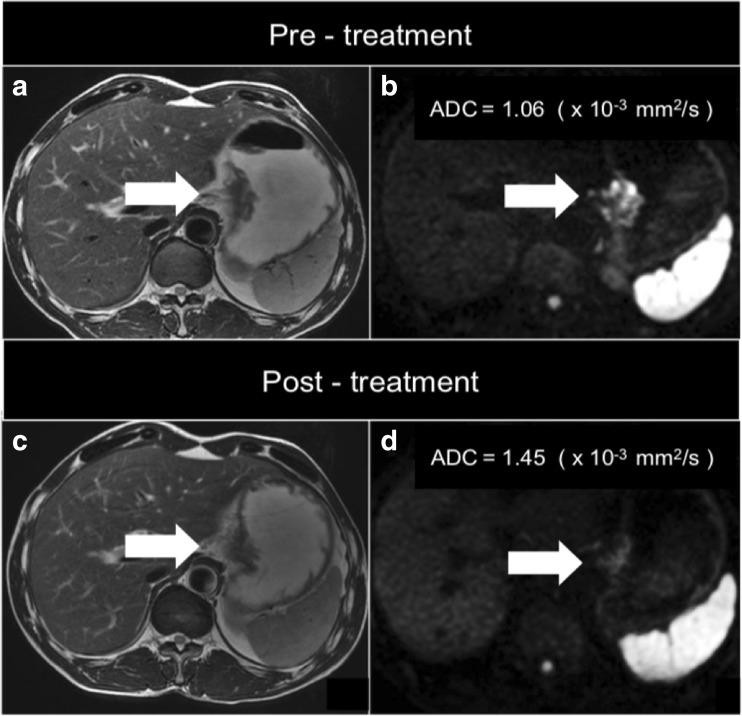
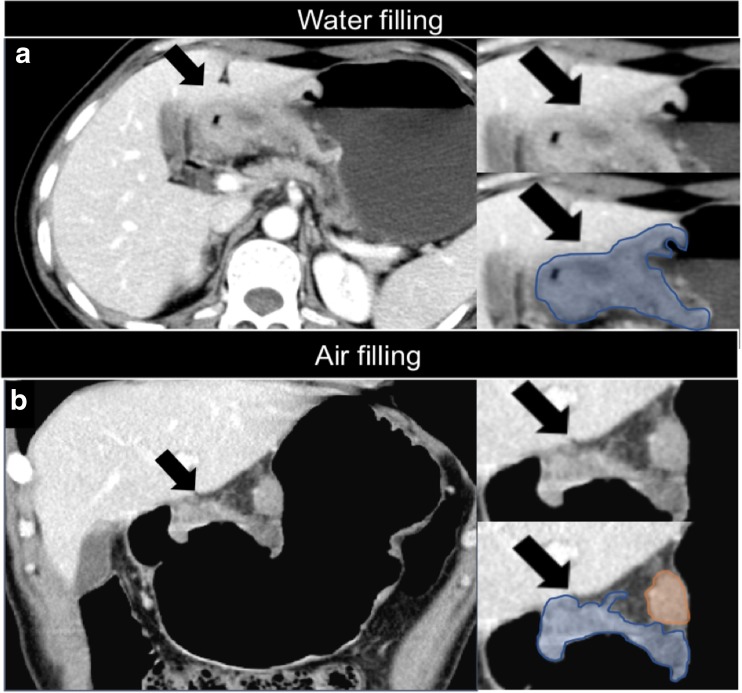
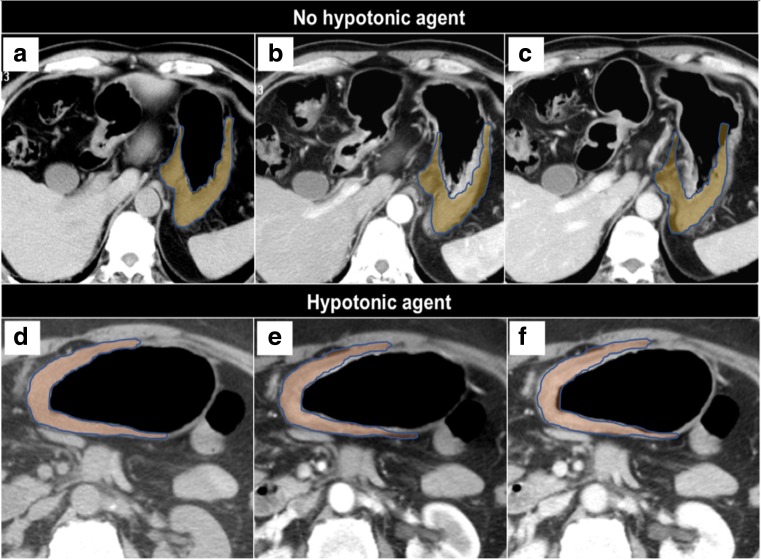
The current standard of care for gastric cancer imaging includes heterogeneity in image acquisition techniques and qualitative image interpretation. In addition to qualitative assessment, several imaging techniques, including diffusion-weighted magnetic resonance imaging (DW-MRI), contrast-enhanced multidetector computed tomography (CE-MDCT), dynamic-contrast enhanced MRI and 18F-fluorodeoxyglucose positron emission tomography, can allow quantitative analysis. However, so far there is no consensus regarding the application of functional imaging in the management of gastric cancer. The aim of this article is to specifically review two promising biomarkers for gastric cancer with reasonable spatial resolution: the apparent diffusion coefficient (ADC) from DW-MRI and textural features from CE-MDCT. We searched MEDLINE/ PubMed for manuscripts published from inception to 6 February 2018. Initially, we searched for (gastric cancer OR gastric tumour) AND diffusion weighted magnetic resonance imaging. Then, we searched for (gastric cancer OR gastric tumour) AND texture analysis AND computed tomography. We collated the results from the studies related to this query. There is evidence that: (1) the ADC is a promising biomarker for the evaluation of the aggressiveness (T and N stage), treatment response and prognosis of gastric cancer; (2) textural features are related to the degree of differentiation, Lauren classification, treatment response and prognosis of gastric cancer. We conclude that these imaging biomarkers hold promise as effective additional tools in the diagnostic pathway of gastric cancer and may facilitate the multidisciplinary work between the radiologist and clinician, and across different institutions, to provide a greater biological understanding of gastric cancer. KEY POINTS: • Quantitative imaging is the extraction of quantifiable features from medical images for the assessment of normal or pathological conditions and represents a promising area for gastric cancer. • Quantitative analysis from CE-MDCT and DW-MRI allows the extrapolation of multiple imaging biomarkers. • ADC from DW-MRI and CE- MDCT-based texture features are non-invasive, quantitative imaging biomarkers that hold promise in the evaluation of the aggressiveness, treatment response and prognosis of gastric cancer.
当前胃癌影像学的标准治疗包括图像采集技术和定性图像解释的异质性。除了定性评估外,几种影像学技术,包括扩散加权磁共振成像(DW-MRI)、多排螺旋 CT 增强扫描(CE-MDCT)、动态对比增强 MRI 和 18F-氟代脱氧葡萄糖正电子发射断层扫描,都可以进行定量分析。然而,到目前为止,在胃癌的管理中,功能性成像的应用还没有达成共识。本文的目的是专门回顾两种具有合理空间分辨率的有前途的胃癌生物标志物:来自 DW-MRI 的表观扩散系数(ADC)和来自 CE-MDCT 的纹理特征。我们在 MEDLINE/PubMed 上搜索了从开始到 2018 年 2 月 6 日发表的手稿。最初,我们搜索了(胃癌或胃肿瘤)和扩散加权磁共振成像。然后,我们搜索了(胃癌或胃肿瘤)和纹理分析和计算机断层扫描。我们整理了与该查询相关的研究结果。有证据表明:(1)ADC 是评估胃癌侵袭性(T 和 N 期)、治疗反应和预后的有前途的生物标志物;(2)纹理特征与胃癌的分化程度、Lauren 分类、治疗反应和预后有关。我们得出的结论是,这些影像学生物标志物有望成为胃癌诊断途径中的有效辅助工具,并能促进放射科医生和临床医生之间以及不同机构之间的多学科合作,为胃癌提供更深入的生物学认识。要点: • 定量成像技术是从医学图像中提取可量化特征,用于评估正常或病理状况,是胃癌研究的一个有前途的领域。 • CE-MDCT 和 DW-MRI 的定量分析允许推断出多种成像生物标志物。 • DW-MRI 的 ADC 和基于 CE-MDCT 的纹理特征是无创的、定量的成像生物标志物,在评估胃癌的侵袭性、治疗反应和预后方面具有潜力。