Department of Virology, National Reference Laboratory for Chikungunya and Dengue, Centre Pasteur of Cameroon (CPC), Yaoundé, Centre, Cameroon.
Department of Biomedical Sciences, University of Dschang, Dschang, West, Cameroon.
PLoS One. 2018 Oct 3;13(10):e0204143. doi: 10.1371/journal.pone.0204143. eCollection 2018.
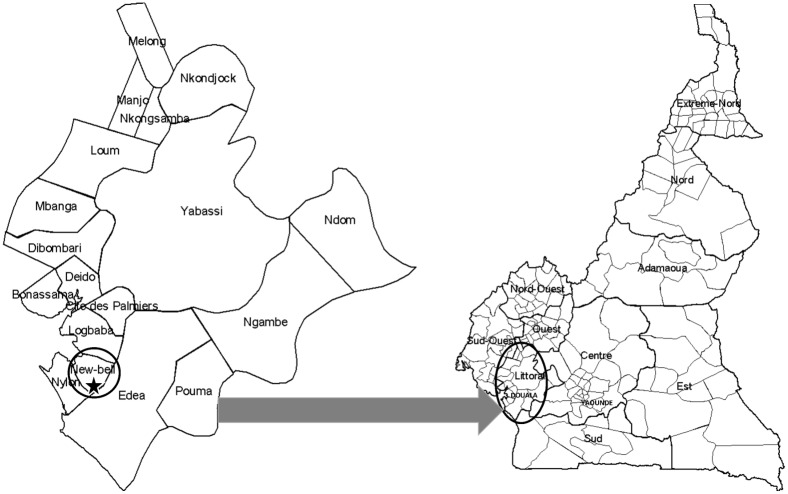
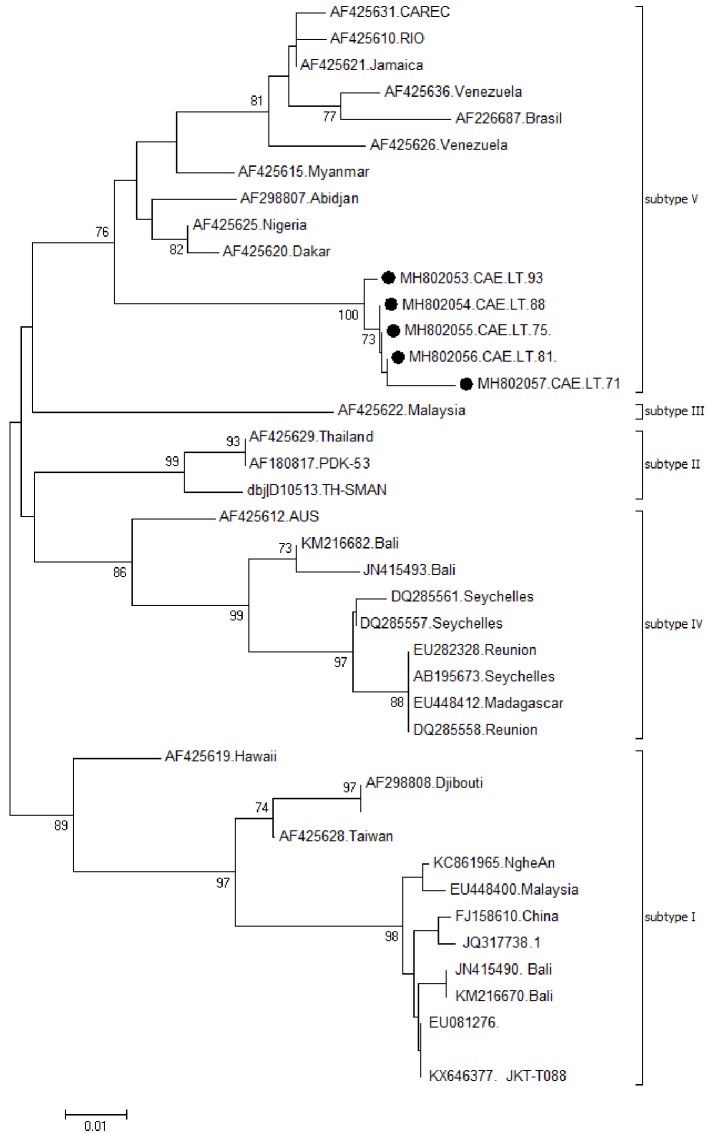
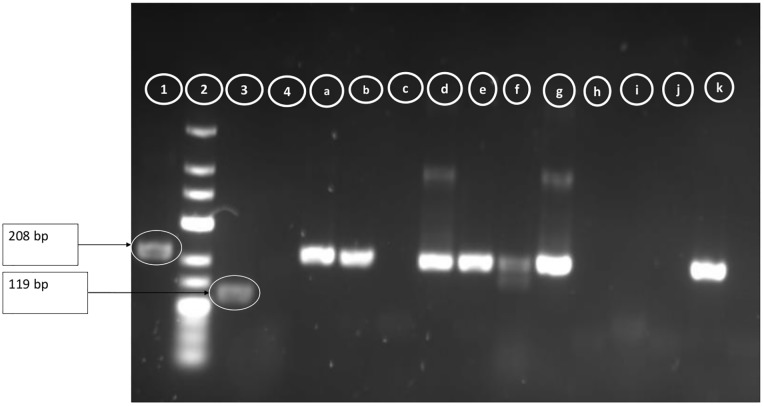
Arboviruses are a major public health problem worldwide and are predominantly present in intertropical areas. Chikungunya, dengue and zika viruses have been implicated in recent epidemics in Asia, America and Africa. In Cameroon, data on these viruses are fragmentary. The purpose of this study was to determine the frequency of detection of these three viruses in febrile patients in Douala, Cameroon. A cross-sectional and descriptive study was conducted from March to April 2017 at the New-Bell District Hospital in Douala. Blood samples were collected from febrile patients and tested for malaria infections using Rapid Diagnostic test. Plasma harvested was later analyzed for the presence of chikungunya, dengue and zika viruses by a Trioplex real-time RT-PCR at Centre Pasteur of Cameroon. A total of 114 participants were included, of which 63.2% were females, reflecting a sex ratio (female/male) of 1.7. The median age was 26 years, range [0.25-81]. Eight (7%) of the 114 participants were infected with Dengue virus (DENV) among which 5 were identified as serotype 1. No cases of infection by either Zika virus or Chikungunya virus were detected. Three cases of dengue-malaria co-infection (13%) were recorded. No association was found between socio-demographic factors and dengue infection. The phylogenetic analysis of the partial envelope E gene showed that all the five DENV serotype 1 samples belonged to subtype V, similarly to strains from West African countries, particularly those from Nigeria, Senegal and Côte d'Ivoire. This study showed the circulation of DENV serotype 1 in febrile patients and raises the alarm for the establishment of a sustained surveillance system to detect cases and prevent potential outbreaks in Cameroon. The existence of dengue-malaria co-infections suggests that surveillance of arboviruses should not be limited to febrile, non-malarial cases.
虫媒病毒是全球主要的公共卫生问题,主要存在于热带地区。基孔肯雅热、登革热和寨卡病毒与亚洲、美洲和非洲最近的流行疫情有关。在喀麦隆,这些病毒的数据较为零散。本研究旨在确定在喀麦隆杜阿拉发热患者中这三种病毒的检出频率。2017 年 3 月至 4 月,在杜阿拉的新贝尔区医院进行了一项横断面和描述性研究。从发热患者中采集血样,使用快速诊断检测法检测疟疾感染。从杜阿拉巴斯德中心使用三重实时 RT-PCR 分析采集的血浆,以检测基孔肯雅热、登革热和寨卡病毒的存在情况。共纳入 114 名参与者,其中 63.2%为女性,反映出性别比(女性/男性)为 1.7。中位年龄为 26 岁,范围[0.25-81]。114 名参与者中有 8 人(7%)感染登革热病毒(DENV),其中 5 人被鉴定为血清型 1。未检测到寨卡病毒或基孔肯雅热病毒感染。记录了 3 例登革热-疟疾合并感染(13%)。未发现社会人口因素与登革热感染之间存在关联。部分包膜 E 基因的系统发育分析表明,所有 5 株 DENV 血清型 1 均属于亚型 V,与来自西非国家的菌株相似,特别是来自尼日利亚、塞内加尔和科特迪瓦的菌株。本研究表明,杜阿拉发热患者中存在 DENV 血清型 1 循环,并敲响警钟,需建立一个持续监测系统来发现病例,以防止喀麦隆出现潜在疫情。登革热-疟疾合并感染的存在表明,对虫媒病毒的监测不应仅限于发热、无疟疾的病例。