Müller-Trapet Markus, Cheer Jordan, Fazi Filippo Maria, Darbyshire Julie, Young J Duncan
Institute of Sound and Vibration Research, University of Southampton, University Rd, Southampton SO17 1BJ, United Kingdom.
Nuffield Department of Clinical Neurosciences, Level 6, West Wing, John Radcliffe Hospital, Oxford OX3 9DU, United Kingdom.
Appl Acoust. 2018 Oct;139:93-100. doi: 10.1016/j.apacoust.2018.04.019.
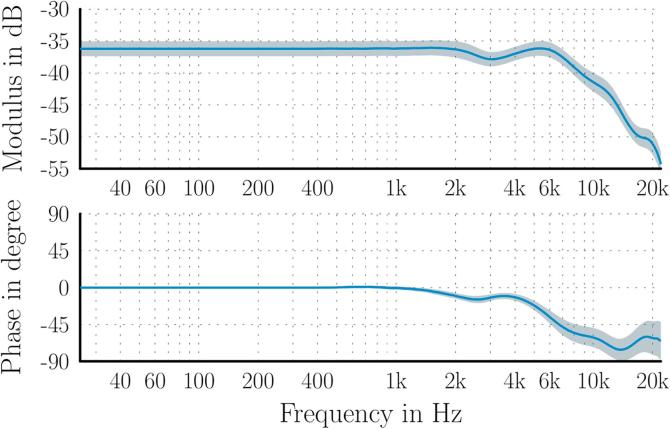
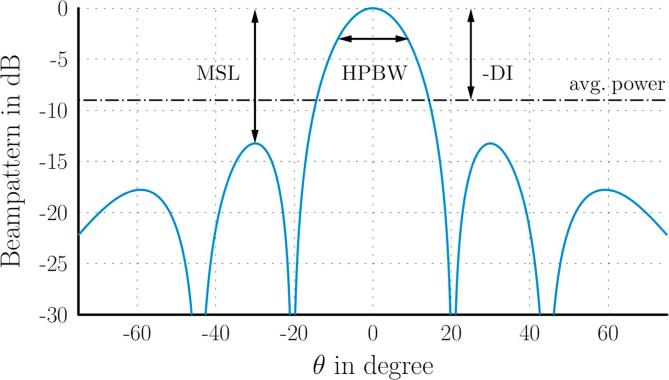
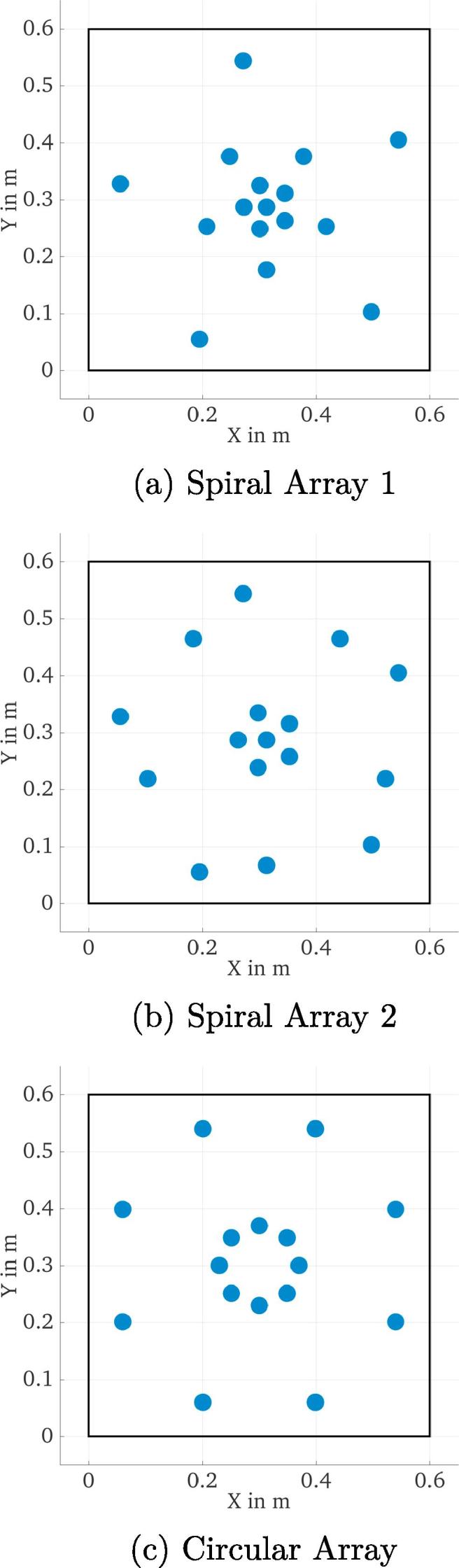
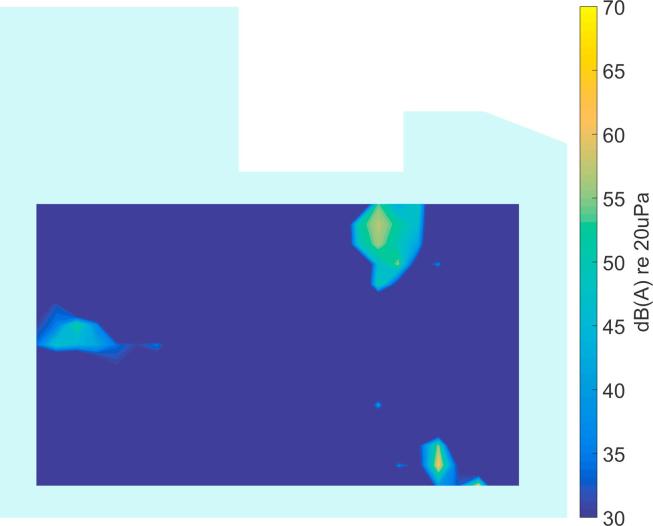
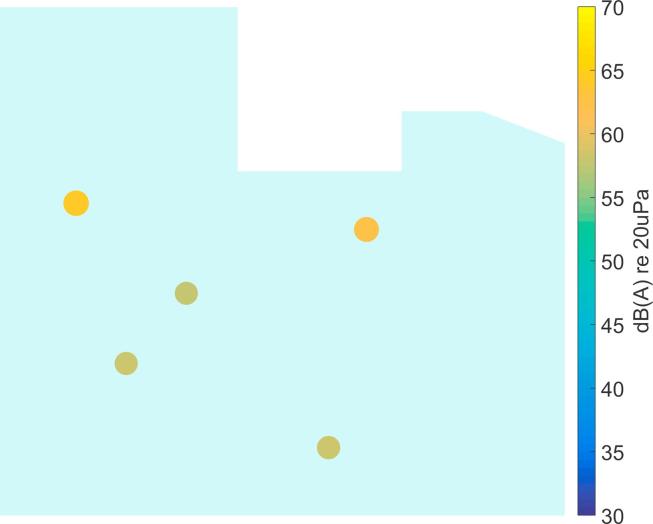
An approach is described to apply spatial filtering with microphone arrays to localize acoustic sources in an Intensive Care Unit (ICU). This is done to obtain more detailed information about disturbing noise sources in the ICU with the ultimate goal of facilitating the reduction of the overall background noise level, which could potentially improve the patients' experience and reduce the time needed for recovery. This paper gives a practical description of the system, including the audio hardware setup as well as the design choices for the microphone arrays. Additionally, the necessary signal processing steps required to produce meaningful data are explained, focusing on a novel clustering approach that enables an automatic evaluation of the spatial filtering results. This approach allows the data to be presented to the nursing staff in a way that enables them to act on the results produced by the system.
本文描述了一种将麦克风阵列空间滤波应用于重症监护病房(ICU)声源定位的方法。这样做是为了获取有关ICU中干扰噪声源的更详细信息,最终目标是降低整体背景噪声水平,这有可能改善患者体验并缩短康复所需时间。本文对该系统进行了实际描述,包括音频硬件设置以及麦克风阵列的设计选择。此外,还解释了生成有意义数据所需的必要信号处理步骤,重点介绍了一种新颖的聚类方法,该方法能够自动评估空间滤波结果。这种方法使数据能够以一种让护理人员能够根据系统产生的结果采取行动的方式呈现给他们。