Department of Biology, University of Copenhagen, Copenhagen, Denmark.
Department of Clinical Microbiology, Rigshospitalet, Copenhagen, Denmark.
Sci Rep. 2018 Oct 8;8(1):14961. doi: 10.1038/s41598-018-33264-7.
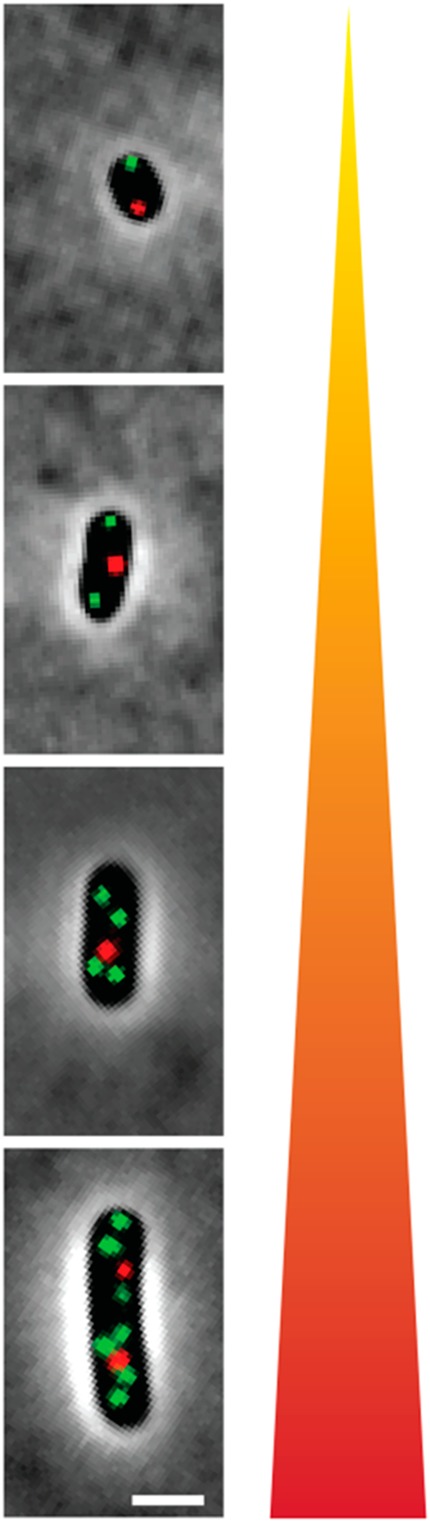
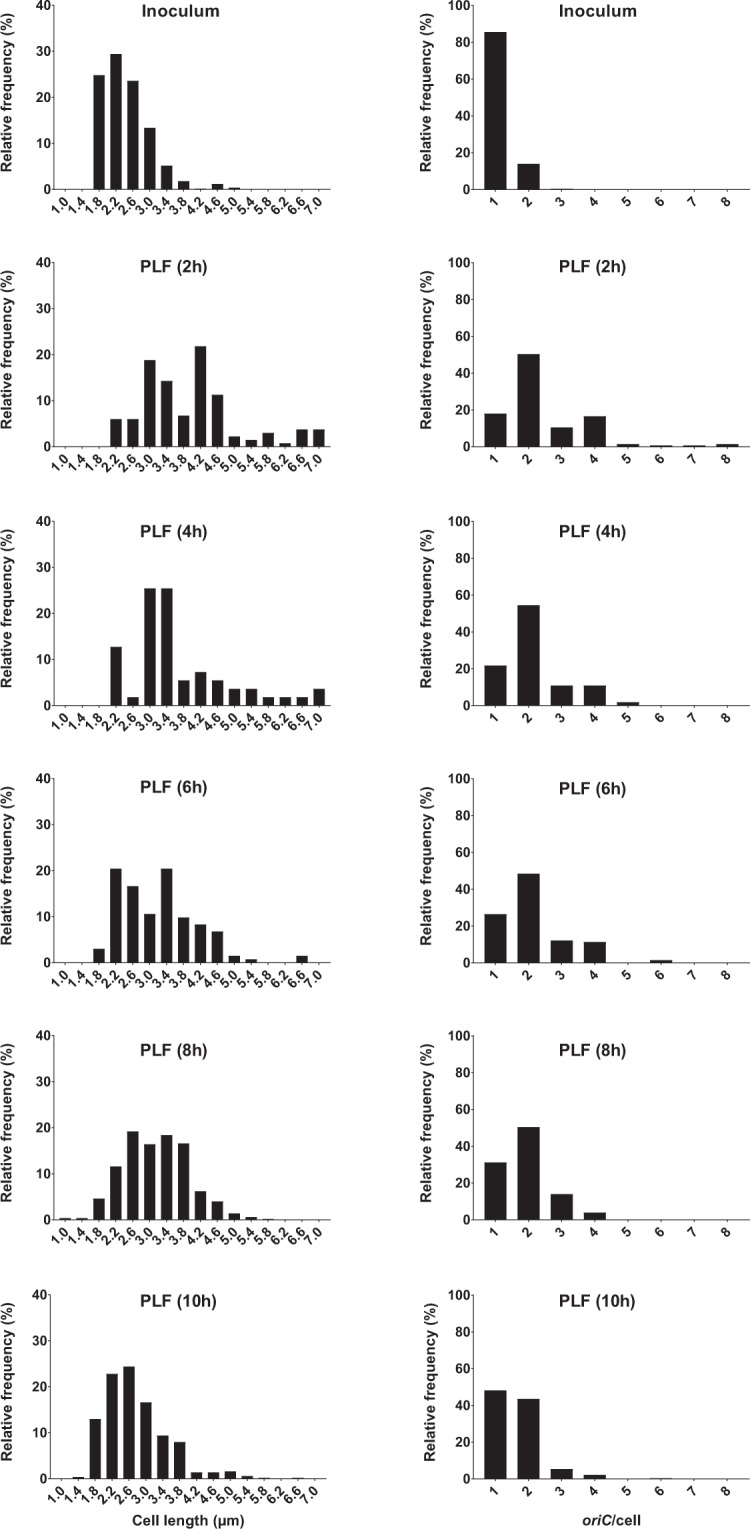
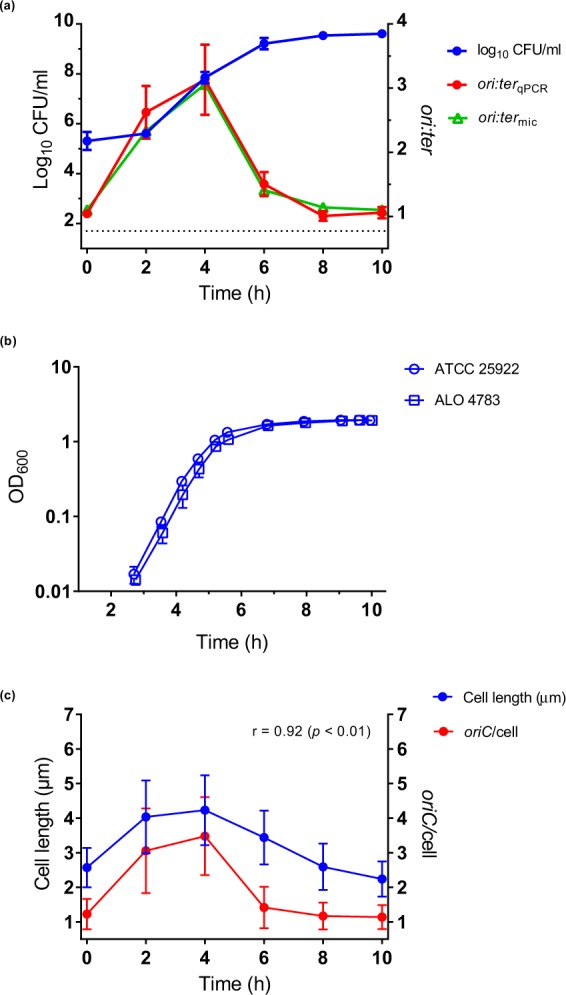
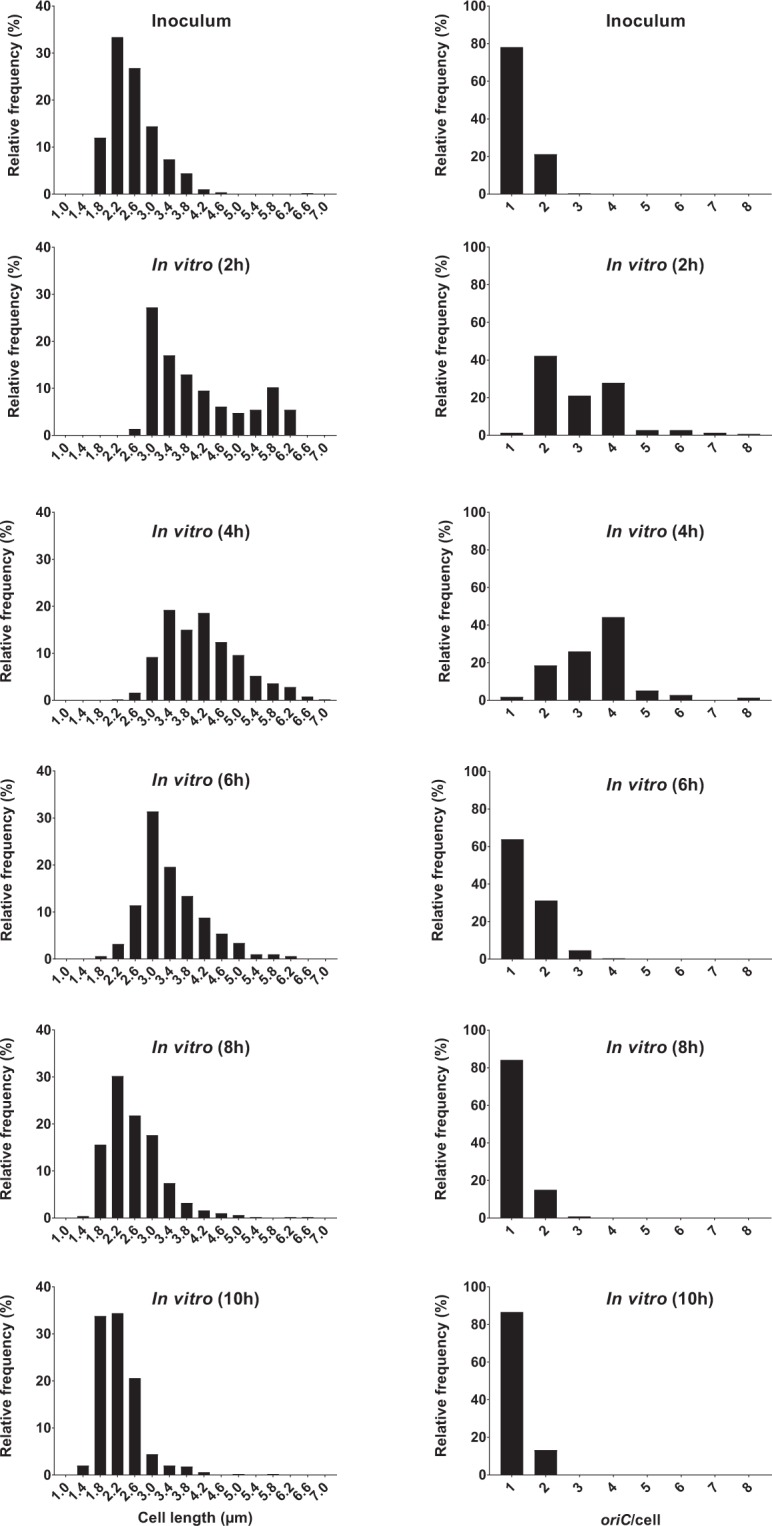
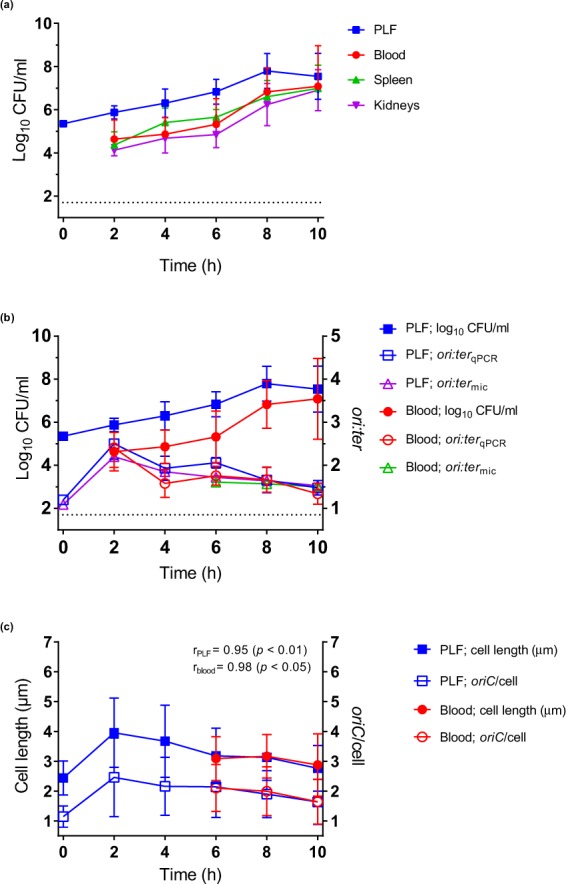
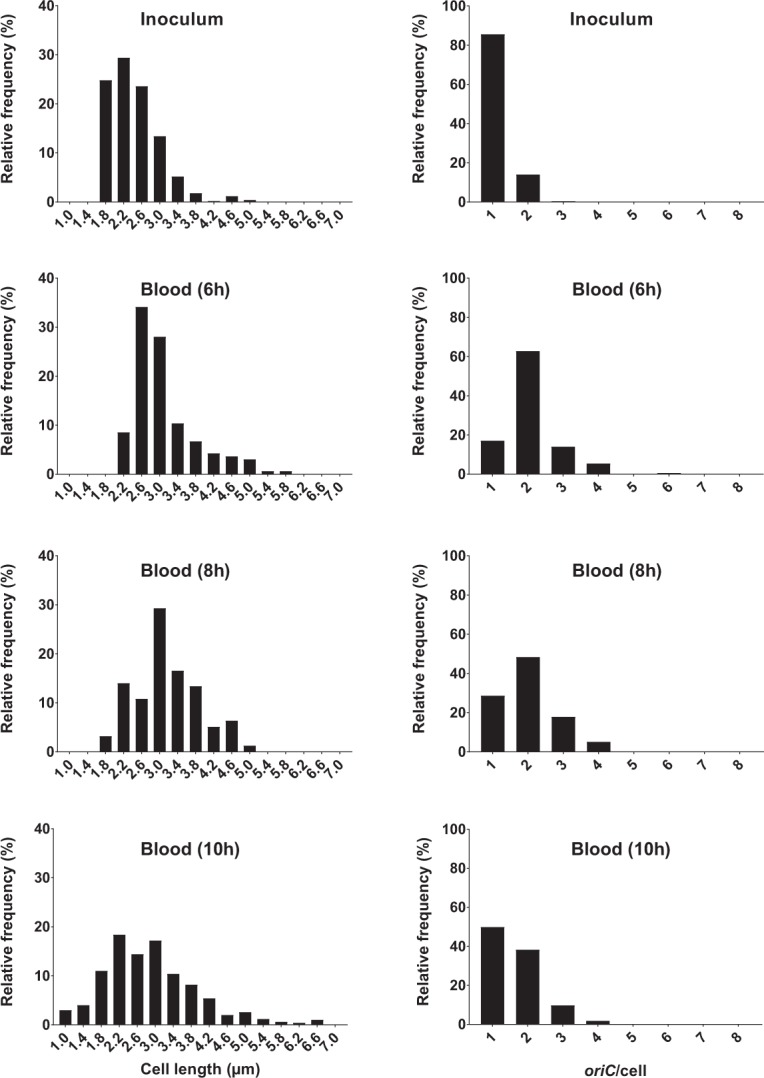
The efficacy of most antibiotics is dependent on active bacterial growth, yet little is known about the growth dynamics during infection. Therefore, means to measure in-host bacterial growth rate is of importance. Here, we use chromosome replication as readout for in situ bacterial growth rate during infection; obtained from a single biological specimen. We have applied two independent methods: quantitative PCR (qPCR) and fluorescence microscopy, to quantify the level of chromosome replication present during Escherichia coli propagation in the mouse peritonitis model. We find that the methods complement each other and allow for quantification of growth rate, both on a population average and on a single-cell level. We demonstrate the presence of heterogeneous growth rates within bacterial populations propagating during infection. Also, no growth cessation was observed during the apparent stationary phase in vivo, and, by comparison of growth dynamics at different anatomical sites, we demonstrate that E. coli is unlikely to grow independently intravascularly. These findings provide novel insight into bacterial growth during host infection, and underscore the importance of pinpointing the primary site of infection in septicaemia of unknown origin and ensuring antibiotic availability at this site.
大多数抗生素的疗效取决于细菌的活跃生长,但对于感染过程中的生长动态知之甚少。因此,测量宿主内细菌生长速率的方法很重要。在这里,我们使用染色体复制作为感染过程中细菌原位生长速率的读出;从单个生物样本中获得。我们应用了两种独立的方法:定量 PCR(qPCR)和荧光显微镜,来量化在小鼠腹膜炎模型中大肠杆菌繁殖过程中存在的染色体复制水平。我们发现这些方法相互补充,允许在群体平均水平和单细胞水平上定量生长速率。我们证明了在感染过程中繁殖的细菌群体中存在异质性生长速率。此外,在体内明显的静止期没有观察到生长停止,并且通过比较不同解剖部位的生长动态,我们证明大肠杆菌不太可能在血管内独立生长。这些发现为宿主感染期间细菌生长提供了新的见解,并强调了在不明来源的败血症中确定感染的主要部位并确保该部位有抗生素供应的重要性。