Soppelsa Sebastian, Kelderer Markus, Casera Claudio, Bassi Michele, Robatscher Peter, Andreotti Carlo
Faculty of Science and Technology, Free University of Bozen-Bolzano, Bolzano, Italy.
Laimburg Research Centre, Vadena, Italy.
Front Plant Sci. 2018 Sep 20;9:1342. doi: 10.3389/fpls.2018.01342. eCollection 2018.
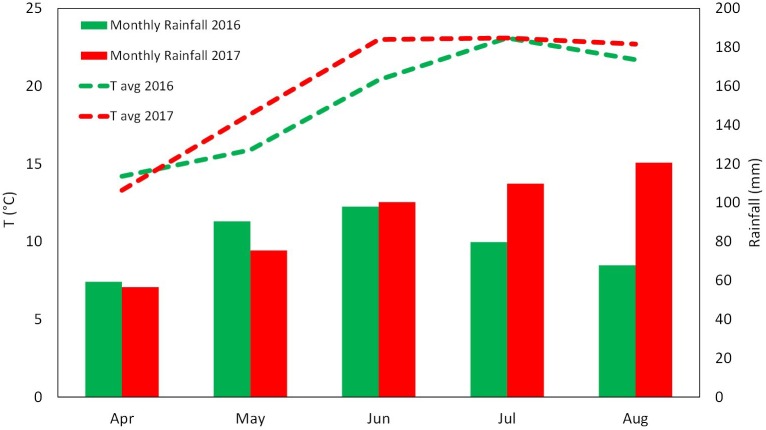
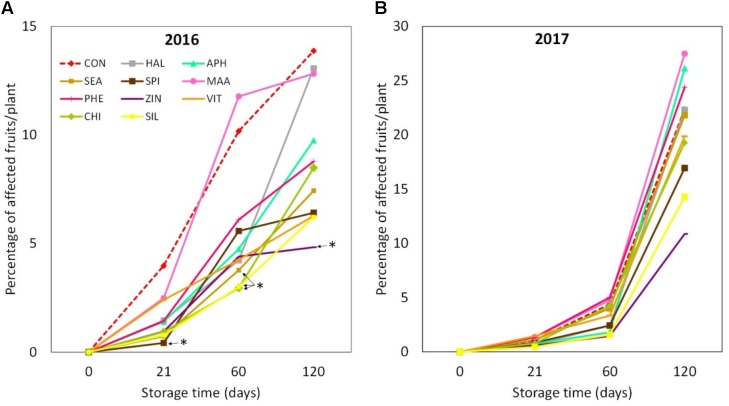
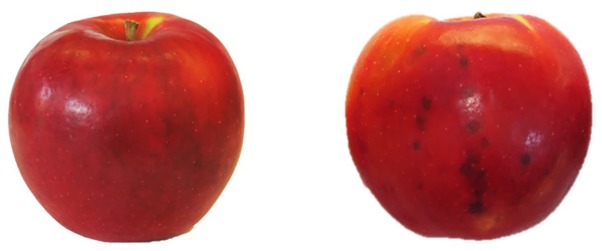
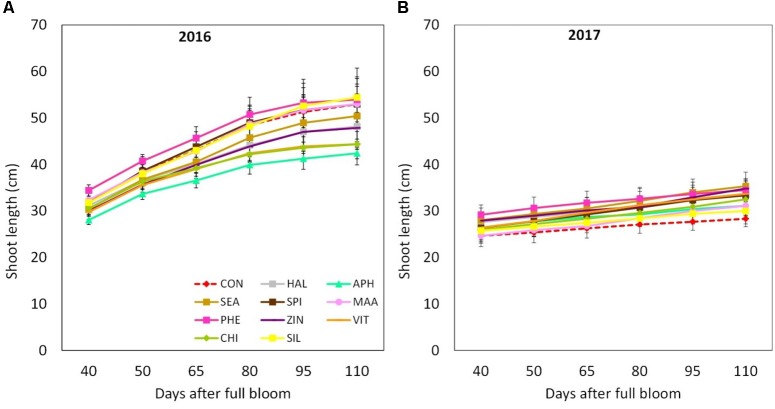
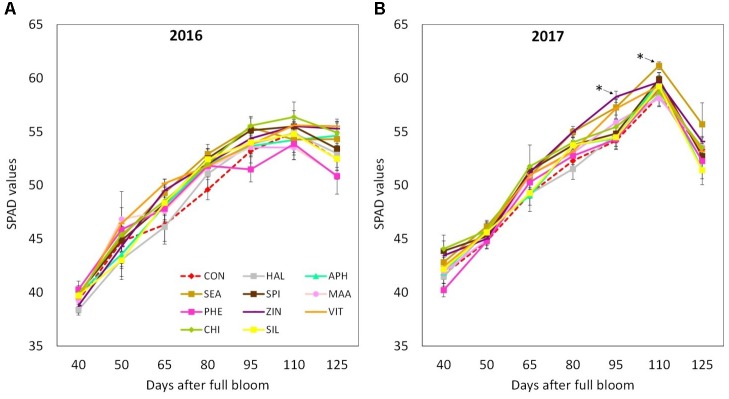
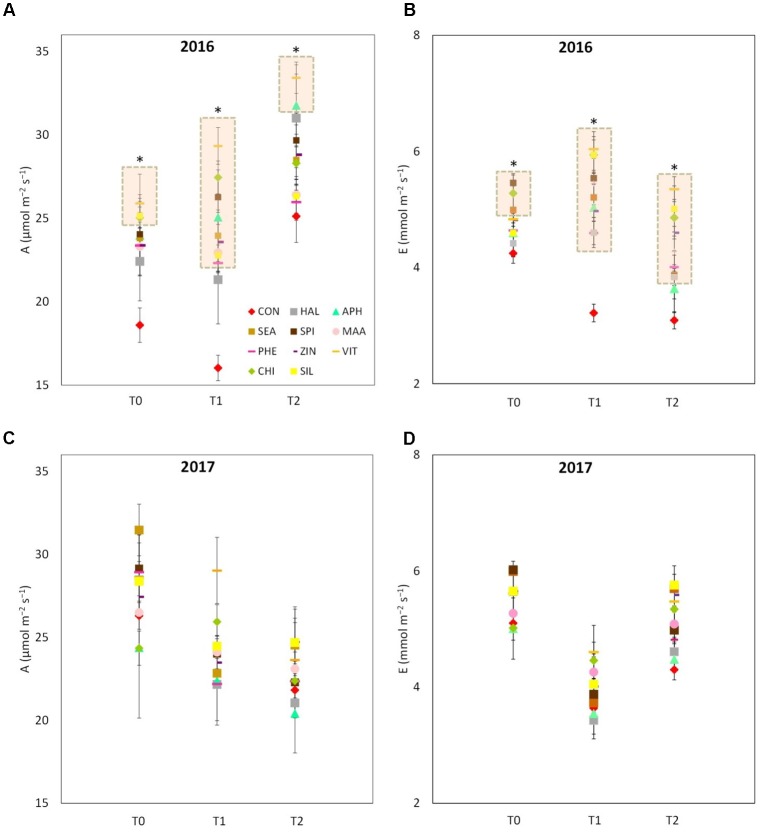
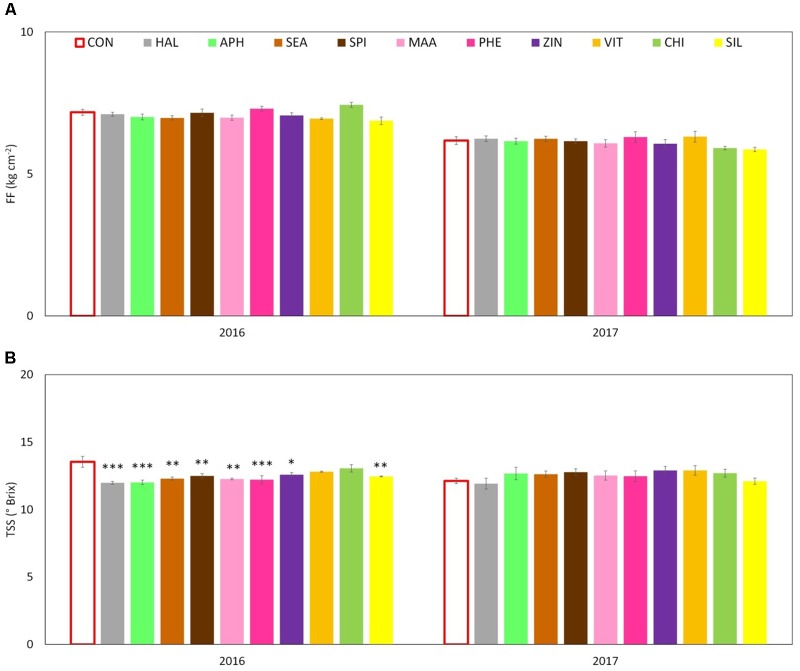
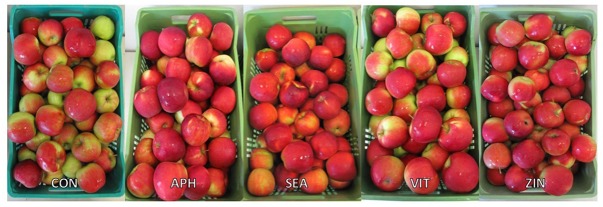
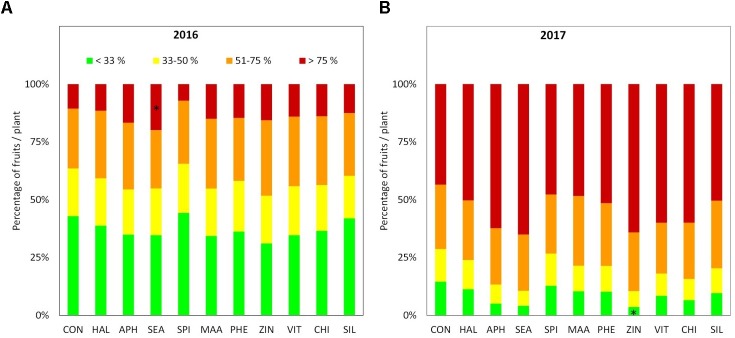
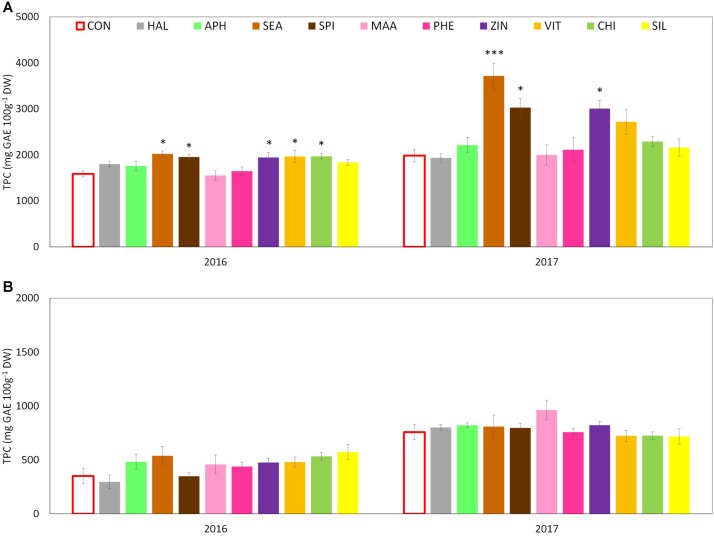
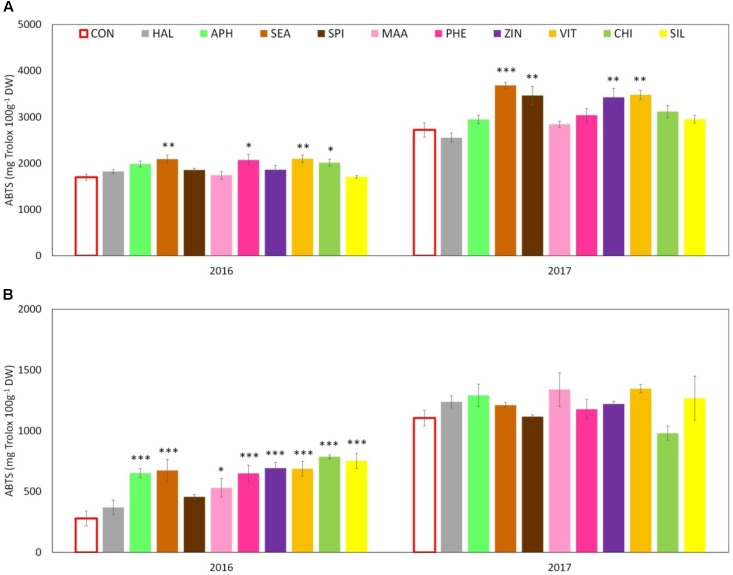
The experiment was conducted during two consecutive seasons (years 2016 and 2017) in an organic apple orchard of the cultivar Jonathan. Several biostimulants were tested (10 in total), including humic acids, macro and micro seaweed extracts, alfalfa protein hydrolysate, amino acids alone or in combination with zinc, B-group vitamins, chitosan and a commercial product containing silicon. Treatments were performed at weekly intervals, starting from the end of May until mid-August. The macroseaweed extract was effective in stimulate tree growth potential in both years, as shown by a significantly larger leaf area (+20% as compared to control) and by an higher chlorophyll content and leaf photosynthetic rate in year 2016. As for the yield performances and apples quality traits at harvest (average fruit weight, soluble solids content, titratable acidity, and flesh firmness), they were generally affected by the different climatic conditions that characterized the two growing seasons (year 2017 being characterized by higher maximal and average temperatures and by limited rainfalls at the beginning of the season). Treatments with macroseaweed extract, B-group vitamins and alfalfa protein hydrolysate were able to significantly improve the intensity and extension of the red coloration of apples at harvest. Correspondingly, the anthocyanin content in the skin of apples treated with the same biostimulants resulted significantly higher than control, highlighting the potential influence of these substances on the synthesis of secondary metabolites in apple. The incidence of physiological disorders was also monitored during apple storage period. Amino acids plus zinc application was effective in reducing (more than 50%) the incidence of the "Jonathan spot," the main post-harvest disorder for this cultivar.
该实验在乔纳金品种的有机苹果园中连续两个季节(2016年和2017年)进行。测试了几种生物刺激剂(总共10种),包括腐殖酸、大型和微型海藻提取物、苜蓿蛋白水解物、单独或与锌结合的氨基酸、B族维生素、壳聚糖以及一种含硅的商业产品。从5月底到8月中旬,每周进行一次处理。大型海藻提取物在这两年中均有效地刺激了树木的生长潜力,2016年的叶面积显著增大(比对照大20%),叶绿素含量和叶片光合速率更高。至于收获时的产量表现和苹果品质性状(平均果实重量、可溶性固形物含量、可滴定酸度和果肉硬度),它们通常受到两个生长季节不同气候条件的影响(2017年的特点是最高温度和平均温度较高,且季节开始时降雨量有限)。用大型海藻提取物、B族维生素和苜蓿蛋白水解物处理能够显著改善收获时苹果红色的强度和范围。相应地,用相同生物刺激剂处理的苹果皮中的花青素含量显著高于对照,突出了这些物质对苹果中次生代谢产物合成的潜在影响。在苹果储存期间也监测了生理病害的发生率。施用氨基酸加锌有效地降低了(超过50%)“乔纳金斑点”的发生率,这是该品种主要的采后病害。