Wáng Yì Xiáng J, Deng Min, He Lai-Chang, Che-Nordin Nazmi, Santiago Fernando Ruiz
Department of Imaging and Interventional Radiology, The Chinese University of Hong Kong, Prince of Wales Hospital, Shatin, New Territories, Hong Kong Special Administrative Region.
Department of Radiology, The First Affiliated Hospital of Nanchang University, Nanchang, Jiangxi Province, China.
J Orthop Translat. 2018 Sep 6;15:35-49. doi: 10.1016/j.jot.2018.08.004. eCollection 2018 Oct.
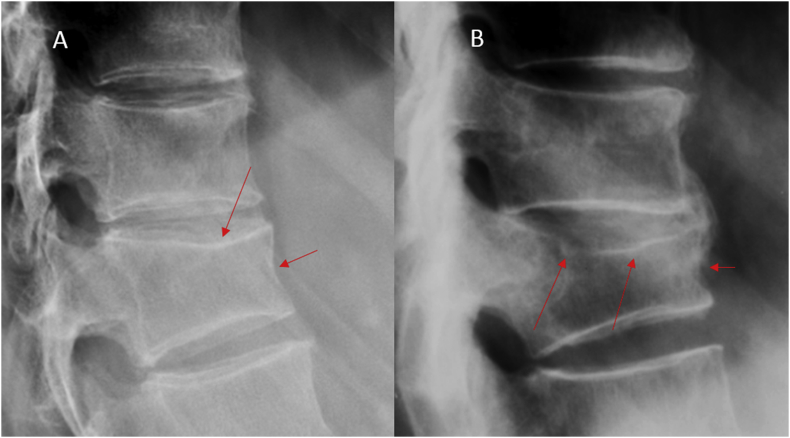
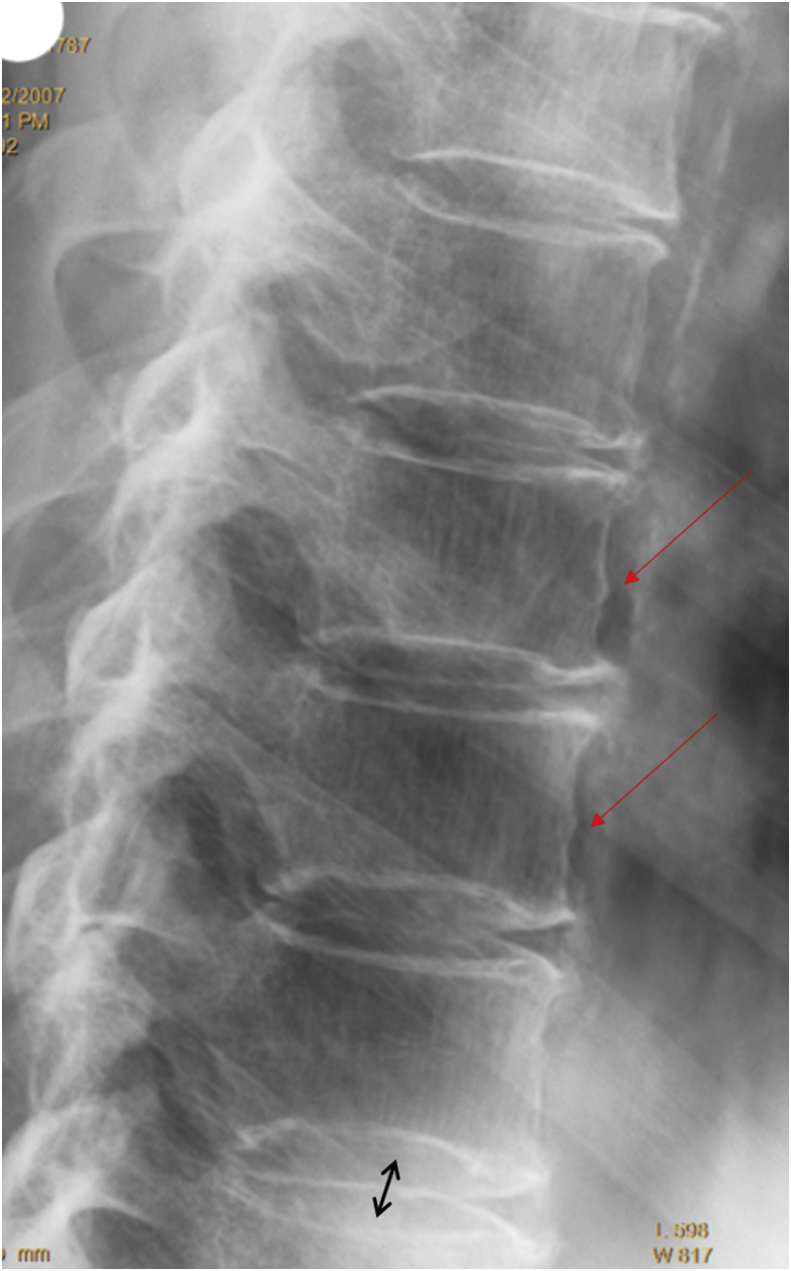
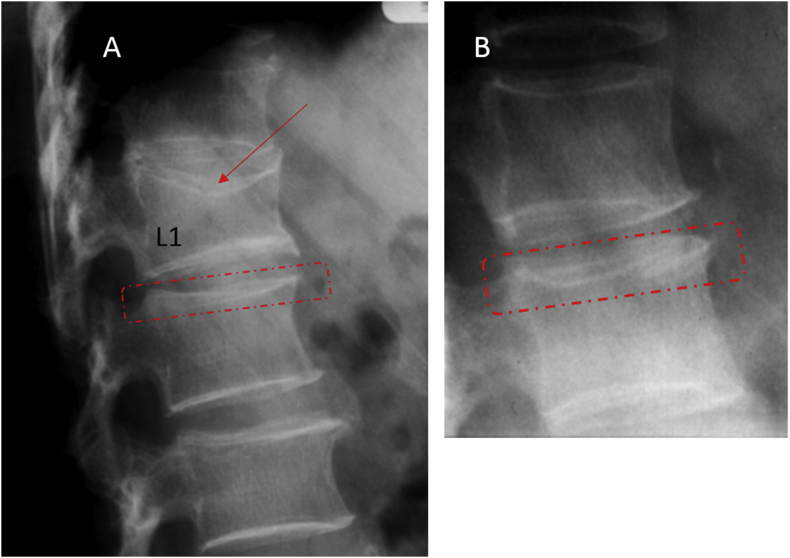
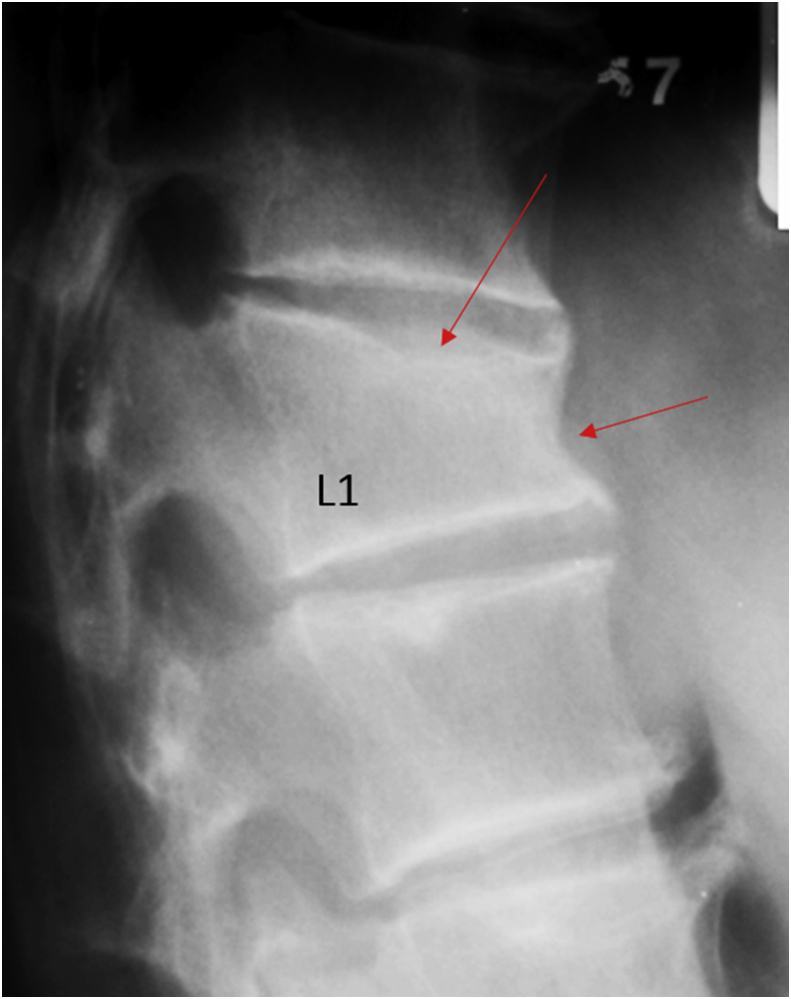
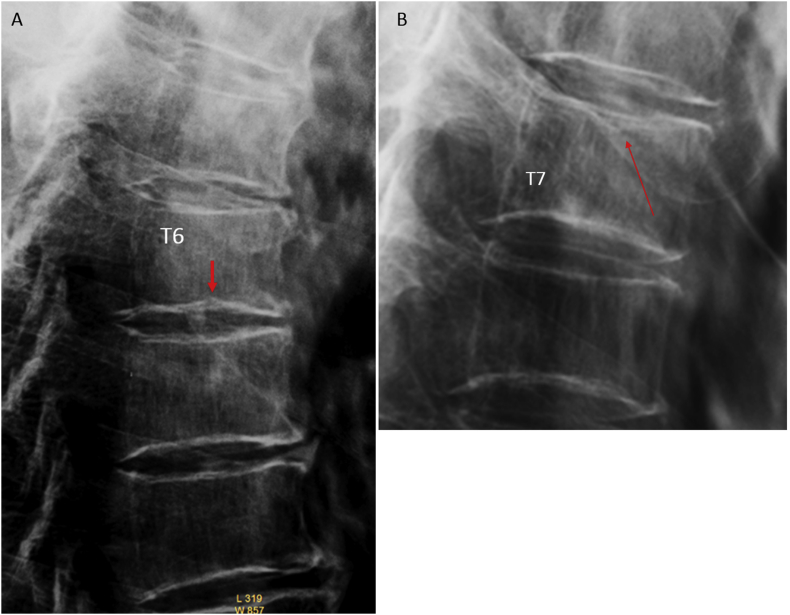
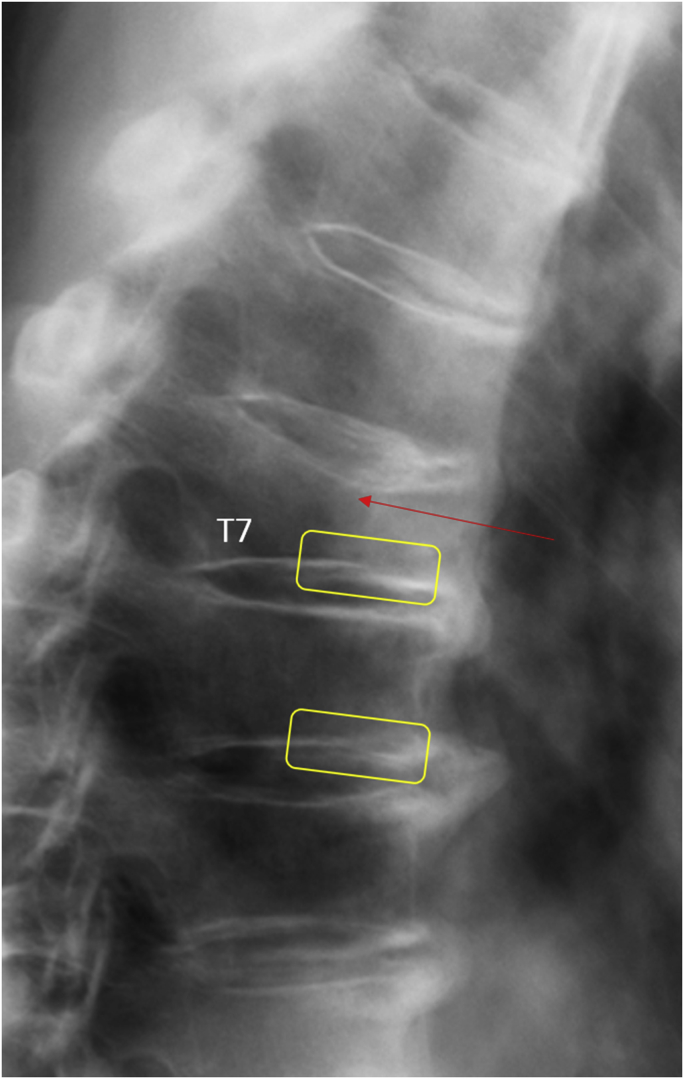
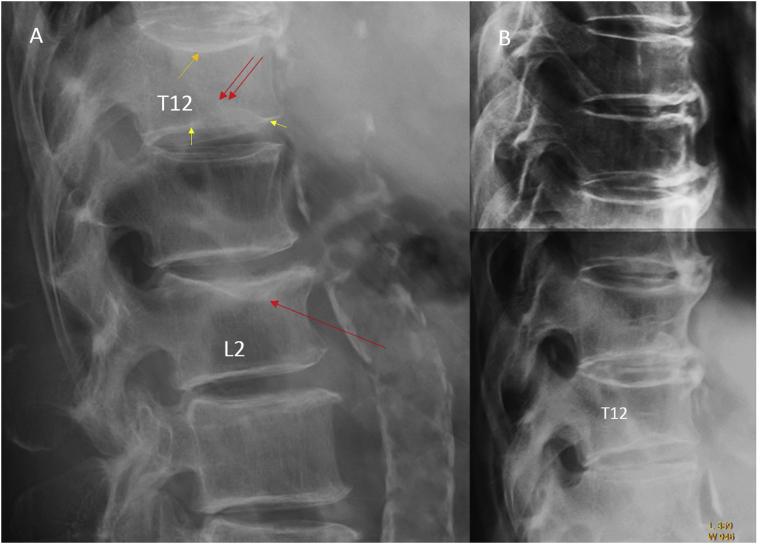
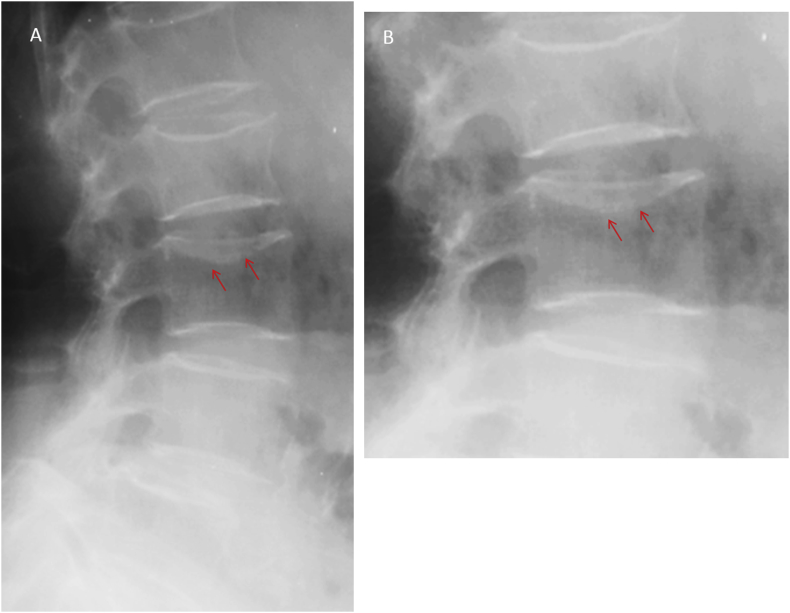
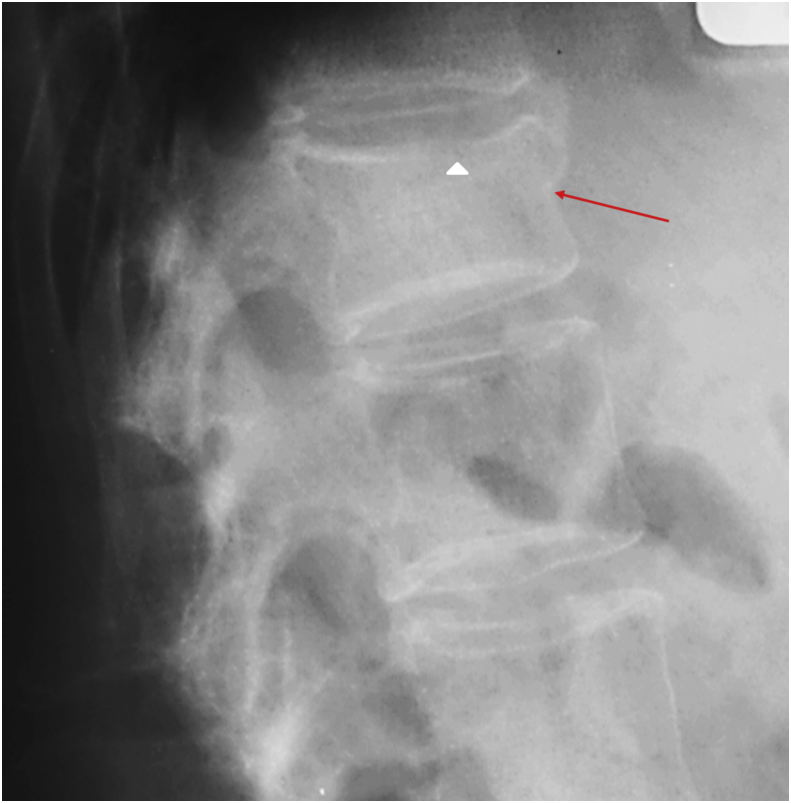
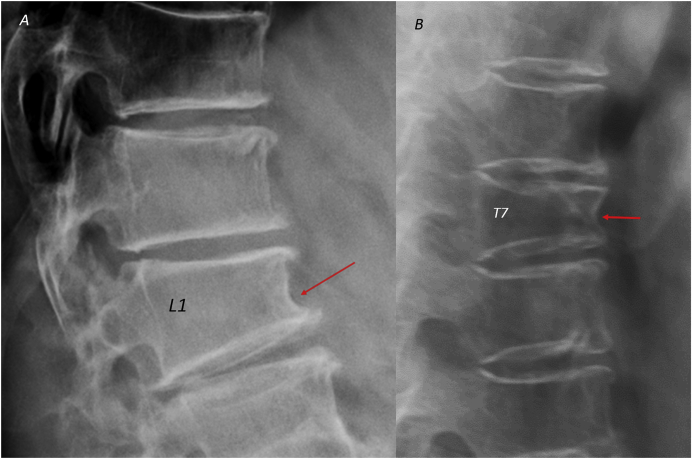
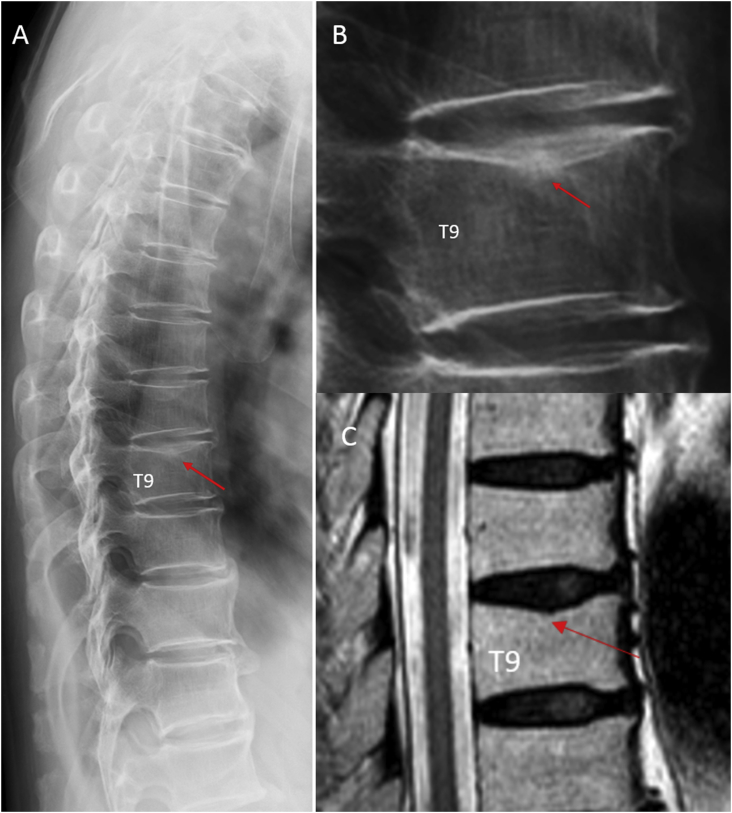
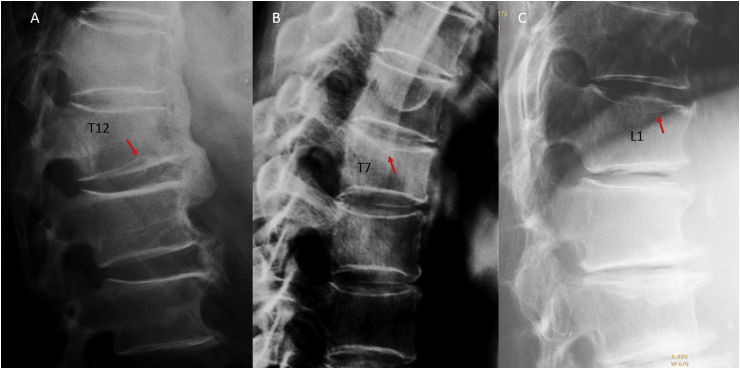
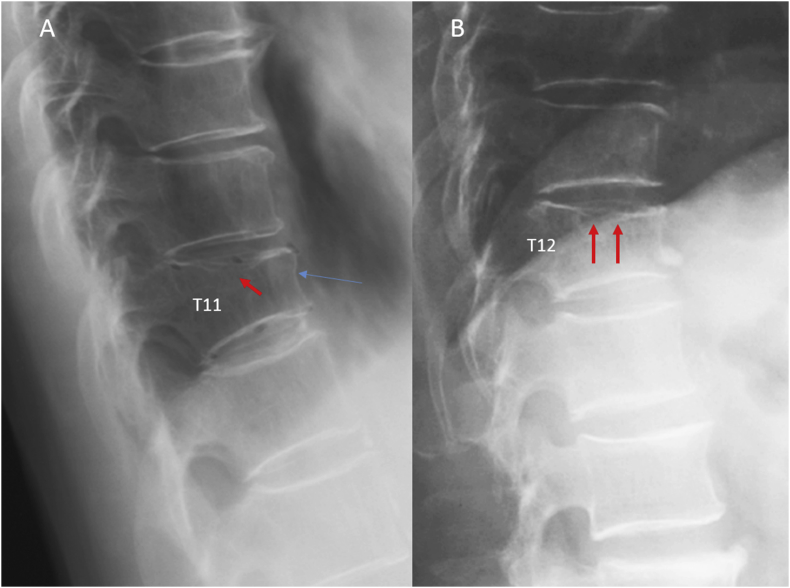
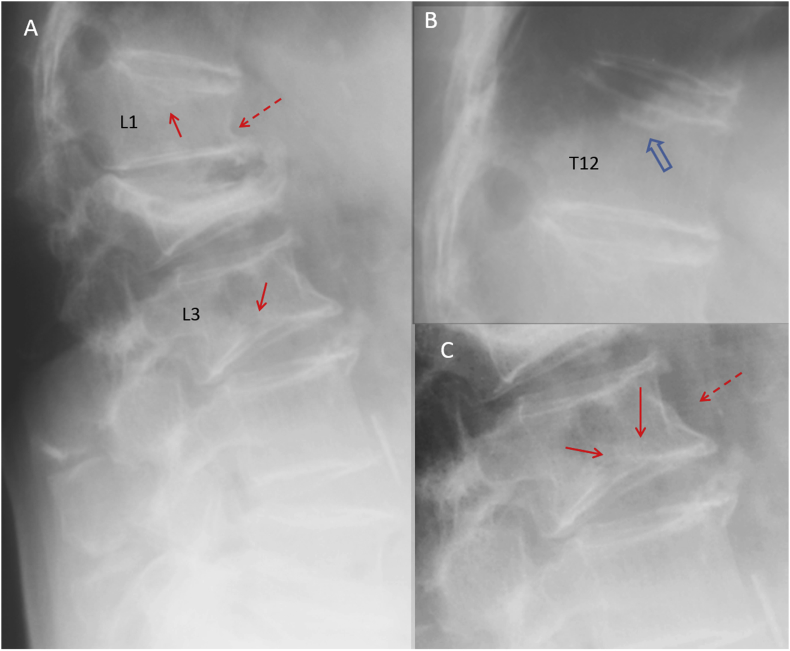
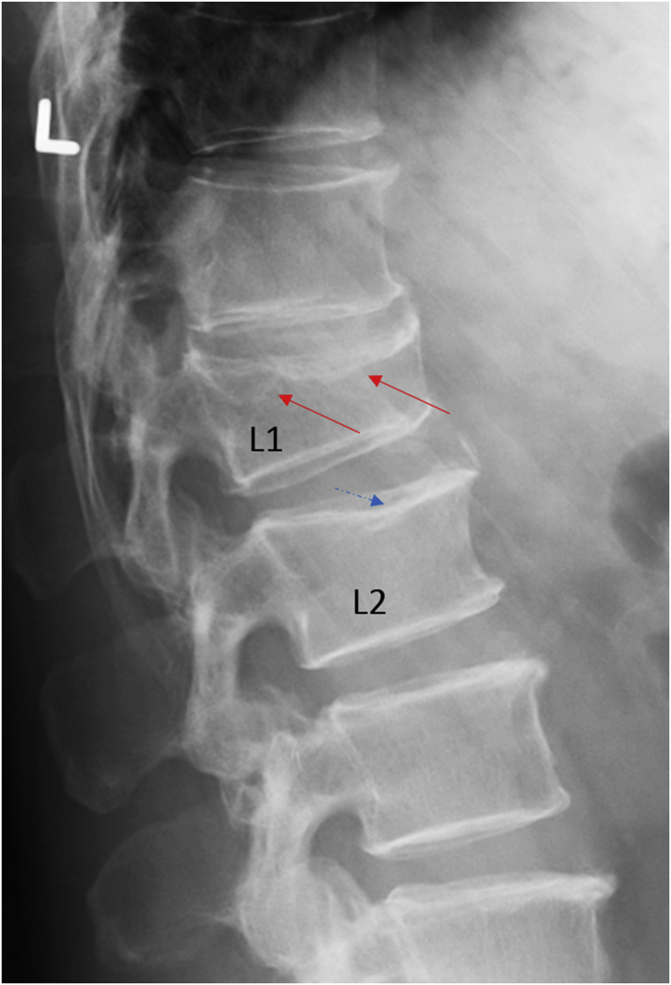
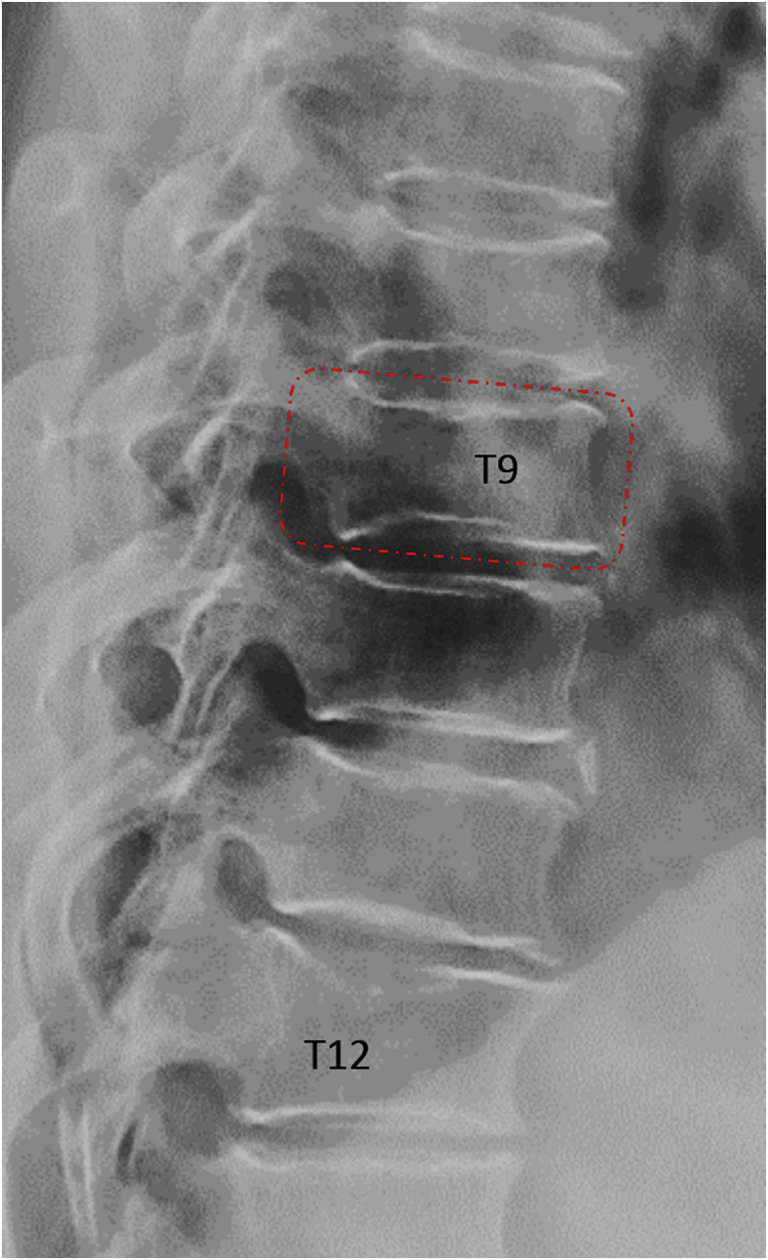
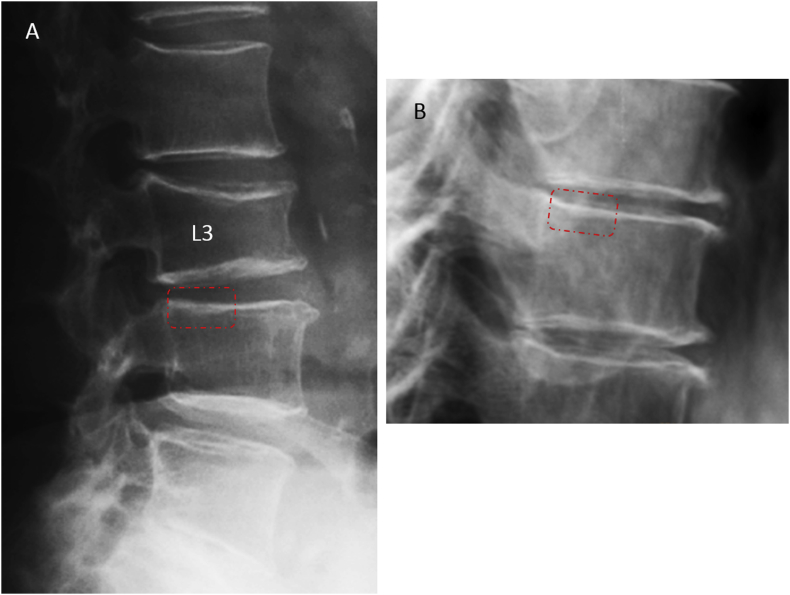
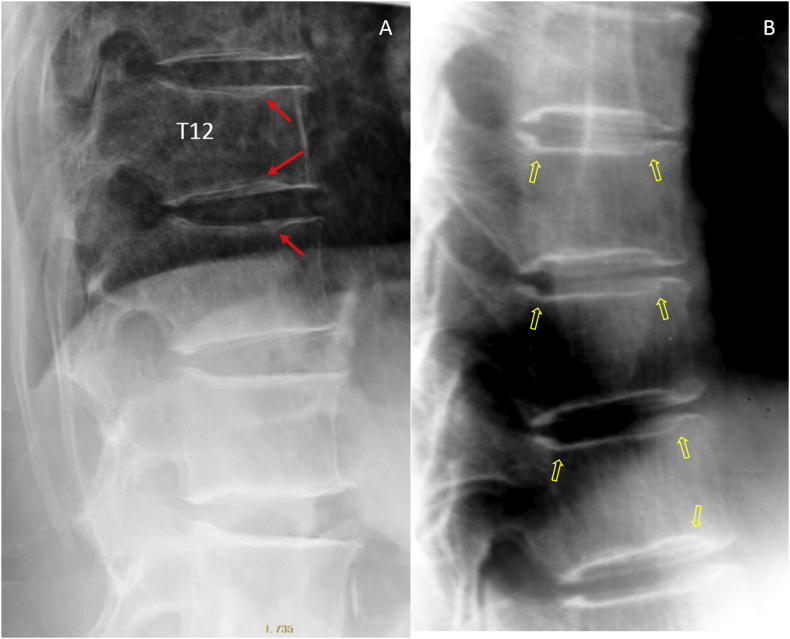
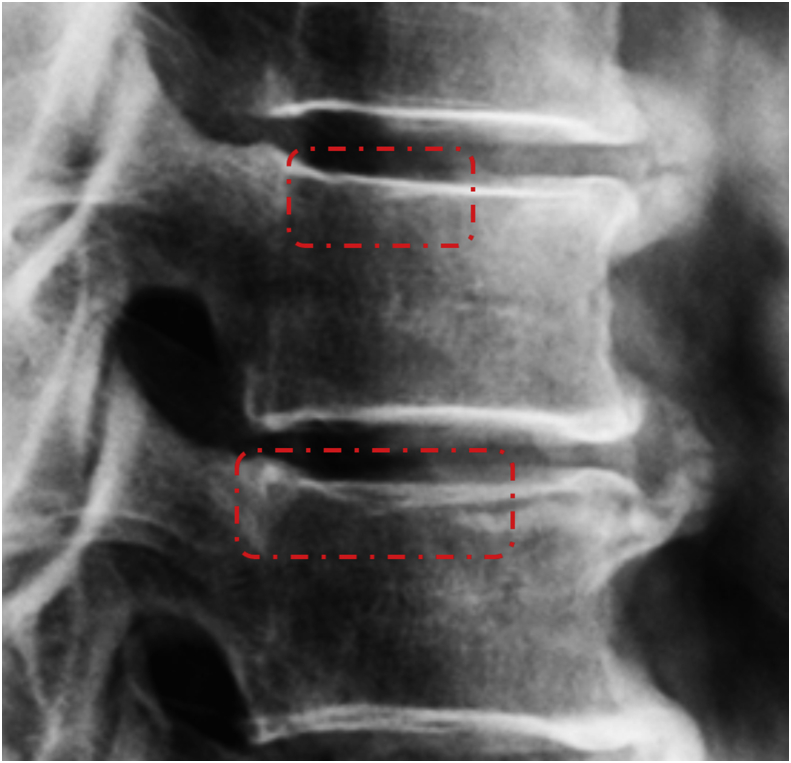
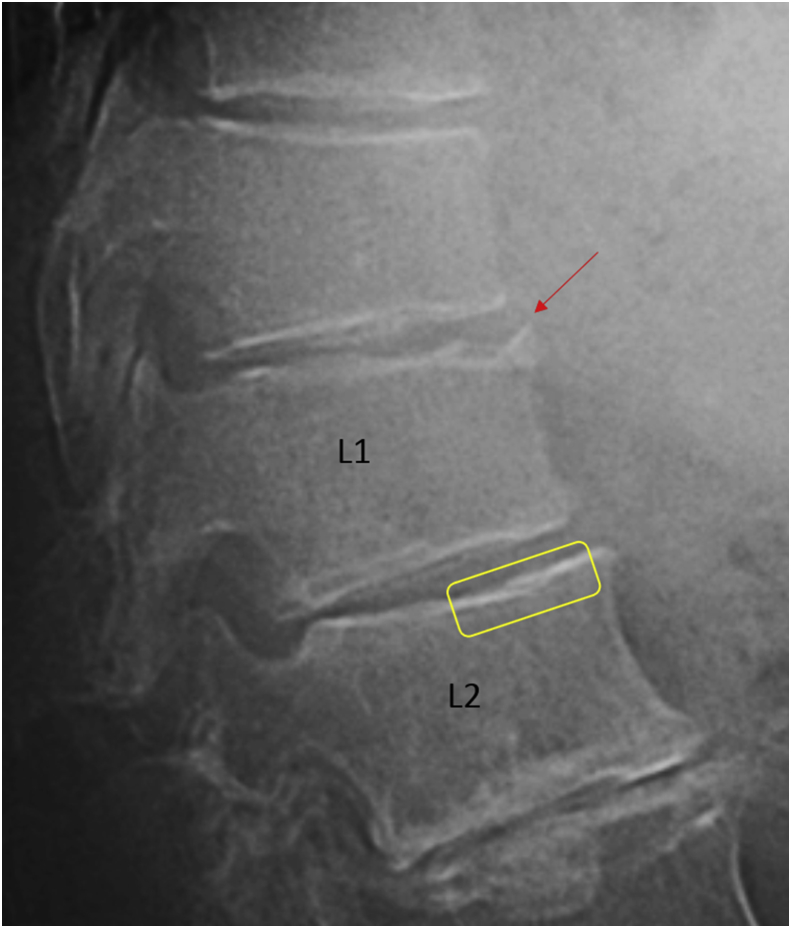
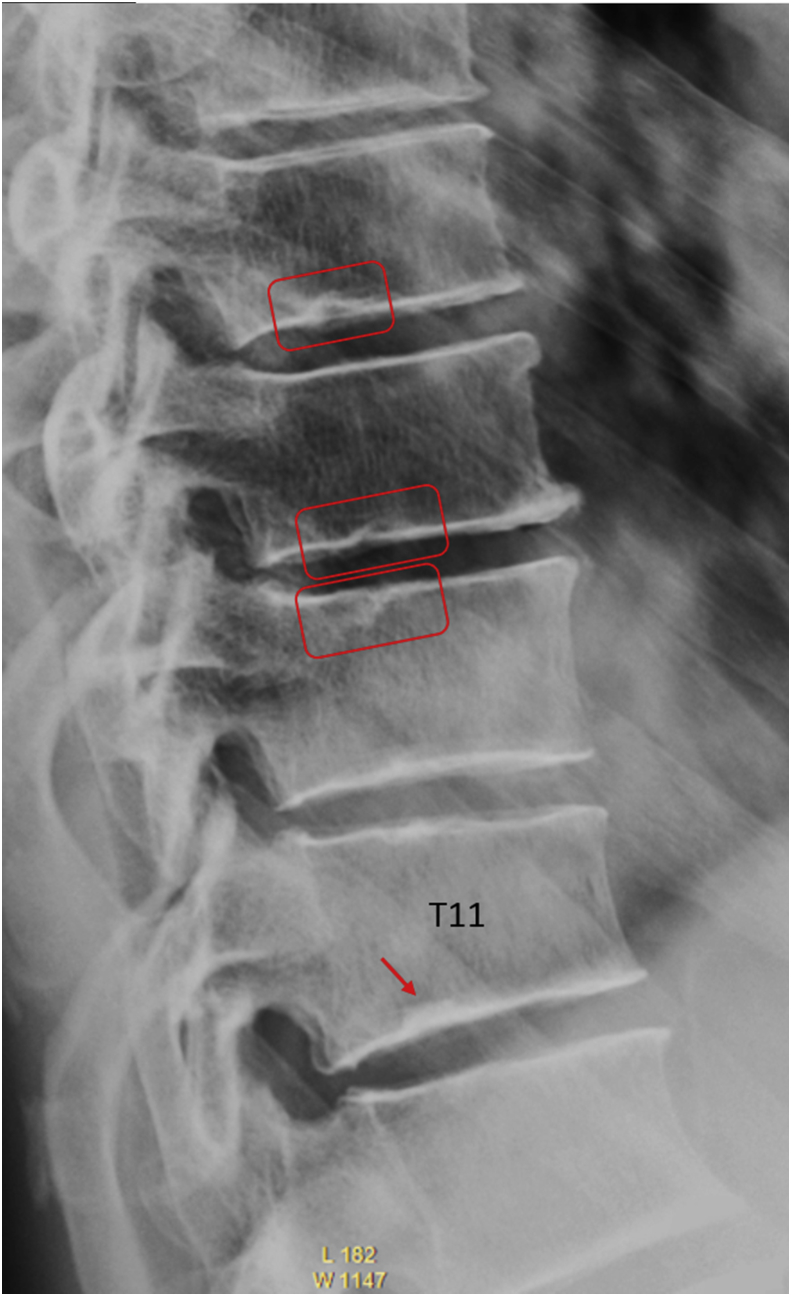
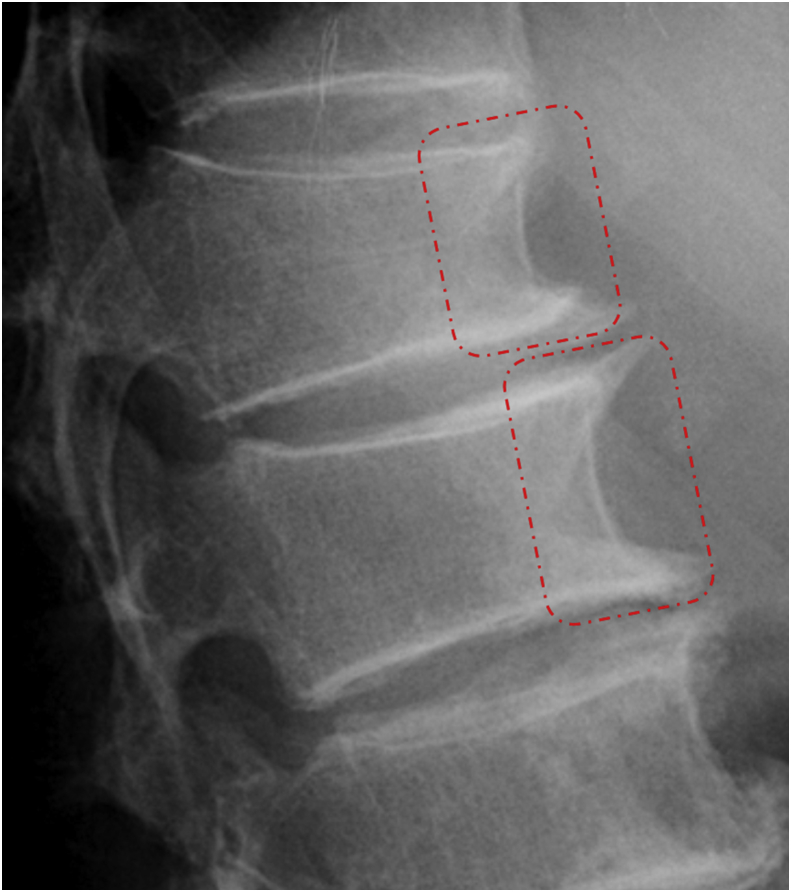
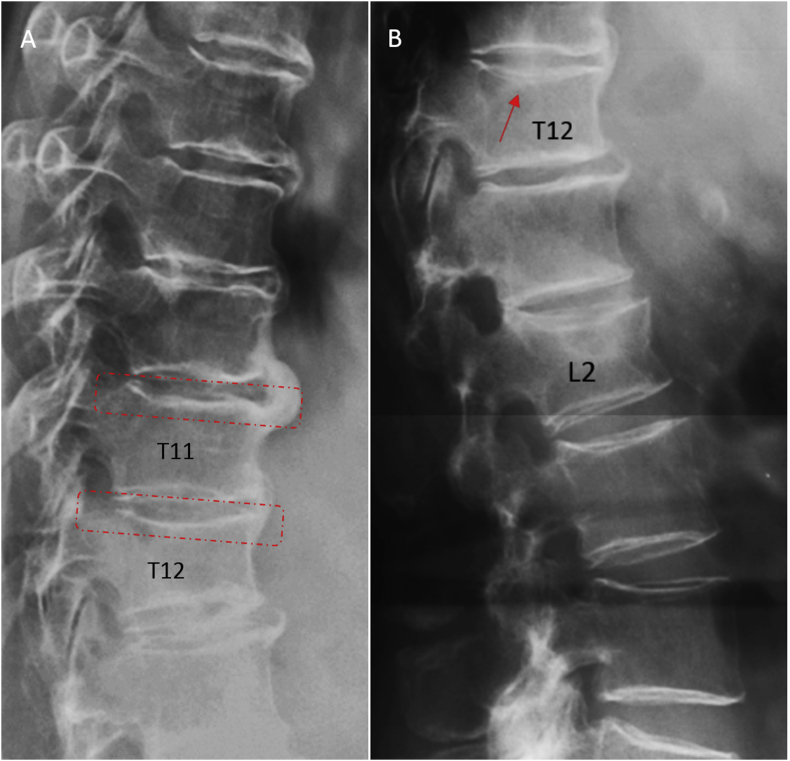
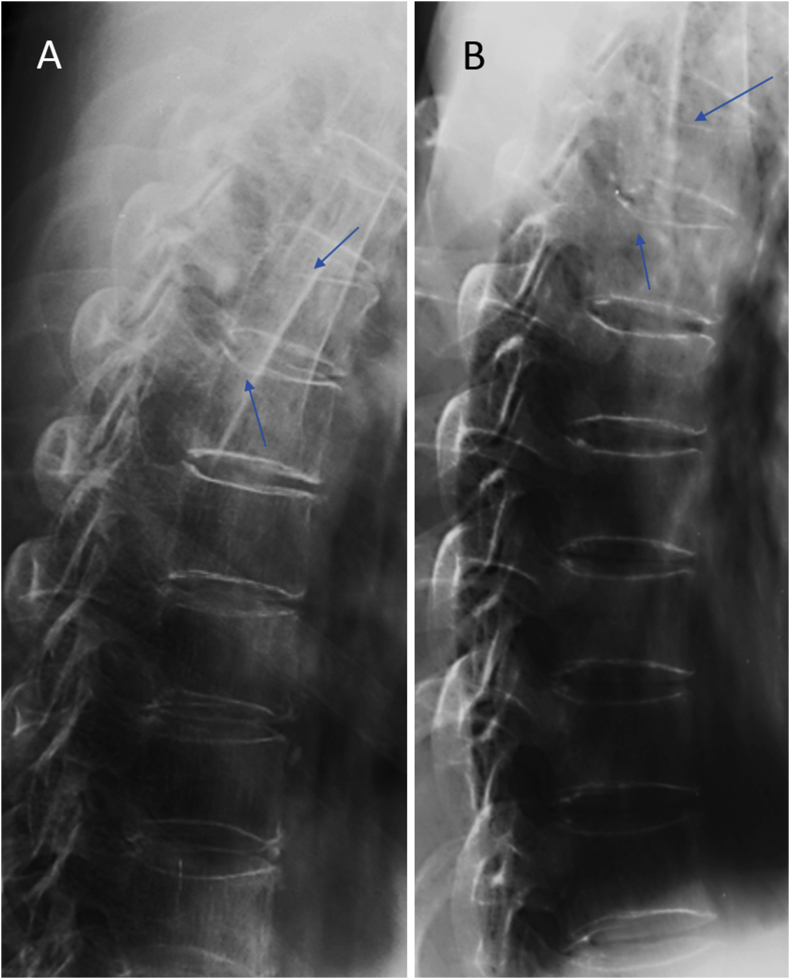
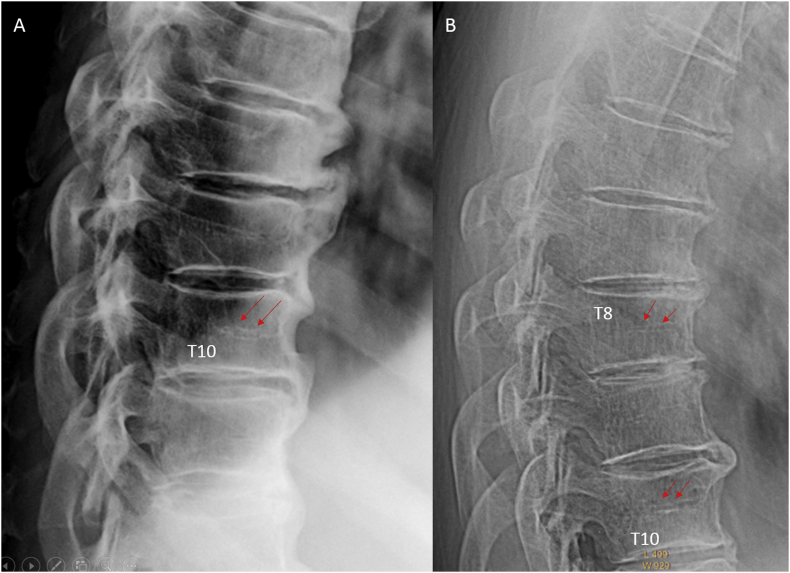
Despite years' research, the radiographic criteria for osteoporotic vertebral fracture and its grading remain debated. The importance of identifying vertebral endplate/cortex fracture (ECF) is being recognised; however, evaluation of osteoporotic ECF requires training and experience. This article aims to serve as a teaching material for radiologists/physicians or researchers to evaluate osteoporotic ECF. Emphasis is particularly dedicated to identifying ECF that may not be associated with apparent vertebral body collapse. We suggest a combined approach based on standardised radiologic evaluation by experts and morphometry measurement is the most appropriate approach to detect and classify osteoporotic vertebral fractures.
A good understanding of radiologic anatomy of vertebrae and fracture signs of endplate/cortex are essential for spine fragility fracture assessment.
尽管经过多年研究,骨质疏松性椎体骨折的影像学标准及其分级仍存在争议。识别椎体终板/皮质骨折(ECF)的重要性正得到认可;然而,评估骨质疏松性ECF需要培训和经验。本文旨在作为放射科医生/内科医生或研究人员评估骨质疏松性ECF的教材。重点特别在于识别可能与明显椎体塌陷无关的ECF。我们建议,基于专家的标准化放射学评估和形态测量的联合方法是检测和分类骨质疏松性椎体骨折的最合适方法。
对椎体的放射解剖学和终板/皮质骨折征象有良好的理解对于脊柱脆性骨折评估至关重要。