Jiangsu Key Laboratory of Infection and Immunity, Institutes of Biology and Medical Sciences, Soochow University, Suzhou, China.
Front Immunol. 2018 Sep 21;9:2136. doi: 10.3389/fimmu.2018.02136. eCollection 2018.
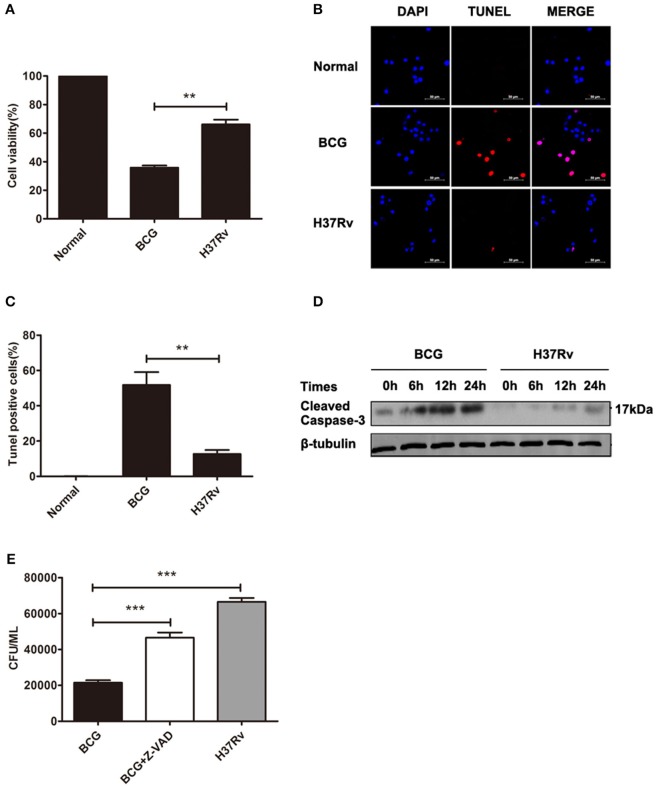
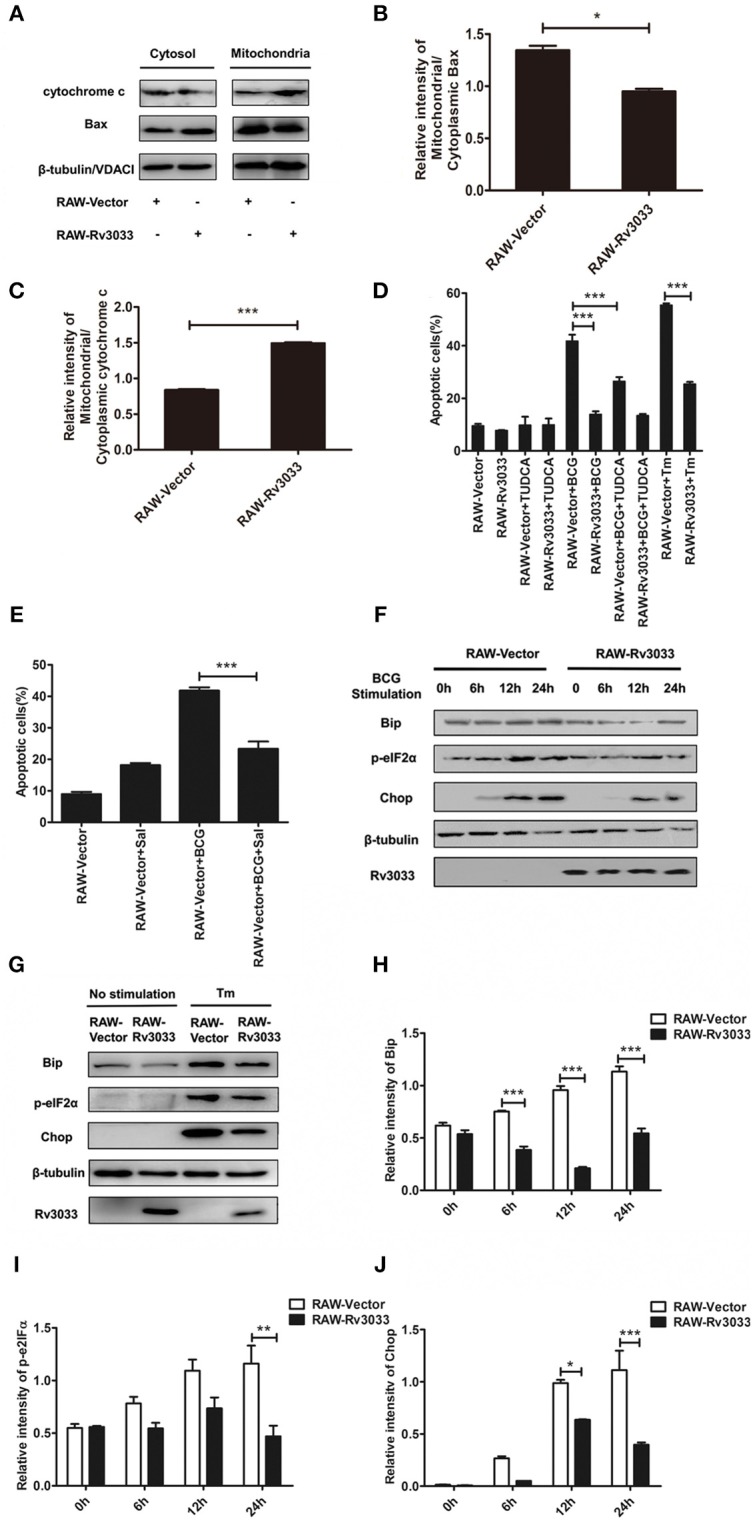
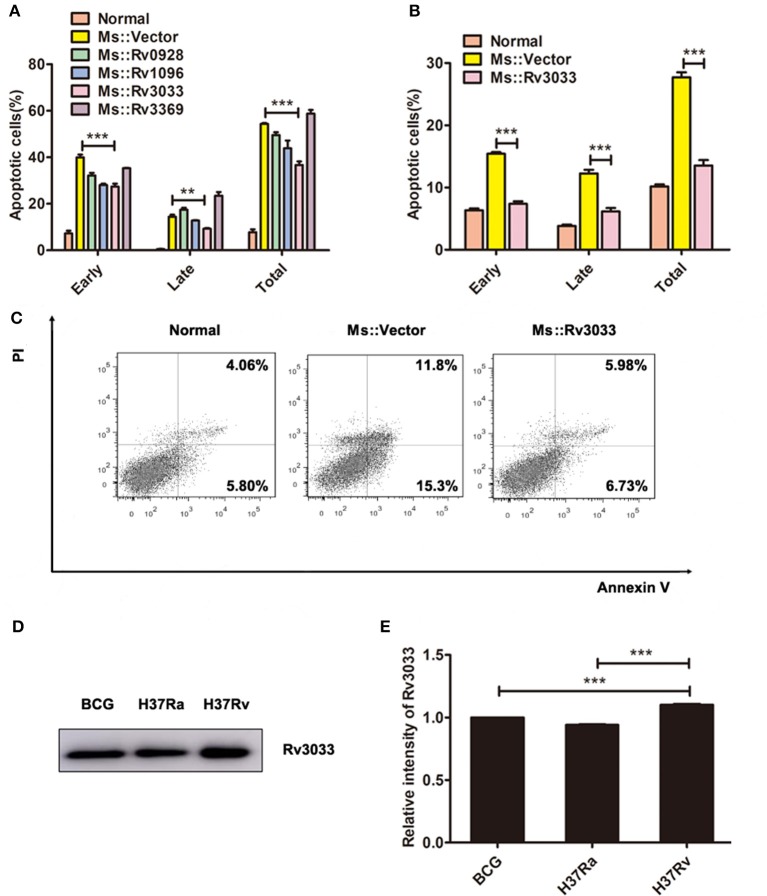
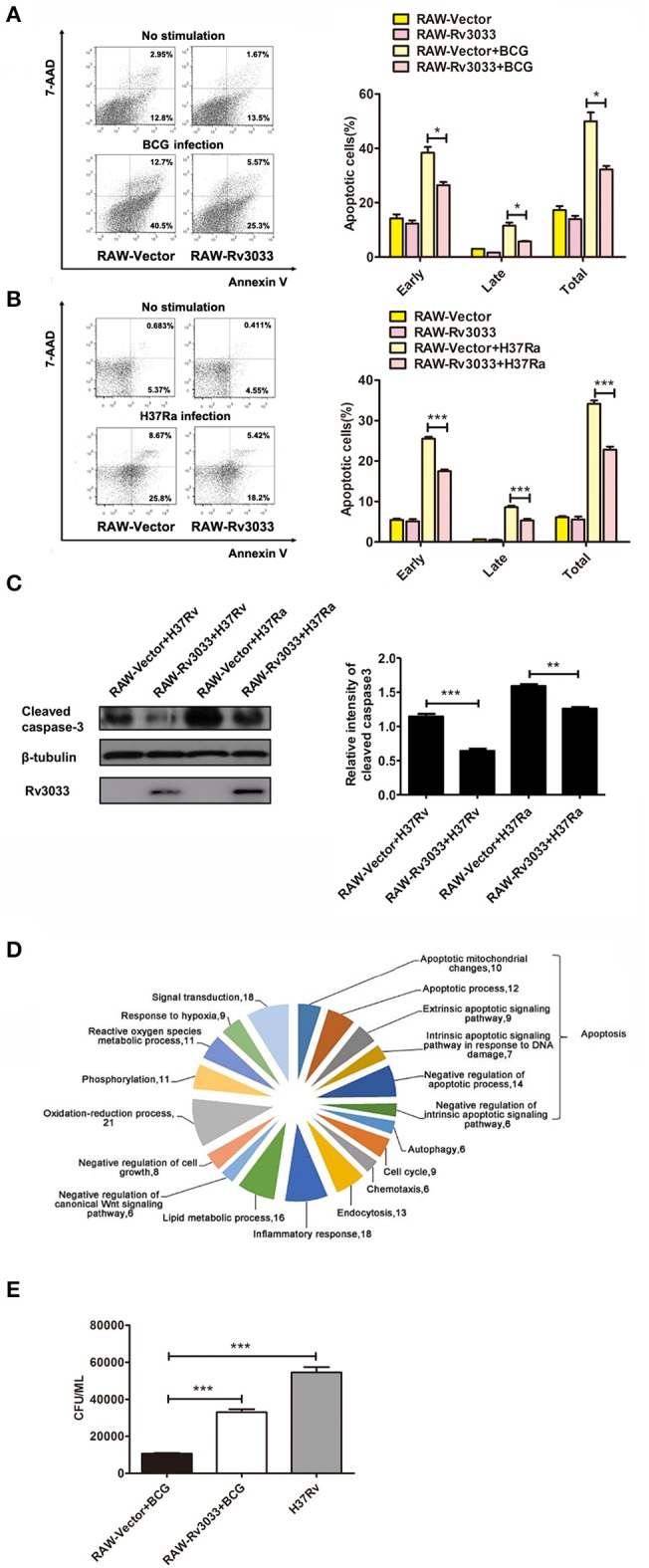
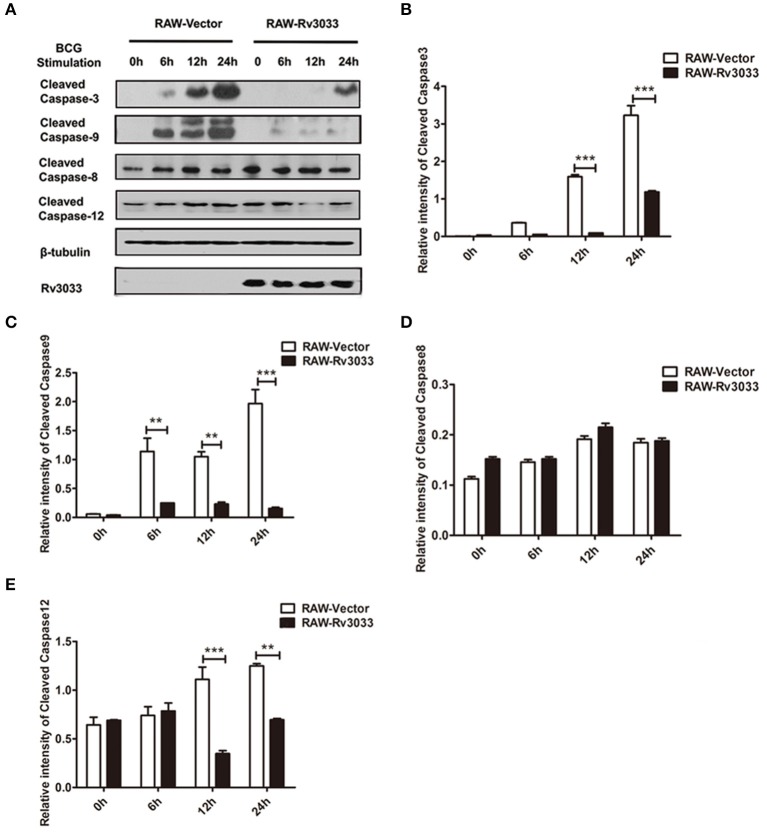
Apoptosis inhibition is a critical strategy of mycobacteria facilitating its survival in macrophages, but the underlying mechanism is not completely understood. In this study, we found that Rv3033, a secreted virulence factor of mycobacteria, played an important role in bacillary survival within macrophages. Forced over-expressed of Rv3033 in macrophages could efficiently resist mycobacteria-induced early and late apoptosis, accompanied with the obvious increased cellular bacterial burden. By exploring the underlying mechanism, we found that Rv3033 efficiently repressed the intrinsic (caspase-9 meditated), but not the extrinsic (caspase-8 mediated) apoptotic pathway in mycobacteria-infected macrophages. And this repression relied on the orchestrating blockade of both mitochondrial cytochrome c release and endoplasmic reticulum (ER) stress PERK branch activation. Our study uncovered a novel function of mycobacterial virulence factor Rv3033 as an anti-apoptotic protein, which may provide a new target for tuberculosis (TB) treatment.
细胞凋亡抑制是分枝杆菌在巨噬细胞内存活的关键策略,但其中的具体机制尚不完全清楚。在本研究中,我们发现分枝杆菌分泌的毒力因子 Rv3033 在细菌在巨噬细胞内的存活中发挥了重要作用。在巨噬细胞中强制过表达 Rv3033 可以有效地抵抗分枝杆菌诱导的早期和晚期细胞凋亡,同时细胞内细菌负荷明显增加。通过探索其潜在机制,我们发现 Rv3033 可以有效地抑制分枝杆菌感染的巨噬细胞中的内在(半胱天冬酶-9 介导)凋亡途径,但不能抑制外在(半胱天冬酶-8 介导)凋亡途径。这种抑制依赖于线粒体细胞色素 c 释放和内质网(ER)应激 PERK 分支激活的协调阻断。本研究揭示了分枝杆菌毒力因子 Rv3033 的一个新的抗细胞凋亡功能,这可能为结核病(TB)的治疗提供一个新的靶点。