Sameer Kumar Rai, Shakambari Ganeshan, Ashokkumar Balasubramaniem, Nelson D James, John S Abraham, Varalakshmi Perumal
Department of Molecular Microbiology, School of Biotechnology, and Department of Genetic Engineering, School of Biotechnology, Madurai Kamaraj University, Madurai, Tamil Nadu, India 625 021.
Department of Chemistry, The Gandhigram Rural Institute, Gandhigram, Dindigul, Tamil Nadu, India 624 302.
ACS Omega. 2018 Sep 30;3(9):11982-11992. doi: 10.1021/acsomega.8b02085. Epub 2018 Sep 26.
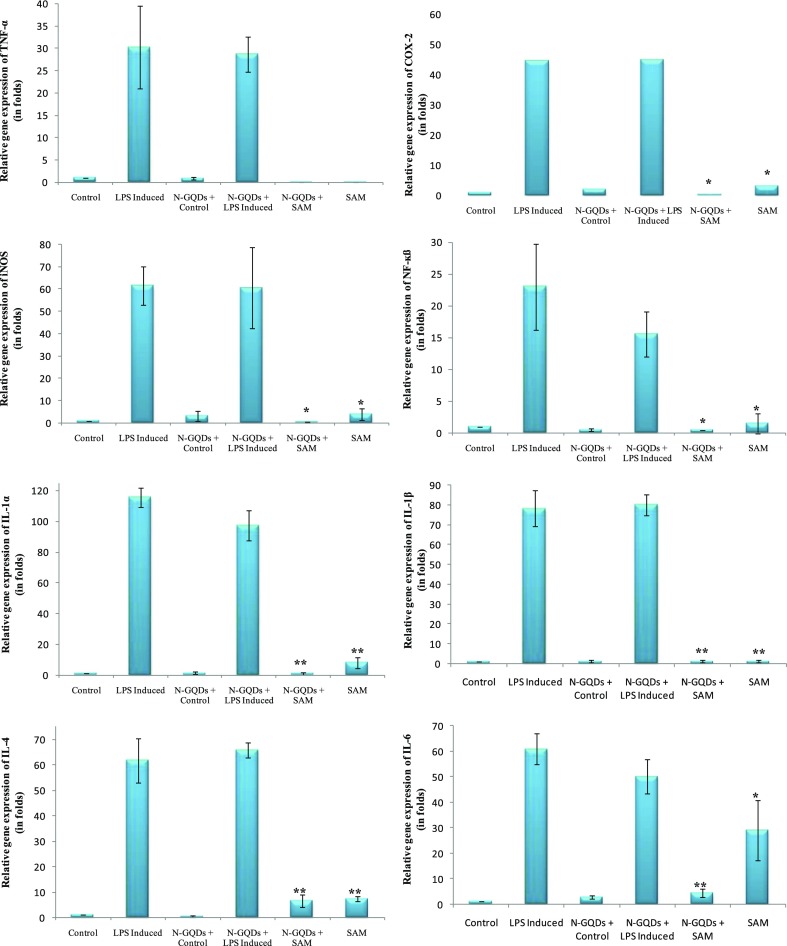
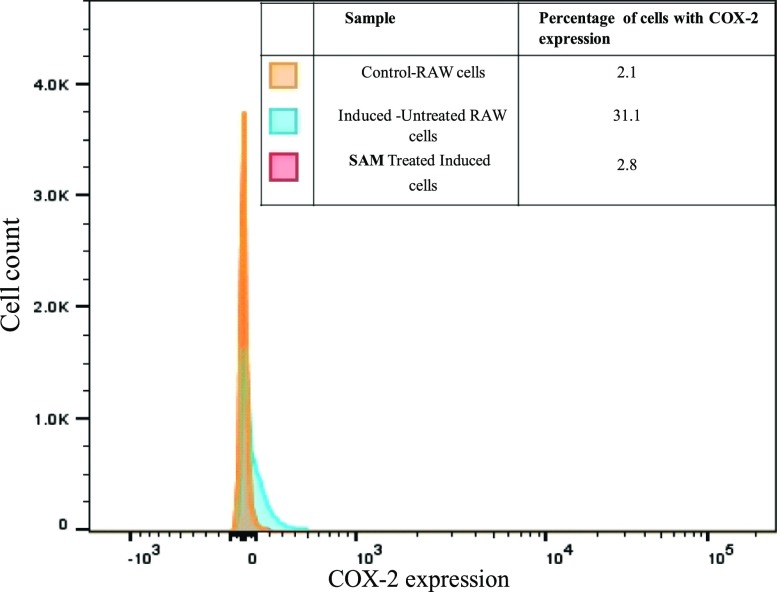
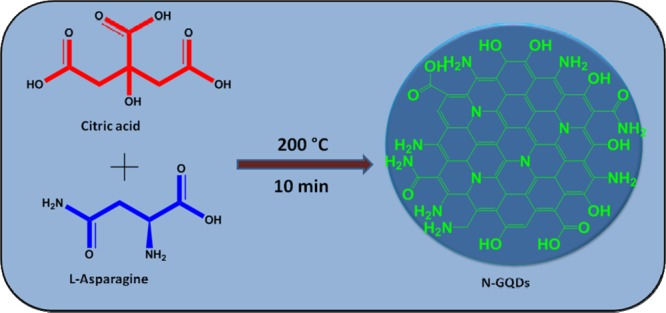
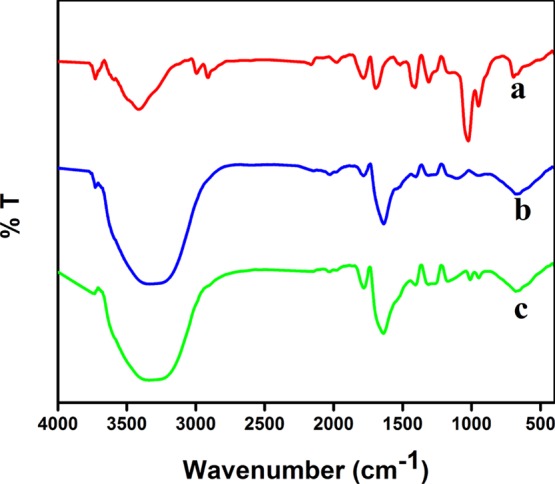
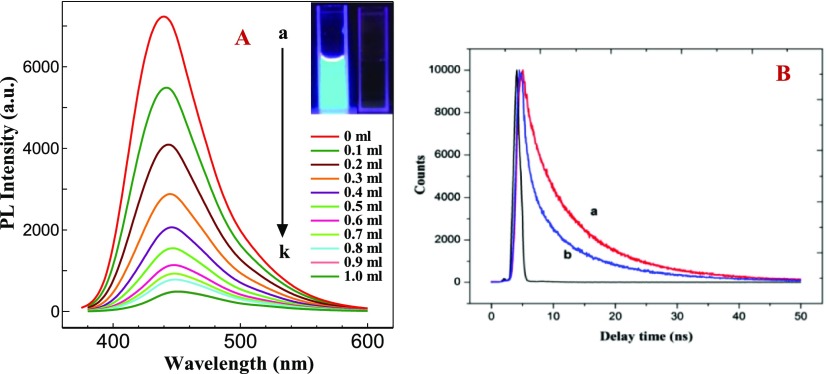
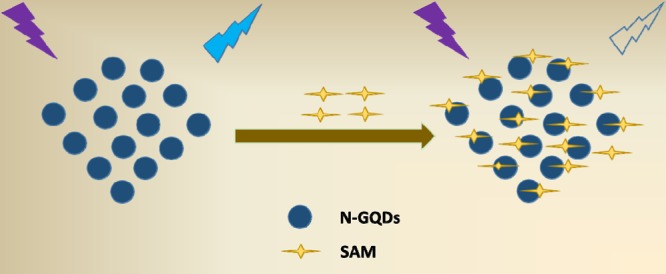
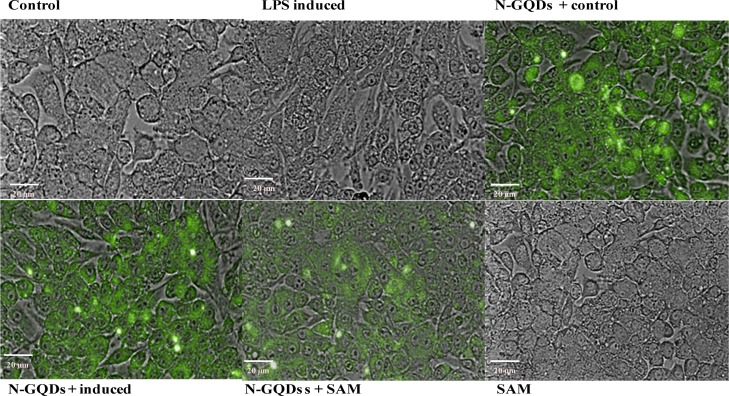
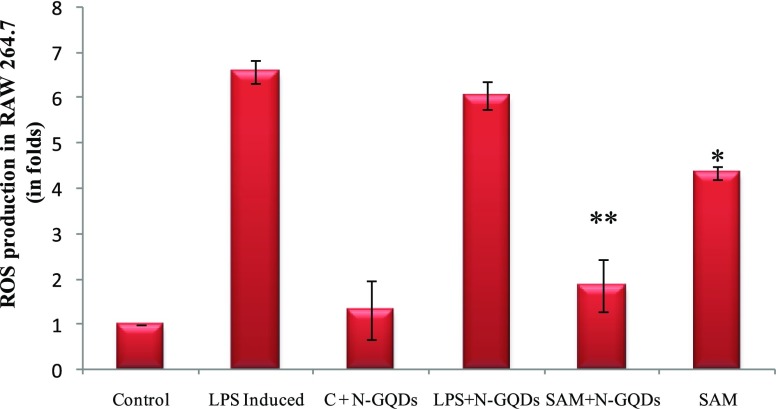
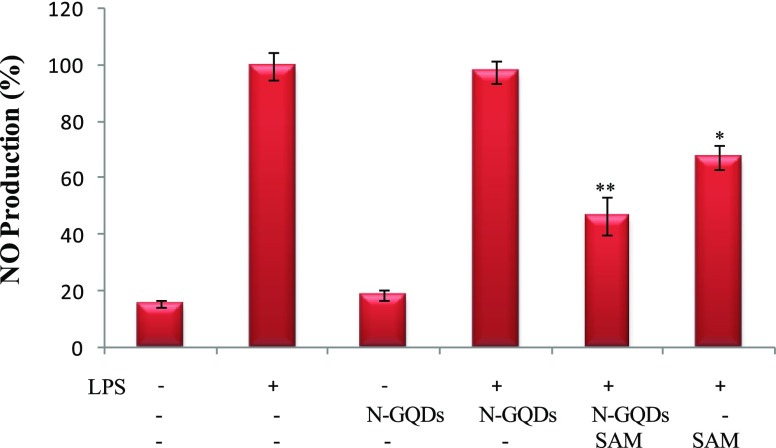
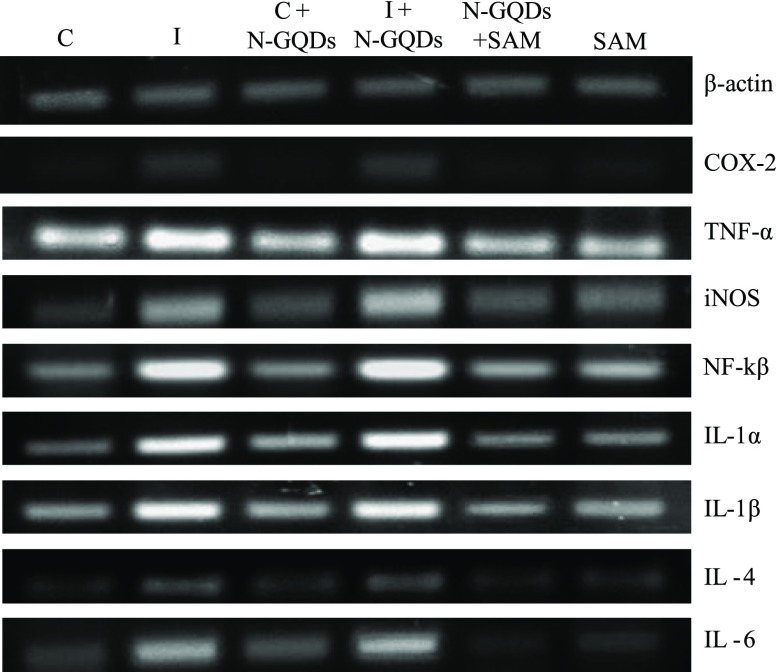
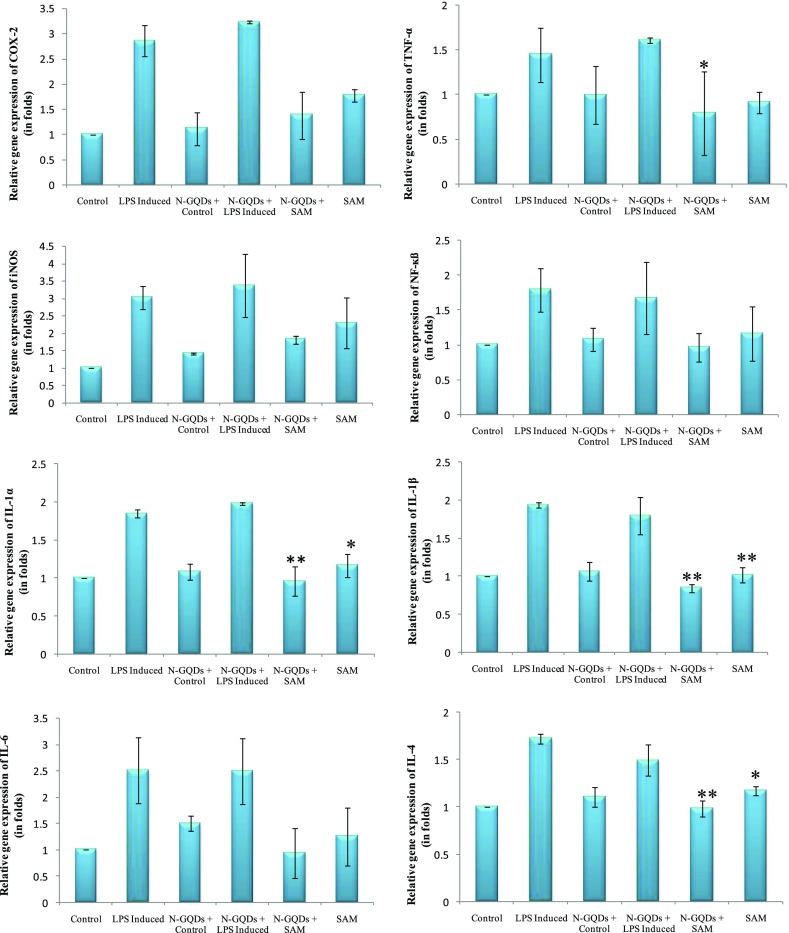
Marine cyanobacteria are renowned for producing bioactive secondary metabolites with great structural diversity via mixed biosynthetic pathways. sp., a marine cyanobacterium, produces many metabolites with anti-inflammatory potentials; nevertheless, its bioactive metabolites exercising providing protection against inflammation has been deciphered inadequate. In this study, the ethanolic fraction of the sp. extract was purified and identified as sodium 10-amino-2-methoxyundecanoate () using Fourier-transform infrared spectroscopy, nuclear magnetic resonance, and electron spray ionization-mass spectroscopy. showed prominent inhibition of inflammation, which was analyzed by reactive oxygen species generation and nitric oxide (NO) inhibition assay. Furthermore, the anti-inflammatory potentials of were evaluated in lipopolysaccharide (LPS)-induced RAW 264.7 macrophage cell lines by fluorescence-activated cell sorting analysis, which evidenced prominent decrease in COX-2 expression (∼90%) with -treated cells than the control. Subsequently, a semiquantitative real-time polymerase chain reaction analysis also revealed the downregulation of -2, , -α, -κß, -1α, -1ß, -4, and -6 gene expression in -treated LPS-induced RAW 264.7 cells. To further enhance the delivery of into the cells, it was combined with N-doped graphene quantum dots (N-GQDs) for the anti-inflammatory potentials. It resulted in improved downregulation of -2, , -α, -κß, -1α, -1ß, -4, and -6 than cells treated with alone. Conclusively, N-GQDs combined with have the effective therapeutic potential as an inhibitor of inflammation by modulating the expression of different cytokine genes.
海洋蓝藻细菌以通过混合生物合成途径产生具有高度结构多样性的生物活性次级代谢产物而闻名。某海洋蓝藻细菌产生许多具有抗炎潜力的代谢产物;然而,其发挥抗炎保护作用的生物活性代谢产物尚未得到充分解析。在本研究中,该蓝藻细菌提取物的乙醇馏分经过纯化,并通过傅里叶变换红外光谱、核磁共振和电喷雾电离质谱鉴定为10-氨基-2-甲氧基十一烷酸钠。通过活性氧生成和一氧化氮(NO)抑制试验分析发现,其具有显著的抗炎作用。此外,通过荧光激活细胞分选分析评估了其在脂多糖(LPS)诱导的RAW 264.7巨噬细胞系中的抗炎潜力,结果表明,与对照相比,经该物质处理的细胞中COX-2表达显著降低(约90%)。随后,半定量实时聚合酶链反应分析也显示,在经该物质处理的LPS诱导的RAW 264.7细胞中,肿瘤坏死因子-2、白细胞介素、白细胞介素-α、核因子-κβ、干扰素-1α、干扰素-1β、白细胞介素-4和白细胞介素-6基因表达下调。为了进一步增强该物质进入细胞的能力,将其与氮掺杂石墨烯量子点(N-GQDs)结合以发挥抗炎潜力。与单独用该物质处理的细胞相比,联合处理导致肿瘤坏死因子-2、白细胞介素、白细胞介素-α、核因子-κβ、干扰素-1α、干扰素-1β、白细胞介素-4和白细胞介素-6的下调效果更佳。总之,N-GQDs与该物质联合使用具有通过调节不同细胞因子基因表达来有效治疗炎症的潜力。