Behavioral Physiology and Sociobiology (Zoology II), Biozentrum, University of Würzburg, Am Hubland, 97074, Würzburg, Germany.
National Centre for Biological Sciences, Tata Institute of Fundamental Research, Bellary Road, Bangalore, 560065, India.
Cell Mol Life Sci. 2019 Feb;76(4):637-651. doi: 10.1007/s00018-018-2948-z. Epub 2018 Oct 22.
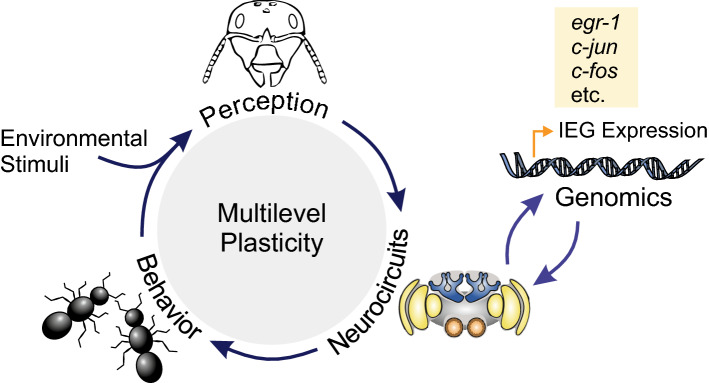
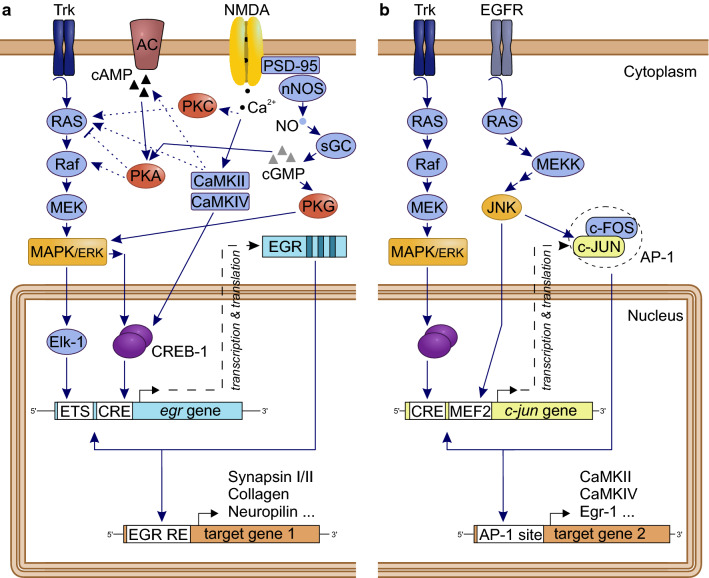
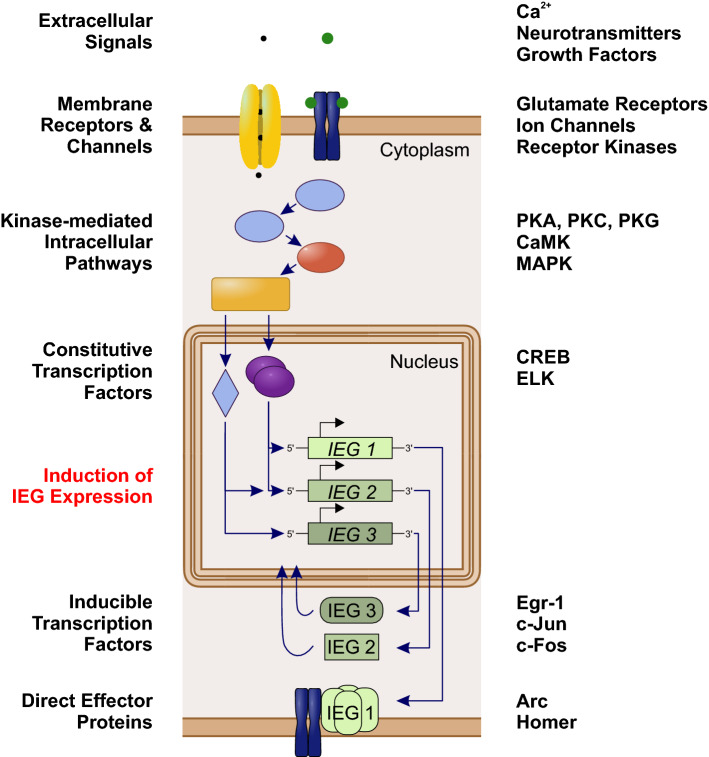
Social insects show complex behaviors and master cognitive tasks. The underlying neuronal mechanisms, however, are in most cases only poorly understood due to challenges in monitoring brain activity in freely moving animals. Immediate early genes (IEGs) that get rapidly and transiently expressed following neuronal stimulation provide a powerful tool for detecting behavior-related neuronal activity in vertebrates. In social insects, like honey bees, and in insects in general, this approach is not yet routinely established, even though these genes are highly conserved. First studies revealed a vast potential of using IEGs as neuronal activity markers to analyze the localization, function, and plasticity of neuronal circuits underlying complex social behaviors. We summarize the current knowledge on IEGs in social insects and provide ideas for future research directions.
社会性昆虫表现出复杂的行为并掌握认知任务。然而,由于在监测自由活动动物的大脑活动方面存在挑战,大多数情况下,这些行为的潜在神经元机制仍了解甚少。即时早期基因(IEGs)在神经元受到刺激后会迅速而短暂地表达,为检测脊椎动物与行为相关的神经元活动提供了强大的工具。在社会性昆虫(如蜜蜂)和一般昆虫中,尽管这些基因高度保守,但这种方法尚未常规建立。最初的研究揭示了利用 IEG 作为神经元活动标记物来分析复杂社会行为背后的神经元回路的定位、功能和可塑性的巨大潜力。我们总结了社会性昆虫中 IEG 的现有知识,并为未来的研究方向提供了思路。