Centre de Recerca Matemàtica, Bellaterra, Spain.
New York University Shanghai, Shanghai, China.
Elife. 2018 Oct 25;7:e37388. doi: 10.7554/eLife.37388.
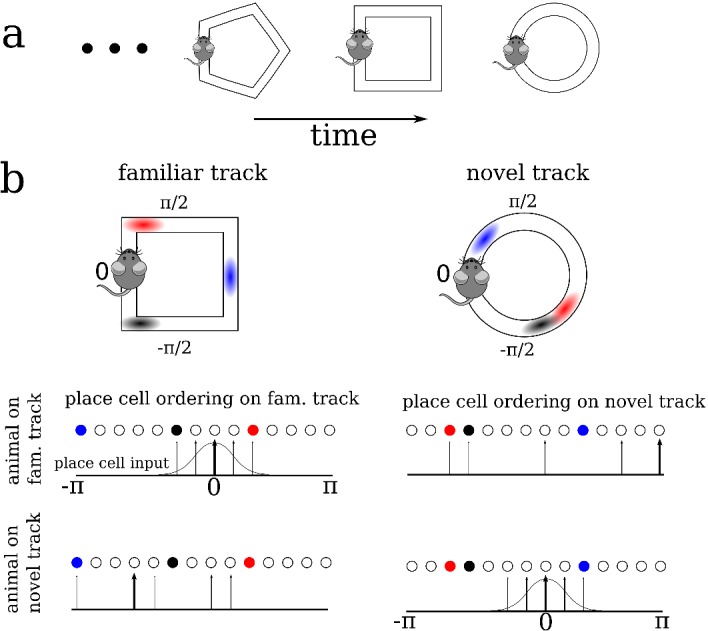
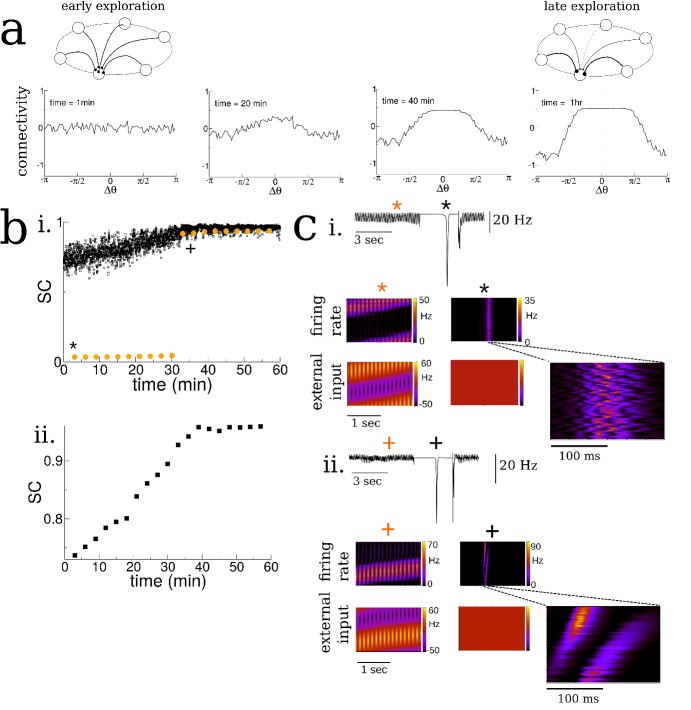
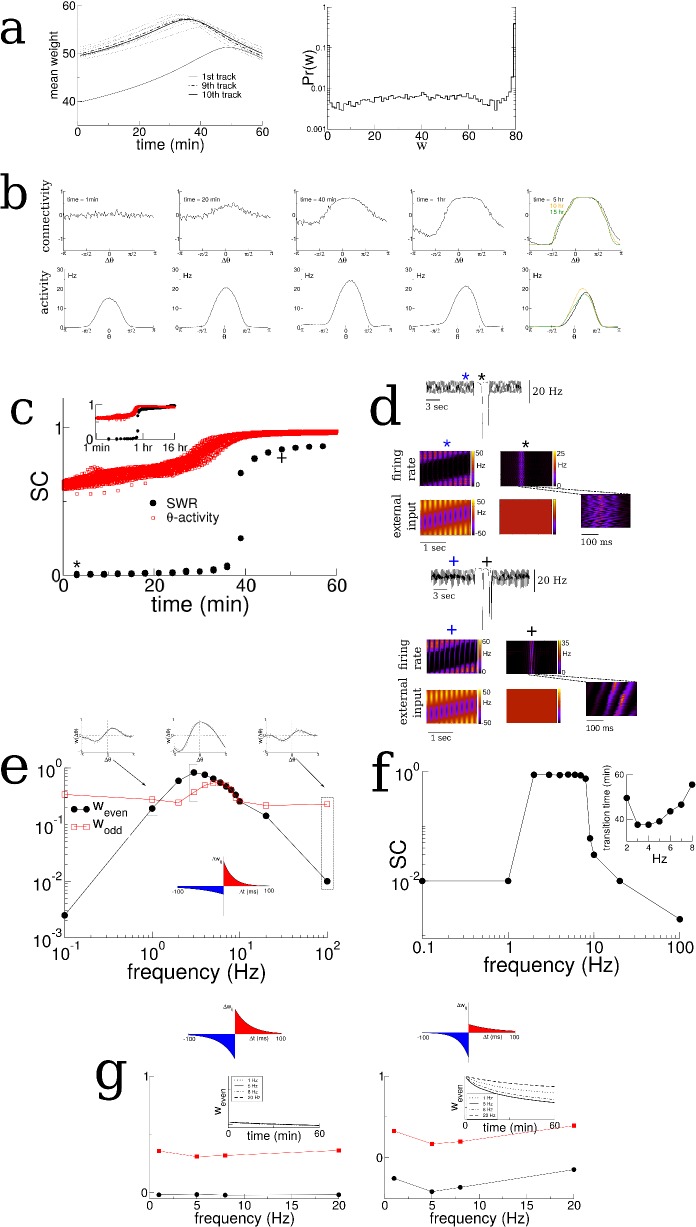
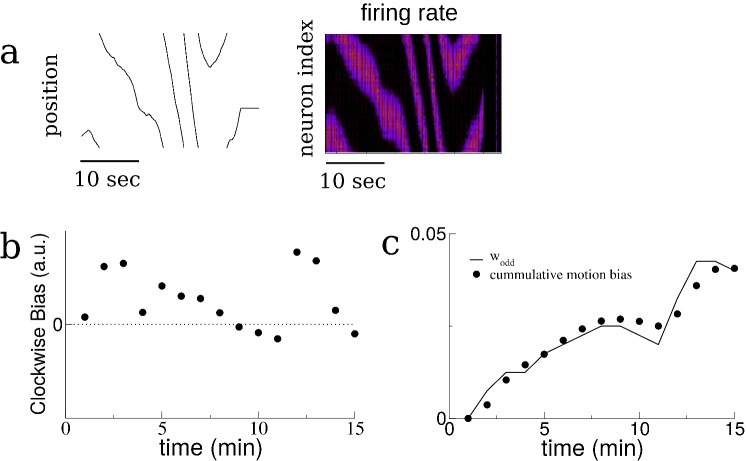
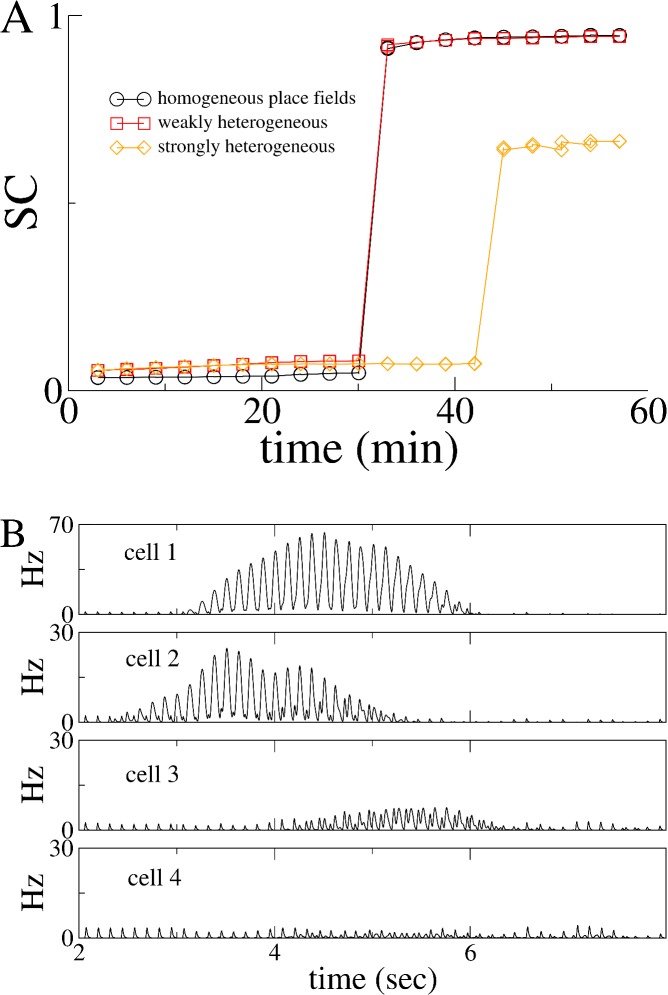
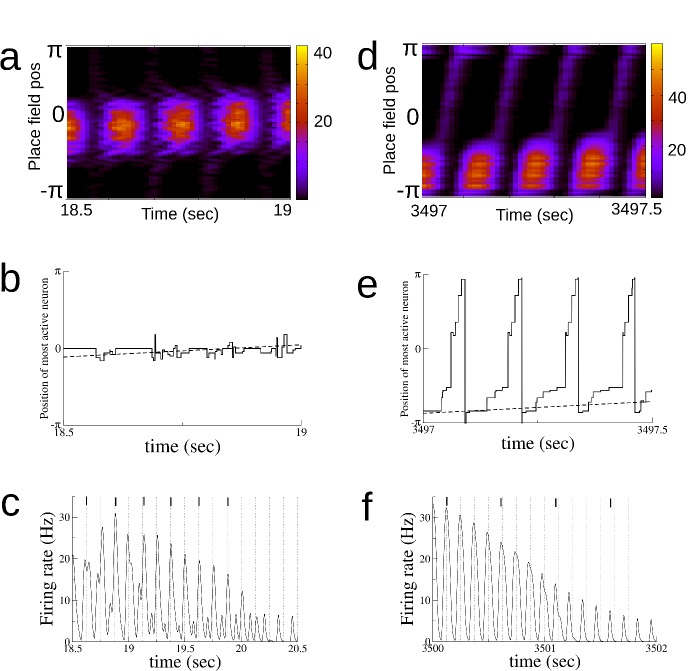
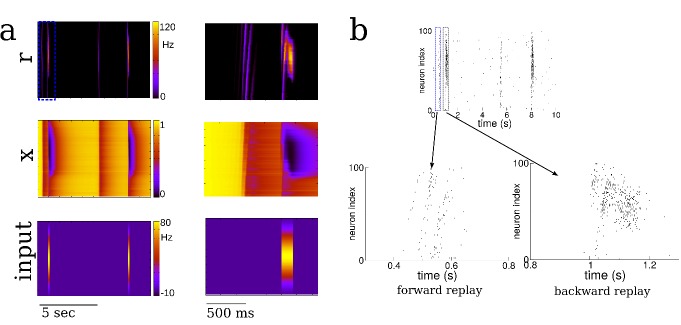
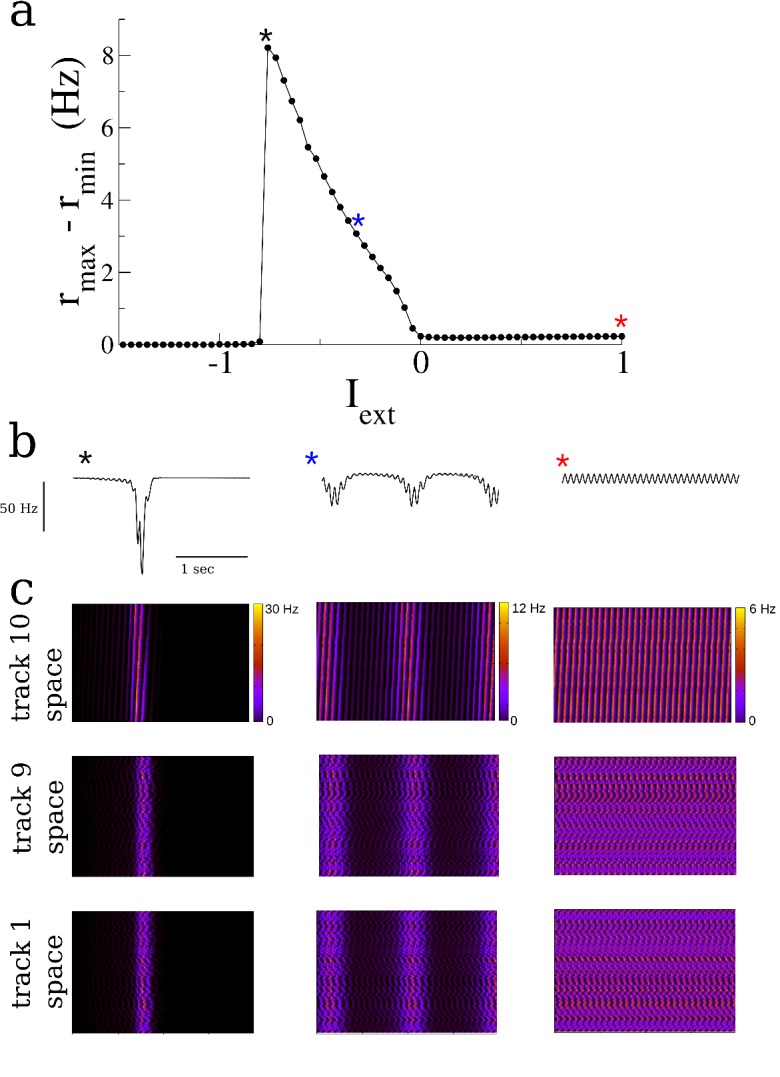
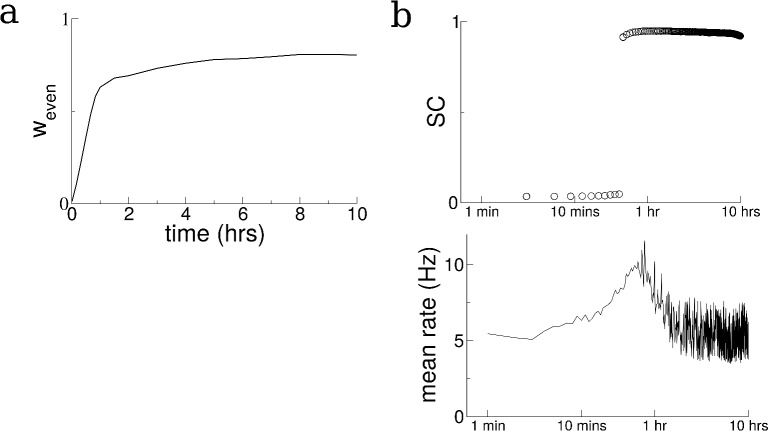
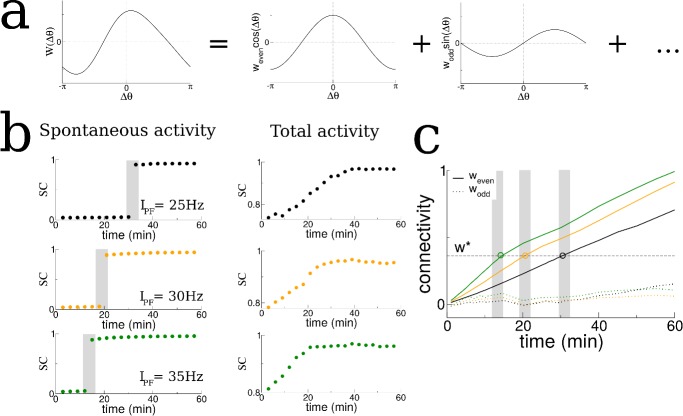
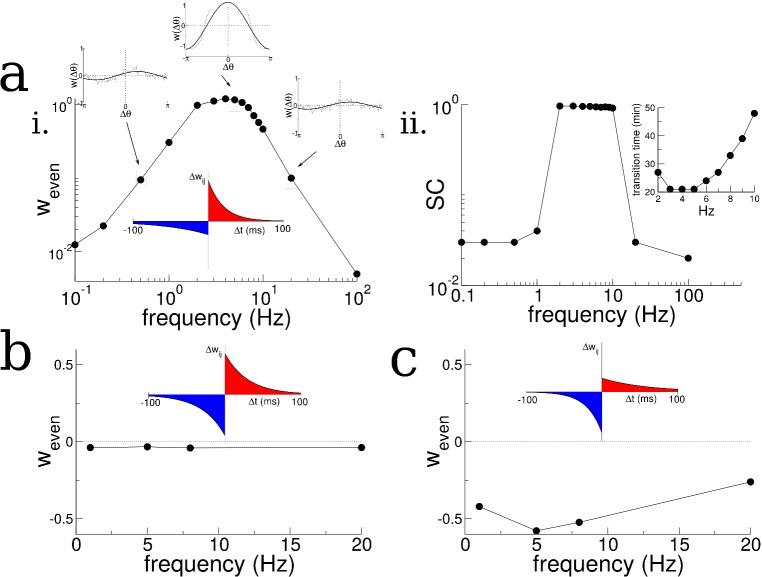
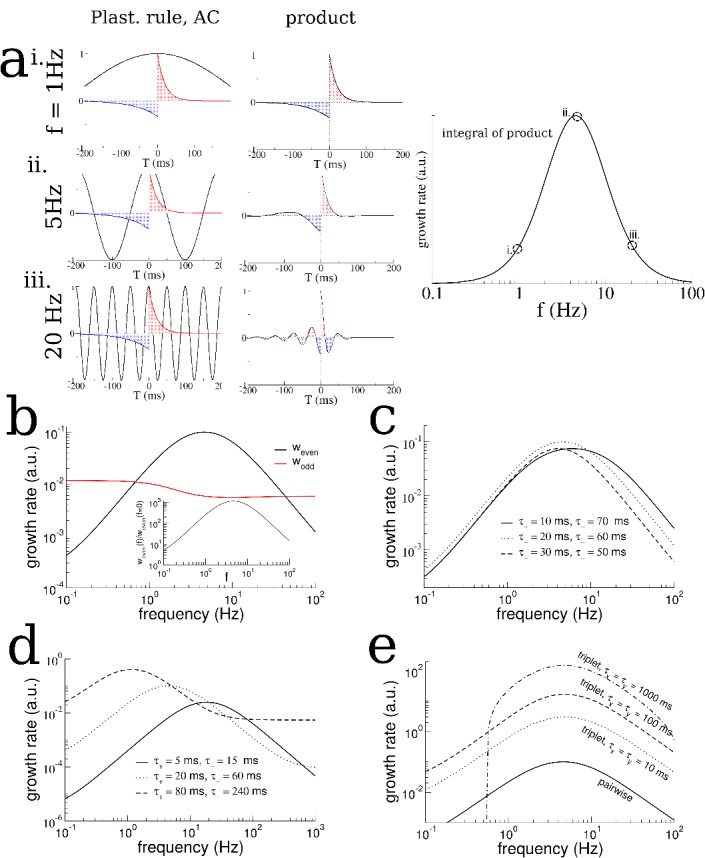
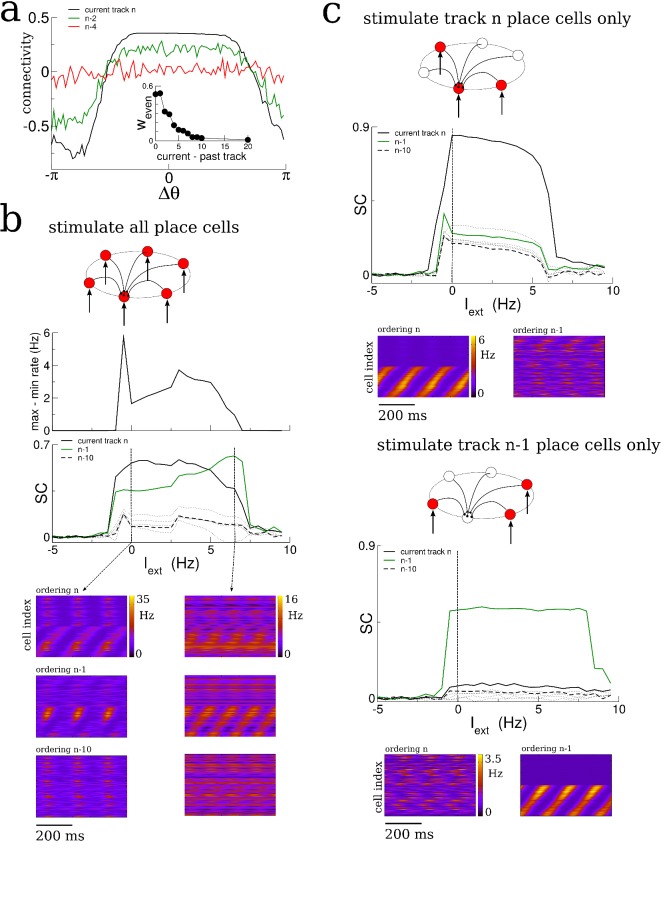
Place cells of the rodent hippocampus fire action potentials when the animal traverses a particular spatial location in any environment. Therefore for any given trajectory one observes a repeatable sequence of place cell activations. When the animal is quiescent or sleeping, one can observe similar sequences of activation known as replay, which underlie the process of memory consolidation. However, it remains unclear how replay is generated. Here we show how a temporally asymmetric plasticity rule during spatial exploration gives rise to spontaneous replay in a model network by shaping the recurrent connectivity to reflect the topology of the learned environment. Crucially, the rate of this encoding is strongly modulated by ongoing rhythms. Oscillations in the theta range optimize learning by generating repeated pre-post pairings on a time-scale commensurate with the window for plasticity, while lower and higher frequencies generate learning rates which are lower by orders of magnitude.
当动物在任何环境中穿越特定的空间位置时,啮齿动物海马体的位置细胞会发射动作电位。因此,对于任何给定的轨迹,人们都会观察到位置细胞激活的可重复序列。当动物静止或睡眠时,人们可以观察到类似的激活序列,称为回放,这是记忆巩固的过程的基础。然而,回放是如何产生的仍然不清楚。在这里,我们展示了在空间探索期间的时间不对称可塑性规则如何通过塑造递归连接来反映学习环境的拓扑结构,从而在模型网络中产生自发的回放。至关重要的是,这种编码的速度受到持续节律的强烈调节。θ 范围内的振荡通过在与可塑性窗口相当的时间尺度上产生重复的前后配对来优化学习,而较低和较高的频率则产生低几个数量级的学习率。