Neuropsychopharmacology and Brain Imaging, Department of Psychiatry, Psychotherapy and Psychosomatics, University Hospital for Psychiatry Zurich, Zurich, Switzerland.
Department of Psychiatry, Yale University School of Medicine, New Haven, United States.
Elife. 2018 Oct 25;7:e35082. doi: 10.7554/eLife.35082.
Lysergic acid diethylamide (LSD) has agonist activity at various serotonin (5-HT) and dopamine receptors. Despite the therapeutic and scientific interest in LSD, specific receptor contributions to its neurobiological effects remain unknown.
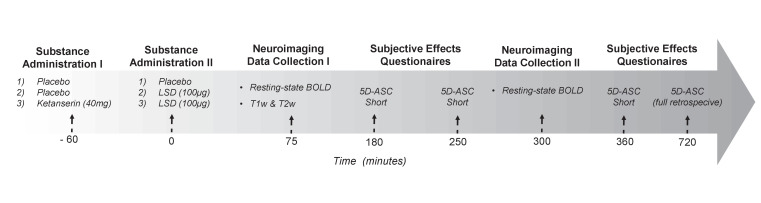
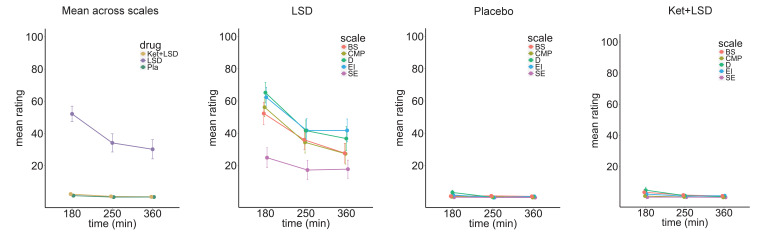
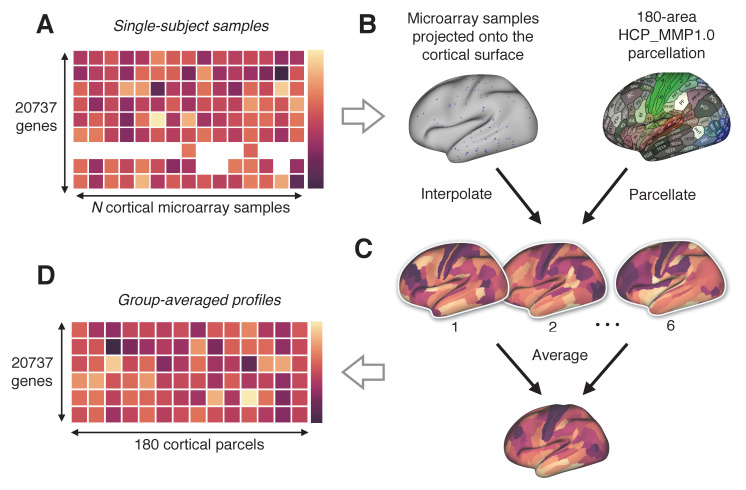
We therefore conducted a double-blind, randomized, counterbalanced, cross-over studyduring which 24 healthy human participants received either (i) placebo+placebo, (ii) placebo+LSD (100 µg po), or (iii) Ketanserin, a selective 5-HT2A receptor antagonist,+LSD. We quantified resting-state functional connectivity via a data-driven global brain connectivity method and compared it to cortical gene expression maps.
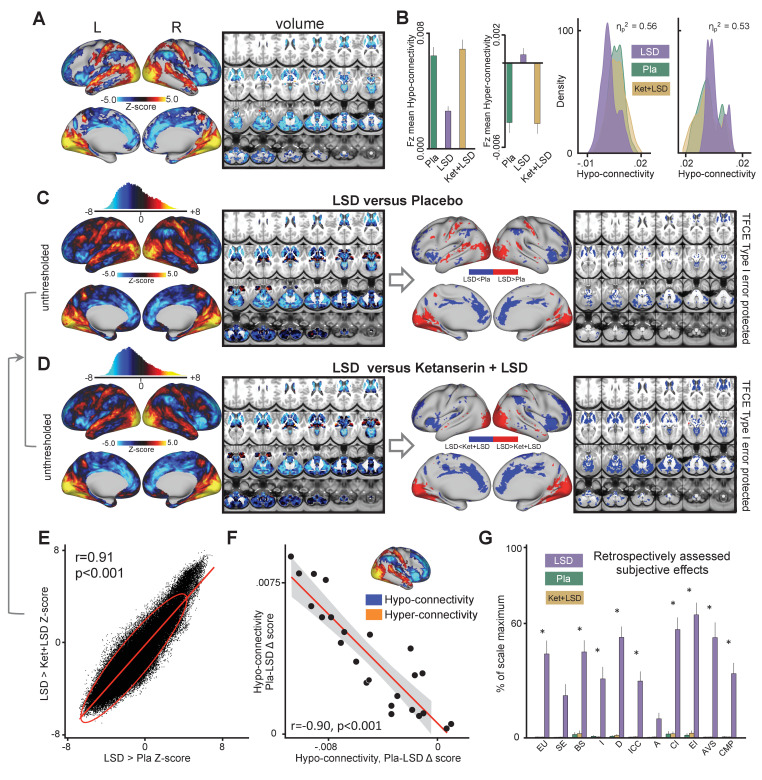
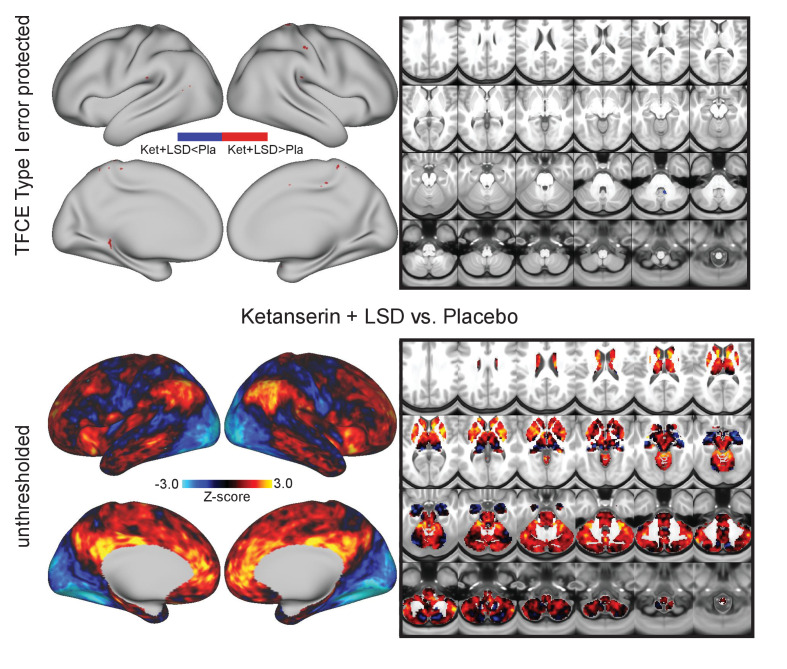
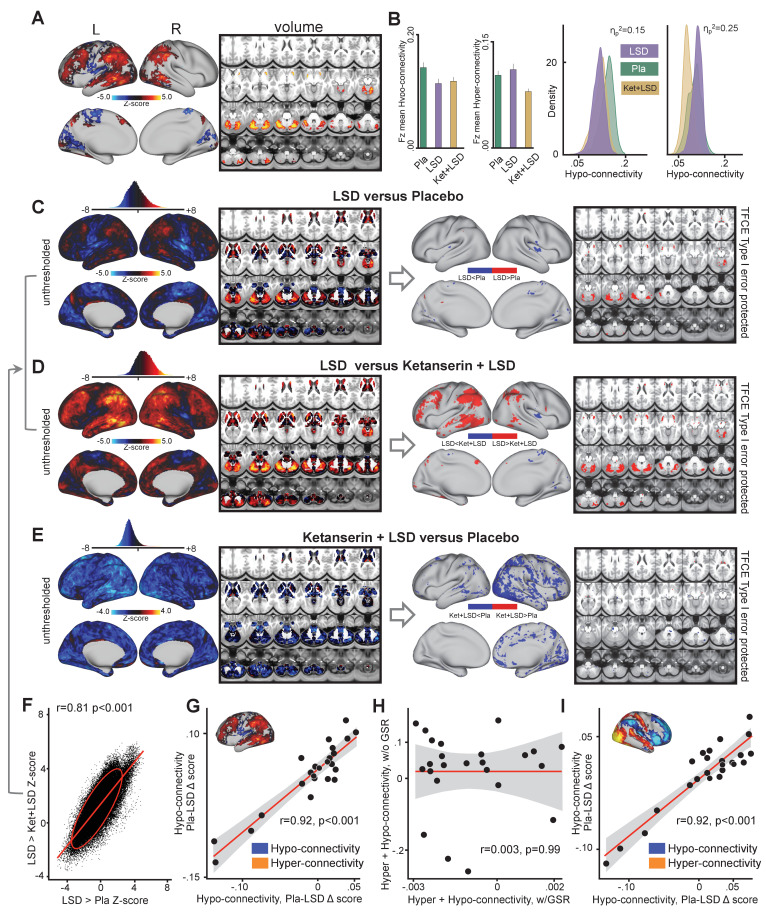
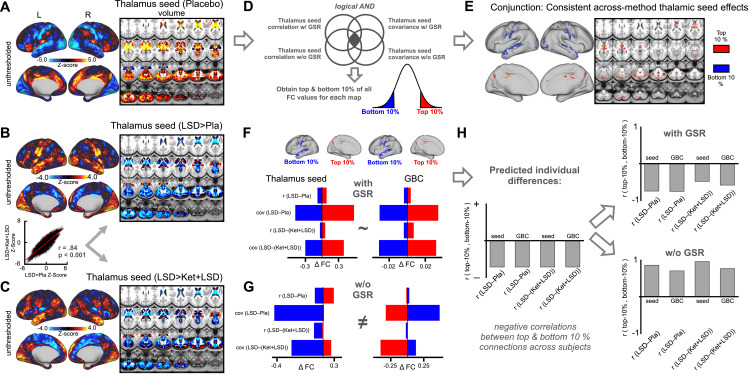
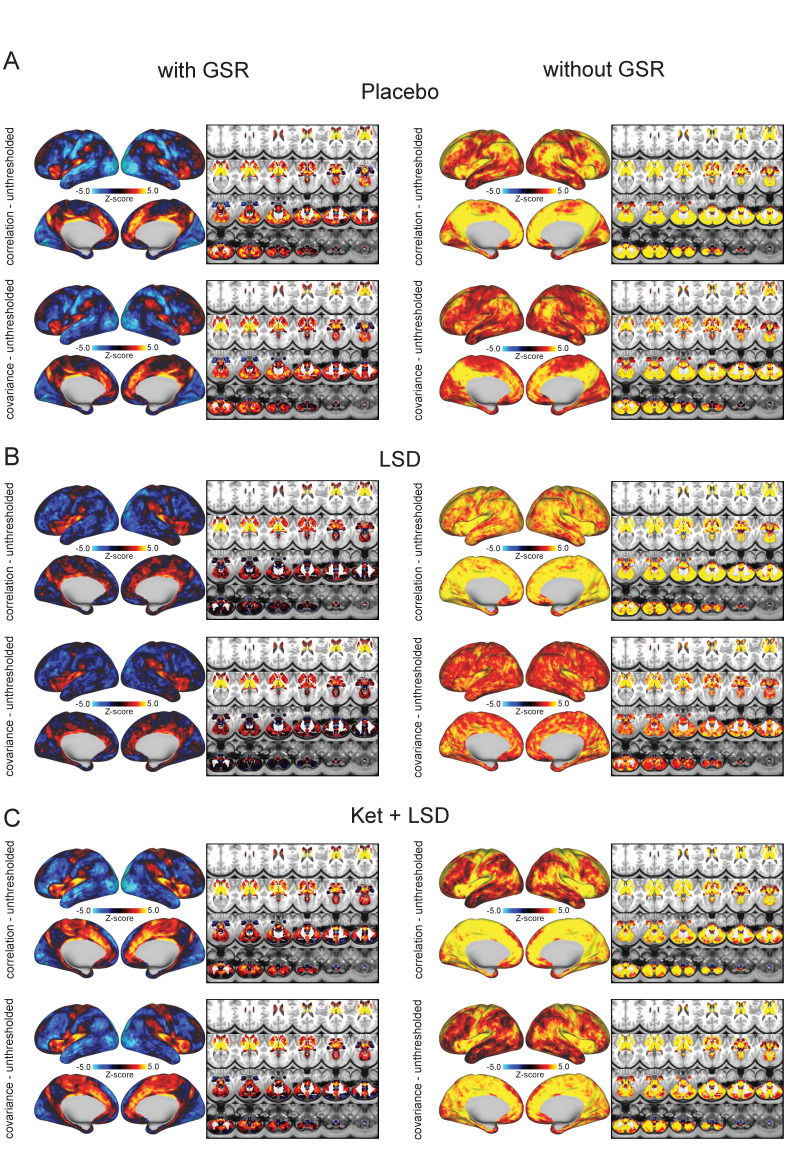
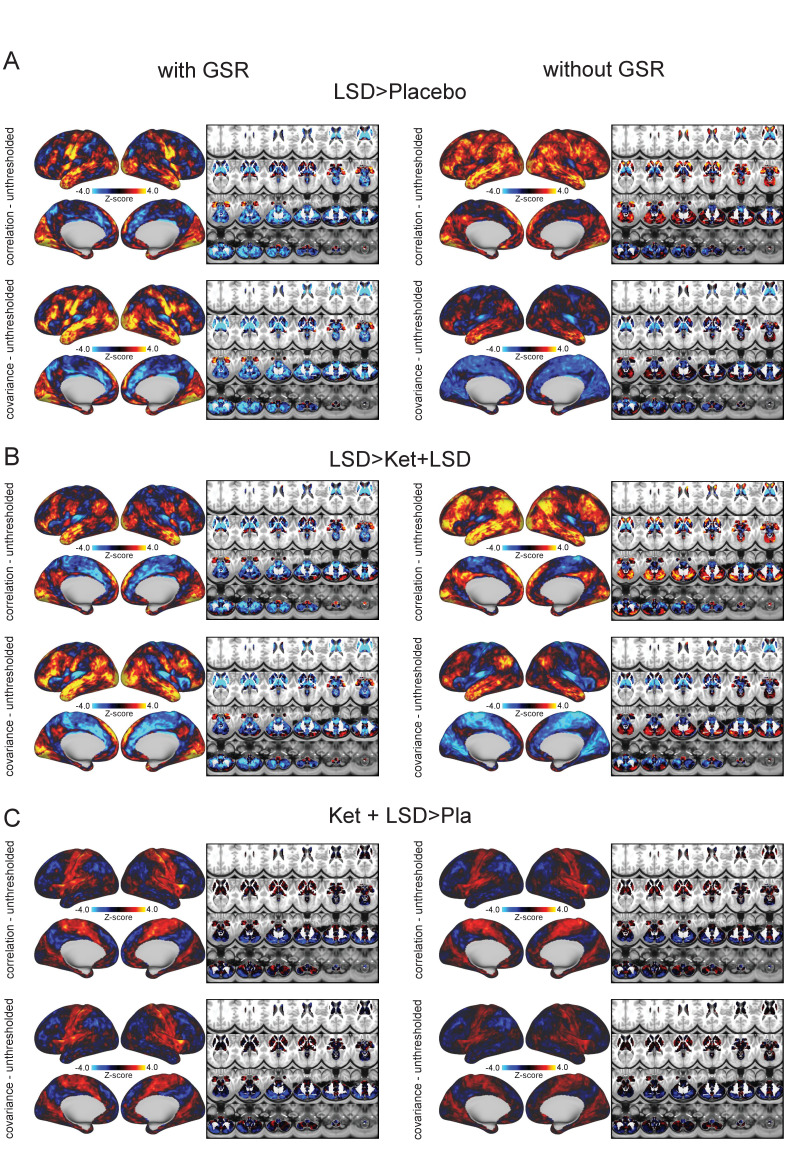
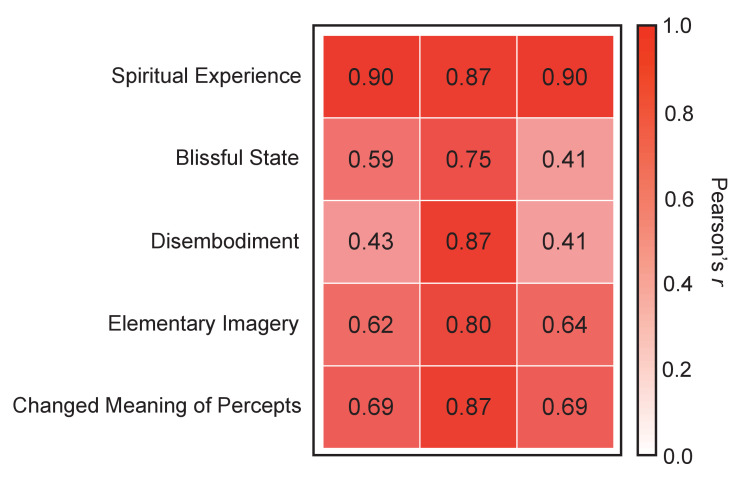
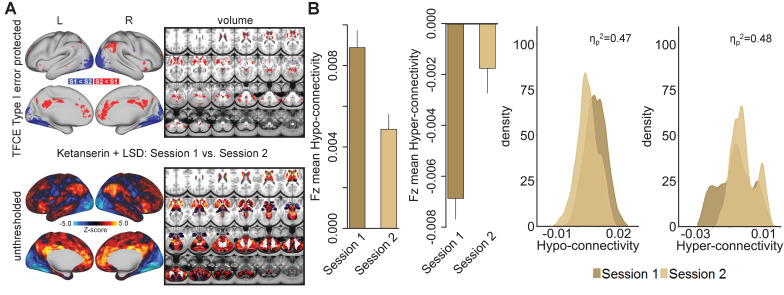
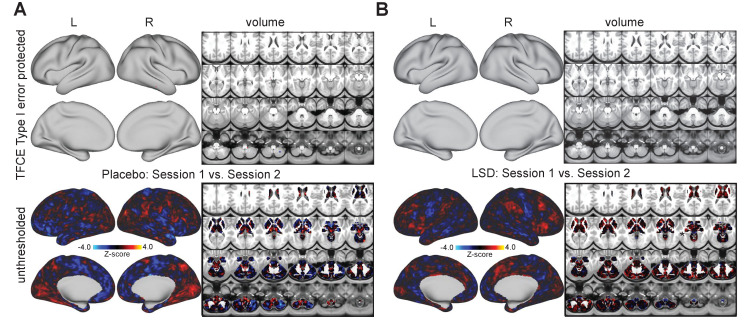
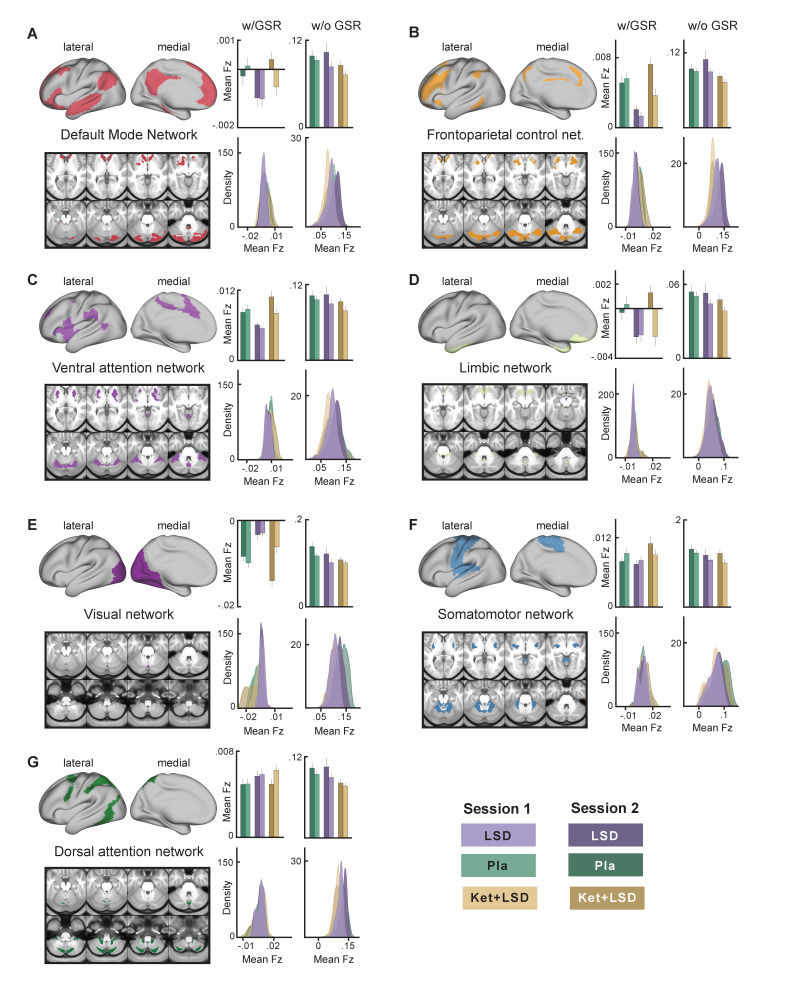
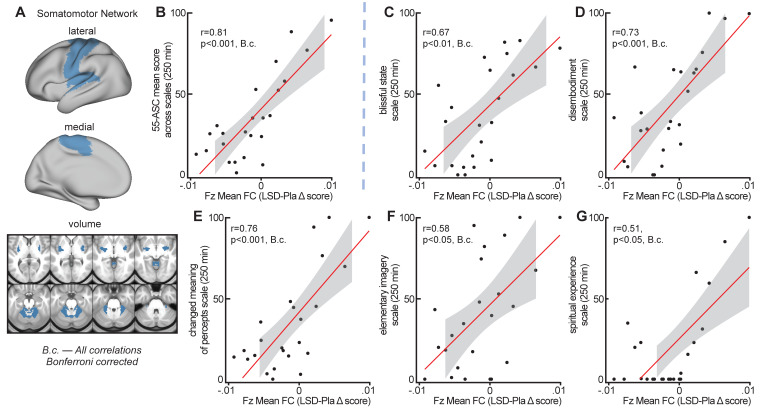
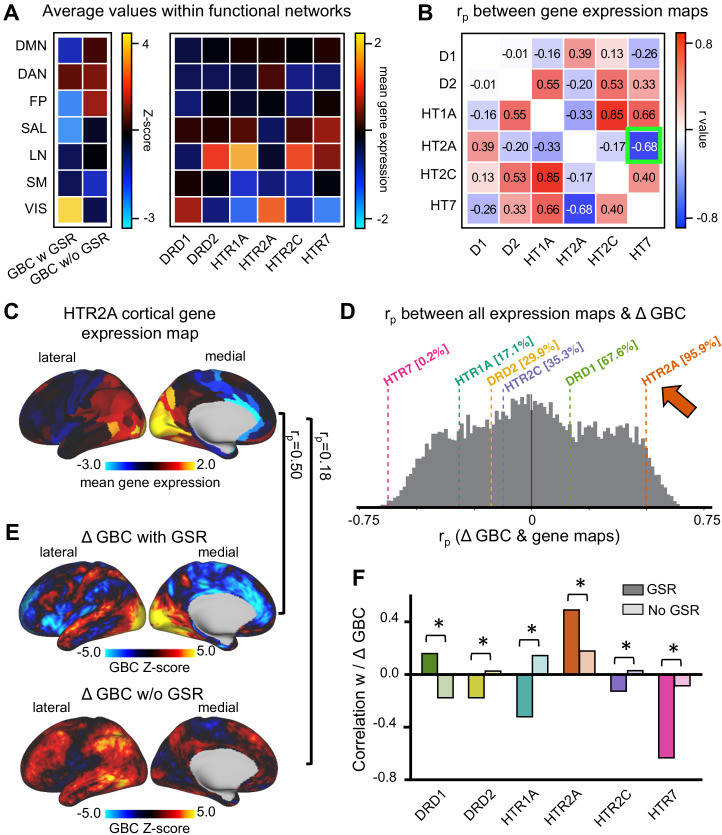
LSD reduced associative, but concurrently increased sensory-somatomotor brain-wide and thalamic connectivity. Ketanserin fully blocked the subjective and neural LSD effects. Whole-brain spatial patterns of LSD effects matched 5-HT2A receptor cortical gene expression in humans.
Together, these results strongly implicate the 5-HT2A receptor in LSD’s neuropharmacology. This study therefore pinpoints the critical role of 5-HT2A in LSD’s mechanism, which informs its neurobiology and guides rational development of psychedelic-based therapeutics.
Funded by the Swiss National Science Foundation, the Swiss Neuromatrix Foundation, the Usona Institute, the NIH, the NIAA, the NARSAD Independent Investigator Grant, the Yale CTSA grant, and the Slovenian Research Agency.
NCT02451072
麦角酸二乙酰胺(LSD)在各种血清素(5-HT)和多巴胺受体上具有激动剂活性。尽管 LSD 在治疗和科学方面具有很大的兴趣,但具体的受体对其神经生物学效应的贡献仍不清楚。
因此,我们进行了一项双盲、随机、对照、交叉研究,24 名健康的人类参与者接受了以下三种处理之一:(i)安慰剂+安慰剂,(ii)安慰剂+LSD(100μg 口服),或(iii)Ketanserin,一种选择性 5-HT2A 受体拮抗剂+LSD。我们通过一种数据驱动的全脑连接方法量化了静息状态功能连接,并将其与皮质基因表达图谱进行了比较。
LSD 降低了联想,但同时增加了感觉-躯体运动的全脑和丘脑连接。Ketanserin 完全阻断了 LSD 的主观和神经效应。LSD 效应的全脑空间模式与人类 5-HT2A 受体皮质基因表达相匹配。
这些结果强烈表明 5-HT2A 受体在 LSD 的神经药理学中起作用。因此,本研究确定了 5-HT2A 在 LSD 机制中的关键作用,为 LSD 的神经生物学提供了信息,并为基于迷幻剂的治疗方法的合理发展提供了指导。
由瑞士国家科学基金会、瑞士神经基质基金会、Usona 研究所、NIH、NIAA、NARSAD 独立研究员资助、耶鲁大学 CTSA 资助以及斯洛文尼亚研究机构资助。
NCT02451072