Laboratory of Neuroendocrinology, The Rockefeller University, New York, NY, USA.
Behavioral Endocrinology Branch, National Institute of Mental Health, Bethesda, MD, USA.
Mol Psychiatry. 2020 Mar;25(3):572-583. doi: 10.1038/s41380-018-0274-3. Epub 2018 Oct 24.
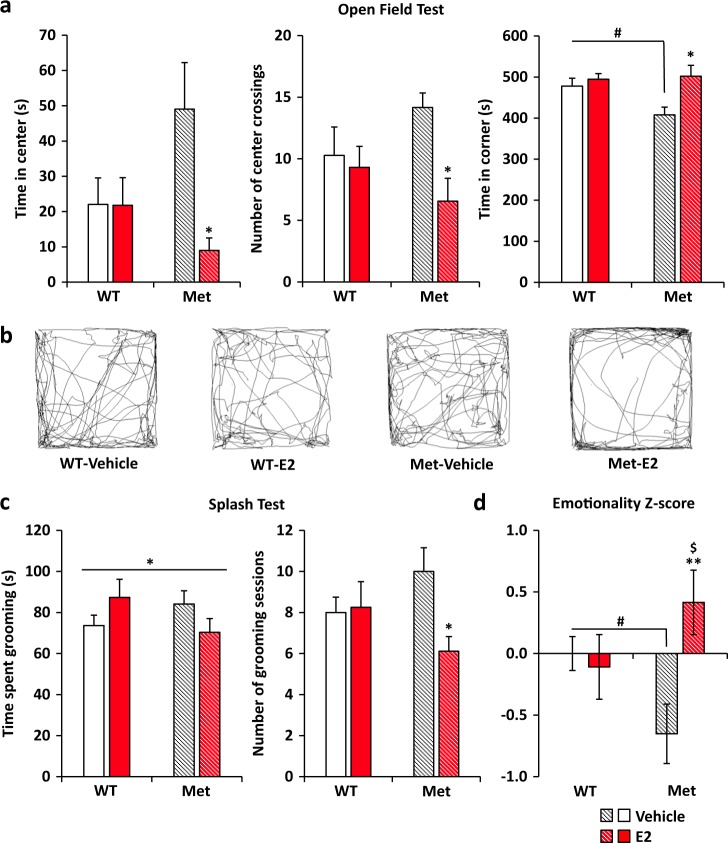
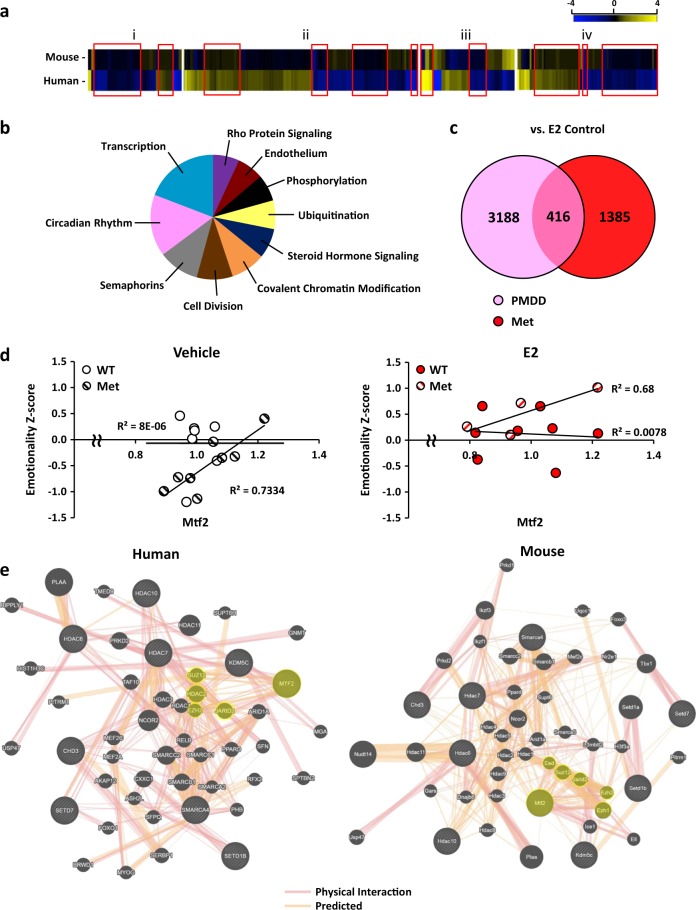
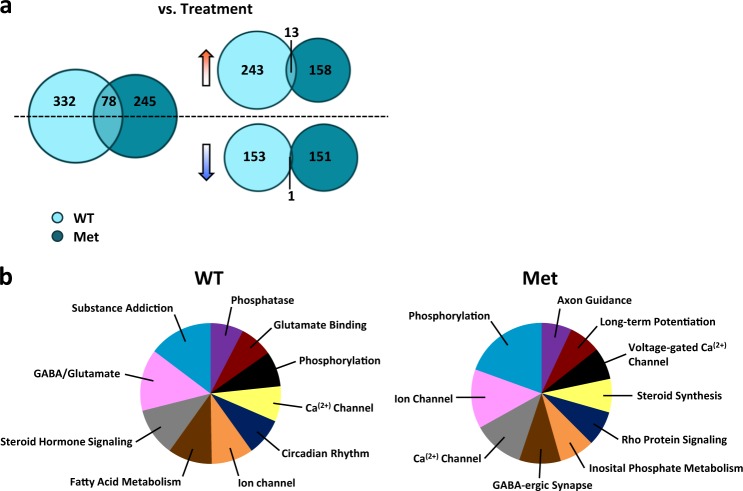
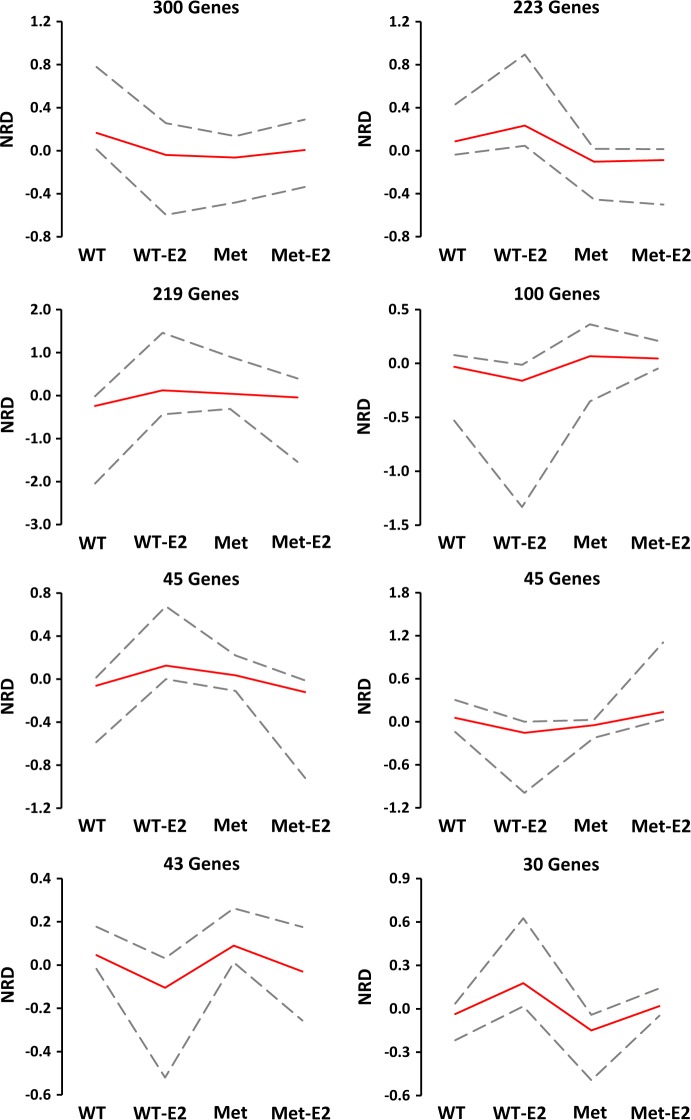
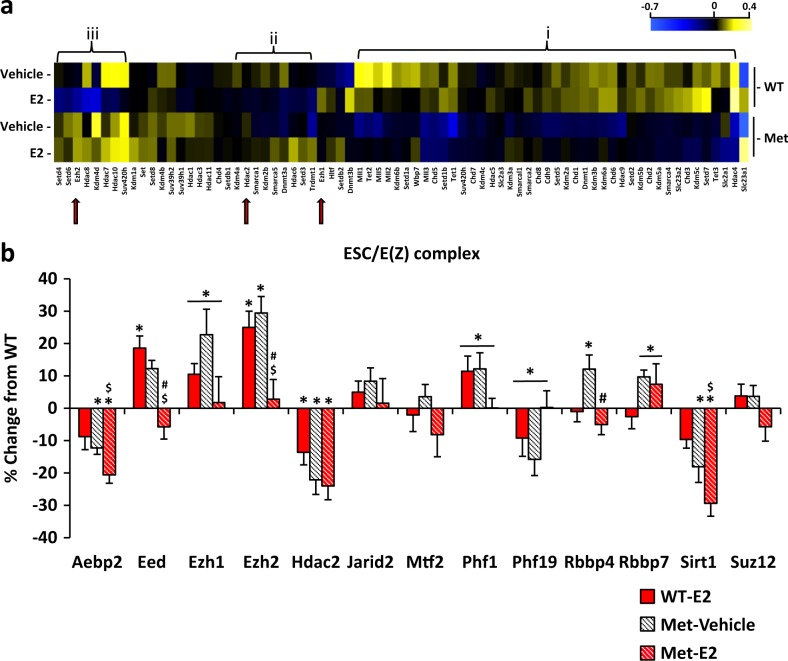
Premenstrual dysphoric disorder (PMDD) affects over 5% of women, with symptoms similar to anxiety and major depression, and is associated with differential sensitivity to circulating ovarian hormones. Little is known about the genetic and epigenetic factors that increase the risk to develop PMDD. We report that 17β-estradiol (E2) affects the behavior and the epigenome in a mouse model carrying a single-nucleotide polymorphism of the brain-derived neurotrophic factor gene (BDNF Val66Met), in a way that recapitulates the hallmarks of PMDD. Ovariectomized mice heterozygous for the BDNF Met allele (Het-Met) and their matched wild-type (WT) mice were administered estradiol or vehicle in drinking water for 6 weeks. Using the open field and the splash test, we show that E2 add-back induces anxiety-like and depression-like behavior in Het-Met mice, but not in WT mice. RNA-seq of the ventral hippocampus (vHpc) highlights that E2-dependent gene expression is markedly different between WT mice and Het-Met mice. Through a comparative whole-genome RNA-seq analysis between mouse vHpc and lymphoblastoid cell line cultures from control women and women with PMDD, we discovered common epigenetic biomarkers that transcend species and cell types. Those genes include epigenetic modifiers of the ESC/E(Z) complex, an effector of response to ovarian steroids. Although the BDNF Met genotype intersects the behavioral and transcriptional traits of women with PMDD, we suggest that these similarities speak to the epigenetic factors by which ovarian steroids produce negative behavioral effects.
经前期烦躁障碍(PMDD)影响超过 5%的女性,其症状类似于焦虑和重度抑郁症,并且与对循环卵巢激素的敏感性差异有关。对于增加发生 PMDD 风险的遗传和表观遗传因素知之甚少。我们报告称,17β-雌二醇(E2)以一种类似于 PMDD 特征的方式影响携带脑源性神经营养因子基因(BDNF Val66Met)单核苷酸多态性的小鼠模型中的行为和表观基因组。携带 BDNF Met 等位基因(Het-Met)的卵巢切除杂合子(Het-Met)小鼠及其匹配的野生型(WT)小鼠用雌激素或载体在饮用水中进行 6 周处理。通过使用开阔场和飞溅测试,我们表明 E2 加回在 Het-Met 小鼠中诱导出类似于焦虑和抑郁的行为,但在 WT 小鼠中则没有。腹侧海马体(vHpc)的 RNA-seq 突出显示,E2 依赖性基因表达在 WT 小鼠和 Het-Met 小鼠之间明显不同。通过对对照女性和 PMDD 女性的小鼠 vHpc 和淋巴母细胞系培养物的全基因组 RNA-seq 分析比较,我们发现了跨越物种和细胞类型的常见表观遗传生物标志物。这些基因包括 ESC/E(Z)复合物的表观遗传修饰因子,这是对卵巢类固醇反应的效应因子。尽管 BDNF Met 基因型与 PMDD 女性的行为和转录特征相交,但我们认为这些相似性反映了卵巢类固醇产生负面行为影响的表观遗传因素。