Jankowska Dorota M, Czerwonka Marta, Lebuda Izabela, Karwowski Maciej
Department of Educational Sciences, The Maria Grzegorzewska University, Warsaw, Poland.
Institute of Psychology, University of Wrocław, Wrocław, Poland.
Front Psychol. 2018 Oct 9;9:1931. doi: 10.3389/fpsyg.2018.01931. eCollection 2018.
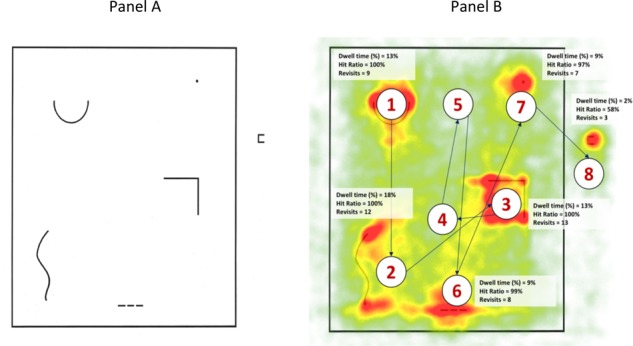
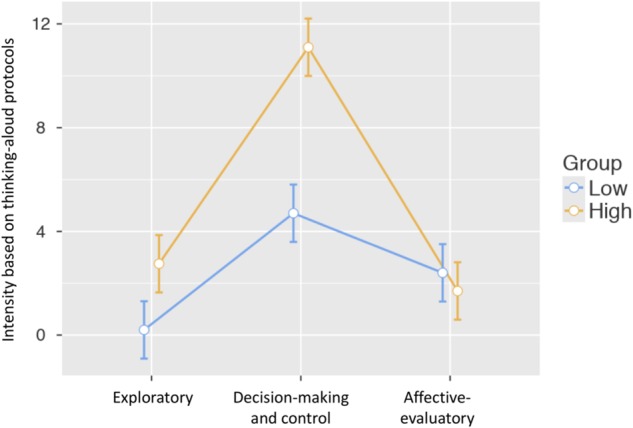
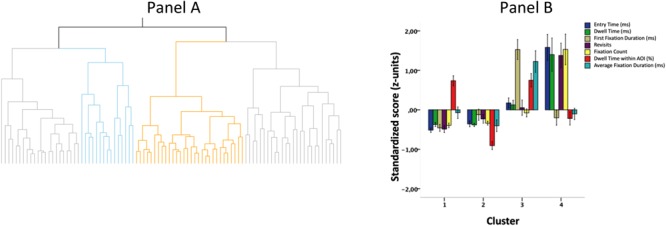
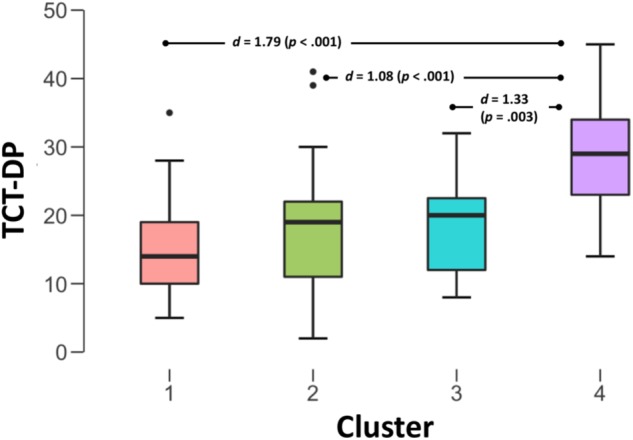
This exploratory study aims at integrating the psychometric approach to studying creativity with an eye-tracking methodology and thinking-aloud protocols to potentially untangle the nuances of the creative process. Wearing eye-tracking glasses, one hundred adults solved a drawing creativity test - The Test of Creative Thinking-Drawing Production (TCT-DP) - and provided spontaneous comments during this process. Indices of visual activity collected during the eye-tracking phase explained a substantial amount of variance in psychometric scores obtained in the test. More importantly, however, clear signs of methodological synergy were observed when all three sources (psychometrics, eye-tracking, and coded thinking-aloud statements) were integrated. The findings illustrate benefits of using a blended methodology for a more insightful analysis of creative processes, including creative learning and creative problem-solving.
这项探索性研究旨在将研究创造力的心理测量方法与眼动追踪方法和出声思考协议相结合,以潜在地梳理出创造性过程的细微差别。一百名成年人戴着眼动追踪眼镜完成了一项绘画创造力测试——创造性思维绘画制作测试(TCT-DP),并在此过程中提供了自发评论。眼动追踪阶段收集的视觉活动指标解释了测试中获得的心理测量分数的大量方差。然而,更重要的是,当整合所有三个来源(心理测量、眼动追踪和编码的出声思考陈述)时,观察到了明显的方法协同效应迹象。研究结果说明了使用混合方法对创造性过程进行更深入分析的好处,包括创造性学习和创造性问题解决。