Reeve Michael A, Buddie Alan G
CABI, Bakeham Lane, Egham, Surrey TW20 9TY UK.
Plant Methods. 2018 Oct 15;14:90. doi: 10.1186/s13007-018-0358-8. eCollection 2018.
Protein-containing samples can readily be characterised and/or identified using matrix-assisted laser-desorption and ionisation time-of-flight mass spectrometry (MALDI-TOF MS). This technique however requires relatively-fresh biological material that contains proteins that have not yet undergone significant degradation. For field-work collection of samples, problems are often encountered due to delays between collection and sample processing, sample storage (possibly at elevated temperature and/or humidity in some climates), quarantine/regulatory restrictions on the transfer of living biological materials across national borders, and the potential to transfer unwanted microorganisms via non-living biological materials.
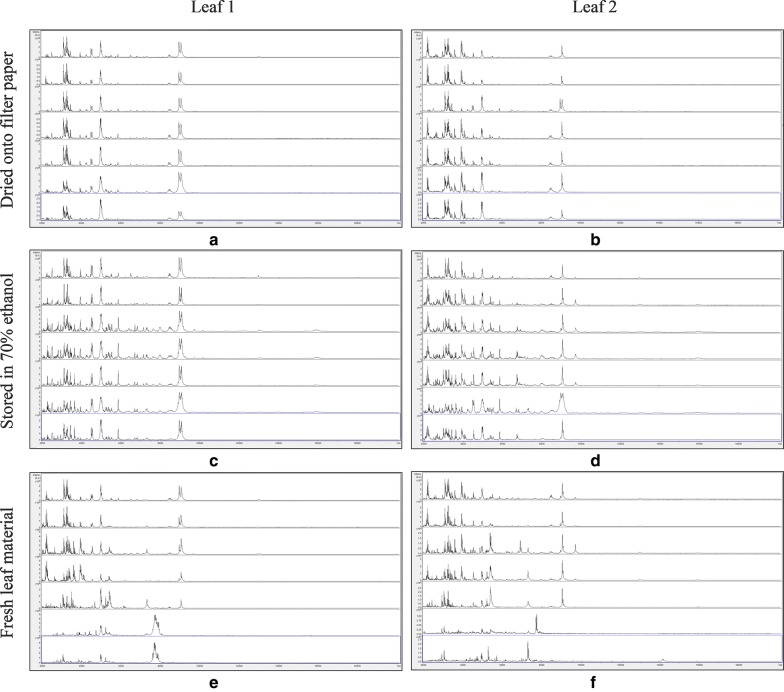
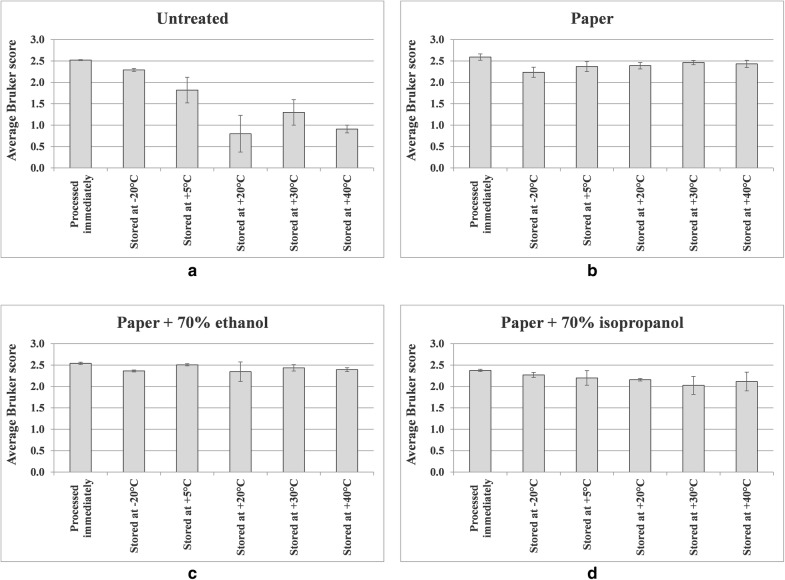
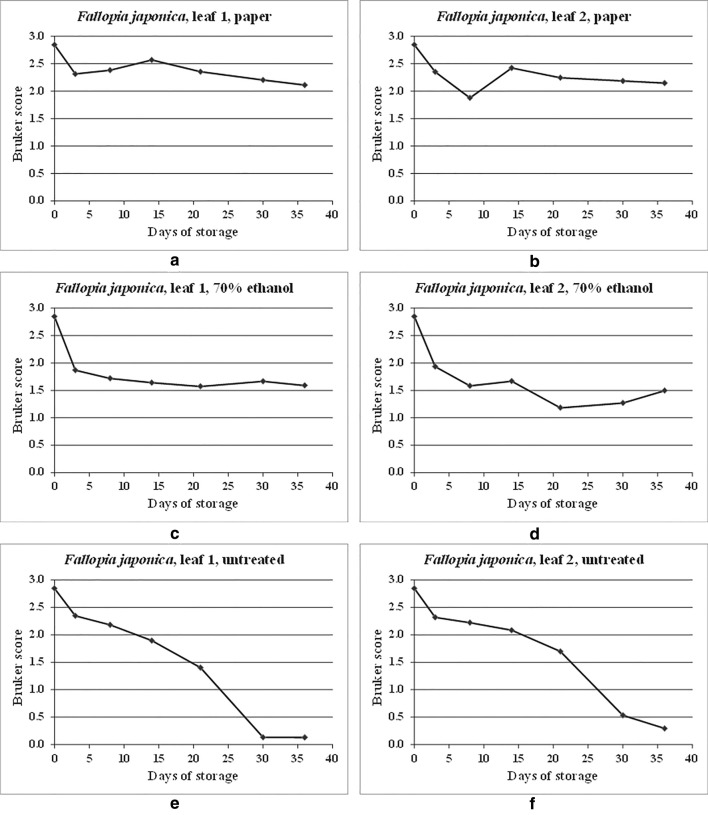
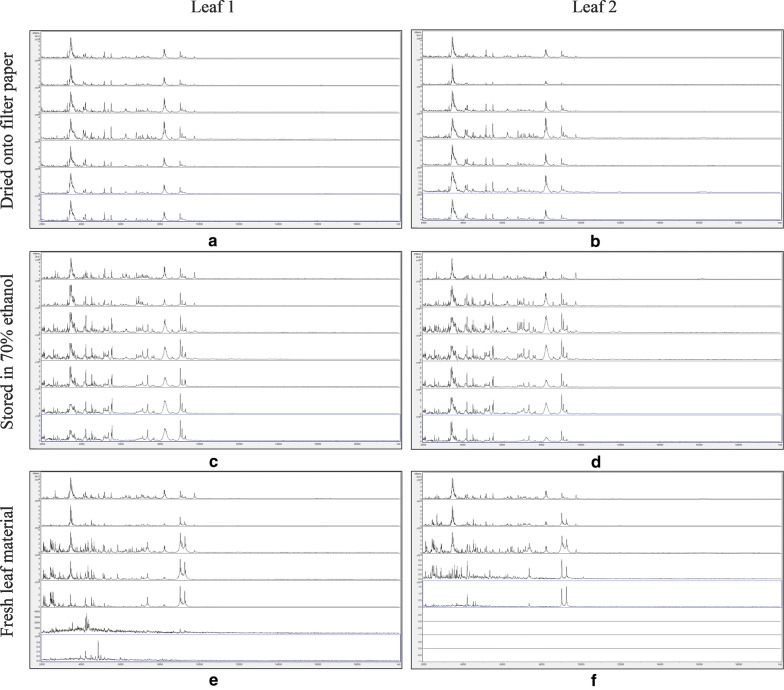
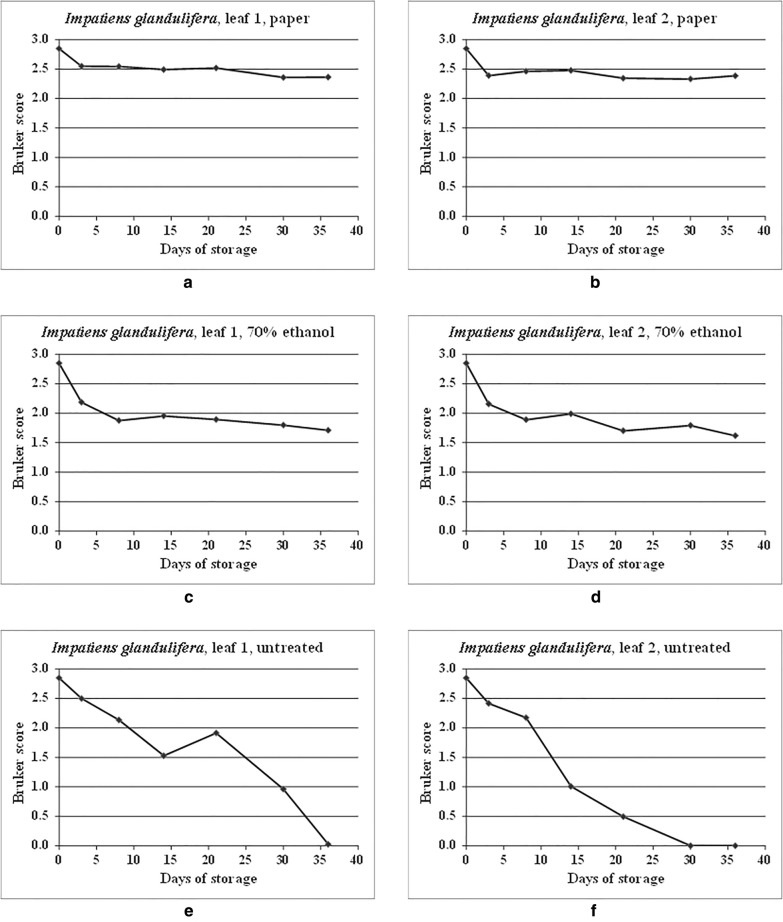
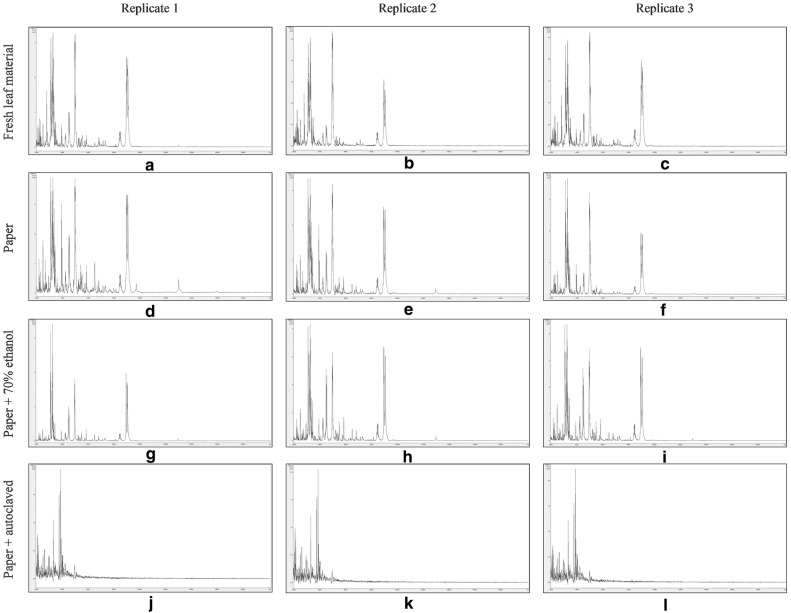
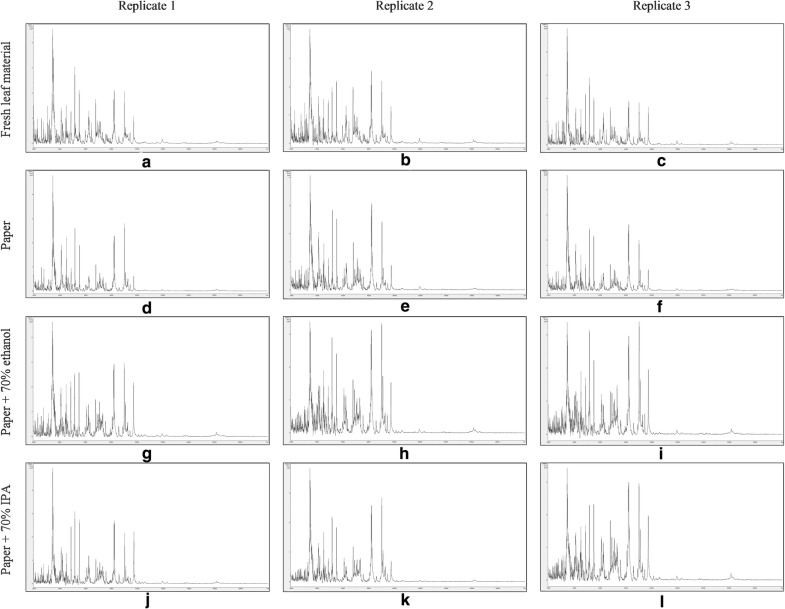
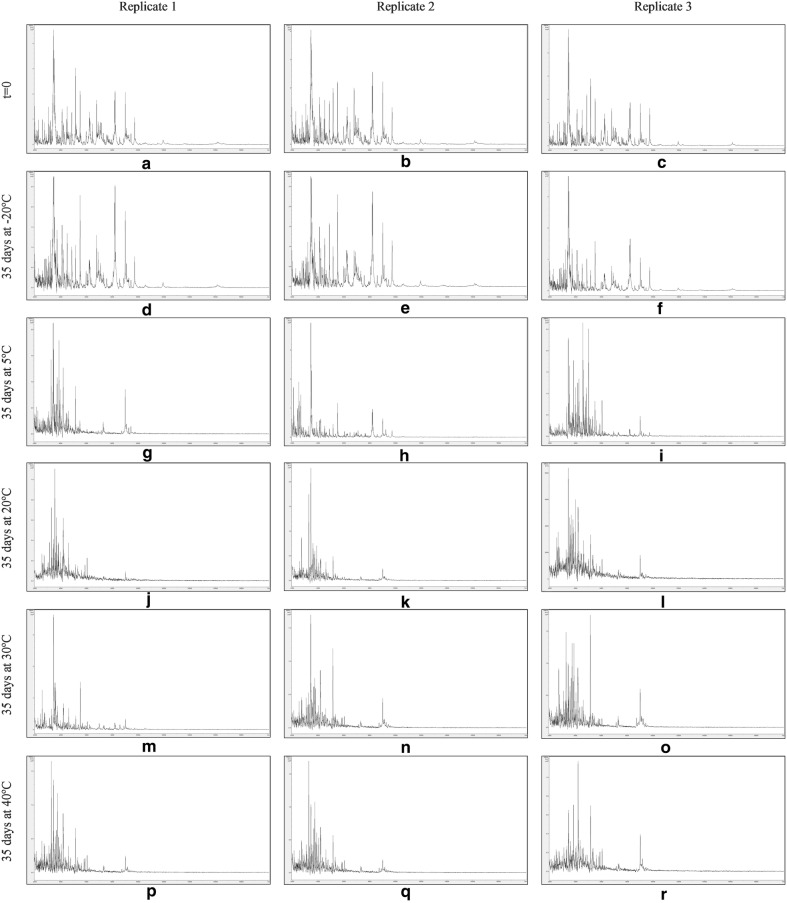
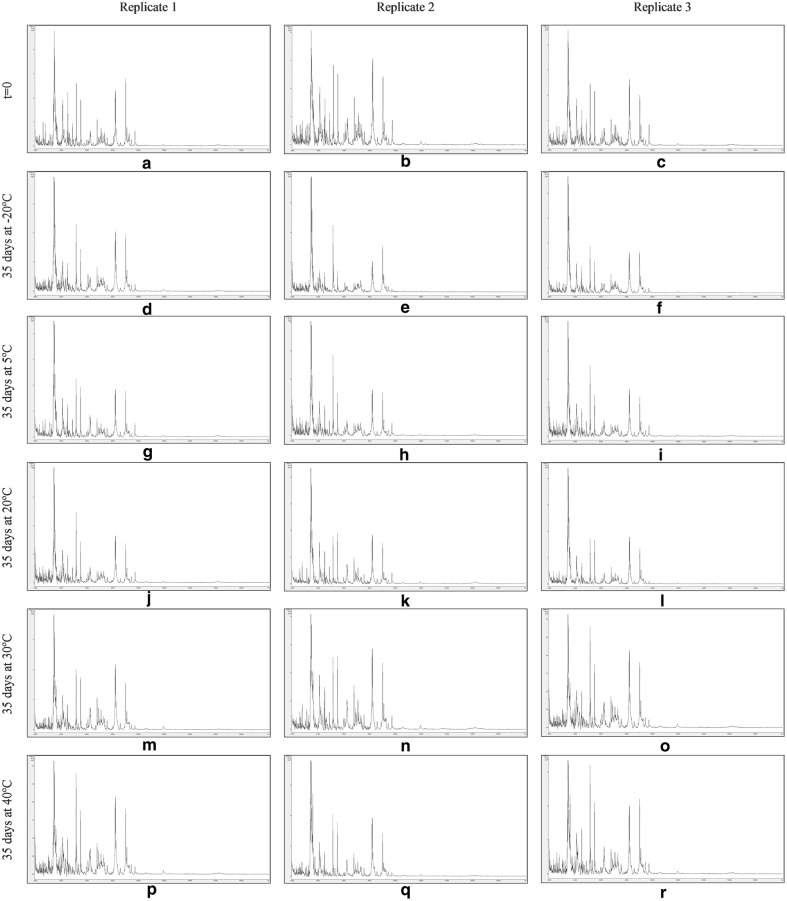
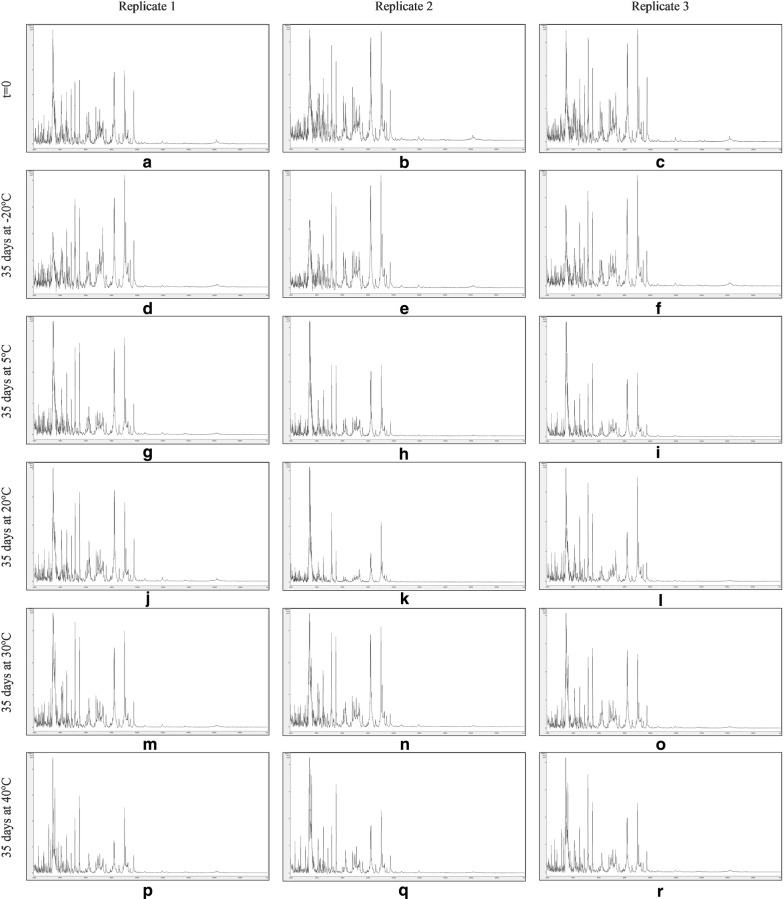
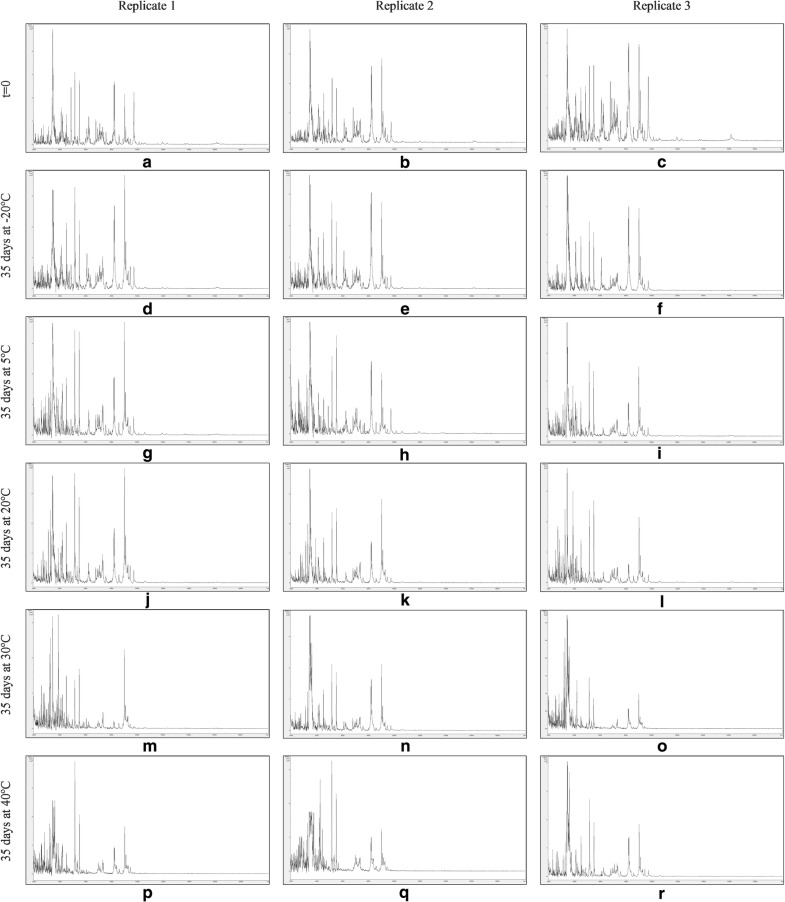
In an attempt to overcome the above difficulties, we have developed a simple and inexpensive method for practical storage of field-sample proteins, for subsequent MALDI-TOF MS analysis, in which biological material is crushed onto filter paper and dried. The dried and protein-impregnated filter paper can then be soaked in an alcoholic solution suitable for the inactivation of microorganisms of concern and again dried for storage. After subsequent dry storage, the proteins may be eluted from the paper using a solution containing acetonitrile, trifluoroacetic acid, water, and MALDI-TOF MS matrix near to saturation. The extracted proteins are then pipetted onto the MALDI-TOF MS sample plate for subsequent analysis. Using this method, spectra of comparable quality to fresh-material controls have been obtained for acid-soluble proteins from and leaf material. Unlike untreated leaf material, high-quality spectra can be obtained with and without alcohol treatment even after storage for one month at up to 40 °C.
We have developed a simple and inexpensive method for practical storage of field-sample proteins for subsequent MALDI-TOF MS analysis. Key benefits of this approach are a reduction in sample degradation, and consequent conservation of taxon-discriminatory spectral profiles, whilst minimising the potential for carryover of viable microorganisms.
使用基质辅助激光解吸电离飞行时间质谱(MALDI-TOF MS)能够轻松地表征和/或鉴定含蛋白质的样品。然而,该技术需要相对新鲜的生物材料,其中所含蛋白质尚未发生显著降解。对于野外样本采集工作而言,由于样本采集与处理之间的延迟、样本储存(在某些气候条件下可能处于高温和/或高湿度环境)、活体生物材料跨国转移的检疫/监管限制以及通过非活体生物材料转移有害微生物的可能性,常常会遇到问题。
为克服上述困难,我们开发了一种简单且廉价的方法,用于实际储存野外样本蛋白质,以便后续进行MALDI-TOF MS分析。该方法是将生物材料压碎在滤纸上并干燥。然后,将干燥且浸有蛋白质的滤纸浸泡在适合使相关微生物失活的酒精溶液中,再次干燥以进行储存。经过后续的干燥储存后,可以使用一种接近饱和的含有乙腈、三氟乙酸、水和MALDI-TOF MS基质的溶液从滤纸上洗脱蛋白质。然后将提取的蛋白质移液到MALDI-TOF MS样品板上进行后续分析。使用这种方法,已从[具体植物名称1]和[具体植物名称2]叶片材料中获得了与新鲜材料对照质量相当的酸溶性蛋白质光谱。与未处理的叶片材料不同,即使在高达40°C的温度下储存一个月后,经过酒精处理和未经过酒精处理均可获得高质量的光谱。
我们开发了一种简单且廉价的方法,用于实际储存野外样本蛋白质,以便后续进行MALDI-TOF MS分析。这种方法的主要优点是减少了样品降解,从而保留了分类鉴别光谱特征,同时将活微生物携带的可能性降至最低。