Galgano Samuel J, Valentin Roberto, McConathy Jonathan
Department of Radiology, Section of Molecular Imaging and Therapeutics, University of Alabama at Birmingham, Birmingham, AL, USA.
Transl Androl Urol. 2018 Sep;7(Suppl 4):S462-S476. doi: 10.21037/tau.2018.06.09.
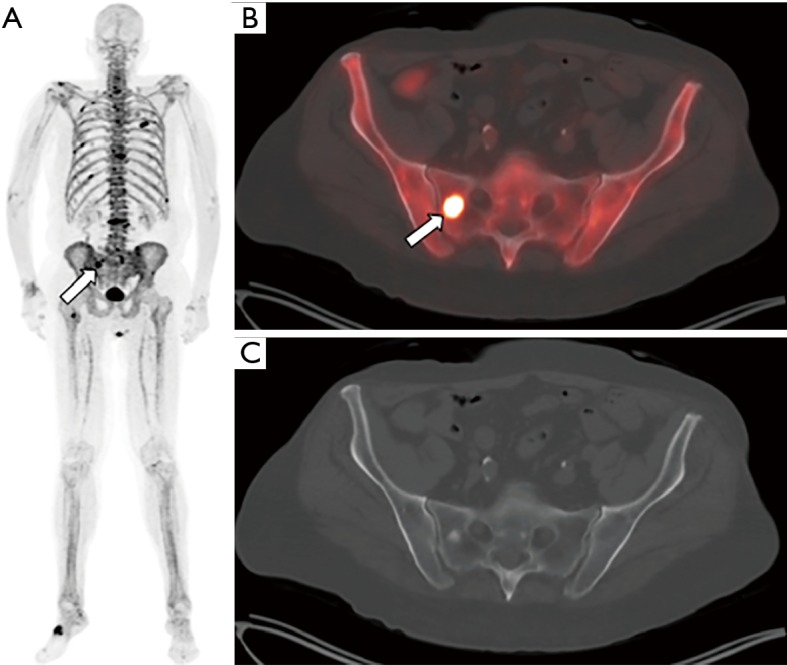
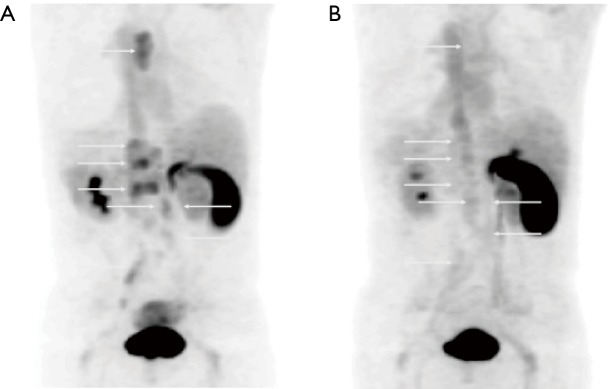
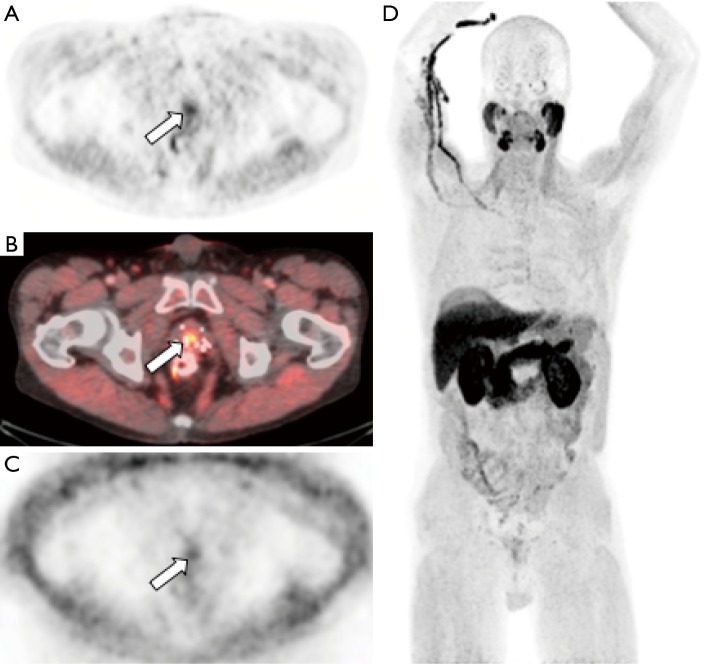
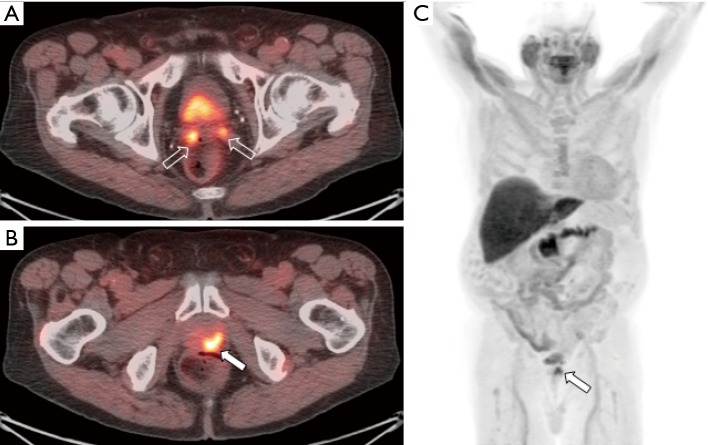
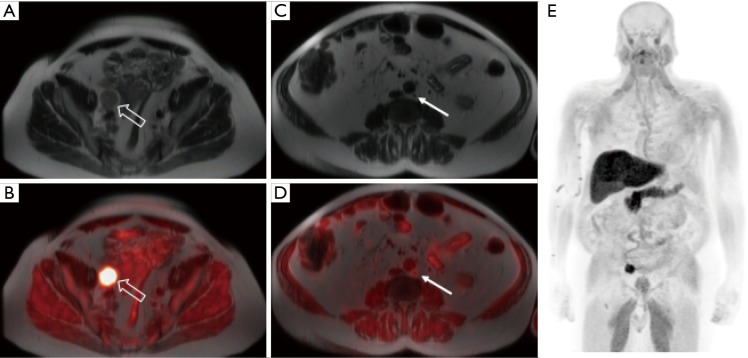
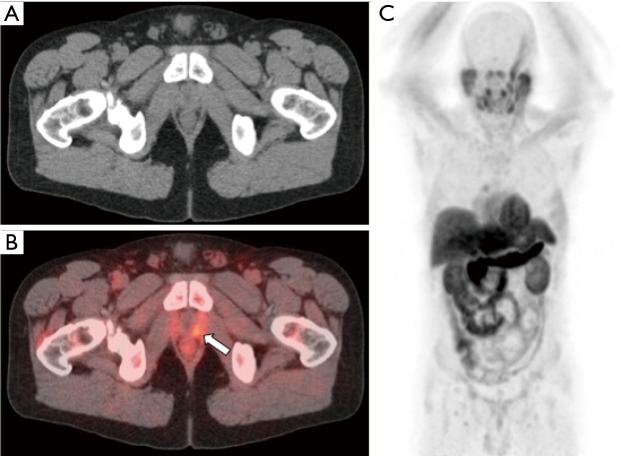
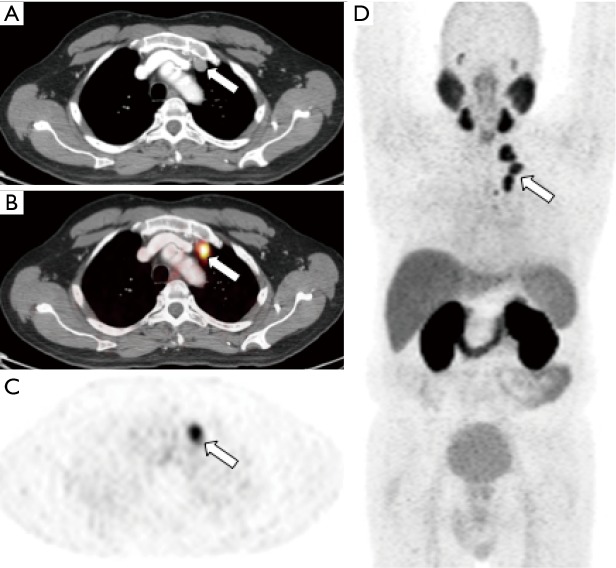
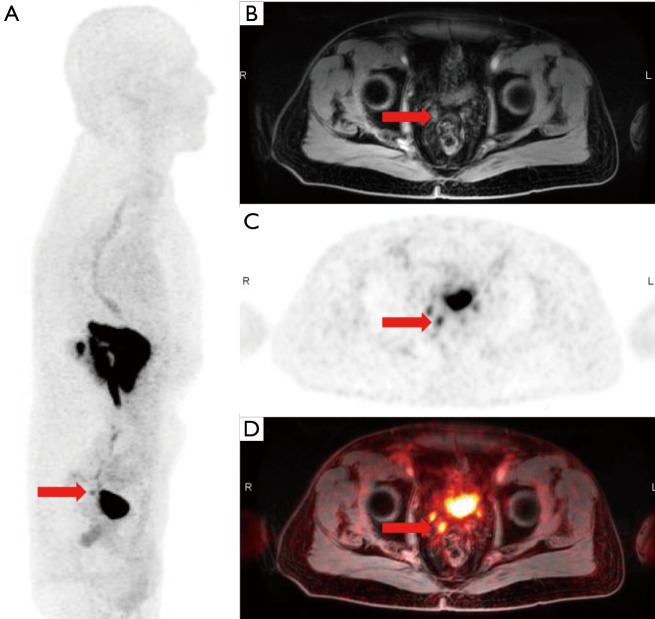
Prostate cancer is one of the most common cancers in men worldwide, and primary prostate cancer is typically treated with surgery, radiation, androgen deprivation, or a combination of these therapeutic modalities. Despite technical advances, approximately 30% of men will experience biochemical recurrent within 10 years of definitive treatment. Upon detection of a rise in serum prostate specific antigen (PSA), there is great need to accurately stage these patients to help guide further therapy. As a result, there are considerable efforts underway to establish the role of positron emission tomography (PET) in the diagnostic algorithm of biochemically recurrent prostate cancer. This manuscript provides an overview of PET tracers used for the detection and localization of prostate cancer in the setting of biochemical recurrence with a focus on PET tracers that are currently being used in clinical practice in the United States.
前列腺癌是全球男性中最常见的癌症之一,原发性前列腺癌通常采用手术、放疗、雄激素剥夺或这些治疗方式的联合治疗。尽管技术有所进步,但约30%的男性在确定性治疗后10年内会出现生化复发。一旦检测到血清前列腺特异性抗原(PSA)升高,就非常需要对这些患者进行准确分期,以帮助指导进一步治疗。因此,目前正在做出大量努力来确立正电子发射断层扫描(PET)在生化复发前列腺癌诊断算法中的作用。本手稿概述了用于在生化复发情况下检测和定位前列腺癌的PET示踪剂,重点介绍了目前在美国临床实践中使用的PET示踪剂。