Institute of Virology and Immunology, 3012 Bern, Switzerland.
Department of Infectious Diseases and Pathobiology, Vetsuisse Faculty, University of Bern, 3012 Bern, Switzerland.
Viruses. 2018 Oct 30;10(11):593. doi: 10.3390/v10110593.
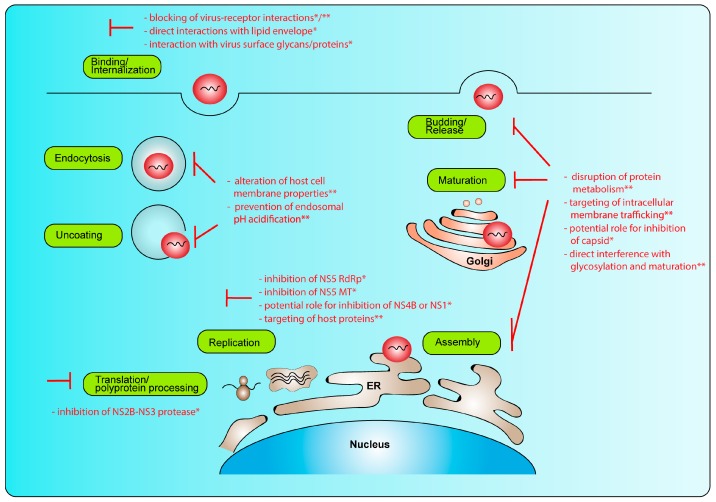
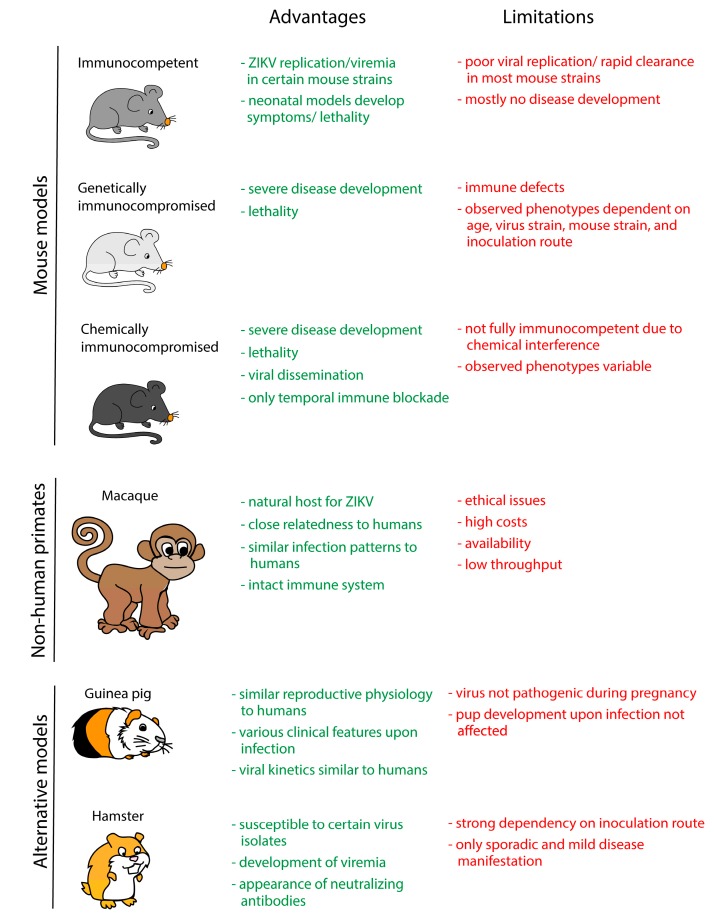
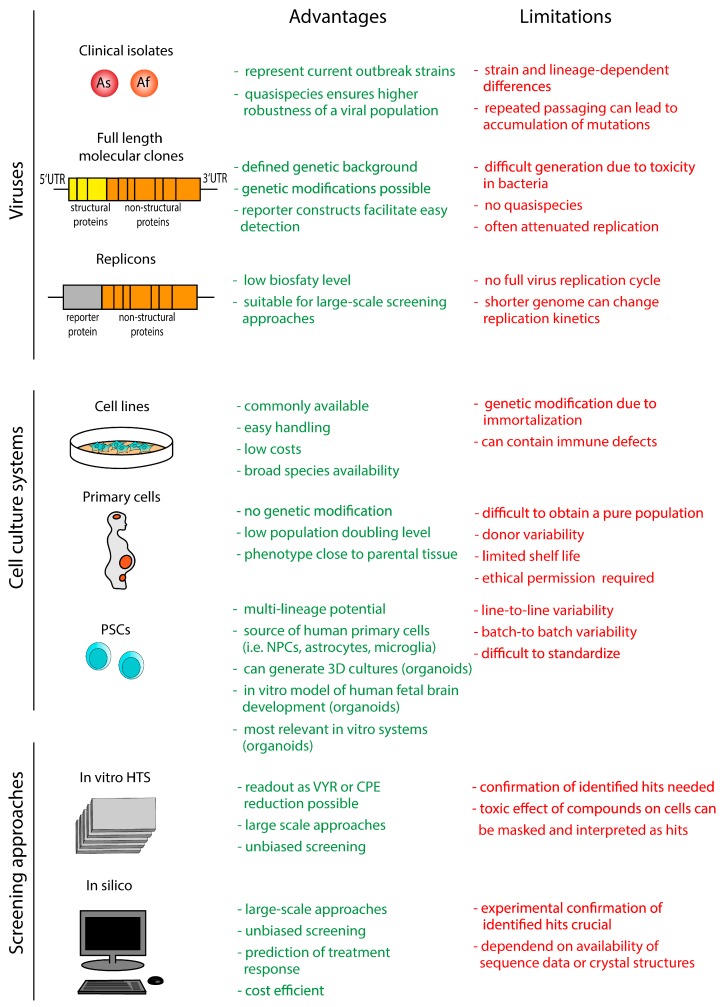
Zika virus recently re-emerged and caused global outbreaks mainly in Central Africa, Southeast Asia, the Pacific Islands and in Central and South America. Even though there is a declining trend, the virus continues to spread throughout different geographical regions of the world. Since its re-emergence in 2015, massive advances have been made regarding our understanding of clinical manifestations, epidemiology, genetic diversity, genomic structure and potential therapeutic intervention strategies. Nevertheless, treatment remains a challenge as there is no licensed effective therapy available. This review focuses on the recent advances regarding research models, as well as available experimental tools that can be used for the identification and characterization of potential antiviral targets and therapeutic intervention strategies.
寨卡病毒最近重新出现,并在中非、东南亚、太平洋岛屿以及中美洲和南美洲等地引发了全球疫情。尽管有下降趋势,但该病毒仍在世界不同地理区域传播。自 2015 年重新出现以来,我们对其临床表现、流行病学、遗传多样性、基因组结构和潜在的治疗干预策略的理解取得了巨大进展。然而,由于没有有效的许可疗法,治疗仍然是一个挑战。这篇综述重点介绍了有关研究模型的最新进展,以及可用于鉴定和表征潜在抗病毒靶点和治疗干预策略的现有实验工具。