Institute for Microbiology, University of Veterinary Medicine Hannover, Hannover, Germany.
Department of Molecular Immunology, Helmholtz Centre for Infection Research, Braunschweig, Germany.
Front Immunol. 2018 Oct 16;9:2317. doi: 10.3389/fimmu.2018.02317. eCollection 2018.
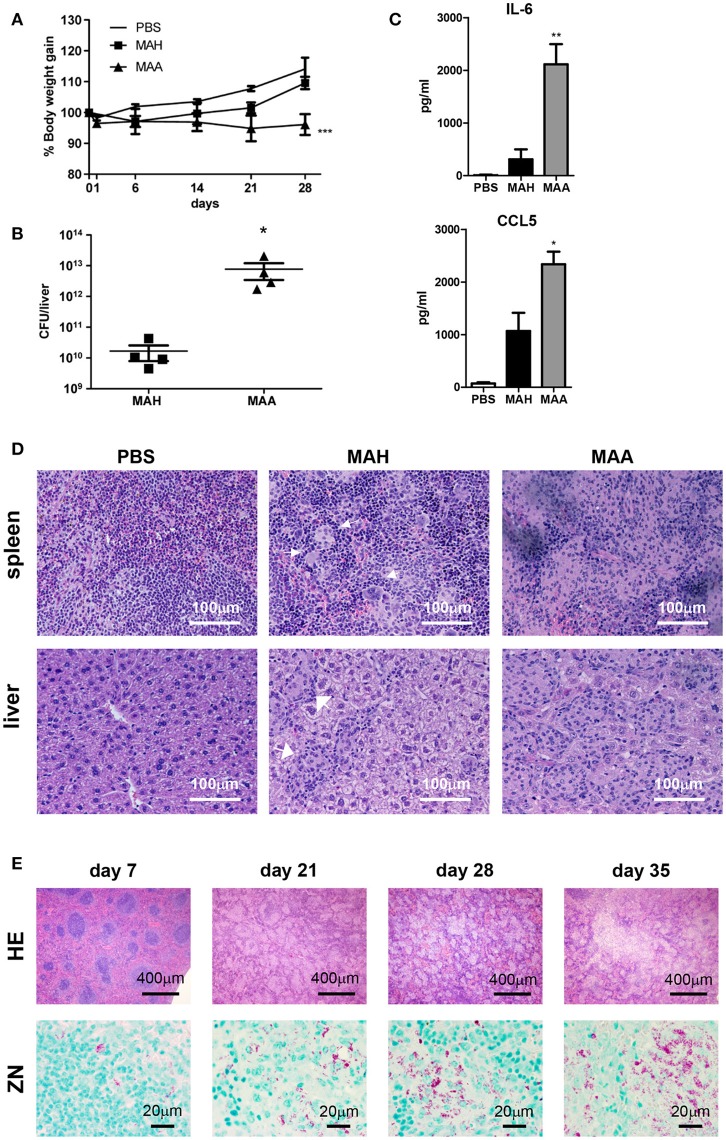
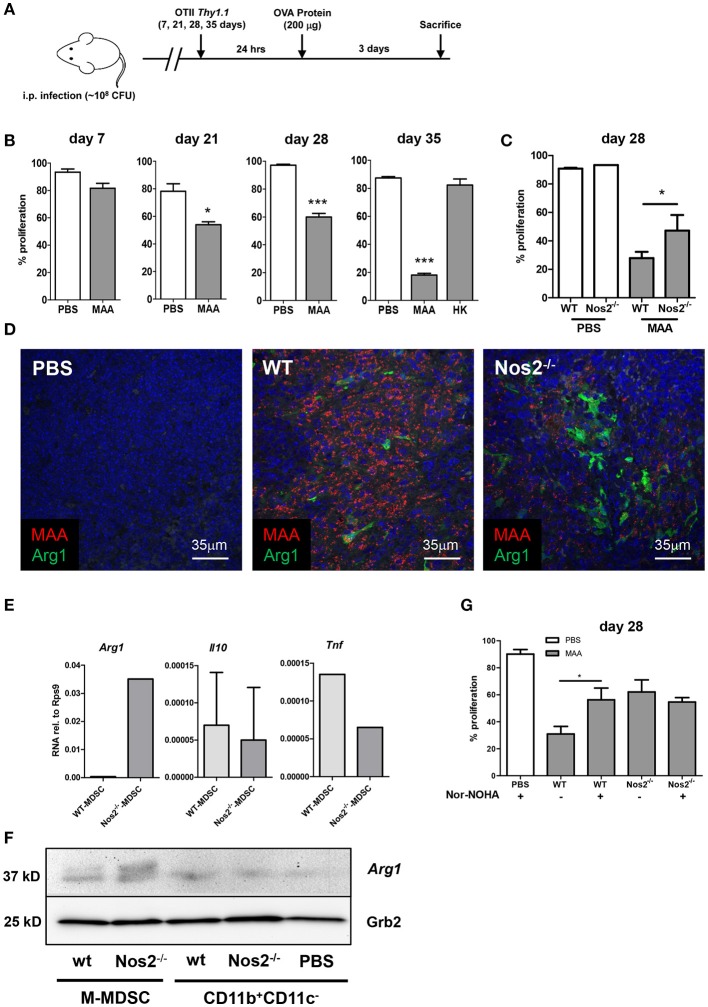
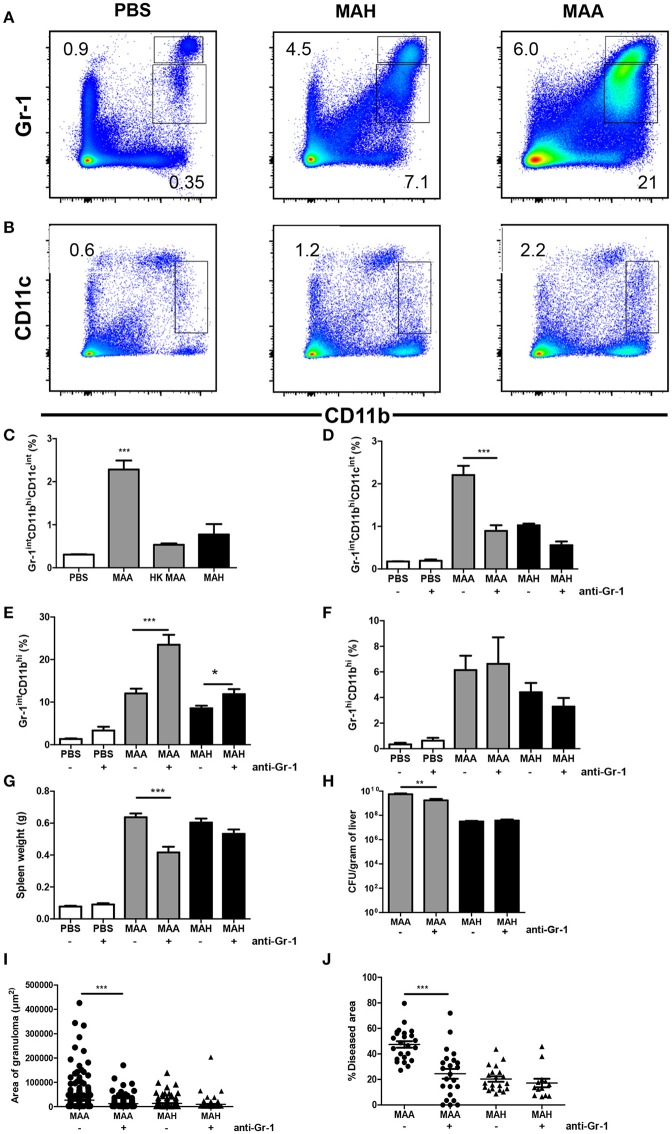
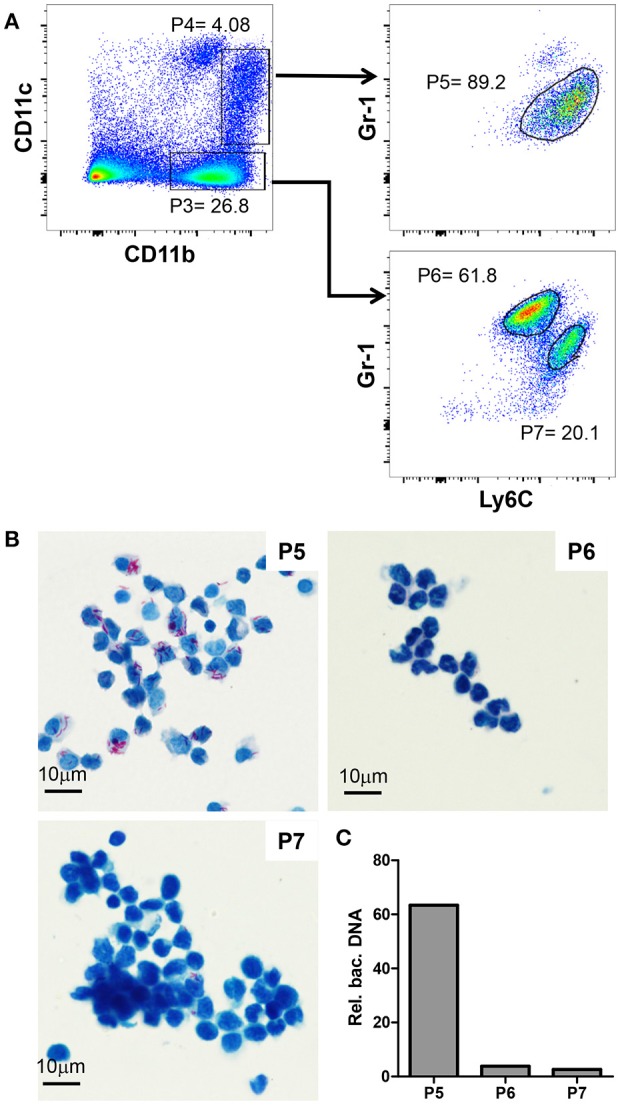
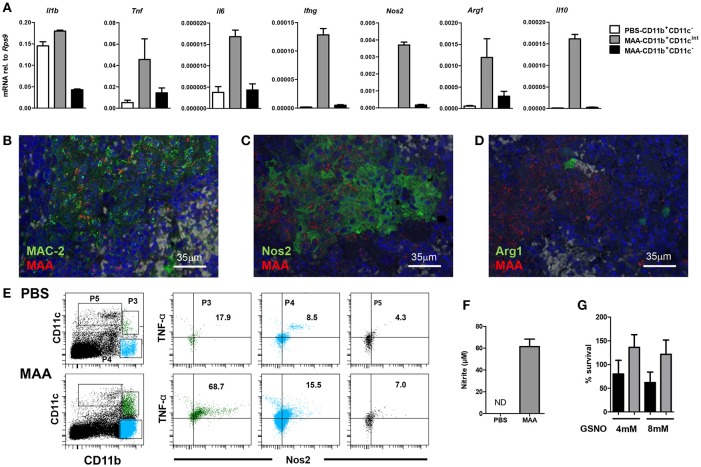
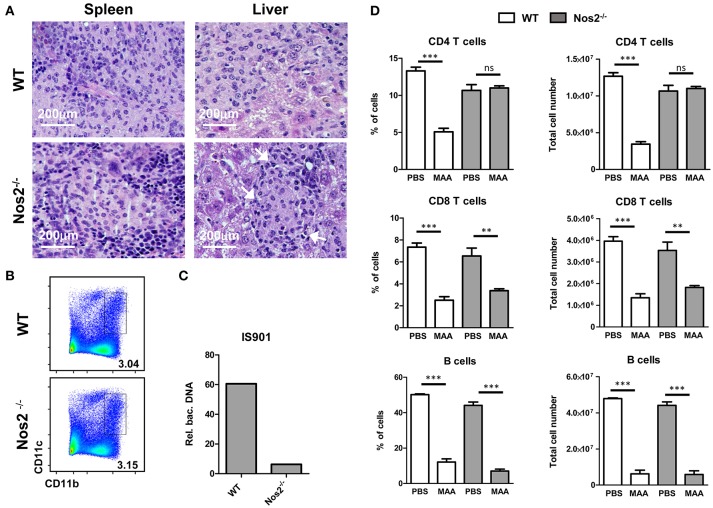
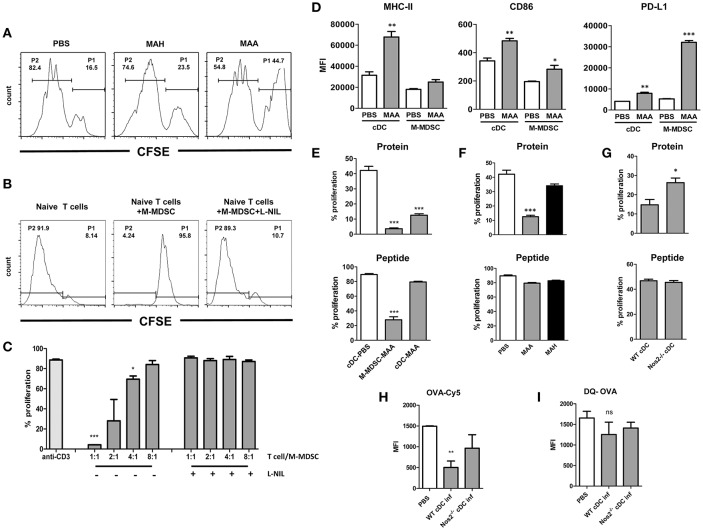
Myeloid-derived suppressor cells (MDSC) are immature myeloid cells with immunomodulatory function. To study the mechanism by which MDSC affect antimicrobial immunity, we infected mice with two strains of differential virulence, highly virulent subsp. strain 25291 (MAA) and low virulent subsp. strain 104 (MAH). Intraperitoneal infection with MAA, but not MAH, caused severe disease and massive splenic infiltration of monocytic MDSC (M-MDSC; Gr-1CD11bCD11c) expressing inducible NO synthase (Nos2) and bearing high numbers of mycobacteria. Depletion experiments demonstrated that M-MDSC were essential for disease progression. NO production by M-MDSC influenced antigen-uptake and processing by dendritic cells and proliferation of CD4 T cells. M-MDSC were also induced in MAA-infected mice lacking Nos2. In these mice CD4 T cell expansion and control of infection were restored. However, T cell inhibition was only partially relieved and arginase (Arg) 1-expressing M-MDSC were accumulated. Likewise, inhibition of Arg1 also partially rescued T cell proliferation. Thus, mycobacterial virulence results in the induction of M-MDSC that block the T cell response in a Nos2- and Arg1-dependent manner.
髓系来源的抑制细胞(MDSC)是具有免疫调节功能的未成熟髓系细胞。为了研究 MDSC 影响抗菌免疫的机制,我们用两种毒力不同的菌株感染小鼠,高毒力亚种 25291 株(MAA)和低毒力亚种 104 株(MAH)。MAA 的腹腔感染而非 MAH 导致严重疾病和单核细胞 MDSC(Gr-1CD11bCD11c 表达诱导型一氧化氮合酶(Nos2)的 M-MDSC;并携带大量分枝杆菌)在脾脏大量浸润。耗竭实验表明 M-MDSC 是疾病进展所必需的。M-MDSC 的 NO 产生影响树突状细胞对抗原的摄取和加工以及 CD4 T 细胞的增殖。在缺乏 Nos2 的 MAA 感染小鼠中也诱导了 M-MDSC。在这些小鼠中,CD4 T 细胞的扩增和感染的控制得到了恢复。然而,T 细胞抑制仅部分缓解,并且积累了 Arg1 表达的 M-MDSC。同样,Arg1 的抑制也部分挽救了 T 细胞的增殖。因此,分枝杆菌的毒力导致诱导了 MDSC,它们以 Nos2 和 Arg1 依赖的方式阻断 T 细胞反应。