Department of Pediatrics, University of Cincinnati College of Medicine, Cincinnati, OH, United States.
Division of Infectious Diseases, Cincinnati Children's Hospital Medical Center, Cincinnati, OH, United States.
Front Immunol. 2021 Feb 9;11:628432. doi: 10.3389/fimmu.2020.628432. eCollection 2020.
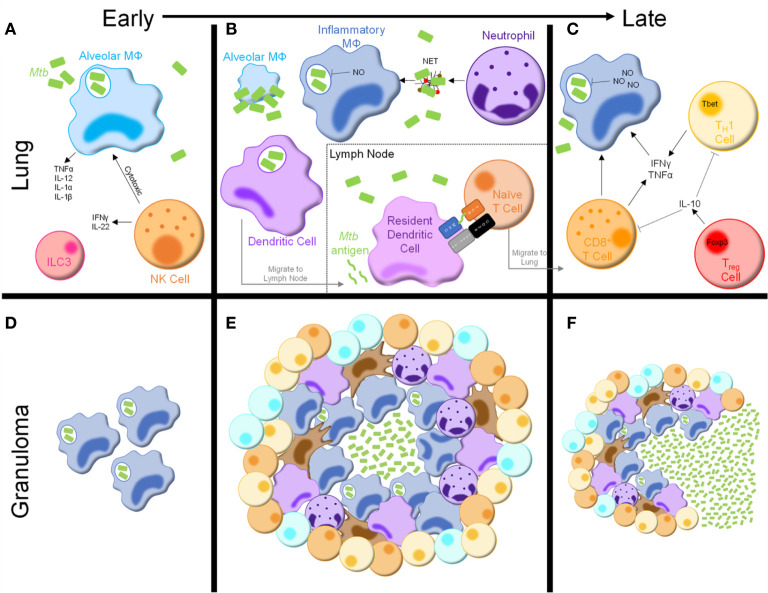
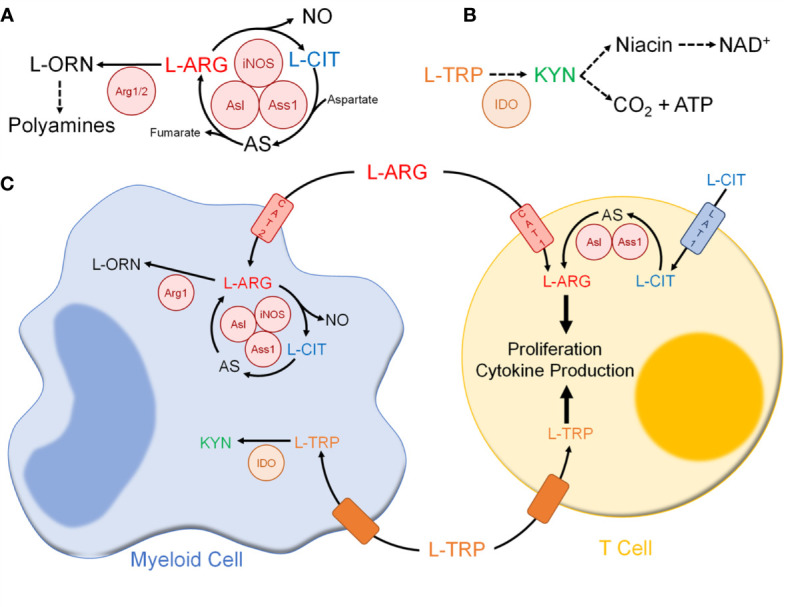
(), the causative agent of tuberculosis (TB), is a leading cause of death worldwide. Despite decades of research, there is still much to be uncovered regarding the immune response to infection. Here, we summarize the current knowledge on anti- immunity, with a spotlight on immune cell amino acid metabolism. Specifically, we discuss L-arginine and L-tryptophan, focusing on their requirements, regulatory roles, and potential use as adjunctive therapy in TB patients. By continuing to uncover the immune cell contribution during infection and how amino acid utilization regulates their functions, it is anticipated that novel host-directed therapies may be developed and/or refined, helping to eradicate TB.
结核分枝杆菌()是结核病(TB)的病原体,是全球主要的致死原因之一。尽管已经进行了几十年的研究,但对于感染的免疫反应仍有许多未知之处。在这里,我们总结了目前对免疫的认识,重点介绍了免疫细胞氨基酸代谢。具体来说,我们讨论了精氨酸和色氨酸,重点讨论了它们的需求、调节作用以及在结核病患者辅助治疗中的潜在用途。通过不断揭示感染过程中免疫细胞的贡献以及氨基酸利用如何调节其功能,可以预期可能会开发和/或改进新的宿主定向治疗方法,有助于消除结核病。