Microbiology Graduate Program, University of California, Riverside, CA, 92521, USA.
Department of Bioengineering, University of California, Riverside, CA, 92521, USA.
Sci Rep. 2018 Nov 2;8(1):16260. doi: 10.1038/s41598-018-34567-5.
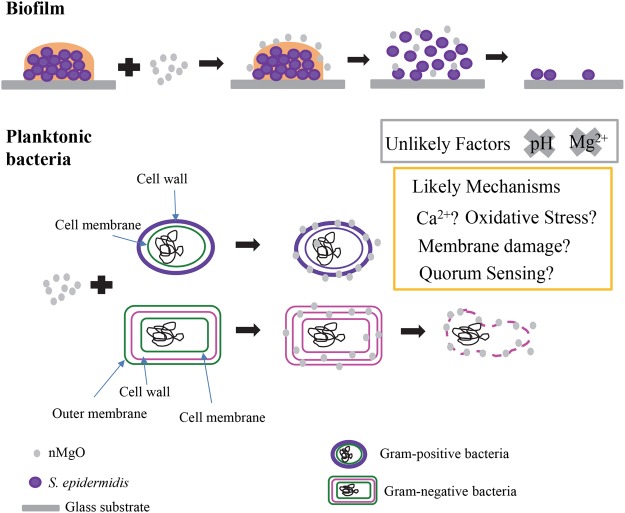
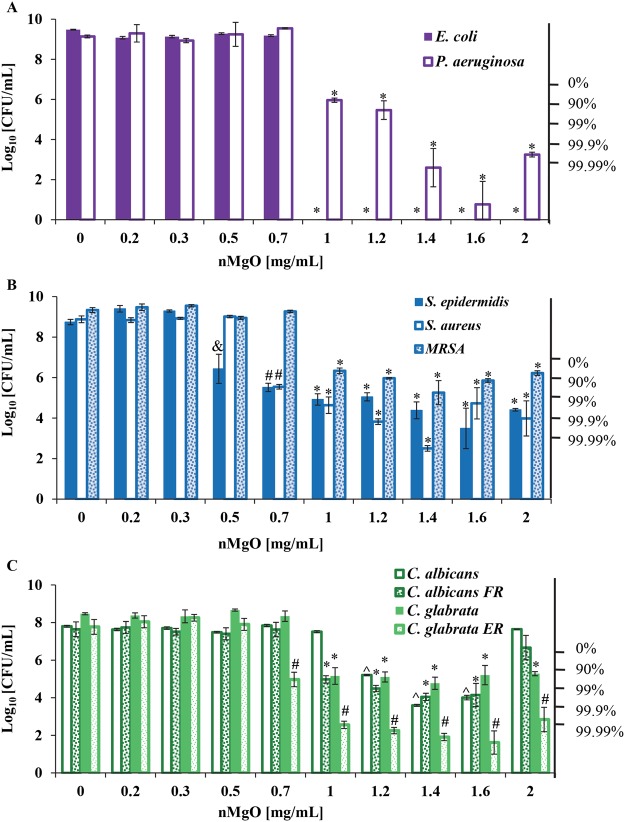
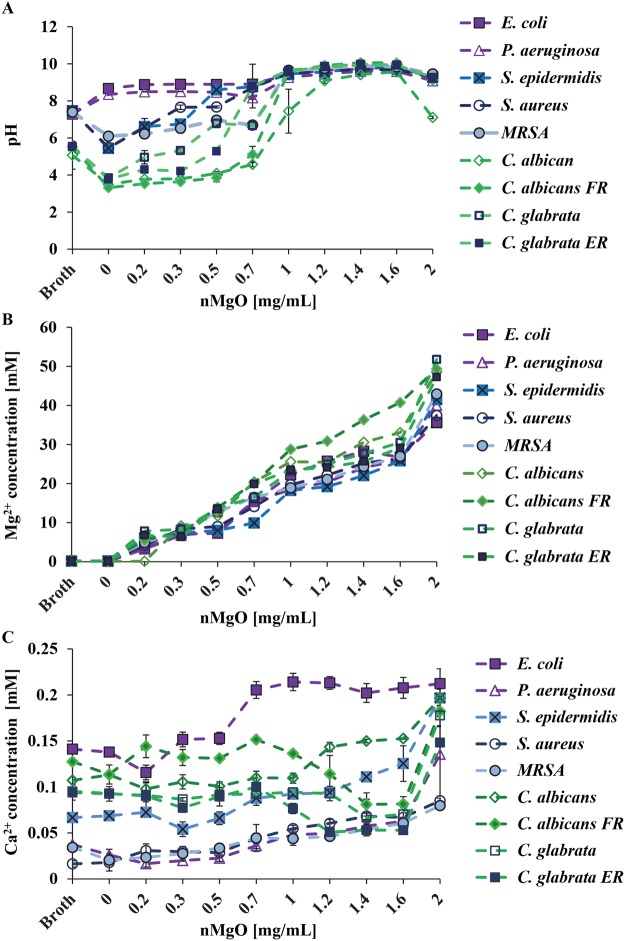
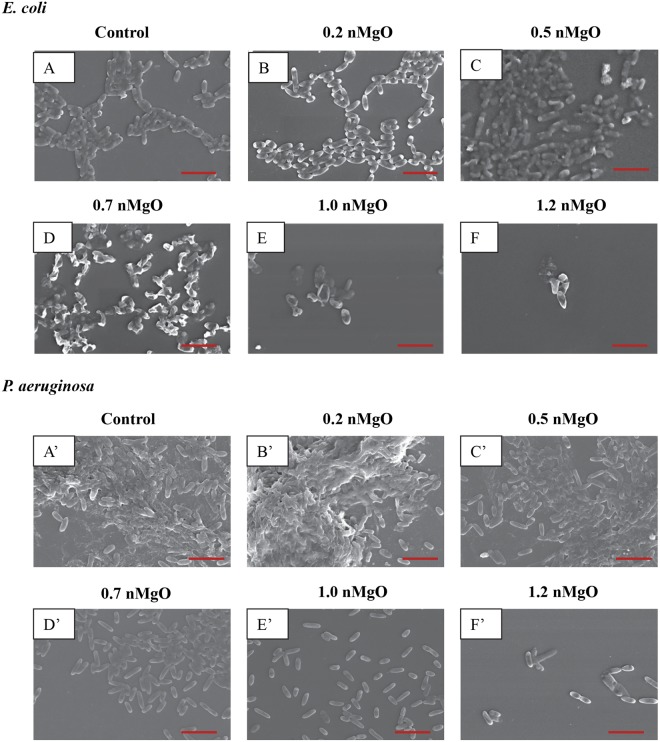
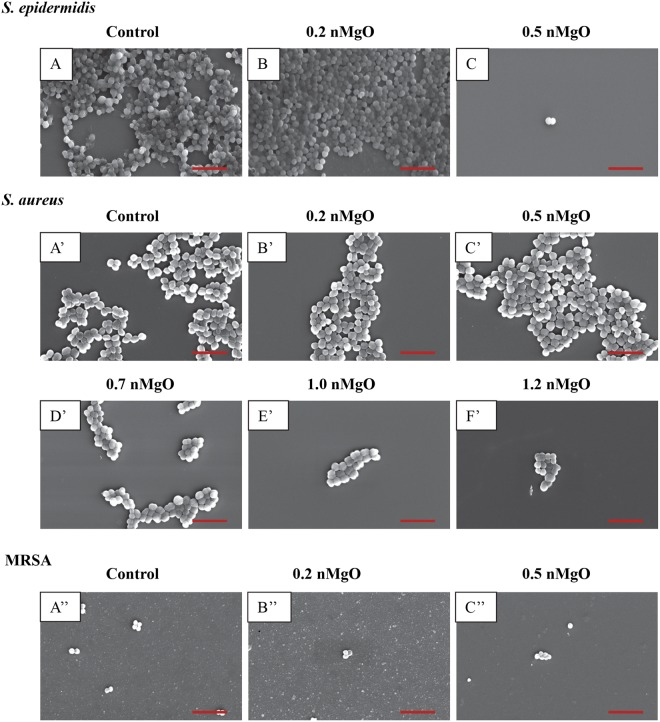
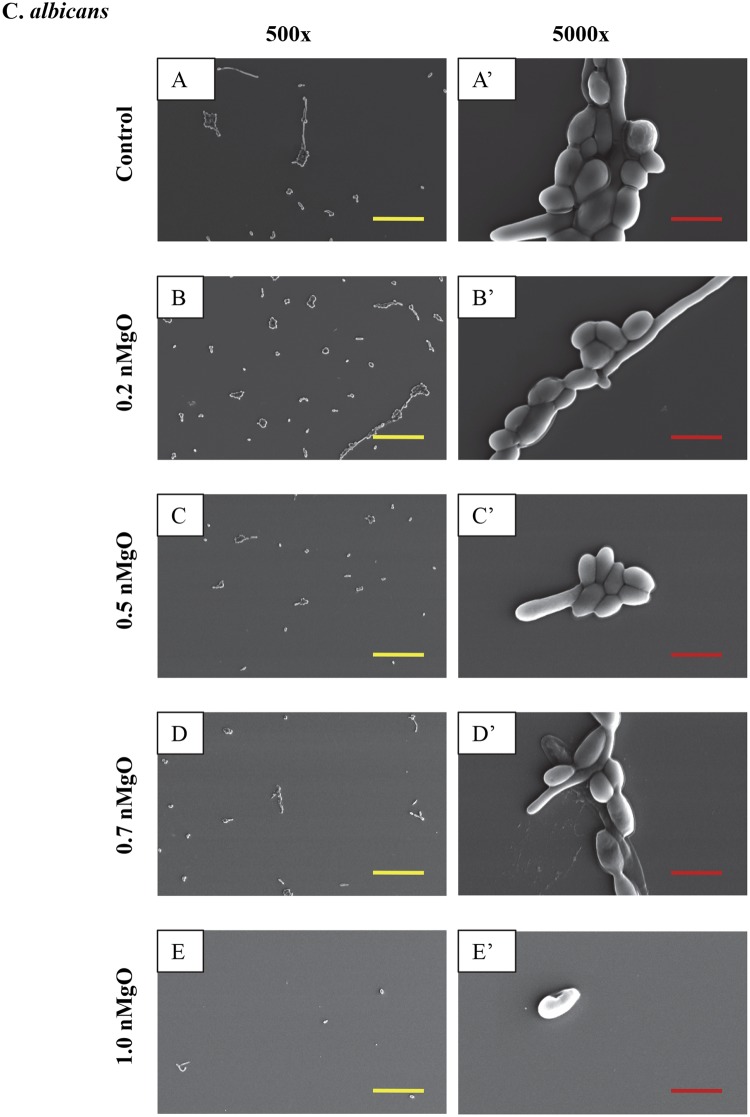
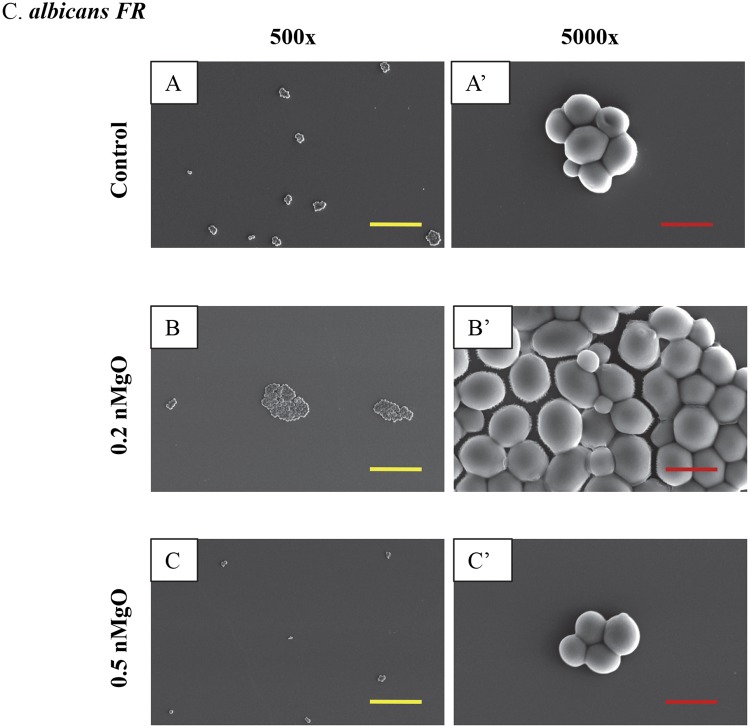
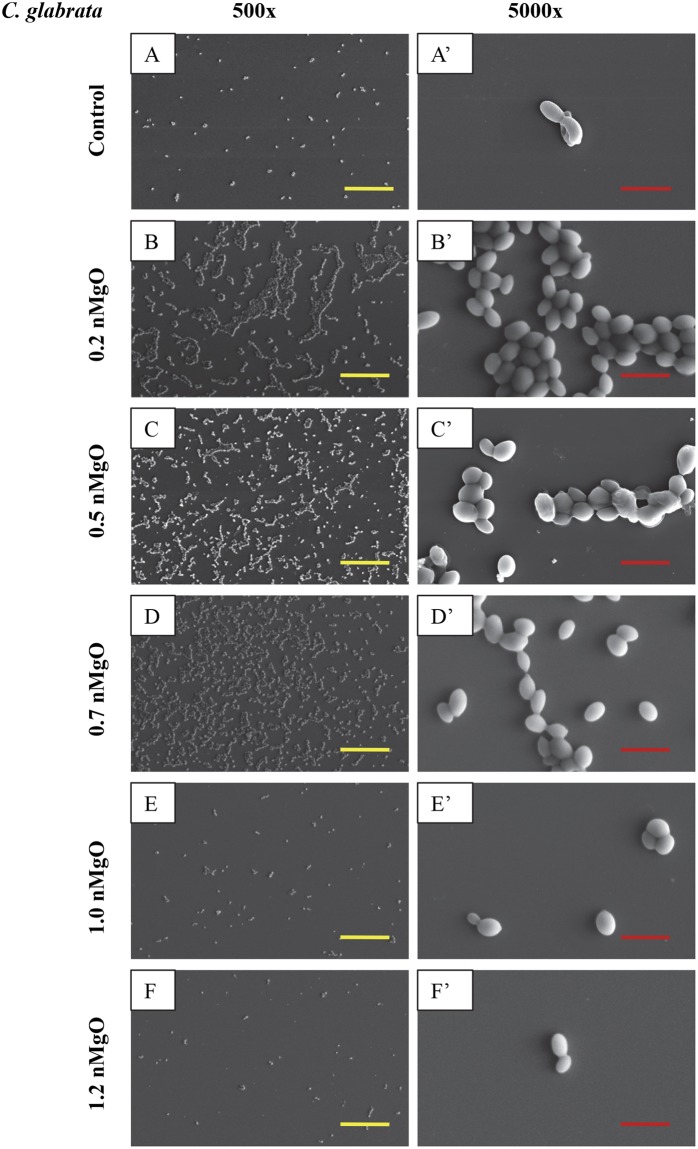
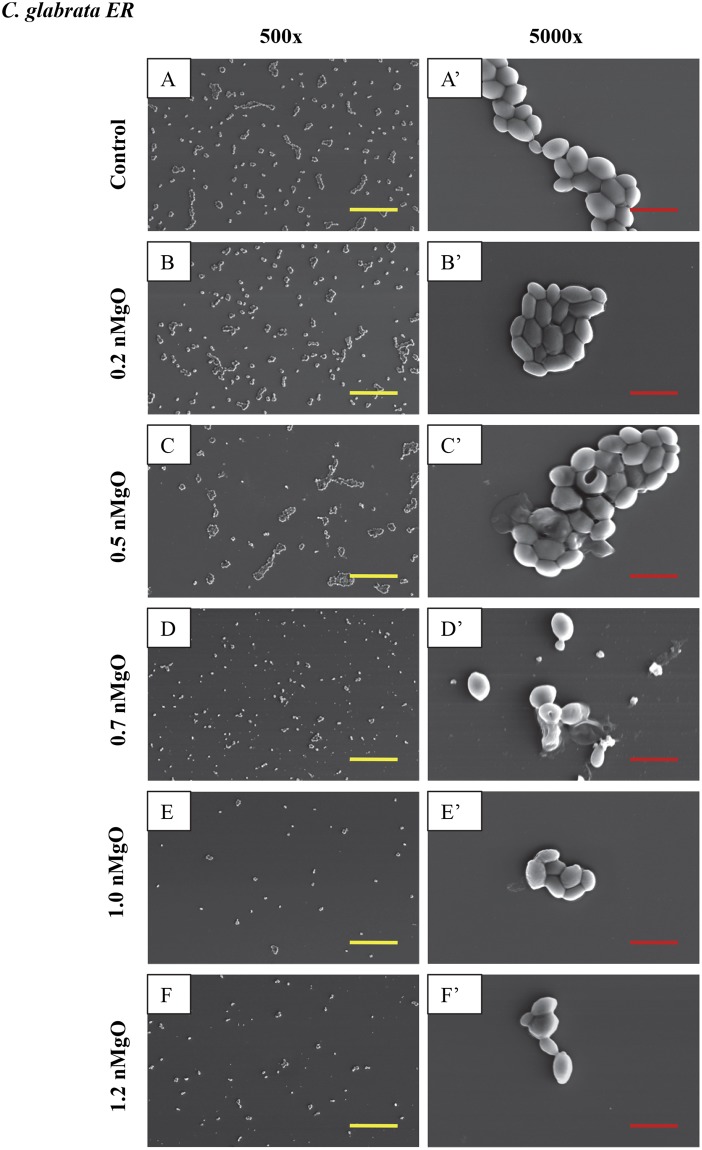
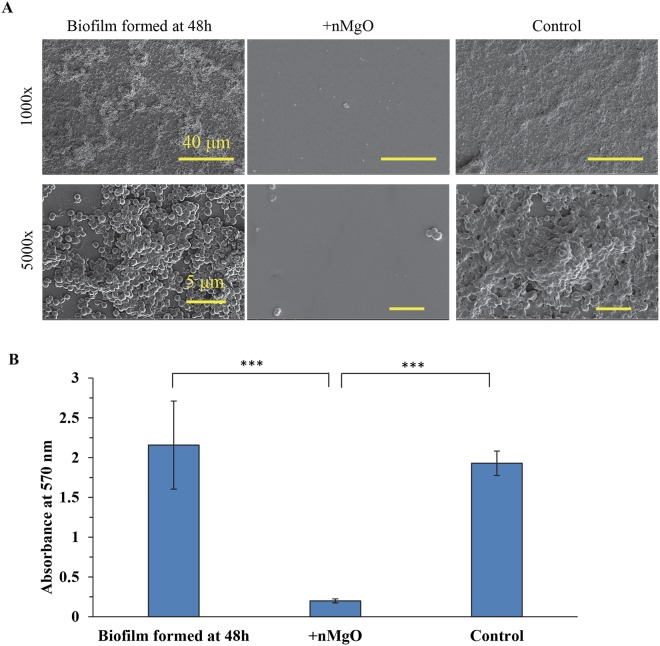
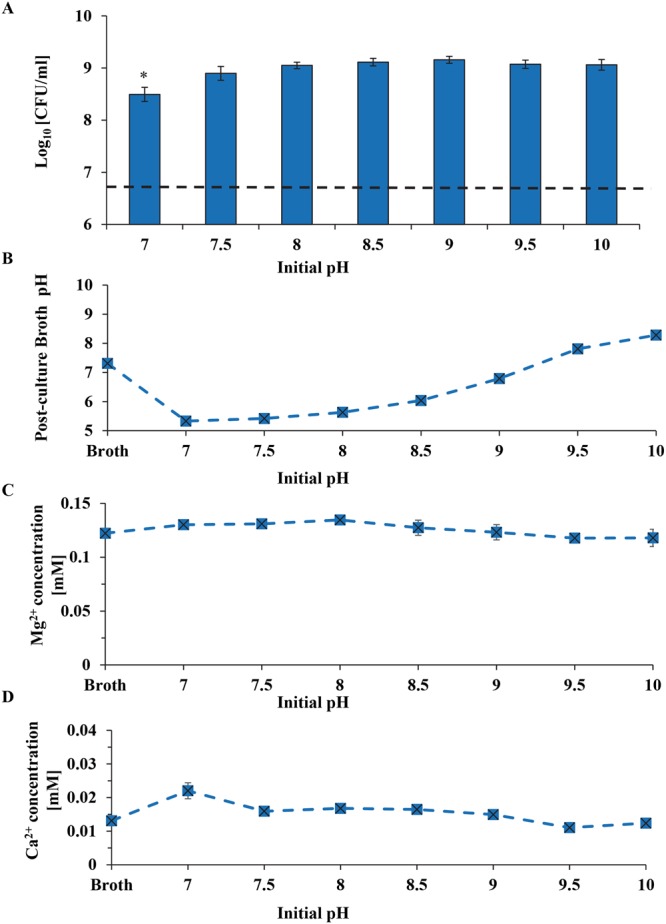
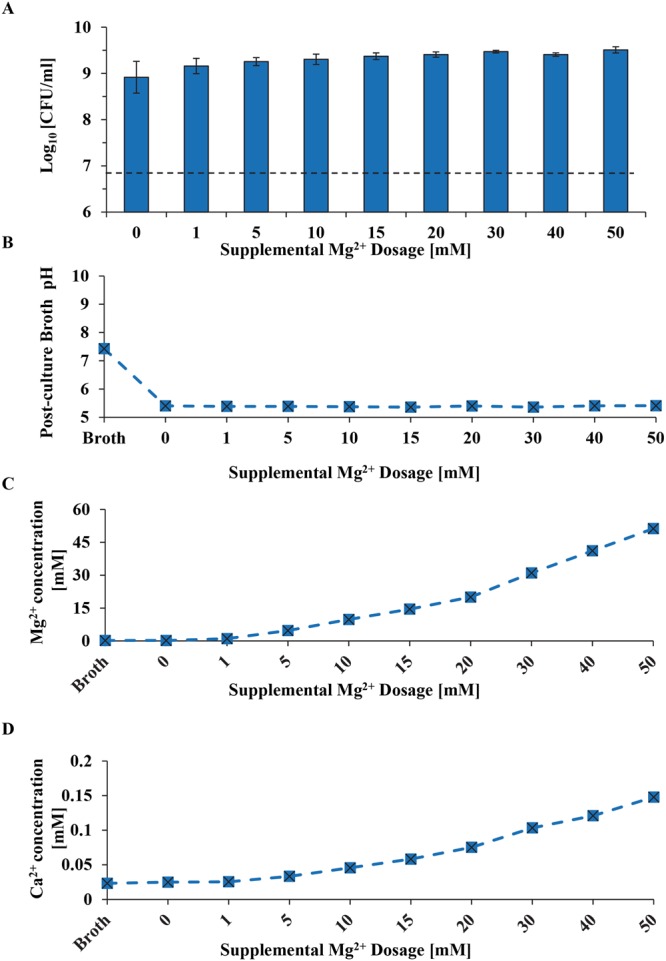
Magnesium oxide nanoparticle (nMgO) is a light metal based antimicrobial nanoparticle that can be metabolized and fully resorbed in the body. To take advantage of the antimicrobial properties of nMgO for medical use, it is necessary to determine the minimal inhibitory, bactericidal and fungicidal concentrations (MIC, MBC and MFC) of nMgO against prevalent infectious bacteria and yeasts. The objective of this study was to use consistent methods and conditions to reveal and directly compare the efficacy of nMgO against nine prevalent pathogenic microorganisms, including two gram-negative bacteria, three gram-positive bacteria with drug-resistant strains, and four yeasts with drug-resistant strains. The MIC of nMgO varied from 0.5 mg/mL to 1.2 mg/mL and the minimal lethal concentration (MLC) of nMgO at 90% killing varied from 0.7 mg/mL to 1.4 mg/mL against different pathogenic bacteria and yeasts. The most potent concentrations (MPC) of nMgO were 1.4 and/or 1.6 mg/mL, depending on the type of bacteria and yeasts tested. As the concentration of nMgO increased, the adhesion of bacteria and yeasts decreased. Moreover, S. epidermidis biofilm was disrupted at 1.6 mg/mL of nMgO. E. coli and some yeasts showed membrane damage after cultured with ≥0.5 mg/mL nMgO. Overall, nMgO killed both planktonic bacteria and disrupted nascent biofilms, suggesting new antimicrobial mechanisms of nMgO. Production of reactive oxygen species (ROS), Ca ion concentrations, and quorum sensing likely contribute to the action mechanisms of nMgO against planktonic bacteria, but transient alkaline pH of 7 to 10 or increased Mg ion concentrations from 1 to 50 mM showed no inhibitory or killing effects on bacteria such as S. epidermidis. Further studies are needed to determine if specific concentrations of nMgO at MIC, MLC or MPC level can be integrated into medical devices to evoke desired antimicrobial responses without harming host cells.
氧化镁纳米颗粒(nMgO)是一种轻金属基抗菌纳米颗粒,可在体内代谢并被完全吸收。为了利用 nMgO 的抗菌特性进行医学应用,有必要确定 nMgO 对常见感染细菌和酵母的最小抑菌、杀菌和抑菌浓度(MIC、MBC 和 MFC)。本研究的目的是使用一致的方法和条件来揭示和直接比较 nMgO 对九种常见致病性微生物的功效,包括两种革兰氏阴性菌、三种具有耐药株的革兰氏阳性菌和四种具有耐药株的酵母。nMgO 的 MIC 从 0.5 mg/mL 到 1.2 mg/mL 不等,90%杀伤时 nMgO 的最小致死浓度(MLC)从 0.7 mg/mL 到 1.4 mg/mL 不等,这取决于不同的致病菌和酵母。nMgO 的最有效浓度(MPC)为 1.4 和/或 1.6 mg/mL,这取决于测试的细菌和酵母的类型。随着 nMgO 浓度的增加,细菌和酵母的黏附减少。此外,1.6 mg/mL 的 nMgO 可破坏表皮葡萄球菌生物膜。与 0.5 mg/mL 以上的 nMgO 孵育后,大肠杆菌和一些酵母显示出膜损伤。总之,nMgO 既能杀死浮游细菌,又能破坏新生生物膜,提示 nMgO 具有新的抗菌机制。活性氧(ROS)、Ca 离子浓度和群体感应的产生可能有助于 nMgO 对浮游细菌的作用机制,但短暂的碱性 pH 值为 7 到 10 或从 1 到 50 mM 增加的 Mg 离子浓度对表皮葡萄球菌等细菌没有抑制或杀伤作用。需要进一步研究以确定 MIC、MLC 或 MPC 水平的特定 nMgO 浓度是否可以整合到医疗器械中,以在不伤害宿主细胞的情况下引发所需的抗菌反应。