Sanchez Diego Jimenez, Lozano Ignacio Fernández
Hospital Universitario Puerta de Hierro-Majadahonda, Madrid, Spain.
Glob Cardiol Sci Pract. 2018 Aug 12;2018(3):31. doi: 10.21542/gcsp.2018.31.
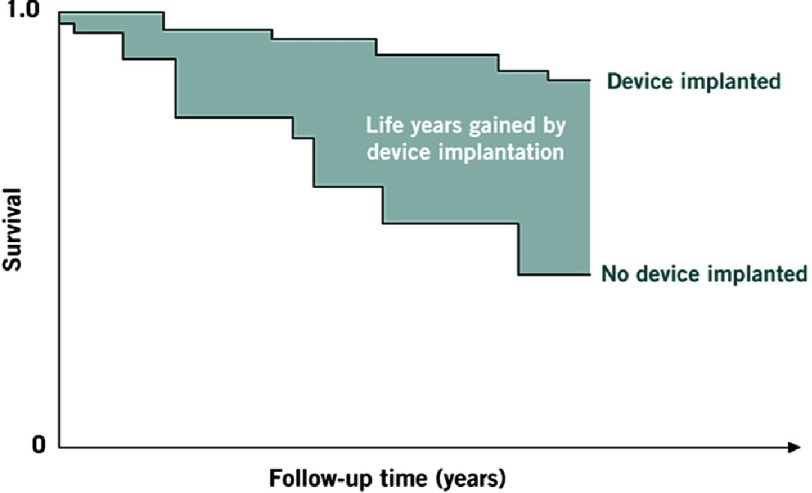
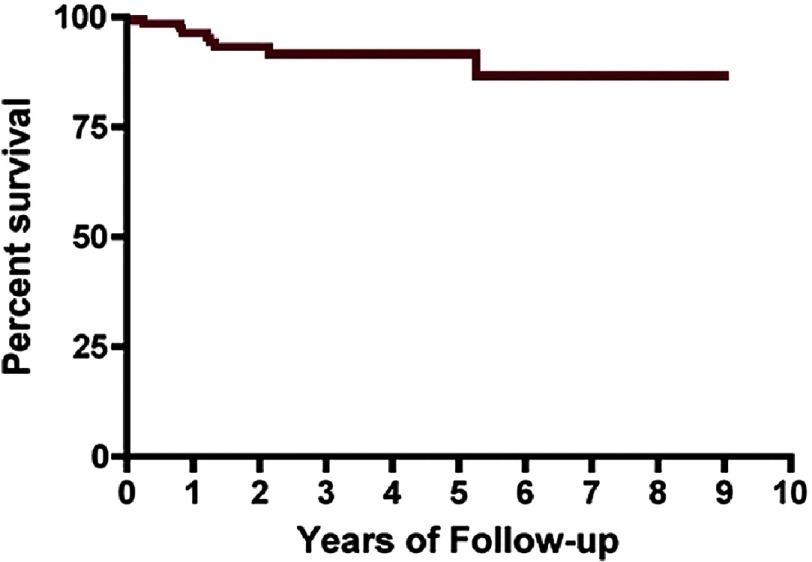
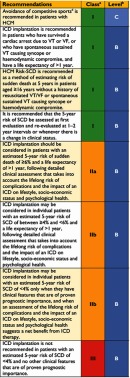
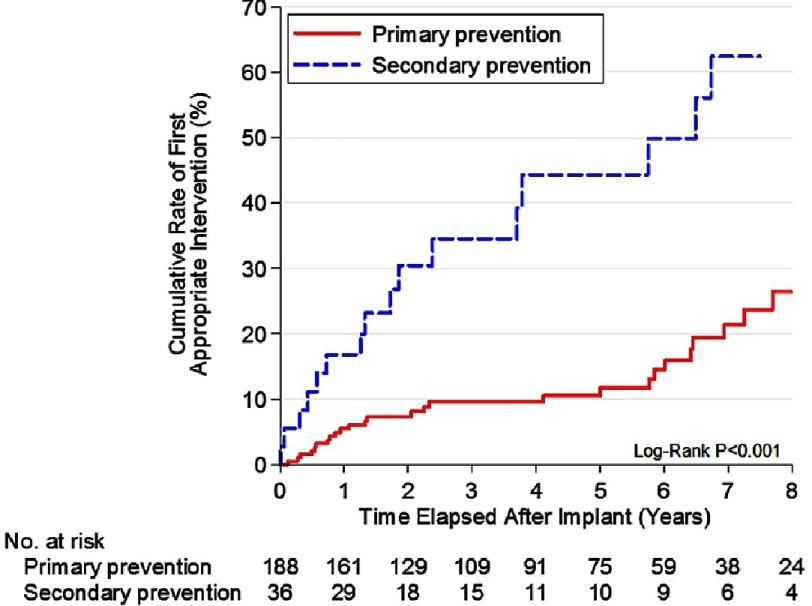
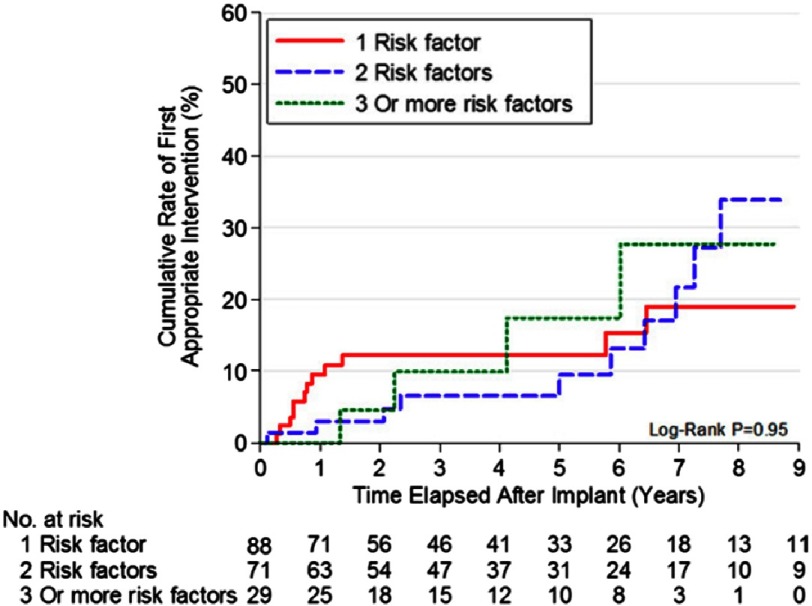
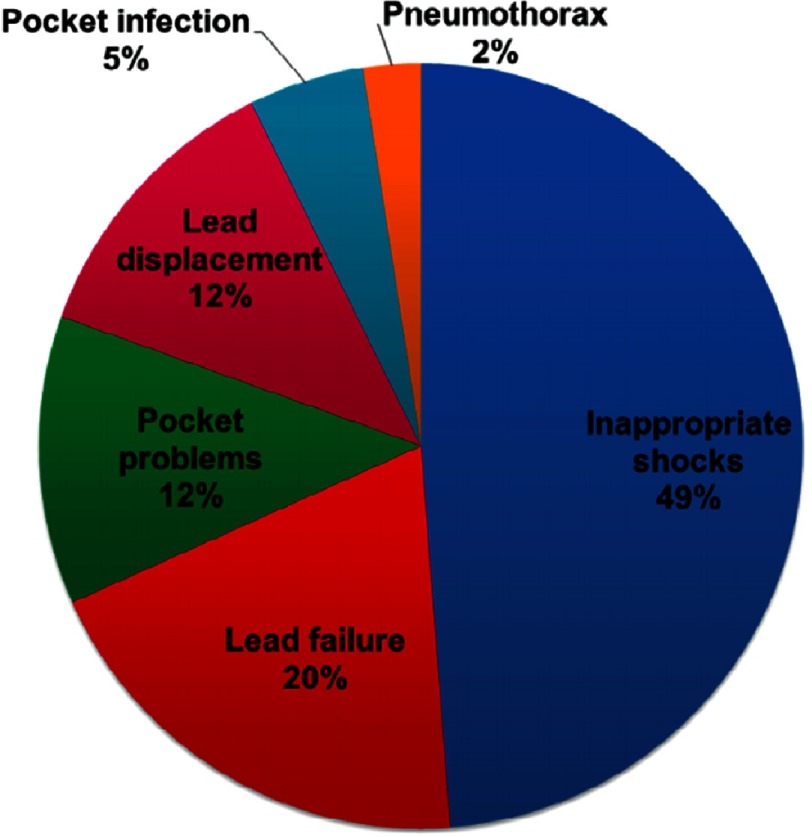
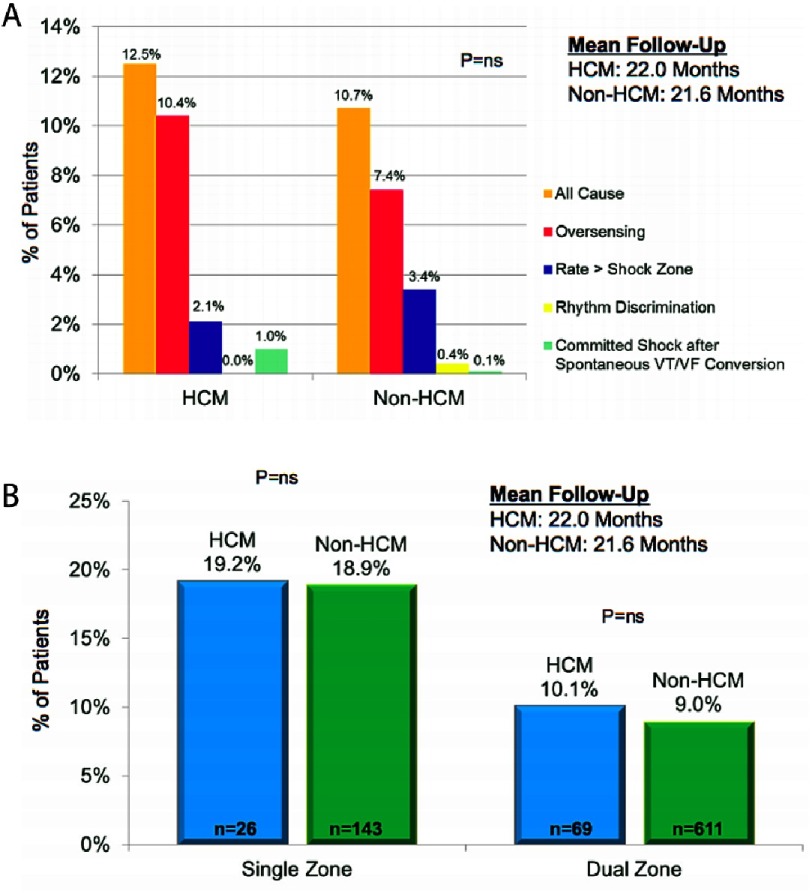
Sudden cardiac death (SCD) is the most devastating complication in hypertrophic cardiomyopathy (HCM). The implantable cardioverter-defibrillator (ICD) has proven to be effective in SCD prevention in several clinical scenarios. In HCM population, it has demonstrated to successfully abort life-threatening ventricular arrhythmias despite the extreme morphology characteristic of HCM, often with massive degrees of left ventricular hypertrophy and/or LV outflow tract obstruction. Studies showed a high rate of appropriate intervention in secondary prevention and in primary prevention of patients considered at high risk. This appropriate intervention rate is even more significant considering the young and otherwise healthy patients that compose HCM population. Since SCD incidence in HCM is relatively low, optimal identification of patients at high risk is crucial. Classical strategy of risk stratification based on clinical risk factors has several limitations and has proven to overestimate risk. A new risk prediction model that provides individual 5-year estimated risk appears to be superior to traditional models based on bivariate risk factors. Perioperative complications seem to be similar to those related to the implant of other cardiac devices, while long-term complications have been traditionally in the spotlight. HCM patients are considered more vulnerable to ICD-related complications and inappropriate ICD therapy because of their young age at implant and increased prevalence of atrial fibrillation, but long-term follow-up data on ICD-related complications in general practice is limited. The subcutaneous implantable cardioverter defibrillator seems to be a safe and effective alternative in HCM, although long-term data are scarce.
心脏性猝死(SCD)是肥厚型心肌病(HCM)最具毁灭性的并发症。植入式心脏复律除颤器(ICD)已被证明在多种临床情况下对预防SCD有效。在HCM患者群体中,尽管HCM具有极端的形态学特征,常伴有严重的左心室肥厚和/或左心室流出道梗阻,但ICD已证明能成功终止危及生命的室性心律失常。研究表明,在二级预防以及对高危患者的一级预防中,适当干预率很高。考虑到构成HCM患者群体的是年轻且其他方面健康的患者,这种适当干预率就显得更为重要。由于HCM中SCD的发生率相对较低,因此对高危患者进行最佳识别至关重要。基于临床危险因素的经典风险分层策略有若干局限性,且已证明会高估风险。一种能提供个体5年估计风险的新风险预测模型似乎优于基于双变量危险因素的传统模型。围手术期并发症似乎与植入其他心脏设备相关的并发症相似,而长期并发症一直是关注焦点。HCM患者因植入时年龄较小且房颤患病率增加,被认为更容易发生与ICD相关的并发症和不适当的ICD治疗,但关于ICD相关并发症在一般临床实践中的长期随访数据有限。皮下植入式心脏复律除颤器似乎是HCM一种安全有效的替代方案,尽管长期数据匮乏。